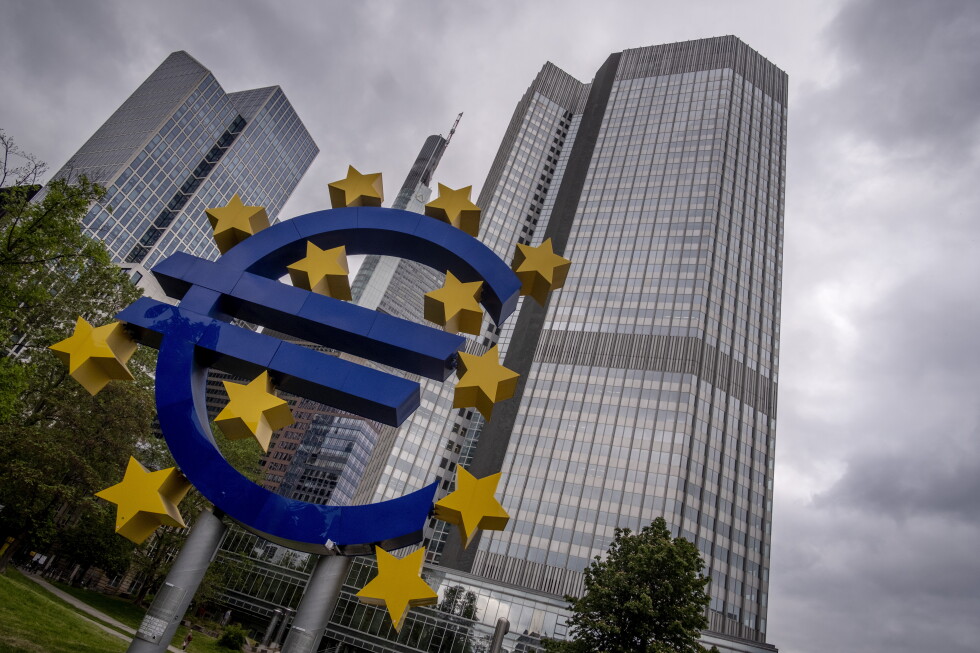
The European Central Bank reduced its benchmark interest rate by a quarter of a percentage point on January 30, 2025, the fifth cut since the bank began unwinding its tightening cycle last June. The deposit facility rate now stands at 2.75 percent, down from a peak of 4.00 percent in September 2023.
The decision was widely anticipated by markets and analysts. The more important question is what it confirms about the eurozone economy: growth has effectively stalled, and the inflation that dominated ECB policy for three years is retreating fast enough to give the bank room to keep cutting.
A predictable move, a telling trajectory
Financial markets had priced in the 0.25 percentage point reduction well before the Governing Council convened in Frankfurt. The ECB has been on a clear easing path since June 2024, with subsequent cuts in September, October and December of that year. Thursday's decision continues that trajectory at the same measured pace, neither accelerating nor pausing. The cumulative reduction of 1.25 percentage points since last June is beginning to feed through to lending rates and deposit returns across the 20-country currency area, though transmission remains slow.
The main refinancing rate, which banks pay when borrowing from the ECB for one week, falls to 3.25 percent. The marginal lending rate drops to 3.50 percent. These rates matter for the interbank market, but the deposit facility rate, at 2.75 percent, is the one that shapes conditions for savers and borrowers across the bloc.
Stagnation across the currency bloc
The eurozone economy has barely grown for more than a year. Eurostat's preliminary estimates showed GDP flatlining in the third quarter of 2024, and survey data for the final months of the year offered little reason for optimism. Purchasing managers' indices have kept manufacturing in contractionary territory for well over a year. The services sector, which had been holding up, has also shown signs of weakening.
Germany is the most conspicuous problem. Its industrial sector is in recession, export orders are falling, and business confidence surveys continue to disappoint. The country's reliance on energy-intensive manufacturing and its exposure to Chinese demand have left it vulnerable. France is faring little better: political turmoil following the snap parliamentary elections in mid-2024 has left fiscal policy in limbo, and the new government faces a credibility gap in bond markets. Italy's growth remains modest, constrained by public debt exceeding 135 percent of GDP.
Inflation fading from the picture
The inflation picture has changed markedly since the dark days of late 2022, when consumer prices were rising at more than 10 percent annually across the eurozone. Eurostat's harmonised index showed inflation falling to around 2.4 percent by the end of 2024. Energy prices have stabilised after the volatility triggered by Russia's invasion of Ukraine. Food inflation has eased. Core inflation, which strips out volatile energy and food costs, has also moved lower, though it remains slightly above the ECB's 2 percent target.
The ECB's own staff projections, last updated in December, anticipated inflation converging with the target over the medium term. That assessment has given the bank room to cut rates without appearing to abandon its price stability mandate. The January decision reinforces the view that the inflation threat has largely passed.
Divisions within the Governing Council
Not everyone on the 26-member Governing Council has been comfortable with the pace of easing. Hawks, including some national central bank governors from northern eurozone countries, have argued that cutting too quickly risks reigniting price pressures, particularly if wage growth remains elevated. Doves, pointing to the weak growth data and declining inflation expectations, have pushed for more aggressive action.
The quarter-point move represents a compromise: continuing the easing cycle without signalling urgency. Christine Lagarde, president of the ECB, has consistently emphasised that the bank will remain data-dependent, avoiding pre-commitment to a particular rate path. The January decision is consistent with that stance.
The real economy remains sluggish
Lower interest rates reduce borrowing costs for businesses and households, but the transmission mechanism in the eurozone is notoriously slow. Mortgage rates in countries like Spain and Italy have begun to fall, but the full effect of the cuts since June 2024 will take months to filter through. German small and medium-sized enterprises, the backbone of the country's industrial base, report that demand weakness rather than financing costs is their primary constraint.
For governments, lower rates ease debt servicing costs. Italy, with its debt burden, benefits disproportionately. But fiscal policy remains constrained by the EU's revised fiscal framework, which requires gradual deficit reduction. The tension between monetary easing and fiscal tightening is a recurring theme in eurozone policy discussions.
What comes next
The ECB's next rate-setting meeting is scheduled for March. Markets are pricing in a further cut, with some analysts expecting the deposit rate to fall to around 2 percent by the end of 2025. Much depends on whether the eurozone economy responds to the easing already delivered.
Two risks loom. First, that the cumulative cuts fail to revive demand, leaving the ECB with limited room for further stimulus if growth disappoints. Second, that external shocks, whether from trade policy under the new US administration or from energy markets, complicate the inflation outlook. The ECB has cut rates five times. The harder question is whether those cuts are enough, and how far the bank is willing to go before it runs out of conventional ammunition.
People mentioned
Organisations
European Central Bank