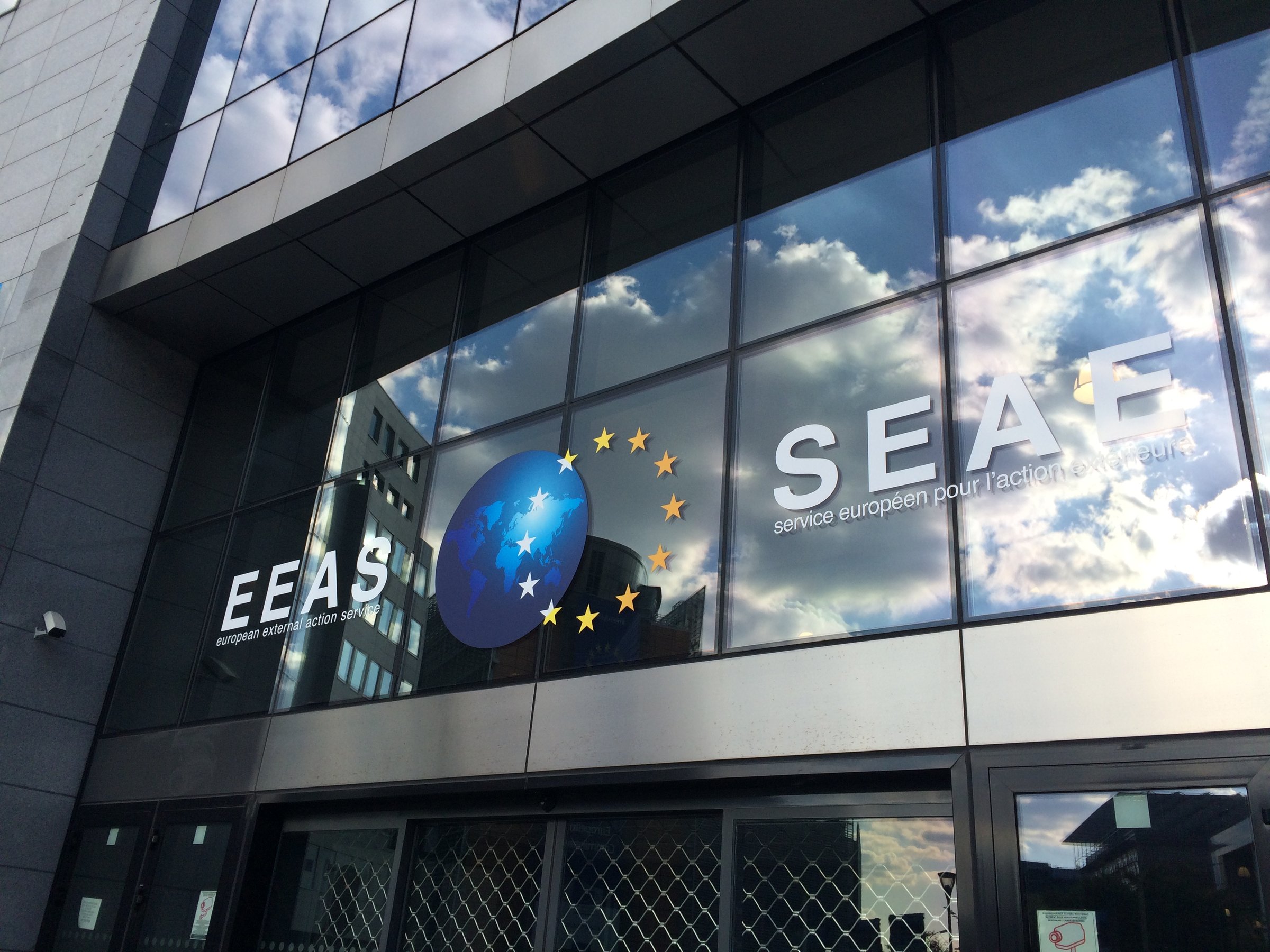
The informal Gymnich meeting of EU foreign ministers in Wicklow, Ireland, has produced the most serious examination in years of how the bloc conducts its external action. Member states agreed to launch a Council reflection on the model and distribution of competences between the European External Action Service and the European Commission. For officials who have watched the EEAS lose ground since its creation in 2011, the debate is overdue.
Commission's quiet expansion into foreign policy
The core allegation is straightforward: the Commission has exploited budgetary advantages to absorb foreign policy functions that legally belong to the EEAS. Over several years, the Commission expanded the geographic scope of its directorates-general. It handed Vice-President Maroš Šefčovič responsibility for all aspects of EU relations with the United Kingdom, not merely trade. It planned a second intelligence cell inside the Secretary General's office, duplicating the EEAS Intelligence and Situation Centre (INTCEN). It proposed a "Security College" that would overlap with the Council's Political and Security Committee. And it attended the inaugural session of the Board of Peace without a formal mandate.
None of these moves required treaty change. They happened because the Commission had budget lines available while the EEAS did not. The result is a layer of duplication that the Commission now cites as evidence of inefficiency, arguing that the Council should streamline by reducing the EEAS role.
Budgetary logic creates 'constitutional mutation'
Observers describe a "constitutional mutation" in EU foreign policy financing. The normal order, agree competences in the treaties, then fund them, has been inverted. Competences are informally attributed to whichever institution holds the money to exercise them. This bypasses the intergovernmental conference and parliamentary ratification that treaty amendment requires. If the pattern holds, the Commission gains de facto foreign policy authority without ever asking member states to cede it formally.
The EEAS was created by the Lisbon Treaty to give the Union a single diplomatic service under the High Representative. Its budget is negotiated annually within the multiannual financial framework, where it competes with Commission programmes. When the EEAS cannot secure funds for a task, the Commission often steps in with its own instruments, development aid, neighbourhood funding, humanitarian budgets, and thereby acquires operational control.
EEAS staff face psychological exhaustion
The human cost is visible inside the EEAS. Officials describe a culture of "psychological exhaustion" among professionals who find their work fruitless because they lack resources to execute mandates they were hired to fulfil. Delegations in third countries report competing instructions from Brussels: one line from the EEAS, another from Commission services with deeper pockets. The duplication is not abstract; it affects visa policy, sanction implementation, and crisis response on a daily basis.
Gymnich reflection may reshape external action
The Wicklow meeting did not produce decisions. It mandated a structured Council reflection on the "alignment and coherence" of EU foreign policy. That phrase is diplomatic code for deciding which institution does what. The reflection will involve the Council's Political and Security Committee, the EEAS, the Commission, and the European Parliament. Its terms of reference are being drafted now, with a first progress report expected before the end of the year.
Member states are divided. France and Germany have historically defended the EEAS as the Union's diplomatic face. Others, particularly in Central Europe, have grown frustrated with EEAS caution and welcome Commission operational capacity. The Parliament, which must approve the EEAS budget, has long complained about opacity in how external action funds are split. Any reform will need its consent.
Democratic oversight demanded for competence allocation
The central demand emerging from the debate is procedural: decide competences first, fund them second, and subject both steps to democratic scrutiny. That means the Council agrees a clear matrix of who leads on which policy area and region, the Commission and EEAS build budgets around that matrix, and the Parliament votes on the result. Without that sequence, the "silent budgetary subjugation" continues regardless of which institution wins the next turf battle.
What happens next
The Council reflection will run through the autumn. Its conclusions will feed into the mid-term review of the multiannual financial framework, where the EEAS budget for 2028-2034 will be negotiated. If member states agree a competence matrix, the Commission will have to propose corresponding budget lines. The Parliament's foreign affairs committee has already scheduled a hearing for October. The real test is whether governments are willing to write the EEAS a cheque that matches its treaty role, or whether they prefer the flexibility of a Commission that acts first and asks for forgiveness later.
People mentioned
Organisations
European External Action Service · European Commission · Council of the European Union · European Parliament