The European Union has approved temporary trade concessions covering roughly 80 per cent of Armenia's exports, granting Yerevan duty-free access to the world's largest single market for a two-year period. The decision, backed by both the Council of the European Union and the European Parliament on 2 September 2026, has drawn pointed criticism from Azerbaijan, which argues the preferences distort competition across the South Caucasus.
Why Brussels acted now
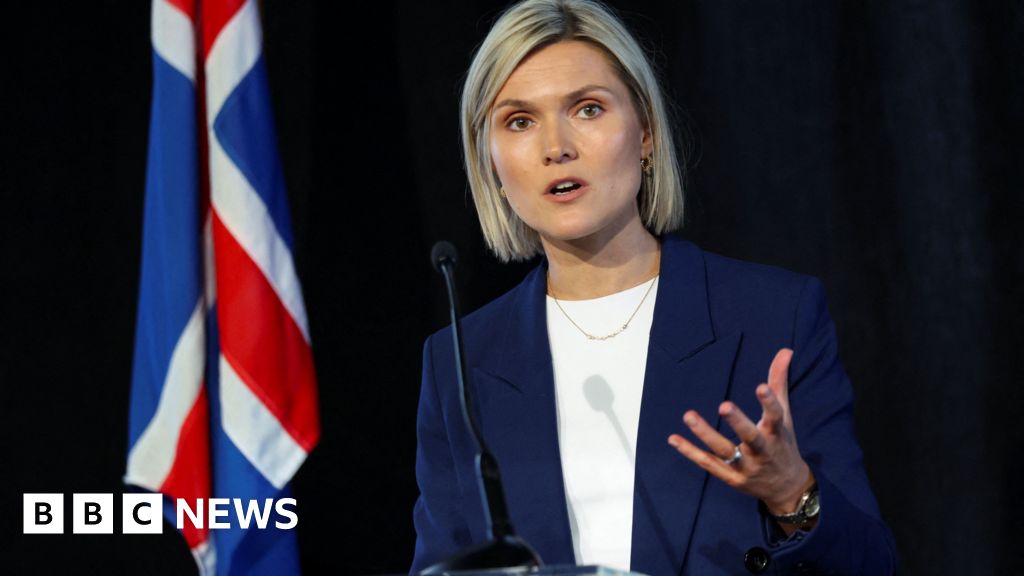
The EU frames the concessions as a response to trade restrictions imposed by Russia that have disrupted Armenia's export routes. Yerevan has historically relied on the Russian market, and Moscow's new barriers have hit Armenian exporters hard. Ursula von der Leyen, president of the European Commission, said in a statement on 2 July 2026 that Armenia had chosen the path of reform and closer partnership with the EU, linking the economic support directly to that political orientation.
The timing is not incidental. Armenia has been steadily reorienting its foreign policy away from Russia since 2023, seeking closer ties with Western institutions. The trade concessions reward and reinforce that shift. Brussels is explicit about the connection: the preferential regime is conditional on Armenia complying with the democratic-governance and human-rights provisions of the EU-Armenia Comprehensive and Enhanced Partnership Agreement, maintaining administrative cooperation with the EU, and refraining from new restrictions on EU imports.
What the concessions cover
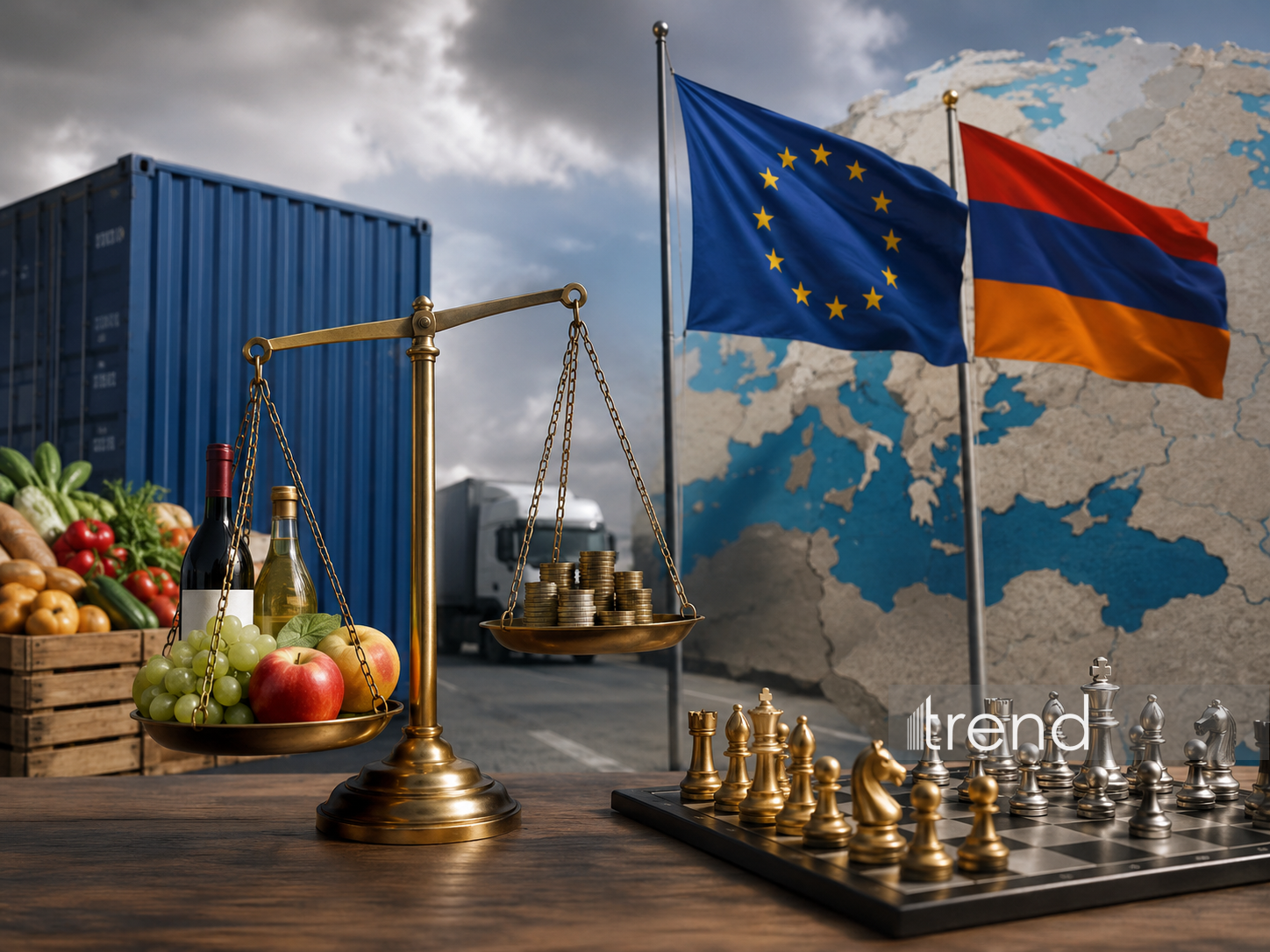
The scope is substantial. By covering roughly 80 per cent of Armenia's export basket, the EU is giving Armenian producers a meaningful price advantage in European markets. Agricultural products dominate the list, particularly fresh produce and alcoholic beverages, categories where Armenian exporters already have some recognition in niche European markets. According to EU data, the products covered account for approximately 99 per cent of Armenia's exports of fresh fruit, vegetables and plants to Russia, and more than 91 per cent of its exports of beverages and alcoholic beverages.
Tariff quotas apply to certain sensitive agricultural goods, reflecting the EU's need to protect its own producers. Safeguard measures are also built into the regulation, allowing the EU to reinstate duties if the influx of Armenian products causes market disruption.
Azerbaijan's objections
Azerbaijan's response has been blunt. Mazahir Afandiyev, an Azerbaijani member of parliament, told Trend news agency that the EU's preferential treatment of Armenia, combined with what he described as a failure to apply relevant international standards to Armenian exports, amounted to a double standard. He also warned that increased EU political support for Armenia, set against the backdrop of confrontation with Russia, deepens existing geopolitical contradictions in the South Caucasus and slows the process of achieving sustainable peace.
The complaint is not that Armenia gains market access, but that the terms are uneven. Azerbaijan has invested heavily in energy, transport and logistics infrastructure that serves European interests, from the Southern Gas Corridor to transit routes across the Caspian. Baku argues that a country providing tangible economic value to Europe should not find itself at a competitive disadvantage relative to a neighbour receiving tariff concessions tied to political alignment.
Azerbaijan also raises procedural concerns. Non-tariff barriers, including phytosanitary, technical and environmental standards, constitute the real hurdle for most exporters seeking EU market access. If Armenia receives tariff relief while those regulatory requirements are applied unevenly, the competitive distortion extends well beyond customs duties.
The geopolitics of trade
The dispute illustrates a tension at the heart of EU external trade policy. The Union presents itself as a champion of rules-based, non-discriminatory commerce. The World Trade Organization's principles emphasise transparent and predictable market access. Yet the Armenia concessions are explicitly tied to geopolitical alignment, rewarding a country for choosing Brussels over Moscow.
This is not without precedent. The EU's Generalised Scheme of Preferences grants reduced duties to developing countries that ratify and implement international conventions on human rights, labour standards and environmental protection. The Armenia mechanism is narrower and more targeted, but the logic is similar: trade terms reflect political choices. The difference in the South Caucasus is that the preferences are being introduced into a region where Armenia and Azerbaijan fought a 44-day war in 2020 and tensions over Nagorno-Karabakh remain unresolved.
A temporary mechanism with lasting implications
The two-year timeframe is itself significant. Brussels calls the measure temporary, designed to cushion Armenia against the immediate shock of losing Russian market access. But temporary concessions that are tied to political conditions can also function as leverage. If the preferential access is contingent on Armenia continuing its pro-European orientation, then the economic benefit becomes an instrument of political influence as much as a tool of economic support.
For Armenian exporters, the tariff suspension does not guarantee that their products meet European quality and technical standards. Concessions on duties and compliance with product regulations are separate matters. The price advantage may open doors, but whether Armenian producers can sustain a market presence in the EU over the longer term depends on investment, capacity and regulatory alignment that a two-year window alone cannot deliver.
Regional consequences
The South Caucasus is a small market by global standards, but it sits at a strategic crossroads. The EU has invested considerable diplomatic and financial capital in building connectivity through the region, viewing it as a corridor between Europe and Asia. Azerbaijan's concern is that the concessions to Armenia undermine the principle of equal partnership that underpins its own cooperation with the EU.
Baku has positioned itself as a reliable energy supplier and logistics partner, arguing that those contributions should earn comparable consideration in market-access terms. Whether that argument gains traction in Brussels depends on how the EU weighs its strategic interests in energy security, supplied in part by Azerbaijani gas, against its interest in pulling Armenia out of Russia's orbit.
People mentioned
-
Mazahir Afandiyev
Organisations
European Commission · Council of the European Union · European Parliament