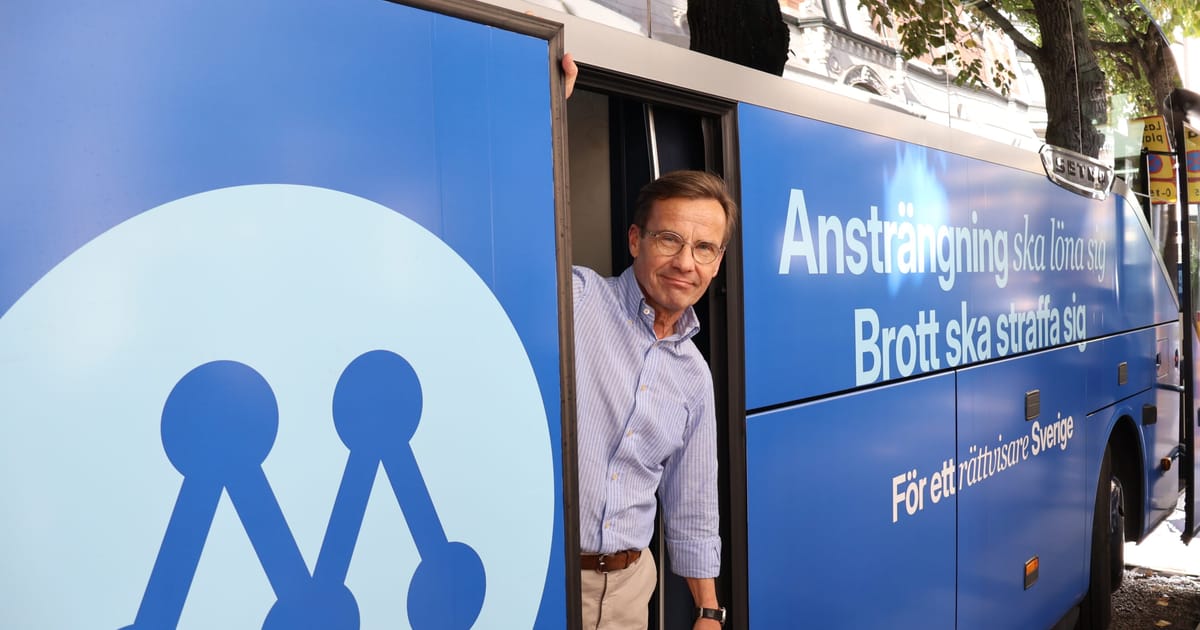
Two days before Sweden goes to the polls, Prime Minister Ulf Kristersson has framed the election as a test of the country's reliability inside NATO. In an interview in Stockholm, the Moderate party leader argued that a left-wing government would lack the unity to make the domestic decisions required by alliance membership, decisions on spending, troop deployments and the monthly operational choices that have followed accession in 2024.
The NATO argument
Sweden became the alliance's newest member in March 2024, ending a tradition of military non-alignment that survived both world wars and the Cold War. Since then, Kristersson said, his government has taken a NATO-related decision roughly every month. Those decisions have included sending several hundred soldiers to a NATO battlegroup in Latvia, committing warships to Baltic Sea patrols and deploying Gripen fighter jets to the alliance's air policing mission in the region. A government divided on the principle of membership, he argued, would simply be unable to keep up that tempo.
The prime minister was specific about the parliamentary arithmetic. Of the four parties in the left-wing bloc, two voted against the accession protocol in 2022. The Left Party also opposed the very first military aid package to Ukraine in early 2022, though all eight parties have backed every subsequent package. Kristersson said he hoped support for Ukraine would not falter under a left government, but he left the implication hanging: the same fracture that appeared on NATO could reappear on other hard security choices.
The left's record
Magdalena Andersson, the Social Democrat leader and former prime minister, has campaigned on continuity. Her party supported NATO entry and has matched the government's rhetoric on Ukraine. But her coalition partners, the Left Party, the Greens and the Centre Party, have more ambiguous histories. The Left Party opposed both the accession and the first Ukraine aid vote. The Greens have historically opposed military alliances. The Centre Party, once agrarian and sceptical of NATO, backed membership but has since moved left on defence spending. Andersson's challenge is to convince voters that a four-party cabinet could hold together on the "monthly decisions" Kristersson described.
The Sweden Democrats factor
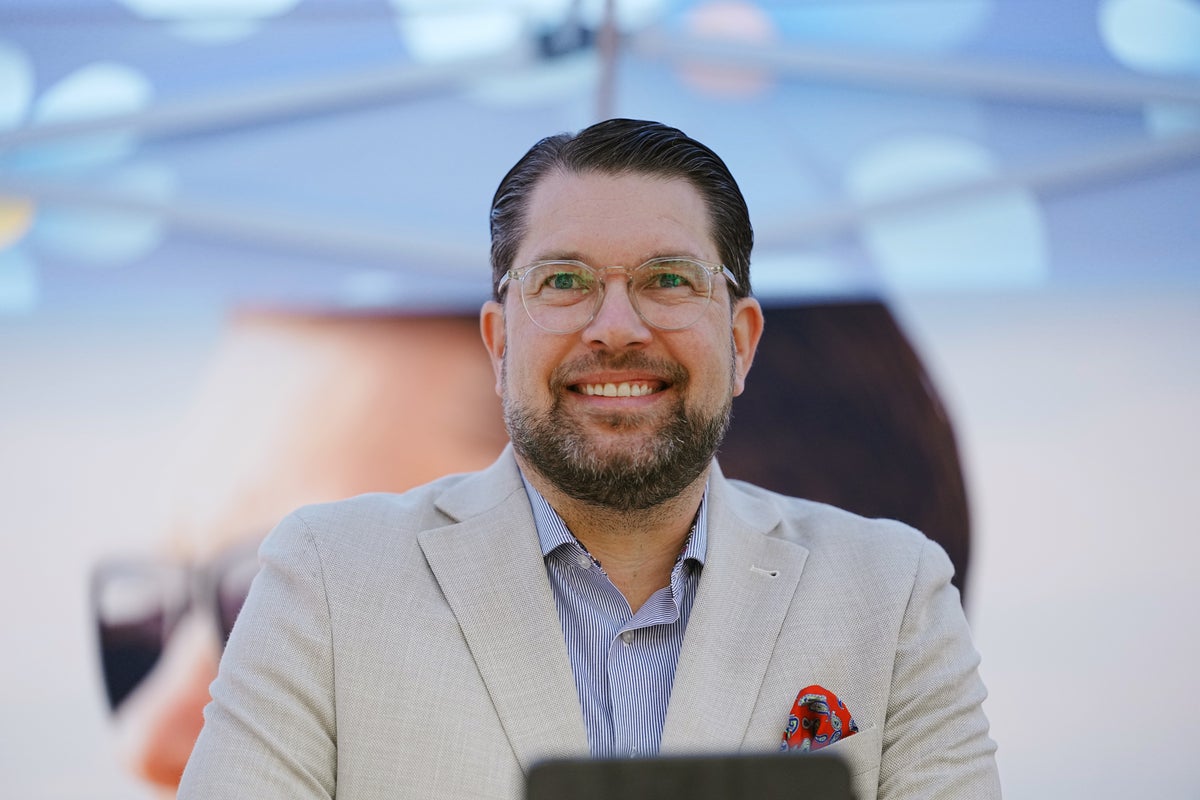
Kristersson's own coalition has governed for four years with the parliamentary support of the Sweden Democrats, a party with roots in the neo-Nazi movement of the 1980s. Under Jimmie Åkesson, the party has expelled extremists, softened its platform and risen to second place in the polls. Kristersson now says he is ready to give Sweden Democrats ministerial portfolios for the first time, a step that would normalise their presence in the executive. He argued that collective cabinet responsibility would constrain any individual minister: "In Sweden, we have a collective decision-making process in government... there is very little room for people to play in a role of their own."
That promise has become a central attack line for the left. Andersson demanded this week that Kristersson "come clean" about his allies' links to Russia, a reference to historic contacts between Sweden Democrat figures and Russian officials. The prime minister dismissed the charge, saying he would appoint only "very skilled and experienced and people with good judgment." The Sweden Democrats' own polling strength, they trail only the Social Democrats, means they could claim the prime ministership in 2030, according to Åkesson.
A campaign that tightened sharply
Until mid-August, Andersson's bloc held a comfortable lead. In the past two weeks that advantage has evaporated to 2.6 percentage points, inside the statistical margin of error. The shift coincides with a debate over gang violence and immigration, issues on which the Sweden Democrats have long led the agenda. Kristersson's willingness to bring them into government has energised his base but risks alienating centrist voters who backed the Moderates in 2022 as a bulwark against the far right.
What the numbers show
Sweden's defence spending has risen from 1.3% of GDP in 2022 to just above 2% in 2025, meeting the NATO guideline for the first time in decades. The government has pledged to reach 2.6% by 2028. A left-wing coalition has not published a comparable trajectory; the Left Party has historically opposed the 2% target. The gap between rhetoric and budgetary reality would be the first concrete test of any new administration.
People mentioned
Organisations
NATO · Government of Sweden · Swedish Social Democratic Party · Sweden Democrats