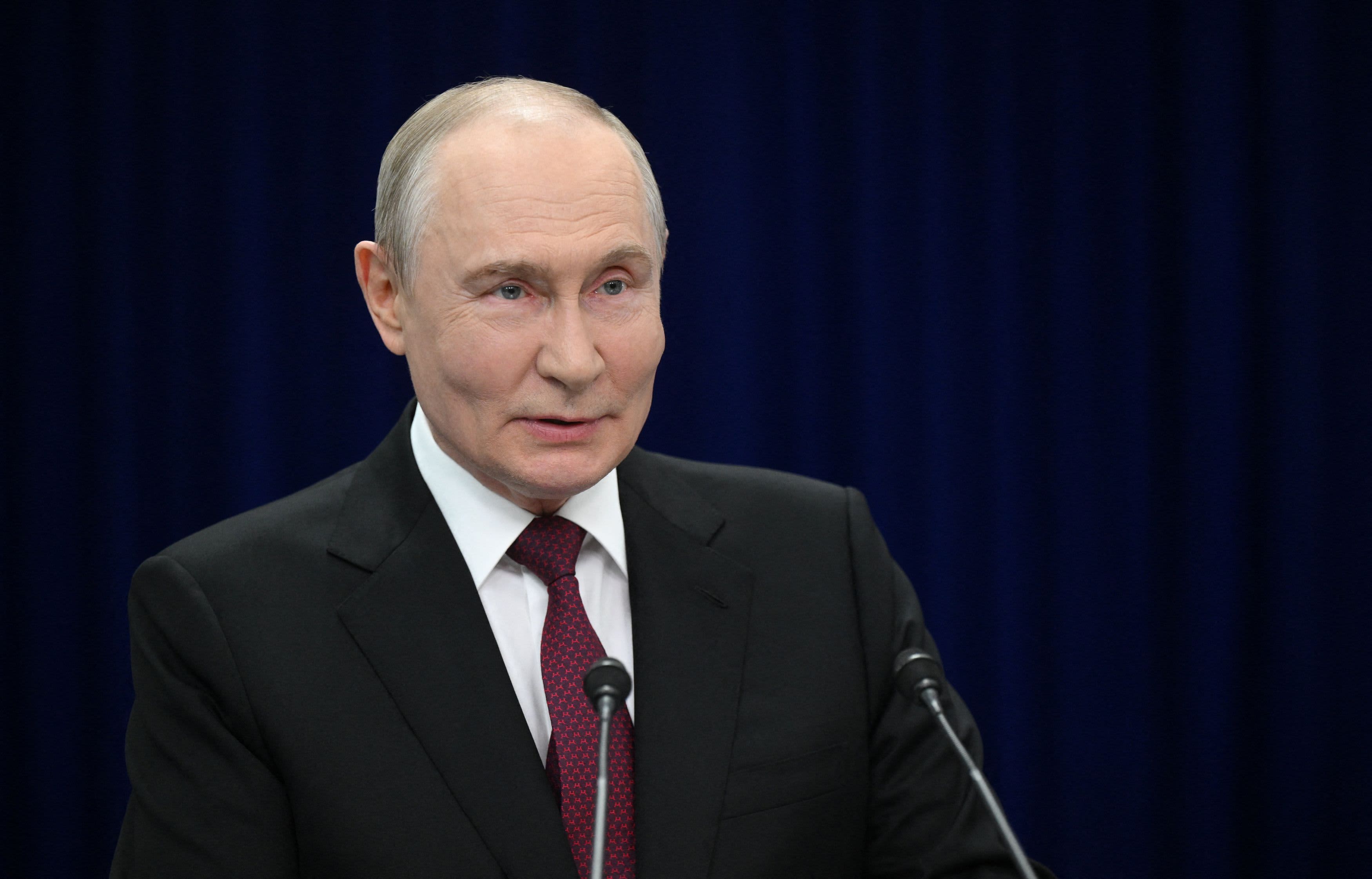
Vladimir Putin offered a rare public acknowledgement that peace with Ukraine might be possible, telling the Eastern Economic Forum in Vladivostok on Thursday that "in my view, yes, there is" a chance to end the conflict. The Russian president's remarks came as the war entered its fifth year, with front lines largely static but long-range strikes by both sides escalating.
Putin's conditional opening
Speaking in the far eastern city of Vladivostok, Putin framed any resolution as a matter for the two combatants alone. "Ultimately the problem must be resolved by the countries involved in the conflict, Russia and Ukraine," he said in translated remarks. He did not outline territorial concessions, security guarantees or the status of occupied regions, the core issues that have blocked previous negotiations. Instead he repeated the accusation that Kyiv's advisory to airlines to avoid Russian airspace amounted to "state terrorism," a charge the Kremlin has used to justify intensified attacks on Ukrainian infrastructure.
Ukraine's foreign minister, Andrii Sybiha, struck a more optimistic tone in comments reported by Reuters. He said he believed there would now be a "new dynamic in the peace efforts, with the return of this active phase of political and diplomatic engagement in many capitals around the world." Whether that reflects genuine momentum or diplomatic positioning remains unclear.
NATO sounds alarm on Russian hybrid activity
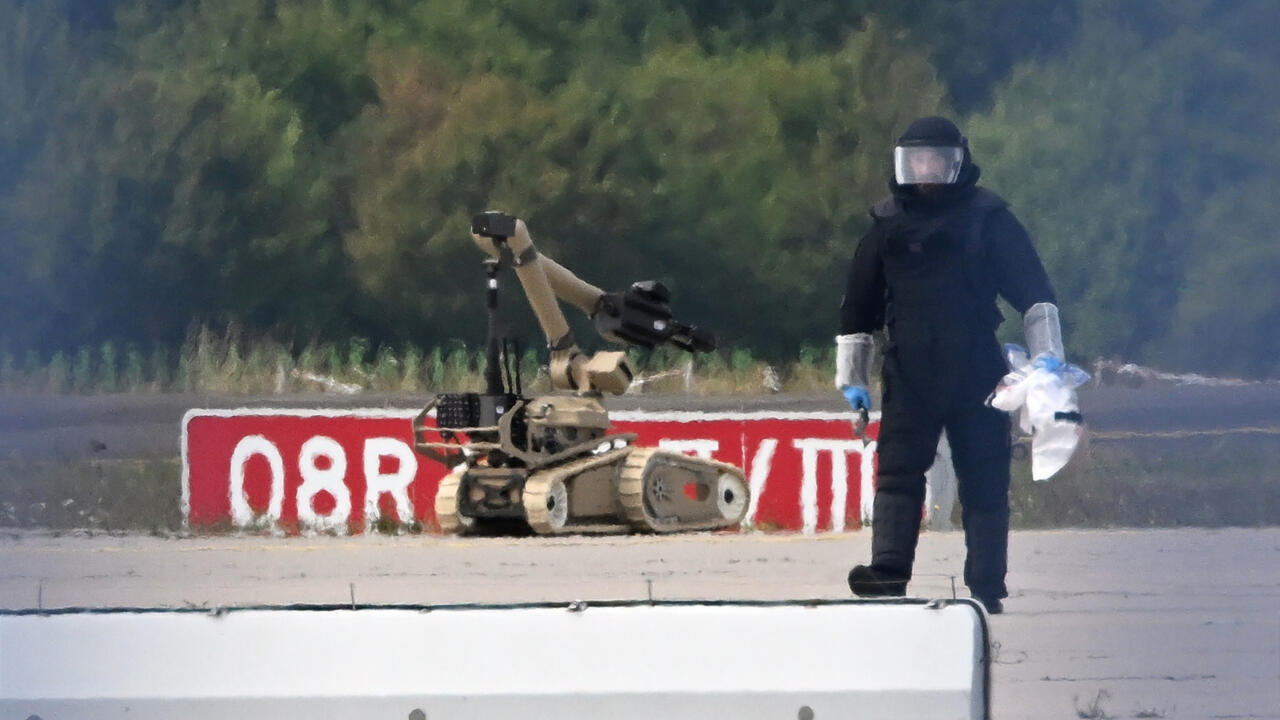
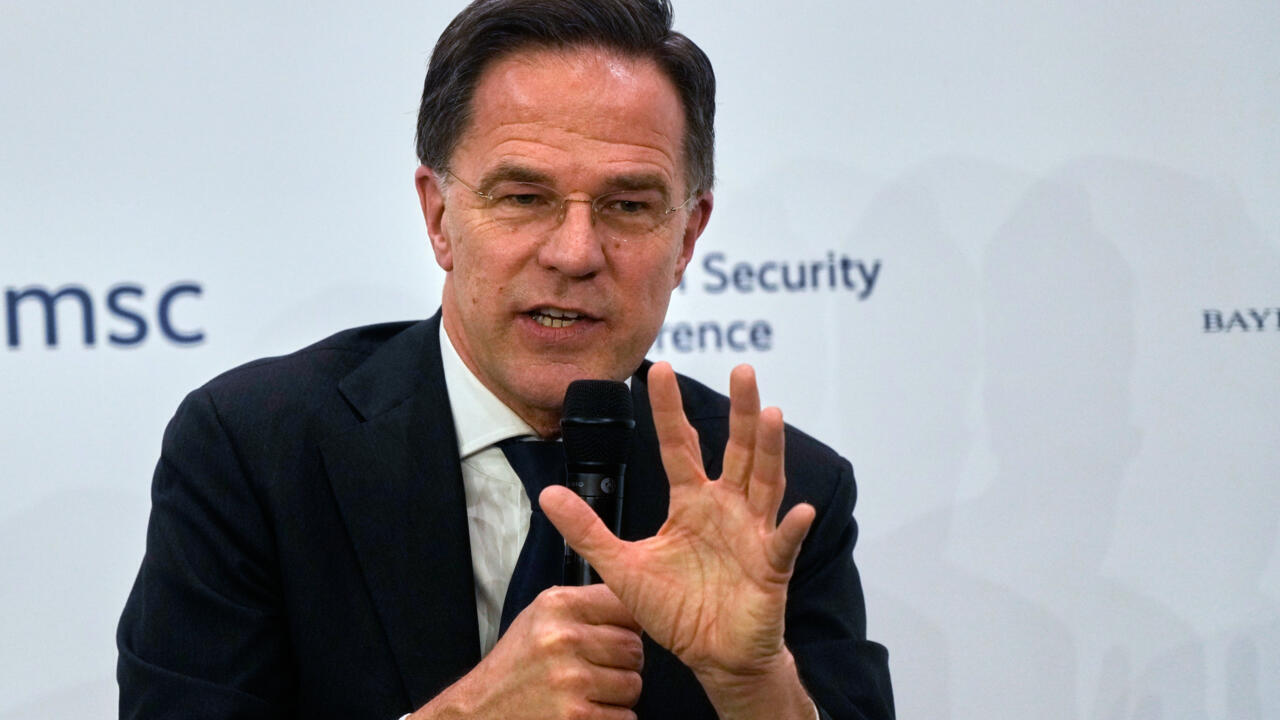
Putin's assessment contrasted sharply with warnings from NATO headquarters in Brussels. Secretary General Mark Rutte said on Wednesday that Russia is becoming "increasingly reckless," pointing to missiles and drones crossing the alliance's eastern flank and an alleged Russian hybrid attack at Germany's Leipzig airport last month. "The dangers Russia poses are clear, and we are working around the clock to ensure that we are prepared to keep our people safe," Rutte told a joint press conference with Ursula von der Leyen, president of the European Commission.
"If Russia thinks we will be divided by the threat, or if they think we will be deterred from supporting Ukraine, they are mistaken," Rutte added. The NATO chief's language reflects a shift in alliance rhetoric: from deterrence to explicit preparation for sustained confrontation. The reference to Leipzig marks the first time NATO has publicly attributed a specific infrastructure attack on German soil to Russian hybrid operations.
Ukraine turns the skies into a battleground
The immediate trigger for the latest exchange was Zelenskyy's call on Tuesday for airlines to avoid Russian airspace. The Ukrainian president said the skies had become "completely unsafe" because of the number of Ukrainian drones operating deep inside Russia. Kyiv has invested heavily in domestically produced long-range drones, striking oil refineries, ammunition depots and early-warning radar installations hundreds of kilometres from the front line.
Putin responded by vowing to intensify attacks on Ukraine. Russian forces have indeed ramped up missile strikes on Ukrainian cities in recent weeks, exploiting what Western officials describe as a critical shortage of air defence interceptors in Kyiv's inventory. The pattern suggests a war of attrition fought increasingly through remote strike rather than ground assault.
Diplomatic pressure from multiple directions
International efforts to broker a settlement have so far failed. US CIA Director John Ratcliffe visited Moscow last week to warn Russia against escalation, according to media reports. Indian Prime Minister Narendra Modi urged Putin to move away from "endless war" during a bilateral meeting. A Chinese foreign ministry spokesperson in Beijing said on Wednesday that "dialogue and negotiation are the only viable solution to the Ukraine crisis," after Zelenskyy had publicly asked Beijing to play a "strong diplomatic role."
Each capital brings different leverage. Washington supplies the bulk of Ukraine's advanced weaponry. New Delhi is a major buyer of Russian oil and a strategic partner for Moscow. Beijing provides economic lifelines and diplomatic cover at the United Nations. Yet none has translated influence into a negotiating framework both sides would accept.
Military realities constrain diplomacy
On the ground, the front line has barely moved in months. Russian forces hold roughly 18 percent of internationally recognised Ukrainian territory. Ukraine's 2023 counter-offensive failed to achieve a breakthrough. Western military aid packages have been delayed by political wrangling in the US Congress and production bottlenecks in Europe. Meanwhile, Russia has reoriented its economy onto a war footing, increasing defence spending to levels not seen since the Soviet era.
The air defence shortage in Ukraine is acute. Western suppliers have struggled to replenish Patriot and IRIS-T interceptors at the rate they are being expended. Russian glide bombs, launched from aircraft operating within Russian airspace, have devastated Ukrainian front-line positions and rear-area logistics. Without a sustained supply of interceptors, Ukrainian cities remain vulnerable to the intensified missile campaign Putin has promised.
People mentioned
Organisations
NATO · European Commission · Russian Federation · Ukraine