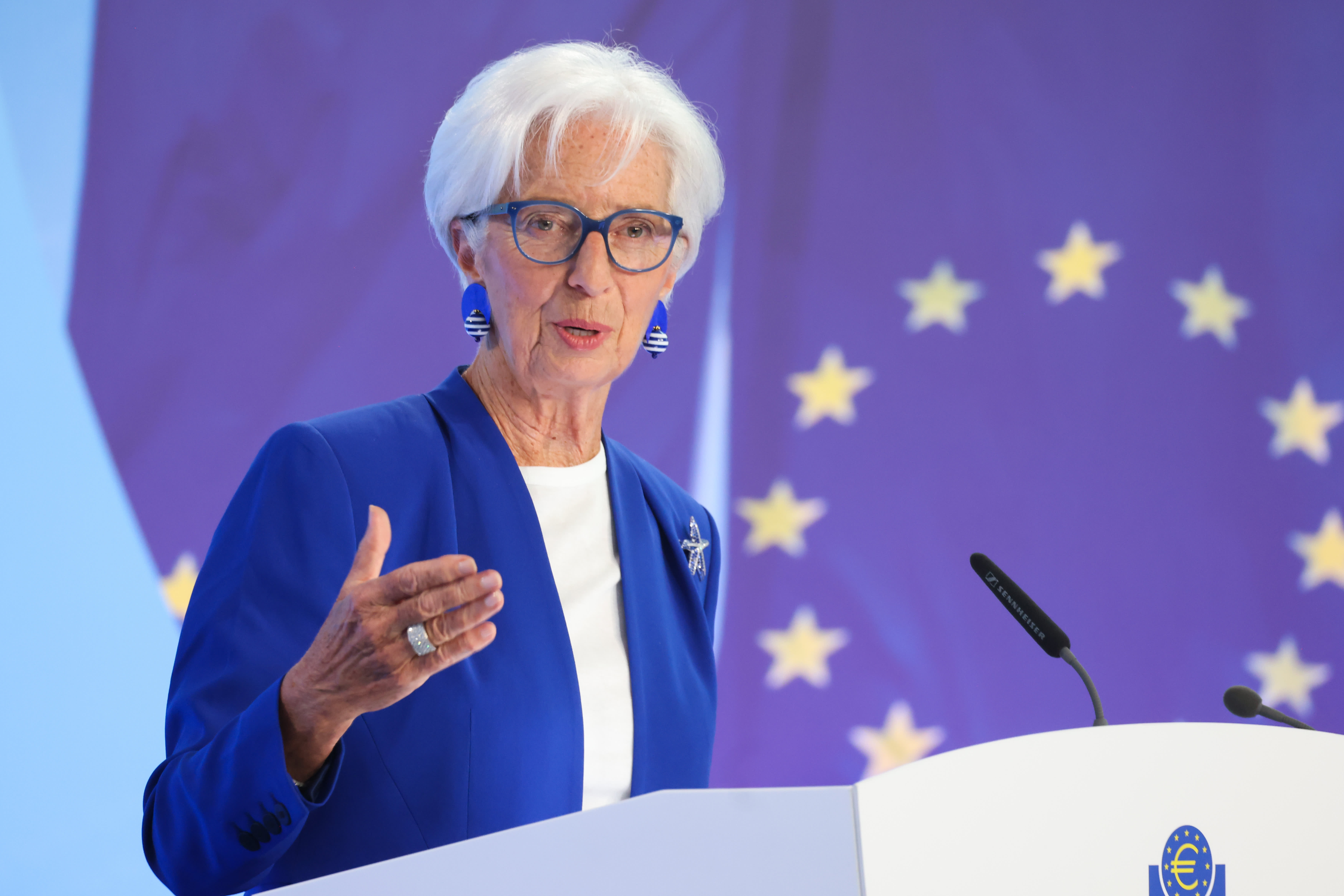
The European Central Bank raised its deposit facility rate by a quarter of a percentage point to 2.5% on Thursday, the highest level since March 2025, as policymakers responded to a fresh surge in energy prices triggered by widening conflict in the Middle East. The move, which was unanimously approved by the governing council meeting in Berlin, marks the second increase this year after a similar hike in June, the first since 2023.
Energy shock returns to the fore
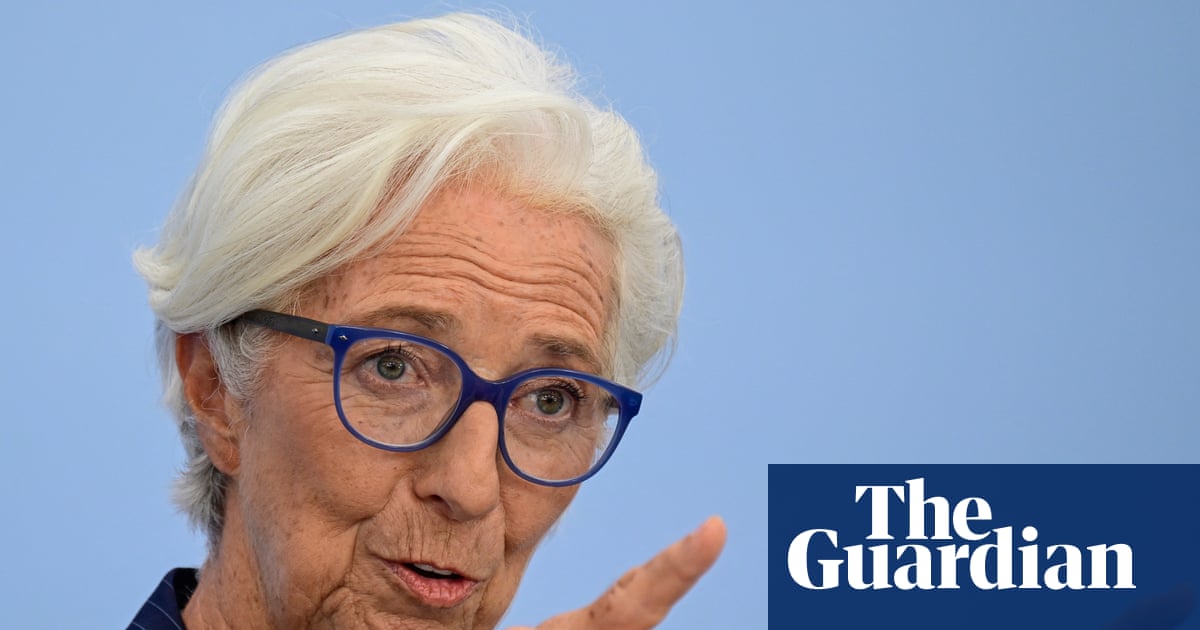
Brent crude has climbed back above $100 a barrel this week, while Dutch TTF natural gas futures, the European benchmark, reached their highest level in more than three years. The surge reflects an escalation in the US-Iran confrontation and a flare-up in fighting between Saudi Arabia and Yemeni rebels, which has dimmed prospects for a return to normal Gulf energy shipments. Christine Lagarde, the ECB president, described the decision as a "no-brainer" at her press conference, adding that "the conflict in the Middle East continues to generate inflation pressures, and inflation is set to remain well above target for an extended period."
The central bank maintained its 2026 inflation projection at 3% but raised its forecasts for 2027 and 2028, signalling that price pressures are expected to persist longer than previously thought. At the same time, the ECB upgraded its growth outlook, now expecting the eurozone economy to expand by 0.9% this year and 1.4% next year, both higher than the June projections. Lagarde said the near-term outlook had "improved" and that officials had "been surprised by the resilience of our economy."
Growth resilience complicates the picture
The stronger growth numbers give the governing council room to keep tightening without tipping the currency bloc into recession. Unemployment remains at historic lows in several large member states, and consumer spending has held up better than many forecasters anticipated at the start of the year. That resilience, however, also means domestic demand could keep underlying price pressures alive even if energy costs eventually stabilise.
Analysts interpreted Lagarde's remarks as hawkish. Roman Ziruk, FX strategist at Ebury, said the communication "can be read as at least having a hawkish tilt" and noted that the president "signalled that inflation is proving more persistent than expected (and) talked up the resilience of the eurozone economy." Money markets are pricing in at least one more rate increase before the end of 2026, though Lagarde declined to offer explicit guidance, citing an outlook that is "too unclear to plot a path ahead."
Critics question the transmission mechanism
The decision has renewed debate about whether monetary policy is the right tool for an inflation shock driven primarily by energy supply constraints. Rate increases work by dampening demand from households and businesses, but they do not increase the availability of oil or gas. Some economists argue the ECB risks inflicting pain on mortgage holders and borrowers without addressing the root cause of the price surge.
So far there is little evidence that higher energy costs have fed through broadly into food, goods or services inflation. Core inflation, which strips out volatile energy and food prices, has been moderating in recent months. That raises the question of whether the current tightening cycle is pre-empting a second-round effect that may not materialise, or whether the bank is determined to avoid a repeat of 2022, when it was widely criticised for moving too slowly after Russia's invasion of Ukraine sent energy prices soaring.
Households feel the pinch
For euro area households, another rate hike translates directly into more expensive mortgages, consumer credit and business loans. Variable-rate mortgage holders in countries such as Spain, Italy and France have already seen monthly payments rise sharply since the tightening cycle began. The ECB's own lending survey shows banks continuing to tighten credit standards, a trend that will be reinforced by higher policy rates.
Lagarde sidesteps succession questions
The press conference also featured questions about Lagarde's own future after media speculation that she might step down before her term ends in October 2027 to take the helm at the World Economic Forum. She declined to engage, telling journalists: "When there is something to report about me personally, you'll be the first one to know... and there is nothing to report." The non-denial leaves the door open to a leadership transition that would coincide with a critical period for eurozone monetary policy.
A delicate balance
The ECB is walking a narrow path. Raise rates too far and it risks choking off the growth recovery it just upgraded; pause too soon and it may lose credibility on inflation just as energy shocks threaten to re-embed price pressures. Lagarde's refusal to guide on the next move reflects genuine uncertainty, not tactical ambiguity. The governing council will meet again in six weeks with a fresh set of projections and, quite possibly, a new energy price reality. Until then, the 2.5% deposit rate stands as the highest cost of borrowing in the eurozone since the post-pandemic inflation surge began.
People mentioned
-
Roman Ziruk
Organisations
European Central Bank · Ebury