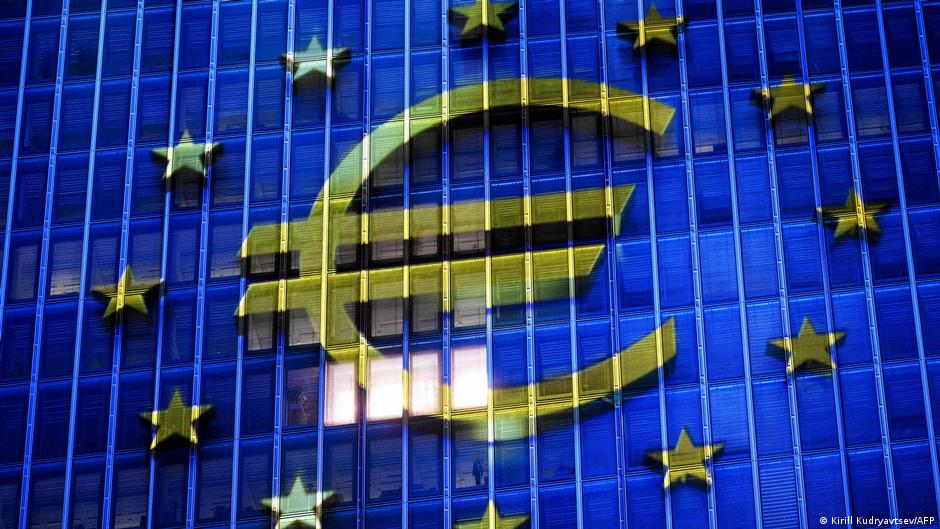
The European Central Bank raised its deposit rate by a quarter point to 2.5% on Thursday, a move that had been fully priced in by investors. What unsettled markets was the tone. The ECB made clear that the renewed escalation between the United States and Iran around the Strait of Hormuz is feeding through into energy costs, and that those costs are rippling outward into the wider economy.
Brent crude passed $105 a barrel, up more than 4% overnight. British gas prices climbed above 205p per therm, the highest since December 2022. The Dutch wholesale gas price, the European benchmark, crossed €80 per megawatt hour for the first time since January 2023, trading at €82.56/MWh.
A rate rise that surprised nobody
The increase, from 2.25% to 2.5%, was universally expected. The ECB also revised its eurozone growth forecast for 2026 upward slightly, from 0.8% to 0.9%, and now expects inflation to average 3% this year.
The growth revision is marginal. The inflation figure matters more: 3% is well above the ECB's 2% target, and the bank now does not expect headline inflation to return to target until late 2027. That is a long horizon for an institution that spent much of 2024 and 2025 insisting that price pressures were transitory.
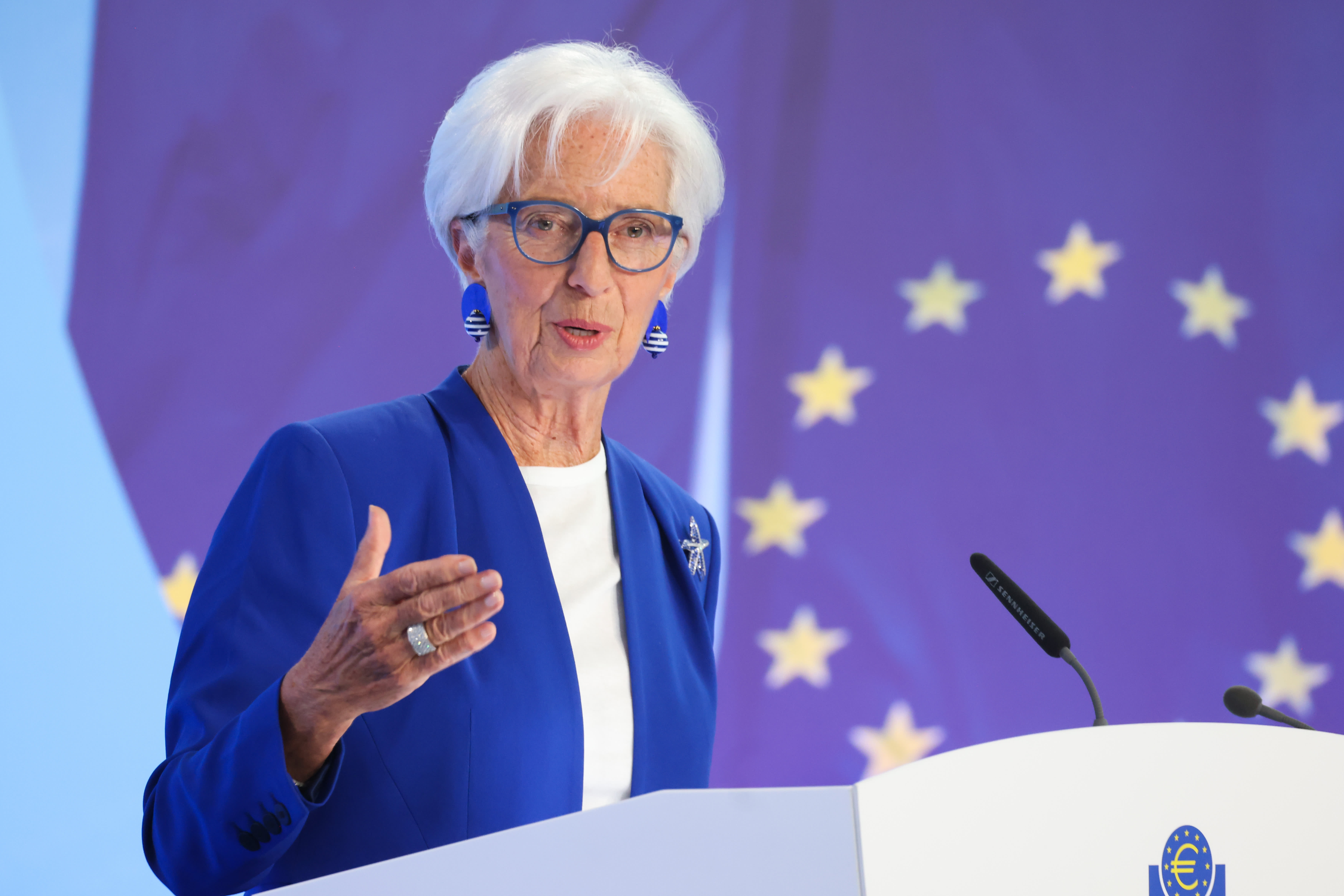
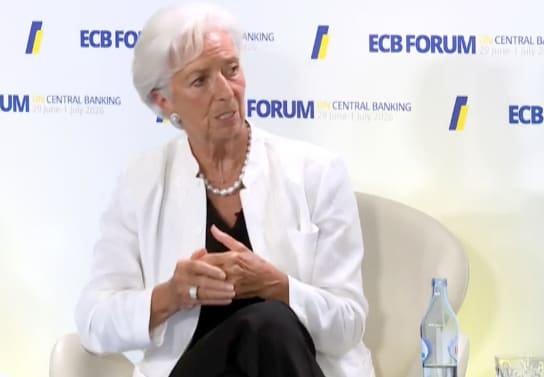
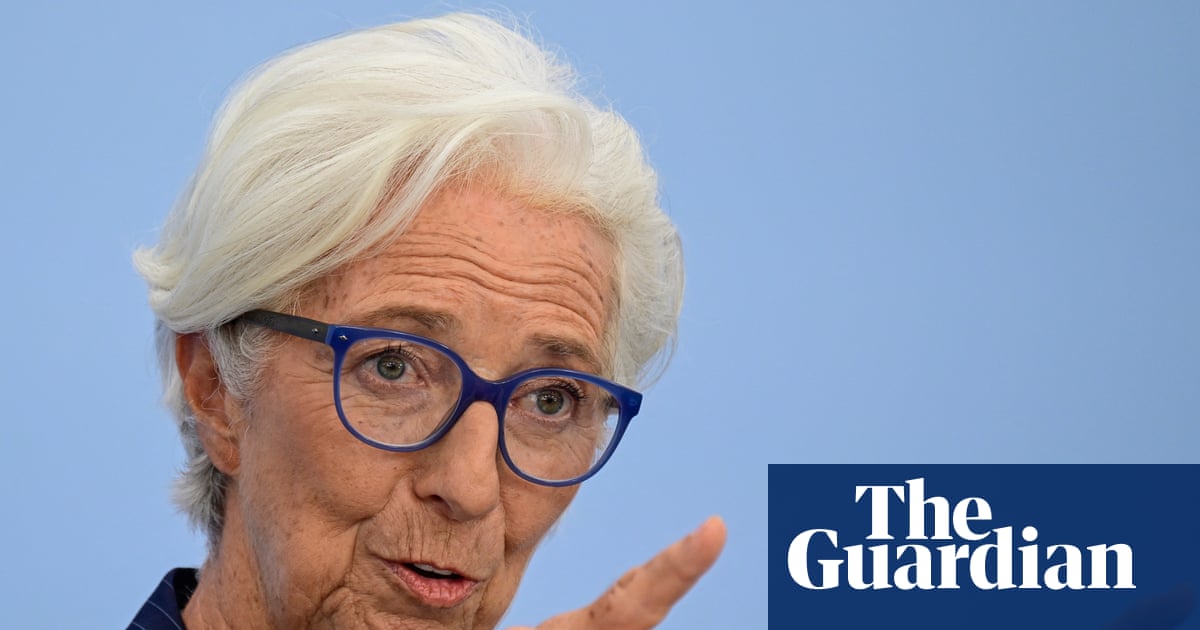
Christine Lagarde, president of the ECB, said: "Headline inflation is expected to return to around target towards the end of 2027, supported by the effects of higher interest rates." She added that the bank would "continue to monitor closely the size and persistence of the energy price increase and how it feeds through to price and wage-setting, inflation expectations and overall economic dynamics."
The word "persistence" is the one that matters. The ECB is no longer treating the energy spike as a passing shock. It is telling markets it expects higher fuel and heating costs to work their way into transport, food and wage demands, and that it is prepared to keep rates elevated to prevent that from happening. The full statement and accompanying analysis are available on the ECB's press page.
Bond markets feel the strain
Government borrowing costs surged across Europe on Thursday. The yield on the UK's 10-year gilt hit 5.295%, the highest since August 2007. Germany's 30-year bond yield rose to 5.08%, a level not seen since December 2003. The German 10-year yield reached 3.45%, its highest since April 2011. France's 10-year yield climbed to 4.344%, the steepest since October 2008.
These are not marginal moves. They represent a significant repricing of the risk that inflation stays higher for longer, and that central banks will have to keep rates up to contain it. For governments already running large deficits, higher borrowing costs compound an already difficult fiscal position.
The sell-off was not confined to Europe. In the United States, Treasury Secretary Scott Bessent announced a $6 billion buyback of government debt intended to ease pressure on the Treasury market. Bond buyers considered the package too small, and the yield on 10-year US Treasuries rose to a three-year high. When borrowing costs rise simultaneously in the US, the UK and the eurozone, there is nowhere for capital to hide.
Europe's gas storage gamble
Beneath the immediate market reaction lies a structural vulnerability that European policymakers have been reluctant to discuss openly. EU gas storage facilities are only 67% full, well below the five-year average of 84% for this point in the year.
Buyers across the continent delayed filling reserves in the expectation that the Middle East conflict would be resolved and prices would fall before winter. That bet is looking increasingly costly. As the fighting between US and Iranian forces around the Strait of Hormuz continues, those buyers now face a scramble to replenish stocks before cold weather arrives, pushing prices higher still.
ING analysts noted: "This leaves the market vulnerable as we head closer towards the upcoming heating season." The timing is awkward. European gas buyers have spent months hoping for a diplomatic resolution. With each week of continued attacks on shipping in the Gulf, the window to fill storage at reasonable prices narrows. A cold snap in November or December could turn a difficult situation into a genuine supply crisis.
Core inflation stays contained, for now
David Rees, head of global economics at Schroders, pointed out that core inflation, which strips out volatile energy and food costs, remained "well behaved so far." That is the case the ECB's doves would make: if energy prices stabilise, headline inflation should fall back without requiring further rate increases.
But Rees also acknowledged the problem. "Today's hike was expected, but the outlook from here is much less certain," he said. "Higher energy prices will keep headline inflation up." He added that the eurozone economy was already weak and that higher borrowing costs would likely slow growth further.
The tension is straightforward. Energy costs are feeding into headline inflation. The ECB has responded with a rate increase that will make borrowing more expensive across the eurozone, damping demand in an economy that is barely growing. If energy prices keep rising, the bank may have to choose between tolerating above-target inflation for longer or pushing the eurozone toward recession.
People mentioned
Organisations
European Central Bank · Schroders · ING