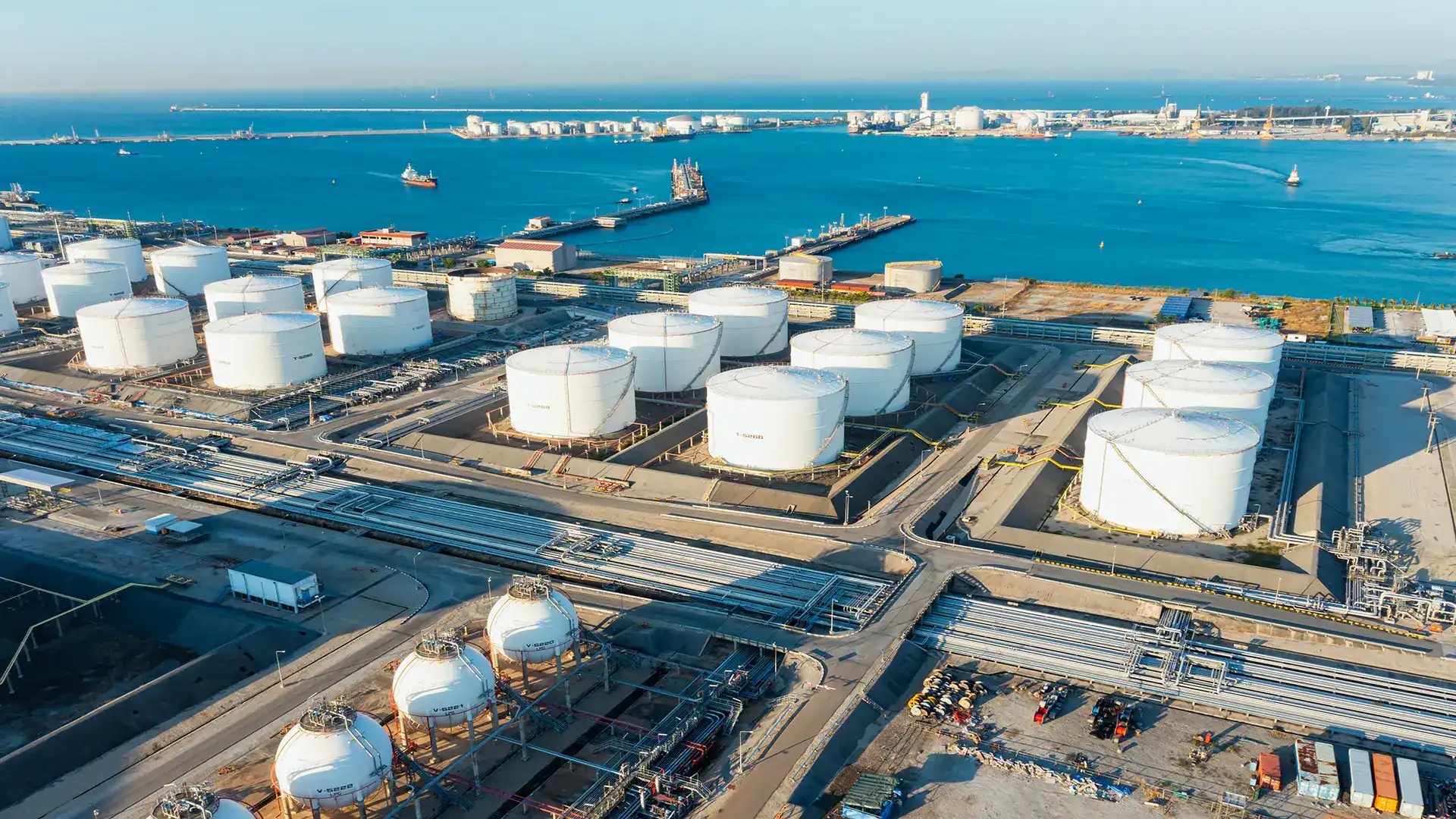
Europe enters the 2026-27 winter with gas storage at its lowest late-summer level since 2011. Data from Gas Infrastructure Europe shows aggregate fill at roughly 65%, compared with a five-year average of 80% for this time of year. The shortfall amounts to tens of terawatt-hours of missing cushion, according to Eurostat energy statistics.
The deficit is not uniform. Germany, which holds the continent's largest storage capacity, sits at 53% full. The Netherlands, a key transit hub, is at 44% at the end of August, down from 63% a year ago and 94% in 2023. The United Kingdom, outside EU mandates, reports just 31%. Ireland has no storage at all.
Iran conflict chokes LNG supply
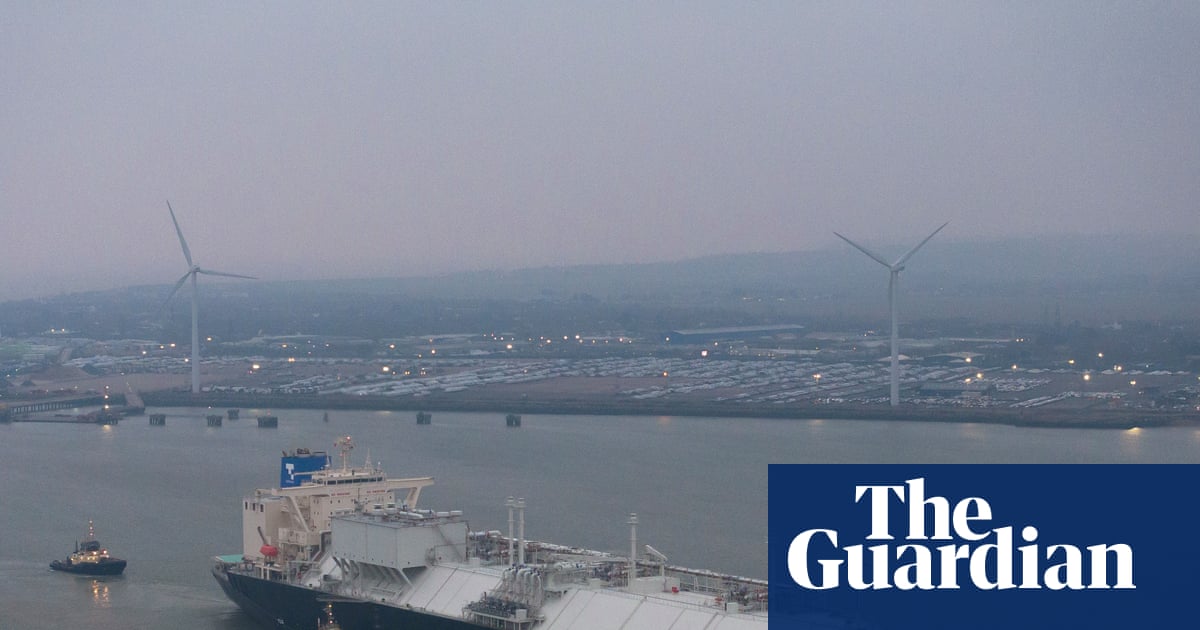
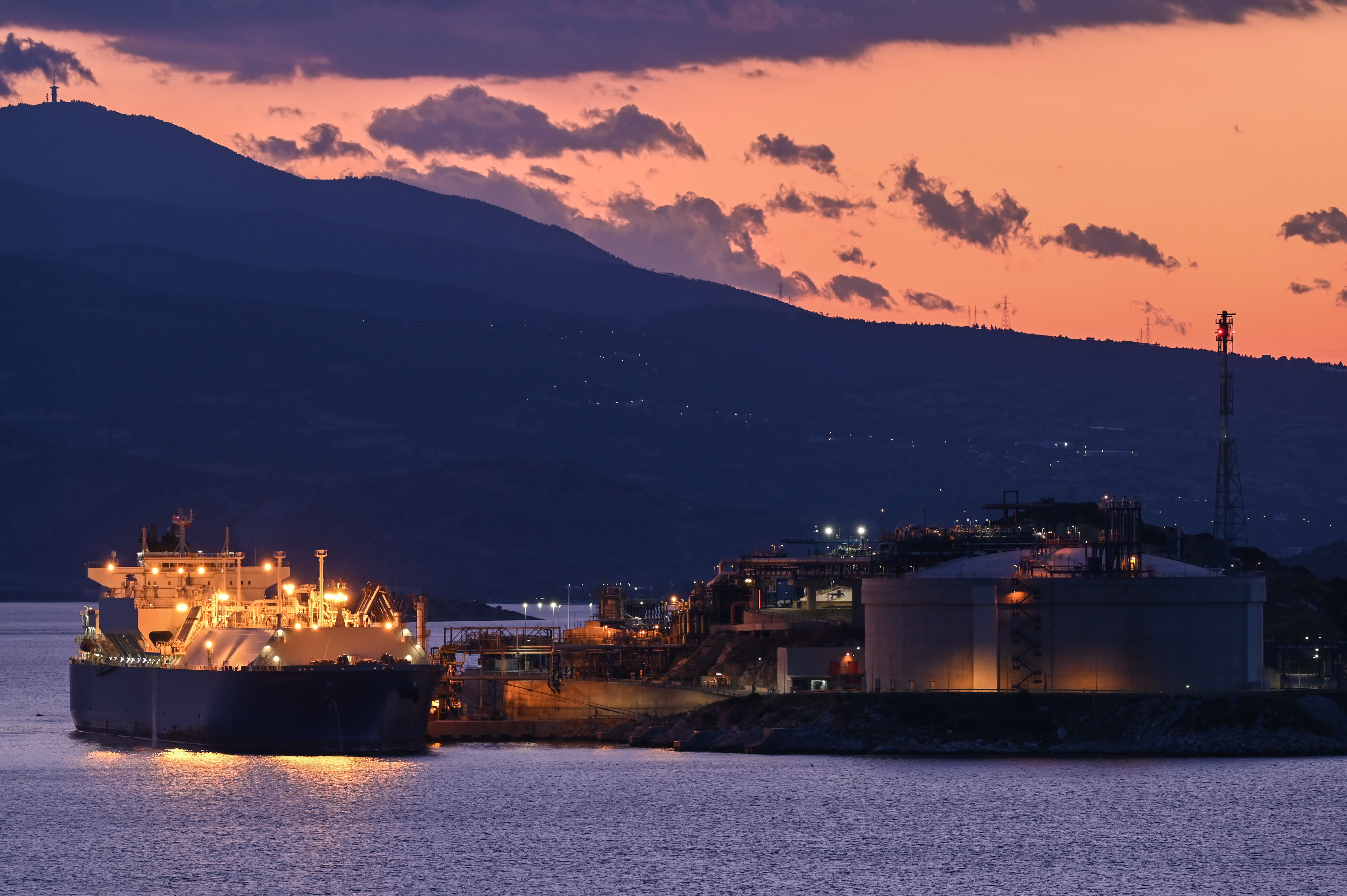
The immediate trigger is the escalation of the Iran conflict, which has again closed the Strait of Hormuz to LNG shipping. Wood Mackenzie estimates that the choke point's closure has taken about 20% of global liquefied natural gas supply offline. Qatar, the world's second-largest exporter, cannot move cargoes, and Asian buyers are outbidding European importers for the remaining spot volumes.
Since the EU severed most Russian pipeline imports in 2022, LNG has grown to cover roughly half of the bloc's gas demand. The European Union is now the world's largest LNG importer, making it acutely sensitive to any disruption in the Middle East, as outlined in the European Commission's energy policy.
Price surge discourages storage injections
High prices are compounding the physical shortfall. The Dutch TTF front-month contract breached €75 per megawatt hour in late August, its highest since the Iran war began in February. In June the same contract traded below €40. At current levels, commercial operators find it more profitable to sell gas into the market than to inject it into caverns for winter.
The EU Agency for the Cooperation of Energy Regulators (ACER) calculated in July that LNG imports would need to rise 13% above 2025 volumes to hit the 90% filling target by November. The softer 80% goal remains theoretically reachable with 2025 import levels, but only if injections accelerate sharply.
National disparities expose systemic weakness
National storage obligations vary, and compliance is faltering. Germany's storage association INES has warned that at current injection rates the country will miss its statutory 70% target for 1 November. The Dutch state-owned operator Gasunie has told the news service NU.nl that the national filling target is no longer achievable.
Latvia's storage is also below 50%, while war-damaged Ukraine sits at 33%. The divergence highlights the lack of a truly integrated European storage mechanism; gas cannot move freely from well-filled sites to empty ones because of contractual and infrastructural barriers.
Inland transport bottlenecks compound the problem
Beyond the sea lanes, European inland waterways are running dry. The Rhine's critical gauge at Kaub fell to 15 centimetres on 11 August, the lowest on record. Barges are loading at roughly a quarter of their capacity, and freight rates have exploded: Rotterdam to Cologne rose from €17 to €80 per tonne in six weeks, while Rotterdam to Frankfurt jumped from €29 to €150.
These costs feed directly into the economics of gas-fired power plants and industrial users along the river, adding another layer of price pressure that storage injections cannot easily absorb.
Analysts see no easy path to recovery
Bill Farren-Price, a distinguished research fellow at the Oxford Institute for Energy Studies, argues that the EU has little prospect of meeting even its softest storage targets this year. He notes that gas-fired generation jumped from a 13% share in the second quarter to 19% during June heatwaves, as renewables and nuclear faltered. That "demand jumpiness" will persist, leaving minimal room for higher injections.
Farren-Price adds that whatever the trajectory of the Iran conflict, European reliance on just-in-time LNG will be higher this winter, and the storage refill requirement for summer 2027 will be an even steeper mountain to climb.
Winter outlook and the 2027 refill challenge
The coming months will test whether demand destruction, mild weather, or a diplomatic breakthrough in the Gulf can close the gap. But the structural lesson is already clear: a storage system designed for predictable pipeline flows is ill-suited to a world where marginal supply comes from a contested strait and a drought-prone river.
People mentioned
-
Bill Farren-Price
Organisations
Gas Infrastructure Europe · Wood Mackenzie · Oxford Institute for Energy Studies · ACER · Gasunie · INES