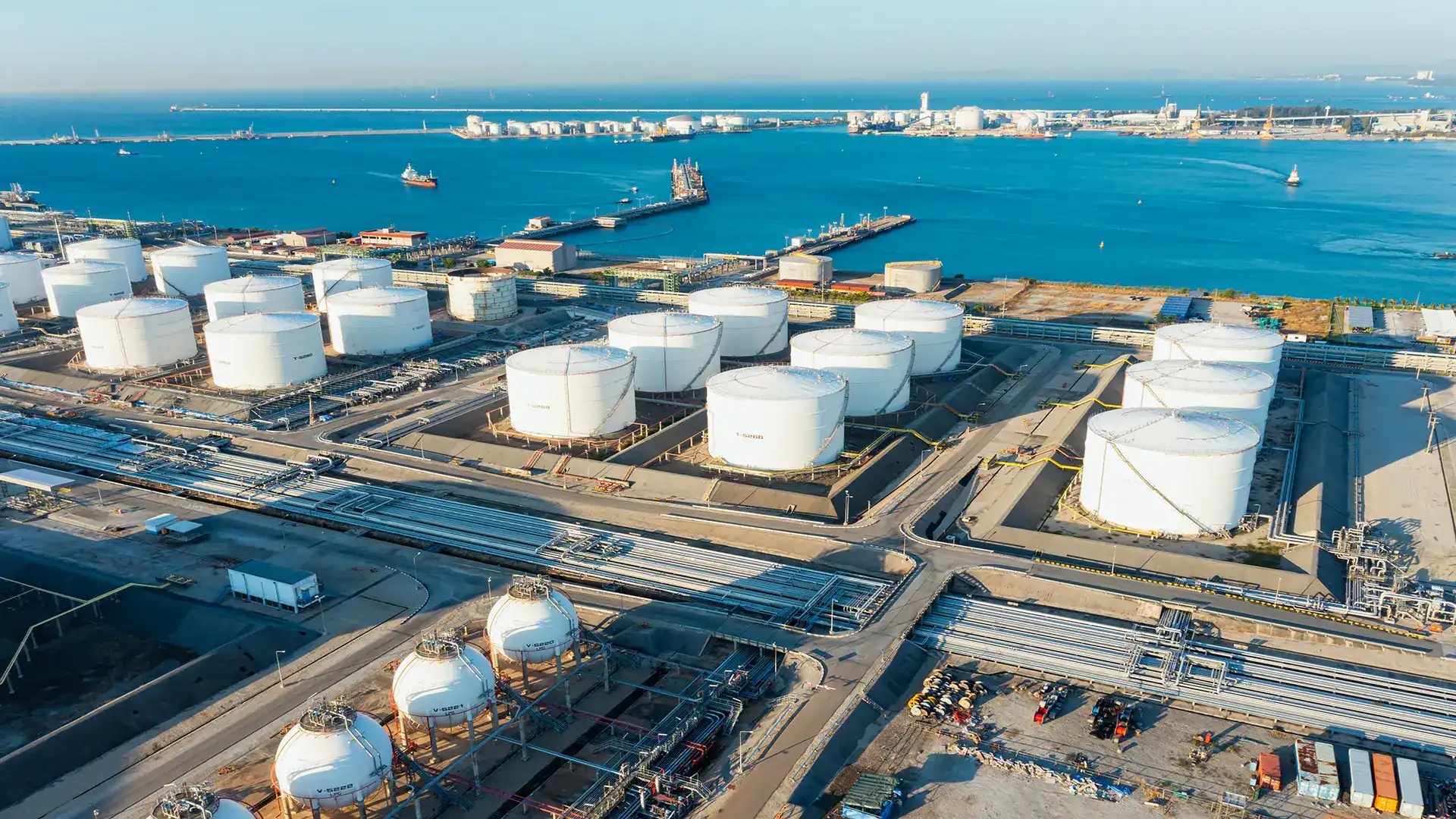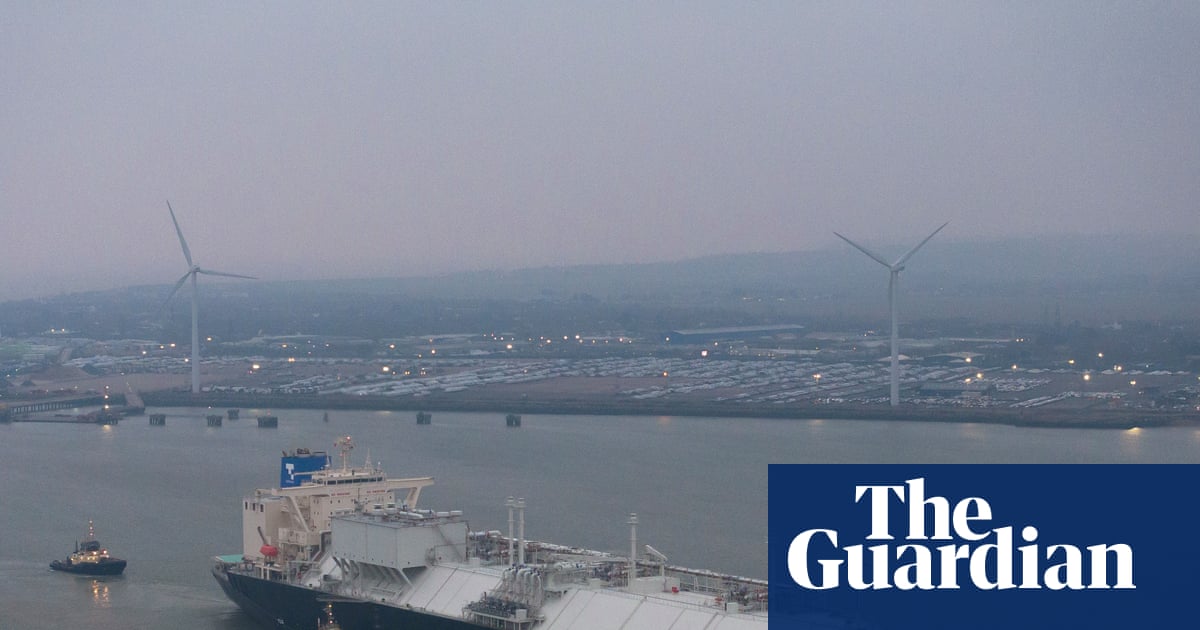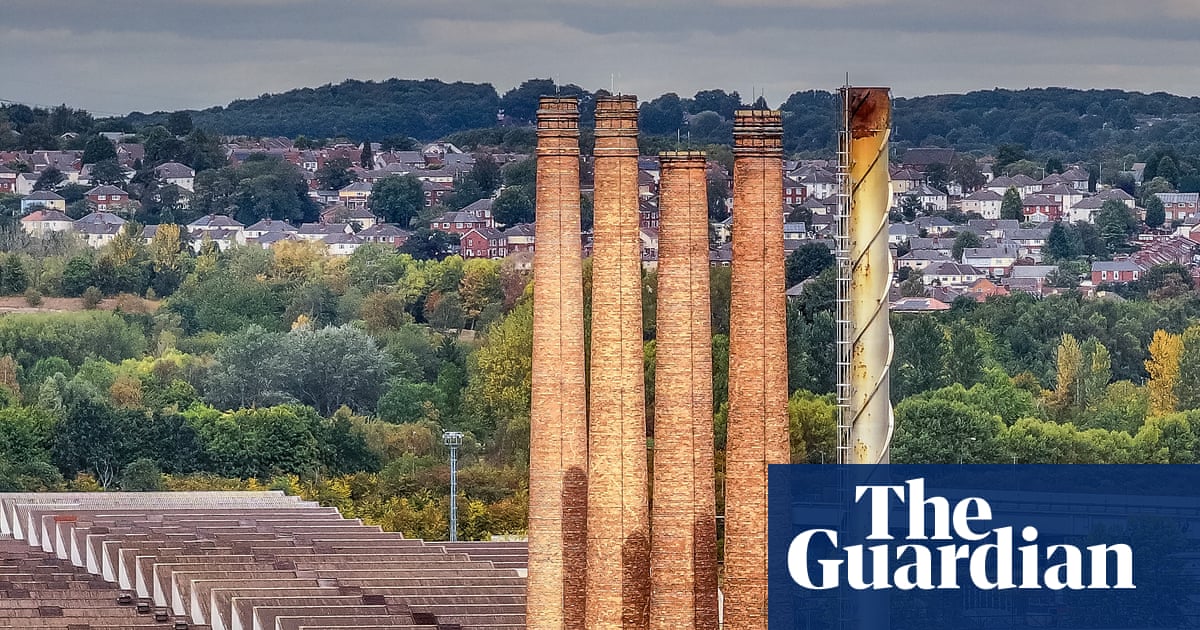
The numbers are stark. British wholesale gas hit 205p per therm this week, more than double the 102p recorded in June and the highest level since the early months of Russia's full-scale invasion of Ukraine. Across the Channel, European storage facilities sit at 67 percent of capacity, the lowest seasonal fill in over a decade. Germany, which holds the continent's largest storage volume, is roughly half full and will miss its statutory 70 percent target. The Netherlands will miss its 80 percent goal too.
A supply shock with a clear origin
The trigger is not in Europe but in the Gulf. Since Iran began targeting shipping in the Strait of Hormuz, the narrow passage carrying roughly a fifth of global oil and liquefied natural gas, the flow of cargoes that normally tops up European tanks through the summer has been throttled. Prices normally dip between April and October; this year they climbed. Oil reached $107 a barrel this week as the United States and Iran exchanged strikes. For a continent that imports the bulk of its gas, the arithmetic is unforgiving.
Britain is unusually exposed. It imports about 70 percent of its gas and has some of the lowest domestic storage capacity in Europe, relying instead on pipeline flows from the continent and tankers from the United States and the Middle East. Chris O'Shea, chief executive of Centrica, put it bluntly last month: Britain has "almost no gas in storage" for the winter ahead. The Office for National Statistics tracks these import dependencies in its monthly energy price indices.
Industry feels the squeeze first
At Bridgnorth Aluminium in Shropshire, the combined gas and electricity bill runs to £1.1 million a month, 18 percent of total costs and rising. The company's contracts contain a price-escalation clause; once gas crosses a threshold, customers pay the difference. That threshold was breached last month. Adrian Musgrave, head of sales, says the clause will be honoured but warns the real test comes at renewal: "They have to pay because it's in the contract, but they will obviously not like it. When it comes up for renewal it will become an issue." The firm is weighing a longer Christmas break and moving planned April maintenance into January to avoid running during peak-price weeks. Employees have noticed. "And then the employees are obviously aware, so then people begin to worry," Musgrave says.
In Hamburg, Alexander Julius of Macrometal Handelsgesellschaft describes a different but related pressure. His steel distribution business competes with producers in regions where energy costs are "significantly lower and where governments provide direct or indirect industrial support." Energy, he says, is not a line item but "a fundamental production input." Instead of support, German Mittelstand firms are "hammered by green taxes while energy rises rocket." Julius, who also heads the trade body Eurometal, estimates manufacturing job losses across Europe could reach 300,000 by year end, compounded by Chinese competition.
Chemicals hit twice
The chemicals sector faces a double bind: gas is both fuel and feedstock. Every price spike hits twice. Francesco Buzzella, president of Italy's Federchimica, calls energy the "primary factor undermining the competitiveness of chemical companies" in the country. Energy now represents 18 percent of the value of everything Italy's chemical industry produces, up from 14 percent in 2021, and could reach 23 percent if gas and oil do not retreat. In Britain, the Chemicals Industry Association reports output down 60 percent since 2021 with at least 25 site closures. Peter Huntsman, chief executive of Huntsman Corporation, told the Guardian in March that continued high prices could force the closure of the group's last UK plant at Wilton on Teesside.
Automotive joins the chorus
Germany's car industry, represented by the VDA, has called for urgent action from Berlin and Brussels. A spokesperson said electricity prices in some cases run three times higher than in the United States, making high energy costs "among the biggest competitive disadvantages of Germany as a business location." The association argues that a jointly supported energy strategy with low electricity prices and future-proof grid infrastructure is now a decisive factor for inward foreign investment. The Eurostat industrial production data already shows the strain in energy-intensive sectors across the euro area.
Investment decisions on hold
The chill extends to capital expenditure. Bridgnorth's owner, the Belgian industrial group Viohalco, wants to invest further in the Shropshire plant, the UK aluminium market is large and the company wants a bigger share. But Musgrave says the numbers are getting harder to justify to shareholders. "The business conditions for investment are really challenging, and changing quite rapidly." He has been in the industry just over 20 years. The first decade brought macro stability. Then came Brexit, the 2022 energy crisis, Covid, and now this. "You just think you're going to get a year where maybe it won't be too much change. But it just keeps coming."
Policy response remains fragmented
National governments and EU institutions have so far offered targeted relief, price caps, tax deferrals, state aid approvals, but no coordinated strategy that addresses the structural gap between European and US energy costs. The European Commission's REPowerEU plan aimed to end reliance on Russian gas; it did not anticipate a Hormuz closure. Germany's industry ministry has discussed a bridge electricity price for energy-intensive firms, but coalition disagreements have stalled legislation. France, with its nuclear fleet, is less exposed but not immune: its industry still buys gas on the same global market. The European Central Bank has noted the inflationary impact of energy shocks in its recent monetary policy accounts.
People mentioned
-
Adrian Musgrave
-
Francesco Buzzella
Organisations
Bridgnorth Aluminium · Centrica · Macrometal Handelsgesellschaft · Eurometal · Eurofer · Federchimica