One in four new cars sold worldwide last year was electric. The International Energy Agency puts the 2025 total above 20 million units, a figure that would have seemed implausible a decade ago. Yet the more consequential number may be the one that receives less attention: electricity still provides only about 20 percent of final energy demand globally, according to the World Resources Institute.
The efficiency gap that changes the economics
The shift toward electricity is not merely a substitution of one energy carrier for another. It is an efficiency revolution. A combustion engine discards as much as 80 percent of the energy contained in its fuel as waste heat. An electric motor turns roughly 80 percent of electrical input into useful motion. Heat pumps go further, delivering several units of heat for each unit of electricity consumed. The implication is straightforward: an economy can increase its electricity consumption while reducing its total energy use, because each unit of electricity does more work.
This efficiency dividend explains why the conversation has moved beyond climate targets. As Perry of the WRI Polsky Center puts it, electrification is now a question of "affordability, competitiveness, energy security and resilience to volatile fossil fuel markets." WRI cites analysis suggesting a typical European household that electrifies heating and transport could cut its overall energy bill by more than half. The savings come from avoided petrol and gas purchases, even after accounting for higher electricity costs.
Grids become the binding constraint
If the efficiency argument is settled, the infrastructure argument is not. Electric vehicles, heat pumps, data centres and new industrial plants are all connecting to networks that in many countries were designed for a different era. The challenge is no longer only whether enough power can be generated, but whether it can be delivered at the right place and the right time. Smart charging, thermal storage in buildings, and flexible industrial loads can shift demand away from peak hours, reducing the need for new generation and network reinforcement. Automation makes much of this invisible to consumers.
Kazakhstan's industrial wager
For Kazakhstan, these global trends intersect with a specific domestic agenda. The government wants to expand manufacturing, digital infrastructure and transport, all electricity-intensive. Sultanov argues that the country's energy competitiveness should be measured not by how many kilowatt-hours it generates, but by how much industrial output and added value each megawatt supports. That metric shifts the focus from power plants to grids, storage, demand response and the speed with which new industrial consumers can be connected.
The distinction matters because Kazakhstan does not need to replicate the energy pathways of China, the European Union or the United States. China's electricity share of final energy use approaches 30 percent; the EU and US sit around 21-22 percent. Kazakhstan's starting point, resource base and industrial structure are different. The opportunity, in Sultanov's view, is to capture more of the investment chain domestically, equipment manufacturing, construction, technology services, rather than simply importing hardware and burning more fuel.
Where electrification hits its limits
Perry is clear that the goal is not universal electrification. Primary steelmaking, basic chemicals, long-haul aviation and deep-sea shipping remain stubbornly resistant to direct electrification. Hydrogen, synthetic fuels and carbon capture will likely play larger roles there. The economic logic is to electrify where the efficiency gains are largest, light transport, low-temperature heat, many industrial processes, and deploy alternatives where they are not. That sectoral selectivity should guide both public funding and regulatory design.
The value-per-megawatt metric
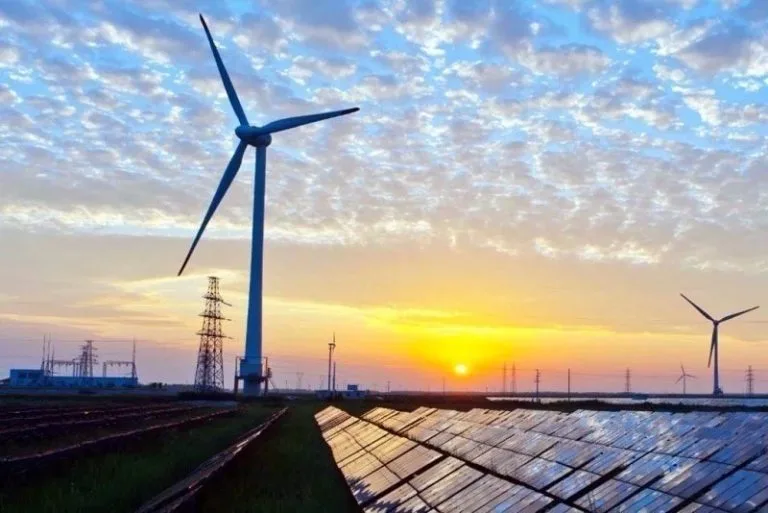
Sultanov's proposal to measure competitiveness by economic output per unit of electricity is more than a statistical tweak. It forces planners to ask whether a new power plant or a demand-side management programme yields more factory output per dollar. It also highlights the cost of curtailment: when wind or solar generation is wasted because the grid cannot absorb it, the economy loses not just electrons but the industrial value they could have created. Kazakhstan's vast renewable potential makes this a live issue.
Policy choices ahead
The next phase of the transition will be decided in grid codes, connection queues and market designs that reward flexibility. For Kazakhstan, the immediate questions are practical: can the system operator manage two-way flows from distributed batteries and EV chargers? Will industrial tariffs encourage load-shifting? Can the permitting process for new grid infrastructure keep pace with factory construction? The answers will determine whether the country's abundant wind and solar resources translate into competitive manufacturing, or remain stranded potential.
People mentioned
-
Clem Perry
-
Ruslan Sultanov
Organisations
World Resources Institute Polsky Center for the Global Energy Transition · International Energy Agency