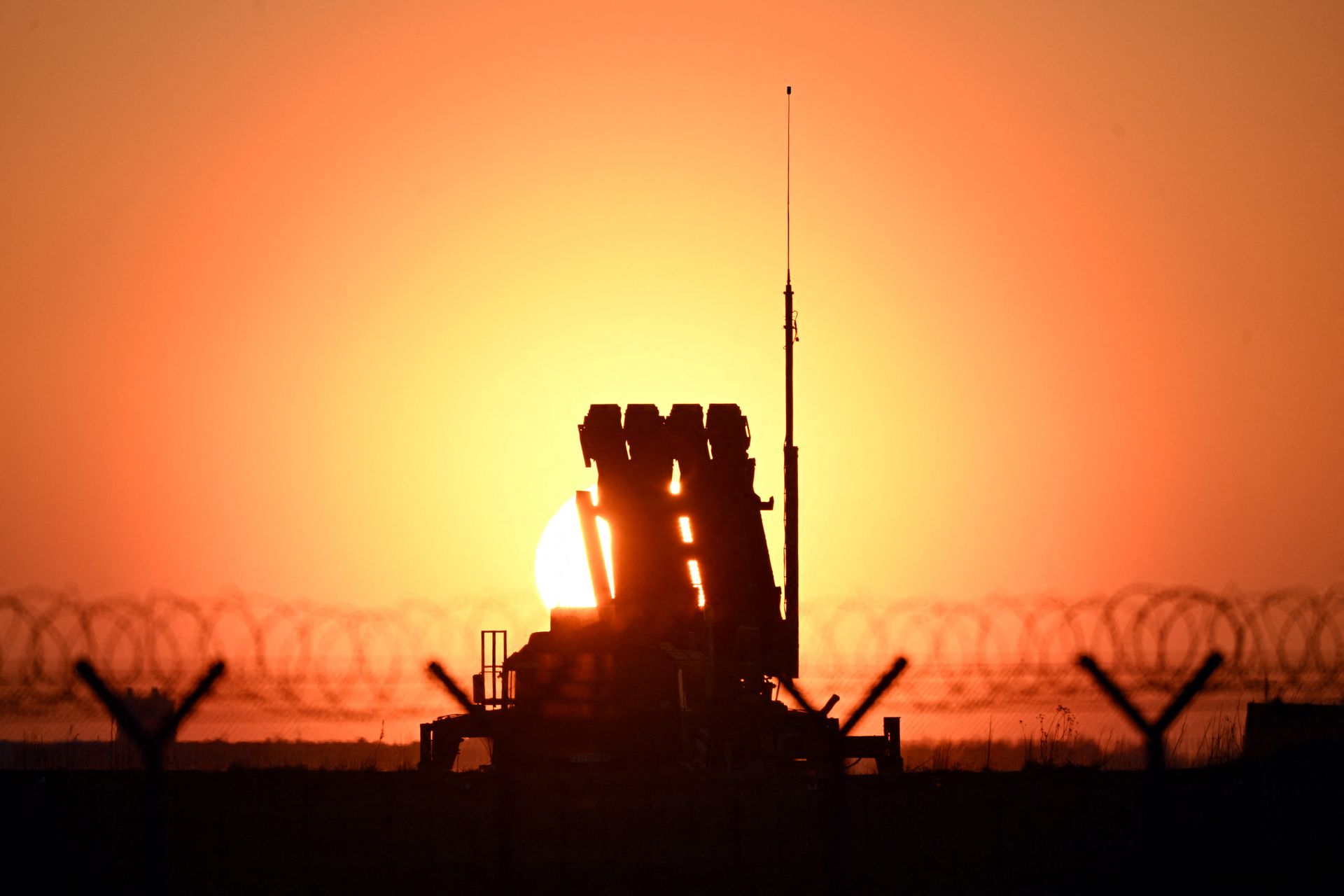
The European Commission has approved a 6.1 billion euro defence aid tranche for Ukraine, completing the full 28.3 billion euros earmarked for Kyiv's military needs under the EU's 90-billion-euro support loan this year. The package, signed off on 11 September, includes authorisation for Ukraine to purchase American-made PAC-3 Patriot interceptors, one of the few weapons systems capable of shooting down Russian ballistic missiles.
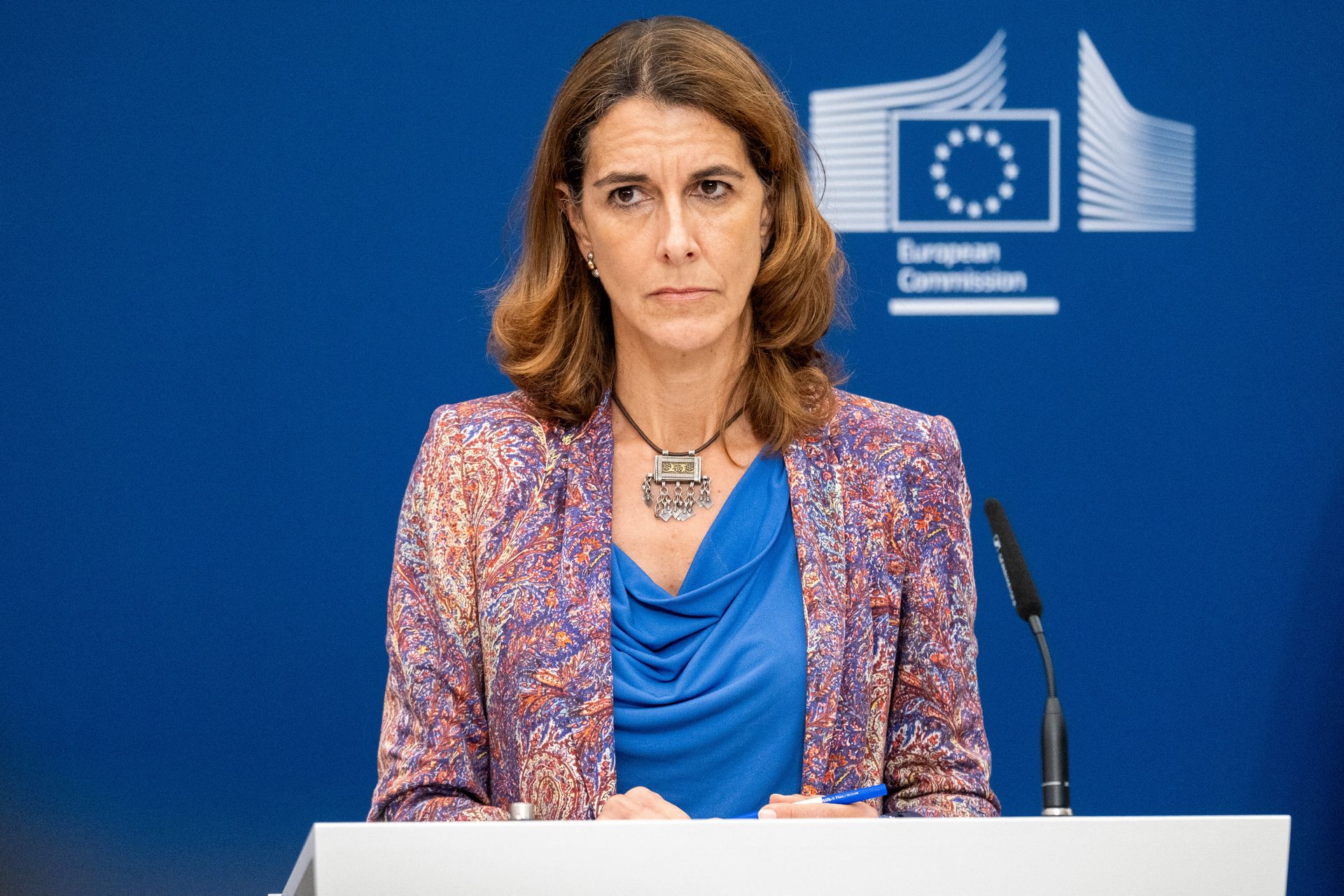
EU member states had already voiced support for the tranche and the Patriot purchase earlier in the week. The Commission's formal approval was the final step required. Andrius Kubilius, the EU Defence Commissioner, confirmed the decision at a press conference in Brussels.
The Patriot exemption
The 90-billion-euro loan, approved by EU member states in April, comes with conditions: Ukraine is expected to source weapons from within the EU and from Ukrainian producers. Any military equipment where more than 35 per cent of the component value originates in a third country requires explicit Commission approval before purchase.
Kubilius confirmed that five such derogations have now been granted. Two cover American components, including the PAC-3 Patriot interceptors. The other three permit Ukrainian companies to source drone components from outside the bloc.
The Patriot system is central to Ukraine's air defence. It is one of very few platforms that can intercept ballistic missiles, and Kyiv has repeatedly pressed Western partners for more of them. But approval to buy is not the same as delivery. There is a global shortage of Patriot interceptors, and Ukraine is preparing for a new wave of Russian strikes against its energy infrastructure this winter. The missiles will arrive when production and existing queues permit, not when the paperwork clears.
"Ukraine's military edge depends on the rapid availability of critical products in the required quantities and within very short time frames," Kubilius said, justifying the exemptions.
Drone components and the China question
The three exemptions for drone components are less straightforward than the Patriot decision. Kubilius did not specify which countries would supply those parts. But an earlier derogation, granted in April, allowed Kyiv to source drone components from China, a fact that sits uncomfortably alongside the EU's broader effort to reduce strategic dependence on Chinese technology in sensitive sectors.
Ukraine's domestic drone industry has expanded rapidly since 2022, and sourcing affordable components at scale is essential to that expansion. The practical argument is clear: cheaper parts mean more drones on the front line. The political calculation is less so. The EU has spent years tightening controls on Chinese technology, and approving Chinese components for weapons used on a European battlefield sends a mixed signal about how seriously those controls are taken when military necessity intrudes.
The gap between approval and cash
Of the 28.3 billion euros now approved for Ukraine's defence this year, only 8.4 billion has actually been disbursed. A further 4.7 billion is being processed, Kubilius said.
The disbursement mechanism requires Ukraine to submit receipts, which are then cross-checked before funds are released. It is a system designed to prevent fraud and ensure accountability, but it also means that the gap between political announcements and money reaching Kyiv can stretch to months. A billion euros approved in Brussels does not buy ammunition in Donetsk until it clears the disbursement process and enters the procurement chain.
How the 90-billion-euro loan works
The broader support loan, worth 90 billion euros (approximately 104 billion dollars), was approved in April and is intended to cover roughly two-thirds of Ukraine's defence and budgetary needs across 2026 and 2027. It is delivered in tranches, not as a lump sum. The Council of the EU's Ukraine support pages outline the structure of the programme.
The loan reflects a shift in how the EU funds Ukraine's war effort. Earlier military support came largely through ad hoc contributions from individual member states. The new structure centralises procurement and sets conditions on sourcing, aiming to build European and Ukrainian defence industrial capacity alongside the immediate military purpose.
The 35 per cent third-country threshold is the mechanism that enforces this industrial policy goal. Every time Ukraine wants to buy equipment that falls outside it, the Commission must decide whether military necessity overrides the preference for EU-sourced supply. The five derogations granted so far suggest that necessity is winning more often than not.
Winter is the real deadline
The timing of the Patriot approval is not accidental. Ukraine's energy grid faces its third winter of sustained Russian bombardment, and air defence interceptors are consumed far faster than they can be replaced. The Commission's decision removes one bureaucratic obstacle, but the physical obstacle remains: production capacity for Patriot interceptors is limited, and multiple countries are competing for the same supply.
People mentioned
Organisations
European Commission