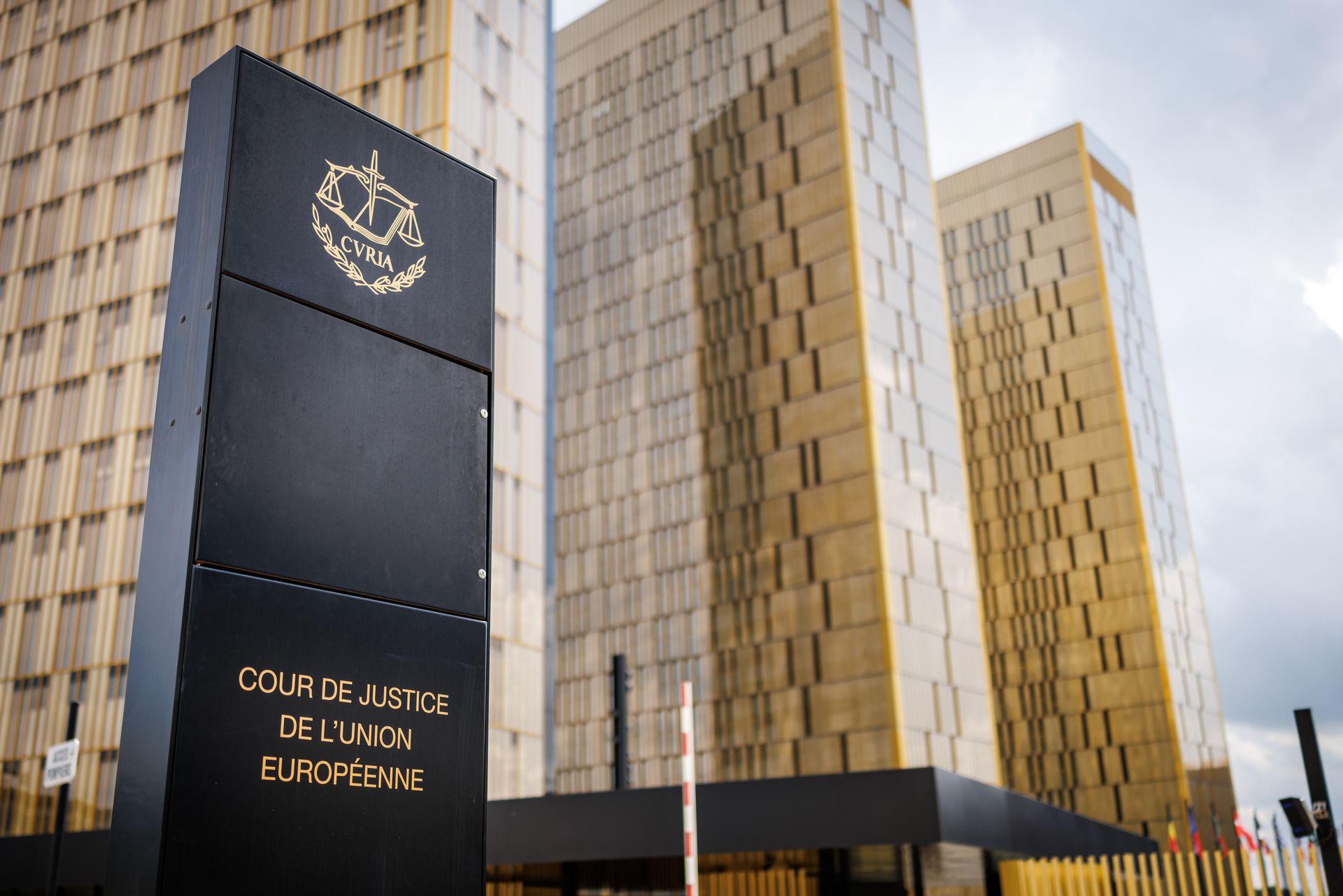
The European Union's highest court has removed a legal barrier to financing military aid for Ukraine with the interest earned on frozen Russian assets. On 9 September the Court of Justice in Luxembourg dismissed a challenge brought by Viktor Orban's government in August 2025, ruling that the case did not fall within the jurisdiction of the EU judicature.
Why the court declined to hear the case
The court's reasoning rests on the legal nature of the European Peace Facility (EPF). Established as an instrument under the EU's Common Foreign and Security Policy (CFSP), the facility operates through agreements concluded by member states rather than through EU legislative acts. The treaties generally exclude CFSP decisions from the court's jurisdiction, a principle the judges reaffirmed. Orban's lawyers had argued that the 2024 decision to channel windfall profits from immobilised Russian central bank reserves into the EPF exceeded the facility's legal basis, but the court never reached the merits.
How the European Peace Facility evolved
The EPF was created in 2021 as an off-budget mechanism to fund conflict prevention and non-lethal assistance to partner countries, financed by direct contributions from member states calibrated to their gross national income. Russia's full-scale invasion of Ukraine in February 2022 prompted a rapid expansion of its mandate to cover lethal aid. Since then the facility has reimbursed member states for €11.1 billion worth of equipment supplied to Kyiv, according to Council figures.
In 2024 member states agreed to top up the EPF with the extraordinary revenues generated by the more than €200 billion of Russian sovereign assets immobilised in EU depositories. The interest on those assets, estimated at several billion euros a year, is now earmarked for Ukrainian defence purchases. The arrangement was designed to reduce the burden on national budgets while keeping the facility's intergovernmental governance intact.
Orban's obstruction and its aftermath
Hungary under Orban did not limit itself to the court challenge. Budapest also blocked the EPF's reimbursement mechanism, preventing member states from being compensated for weapons already delivered to Ukraine. That veto remained in place after Orban's Fidesz party lost the April 2026 general election, because the new coalition government and its EU partners could not agree on how to balance reimbursement of past contributions against fresh funding for future deliveries.
The deadlock left several capitals, notably Warsaw and Prague, carrying large unreimbursed claims. Diplomatic sources say the outstanding amounts run into hundreds of millions of euros, creating friction in the Council's working groups on defence.
A shift in Budapest's tone
Peter Magyar, who became prime minister in May 2026, has not commented publicly on the court case but has signalled a more cooperative stance toward Brussels. His government has repeatedly ruled out sending Hungarian weapons or personnel to Ukraine, citing the country's security doctrine. At the same time Magyar has affirmed Ukraine's right to self-defence and pledged not to obstruct assistance from other member states, a position that contrasts with his predecessor's active vetoes.
Kallas sees a breakthrough
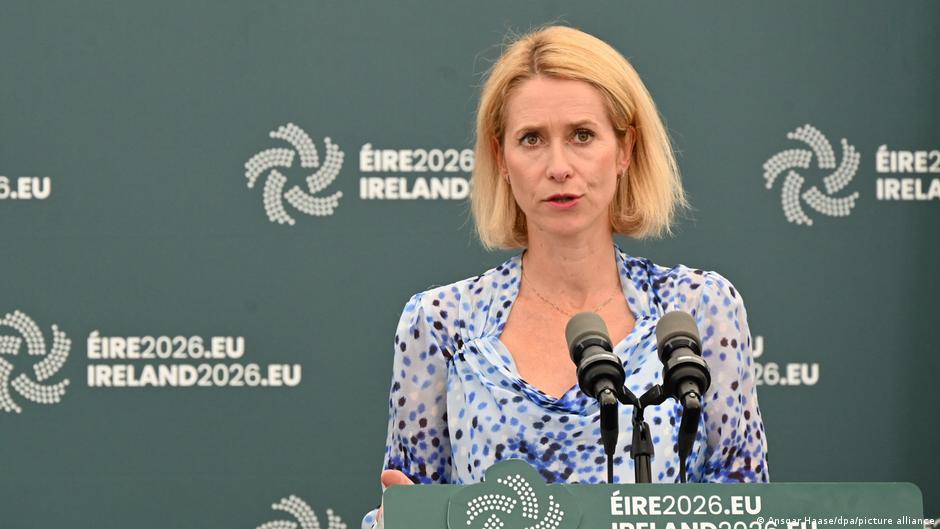
Speaking after a meeting of EU defence ministers in Brussels on 1 September, High Representative Kaja Kallas expressed confidence that the reimbursement deadlock would be broken soon. "I think it's very clear that there is a determination to unlock the European Peace Facility, and that's something that we will work on very closely," she said. Officials involved in the talks say the compromise under discussion would phase reimbursement of legacy claims over two years while immediately releasing the Russian asset interest for new procurement.
What happens next
The Council's Political and Security Committee is expected to finalise the reimbursement compromise before the foreign affairs council on 14 October. If approved, the first tranche of Russian asset interest, estimated at €1.5 billion for 2024, would flow into the EPF by year-end. The court's dismissal means no further judicial review is possible at EU level, though Hungary could still raise political objections in the Council. The next test will be whether Magyar's government honours its pledge not to block consensus.
People mentioned
Organisations
Court of Justice of the European Union · European Peace Facility · European Union