Diplomatic tensions between Berlin and Moscow have intensified following a failed drone attack on German soil, prompting a coordinated response from European allies. German authorities formally accused Russian state entities of controlling an explosive-laden unmanned aircraft discovered at Leipzig/Halle Airport earlier this month. The facility serves as a critical logistics hub for military aid destined for Ukraine, making the attempted sabotage a direct challenge to European security infrastructure.
In response, the German government has ordered the closure of a Russian diplomatic mission in Bonn and imposed stricter visa requirements on Russian travellers. Berlin is also urging the European Union to expand sanctions targeting Moscow's shadow fleet of oil tankers and cargo vessels. Russian President Vladimir Putin has rejected the allegations, claiming evidence was planted to distract from domestic political issues in Germany.
Allied Coordination and Diplomatic Measures
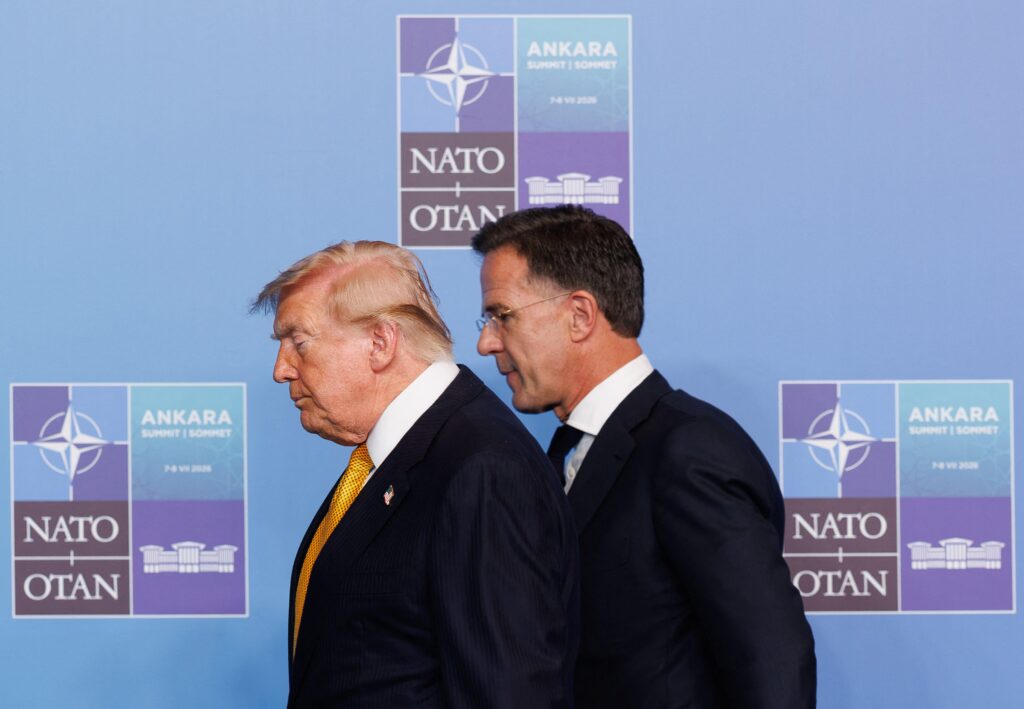
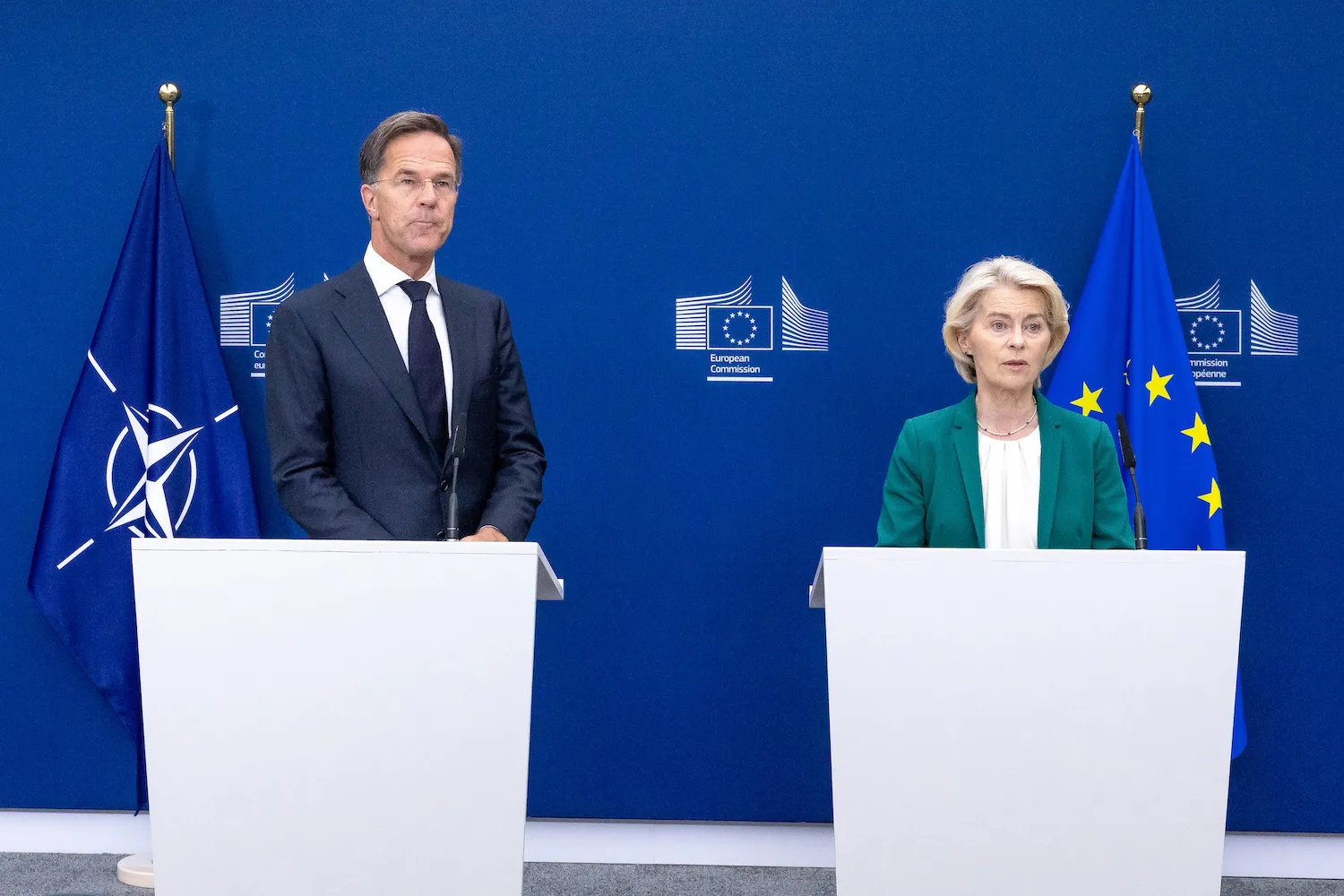
The incident has triggered a broader mobilisation across NATO and EU capitals. European Commission President Ursula von der Leyen confirmed the bloc's full solidarity with Germany, promising to increase pressure on Moscow rather than simply maintaining existing measures. NATO Secretary General Mark Rutte described the alliance's commitment to collective defence as ironclad, vowing to strengthen deterrence capabilities against hybrid threats.
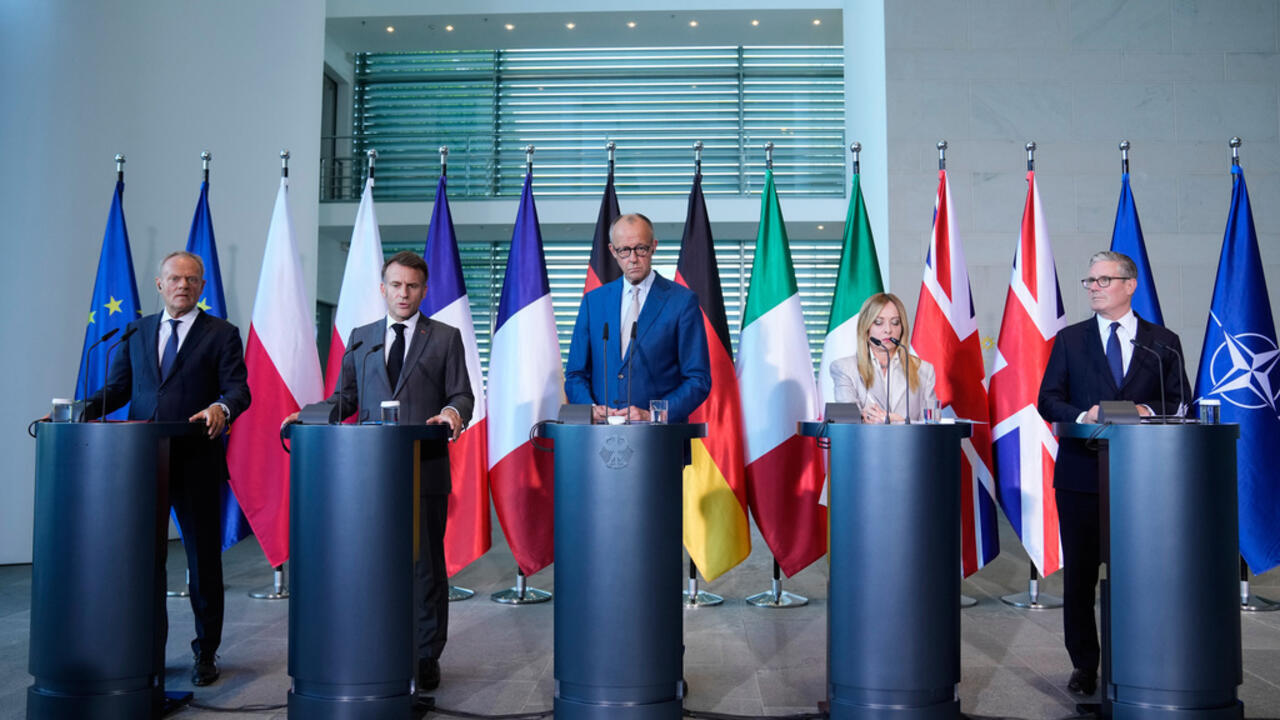
Foreign ministers from Belgium, France, and the Netherlands summoned Russian ambassadors during a meeting in Ireland to protest the operation. French Foreign Minister Jean-Noël Barrot stated that such acts would not go unpunished. The Czech Republic, Denmark, Finland, Lithuania, Poland, and the United Kingdom have since followed suit, recalling senior Russian diplomats for discussions regarding what London termed an egregious attack.
Moscow has responded with reciprocal measures. Russian Foreign Minister Sergey Lavrov announced plans to shutter German cultural centers across Russia, signalling the end of Berlin's cultural presence in the country. This exchange marks a significant deterioration in relations, moving beyond rhetoric to tangible reductions in diplomatic and cultural engagement.
Defense Procurement Integrity Under Scrutiny
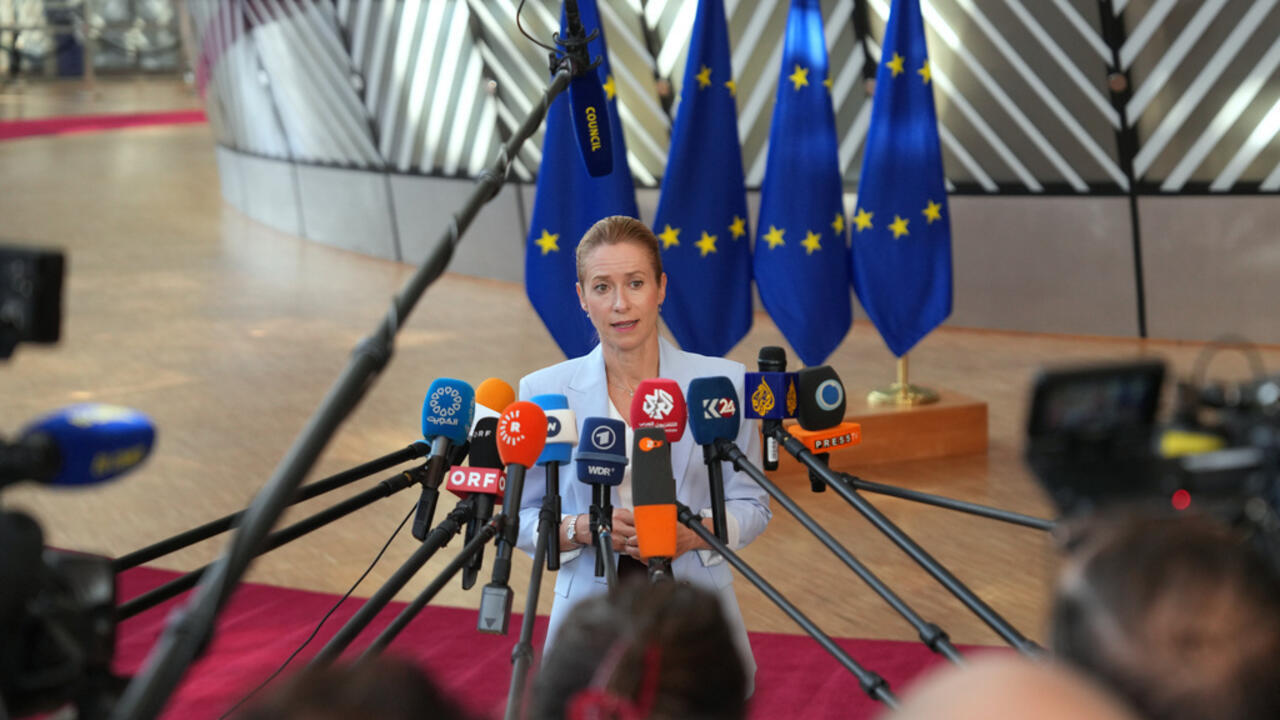
While external threats mount, internal vulnerabilities within European defence structures have also surfaced. Estonian Defence Minister Hanno Pevkur resigned following a National Audit Office report detailing failures in an 81 million dollar artillery contract. The agreement, funded through the EU's European Peace Facility, involved purchasing shells from an Italian-registered company owned by an India-based firm.
Shipments were delayed for months, and upon arrival, the ammunition was deemed insufficient quality. It emerged that the supplier had no prior history of selling artillery shells. Pevkur accepted responsibility for the ministry's failings despite not being personally involved in negotiations. The Estonian Prosecutor's Office is now examining the report as part of a criminal investigation into the Defence Ministry's accounting practices.
Border Security and Migration Pressures
Security challenges extend beyond conventional defence into border management. In Spain, Prime Minister Pedro Sánchez faced parliamentary questioning over a mass migrant crossing into the exclave of Ceuta in late July. Approximately 70,000 people initially entered the territory, with 5,000 remaining stranded weeks later. Sánchez denied claims that Morocco orchestrated the incident, stating no international body had provided solid evidence of Rabat's involvement.
Meanwhile, British Prime Minister Andy Burnham hosted French President Emmanuel Macron to discuss migration cooperation. Although Channel crossings dropped 43 percent in 2026 compared to the previous year, smugglers are deploying larger vessels capable of carrying over 200 individuals. London and Paris agreed to increase the number of French officers tackling the issue to nearly 1,050 personnel.
These parallel developments highlight the multifaceted nature of European security in 2026. From drone attacks on logistics hubs to procurement scandals and border pressures, governments are managing simultaneous crises. The response to the Leipzig incident suggests a willingness to coordinate, but the Estonia scandal reveals weaknesses in supply chain verification that adversaries could exploit.
As diplomatic channels narrow between Berlin and Moscow, the focus shifts to implementation. Sanctions on the shadow fleet require unanimous EU approval, which can be slow. Similarly, defence procurement reforms needed to prevent future contract failures will take time to legislate. For now, the immediate priority remains securing critical infrastructure against further hybrid attempts.
People mentioned
Organisations
European Commission · NATO · Russian Government · German Government · Estonian Ministry of Defence