Voters across Iceland are casting ballots on Saturday to determine whether the country should resume accession negotiations with the European Union. The referendum question is specific: it asks only if talks should restart, not whether to join immediately. Yet the outcome will define the island nation's strategic orientation for the next decade. Polling suggests a finely divided electorate, with the latest survey showing the No campaign leading at 51.6%, reversing an earlier trend that favoured the Yes side. Results are expected in the early hours of Sunday following a voting window extending from 09:00 to 22:00 GMT.
Prime Minister Kristrún Frostadóttir's centre-left government accelerated the timeline for this vote, citing turbulent international affairs as the catalyst. While security concerns provided the initial impulse, the campaign itself has pivoted toward domestic economic sovereignty. The debate centres on whether Iceland's prosperity, currently ranking fifth globally in GDP per capita, is better served by independent control over resources or integration into the European single market's deeper structures. More than one in five voters cast ballots during the early voting period, indicating high engagement in a population of under 400,000.
The fisheries veto remains the central obstacle
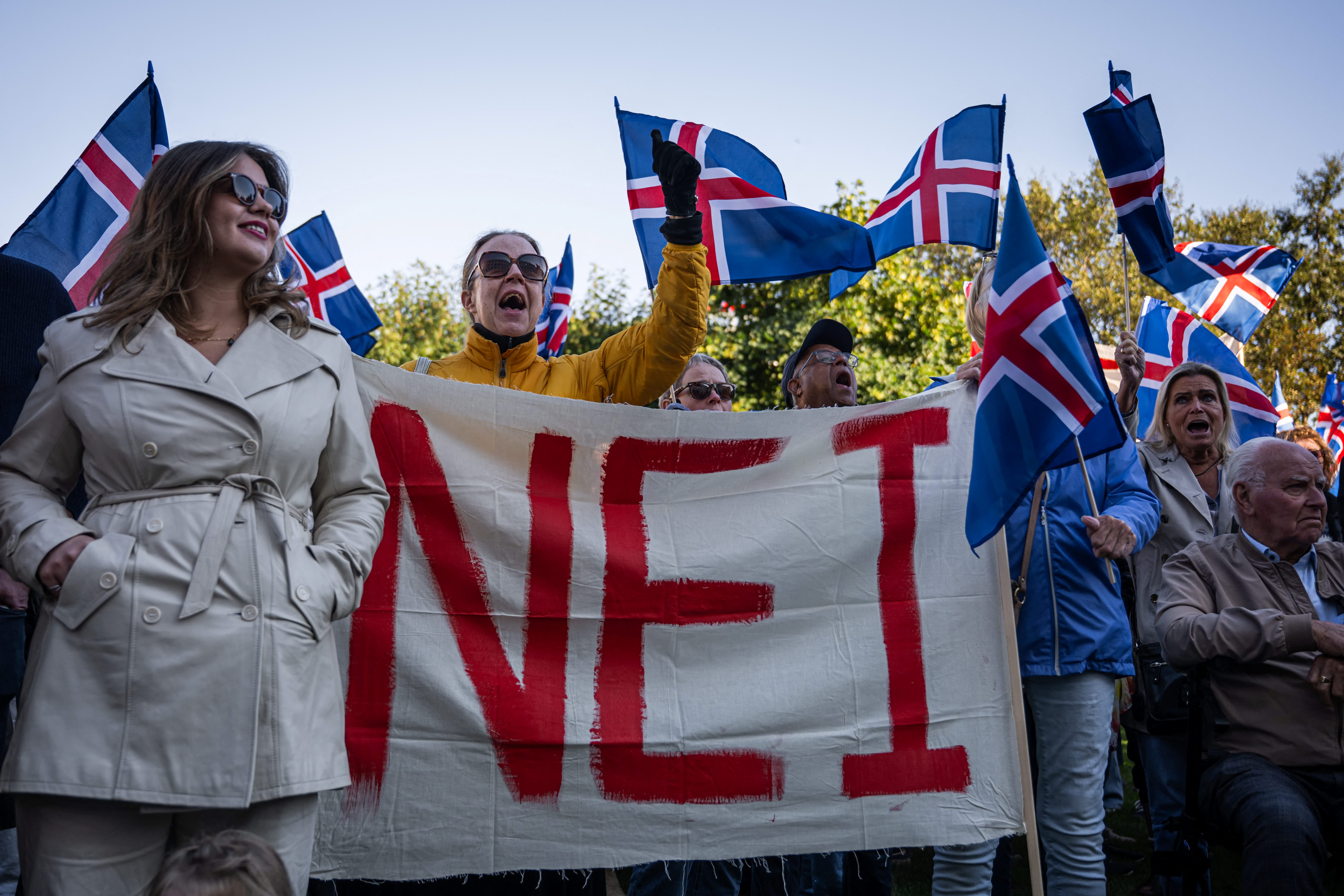
Any accession agreement hinges on the Common Fisheries Policy, a cornerstone of EU law that mandates equal access to member states' waters. For Iceland, this presents an existential economic conflict. The fishing and marine industries constitute almost 40% of total exports, making control over exclusive economic zones a matter of national survival rather than mere regulatory adjustment. The No campaign has vowed never to share the country's waters, invoking historical memory of the Cod Wars with the United Kingdom in the 1970s. Those conflicts established Iceland's authority over its coastal stocks, a sovereignty voters are reluctant to surrender.
Brussels has indicated that some form of exemption might be negotiable, yet precedent suggests such carve-outs are difficult to sustain within the union's legal framework. Previous accession talks halted in 2013 largely because of this impasse. At that time, 27 of the 35 negotiation chapters had opened, with 11 provisionally closed. European Commission officials now estimate that finalising talks could take one or two years if negotiations resume. However, the legal requirement to amend the constitution and secure approval from all 27 existing member states adds layers of complexity beyond the technical chapters.
Economic pressure drives the Yes argument
Proponents of membership argue that economic integration offers stability that independence currently cannot guarantee. Iceland is experiencing stubbornly high interest rates at 8% alongside inflation that has climbed to 5.6%. Yes campaigners contend that adopting the euro and integrating fully with the European Central Bank's monetary policy would lower borrowing costs and stabilize prices. This argument appeals to voters feeling the pinch of a cost of living crisis that surveys suggest makes Iceland the most expensive country in the world, far pricier than its Nordic neighbours.
The country already participates in the European single market and the Schengen border-free zone through the European Economic Area agreement. However, membership would bring Iceland into the customs union, removing remaining trade friction and granting full influence over the rules it currently adopts without a vote. The Yes-campaign group "Yes to See" frames the referendum as an informational step, arguing citizens should evaluate a concrete deal before making a final decision on joining. This two-stage process means a Yes vote on Saturday is not binding for accession itself.
Security architecture and geopolitical shifts
Security policy provided the initial rationale for bringing the referendum forward, though analysts suggest it has receded during the campaign. Iceland is a founder member of Nato but maintains no standing military, relying on allies for defence. A bilateral defence agreement with the United States has been in place since 1951. The No campaign insists security rests on Nato and the US, arguing EU membership is not a substitute for the transatlantic alliance. Recent Russian maritime manoeuvres near the island have heightened official alarm, reinforcing the government's view that deeper European integration offers protection.
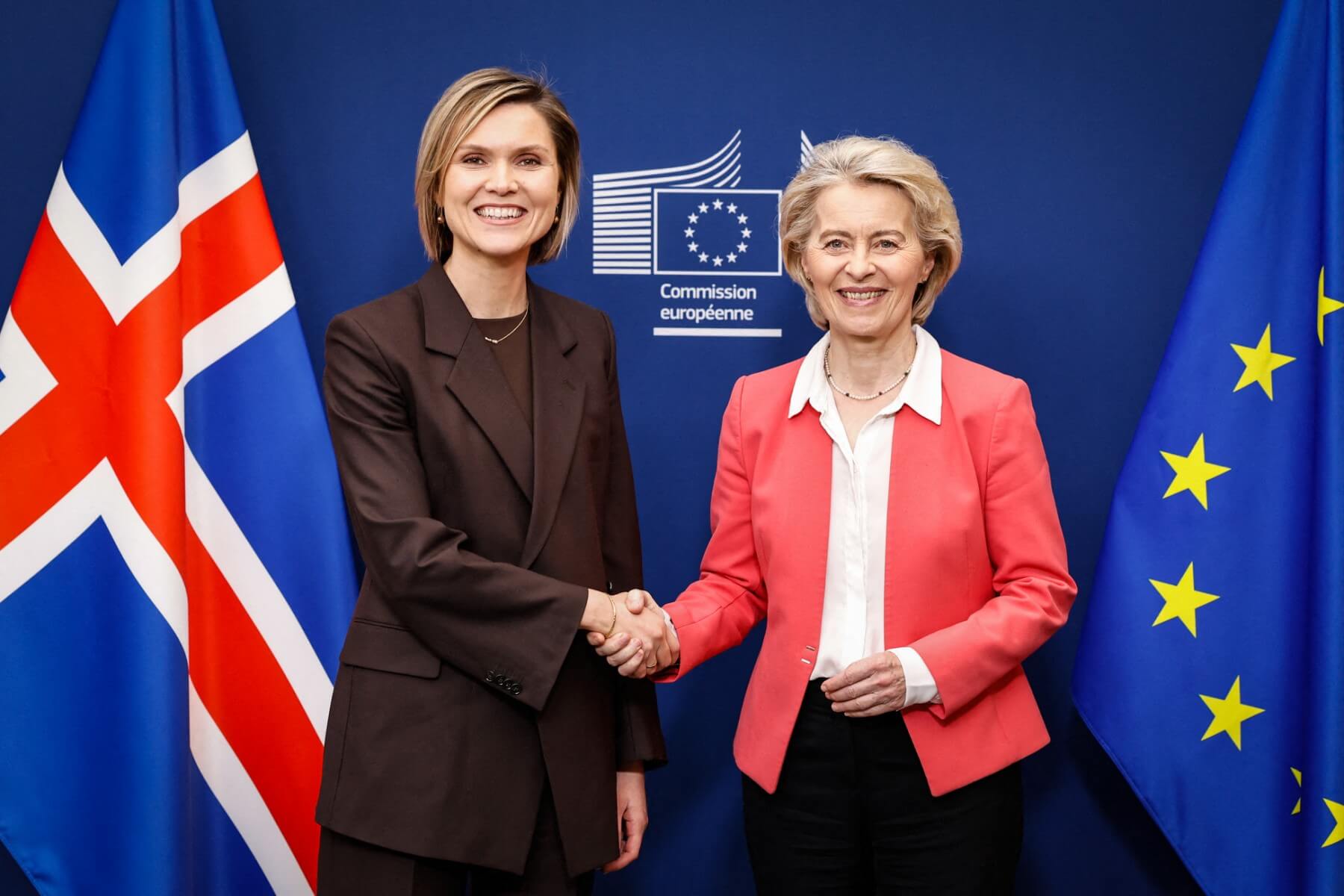
Complicating the security calculus is the political situation in Washington. Concerns have emerged regarding US President Donald Trump's expressed interest in Greenland, including instances where he has confused the territory with Iceland. This uncertainty has prompted Reykjavik to seek additional anchors beyond the US guarantee. Earlier this year, the EU and Iceland signed a security and defence partnership, with officials describing the bloc as an anchor in a community of values. Despite this, Hallgrimur Oddsson, director of the think-tank European Currents, notes geopolitics is lower on the voter agenda than many would think.
A multi-stage process rather than a single decision
Voters should understand that Saturday's ballot does not determine EU membership outright. A Yes vote mandates the government to resume accession negotiations. Any resulting agreement must then be approved by a second referendum, passed by parliament, and ratified through a constitutional amendment. Furthermore, all 27 EU member states must sign off on the accession treaty. Equally, a No vote does not permanently rule out future talks. The legal mechanism allows for the question to be revisited if economic or security conditions deteriorate further, though political momentum would be lost.
The televised debate ahead of the referendum highlighted the stark divergence in framing. Prime Minister Frostadóttir told the audience that Iceland was already well integrated, and becoming a member would be "one of the biggest risk-reducing steps we can take". She emphasised that a Yes vote did not necessarily mean Iceland would join, preserving a layer of democratic control. Guðrún Hafsteinsdóttir, chair of the opposition Independence Party, countered that the vote was about handing decision-making powers to Brussels on fisheries, agriculture and natural resources. She stressed that cooperation with Europe could continue without membership.
Eirikur Bergmann, professor of politics at Bifröst University, observes that many people attribute Iceland's current affluence to its independence. This sentiment underpins the No campaign's narrative that sovereignty itself has economic value. The tension lies between this historical pride and the practical pressures of inflation and security uncertainty. With early voting figures showing high turnout, the result will reflect a calculated assessment of risk. Whether voters prioritise the tangible cost of living or the intangible value of flag sovereignty will determine the outcome.
European institutions are watching closely, though officially maintaining neutrality. The European Commission has indicated readiness to finalise talks quickly if mandated, suggesting the technical work remains viable despite the decade-long pause. However, the political will in capitals like Paris and Berlin to accommodate fisheries exemptions remains untested. Iceland's decision will resonate beyond its own borders, offering a case study on whether the European project can absorb wealthy, sceptical neighbours when the global order becomes less predictable.
People mentioned
Organisations
European Union · European Commission · North Atlantic Treaty Organization · Independence Party · European Currents