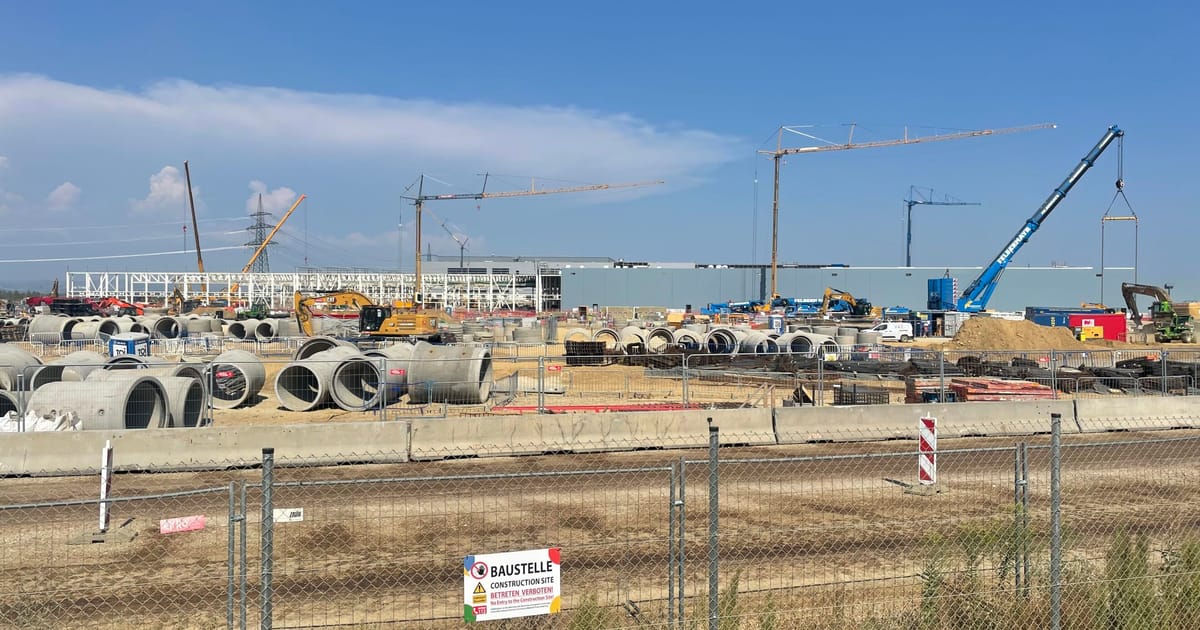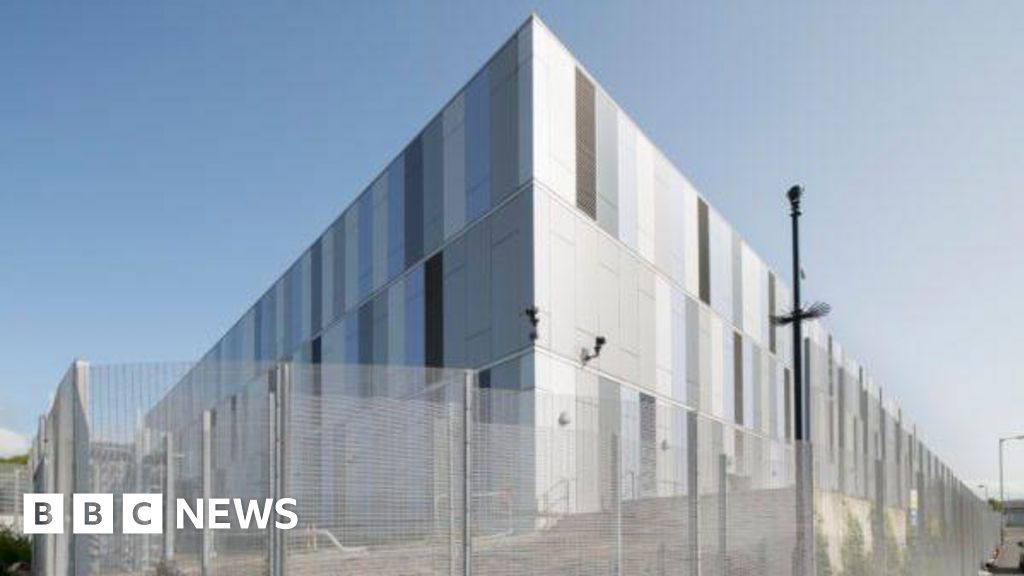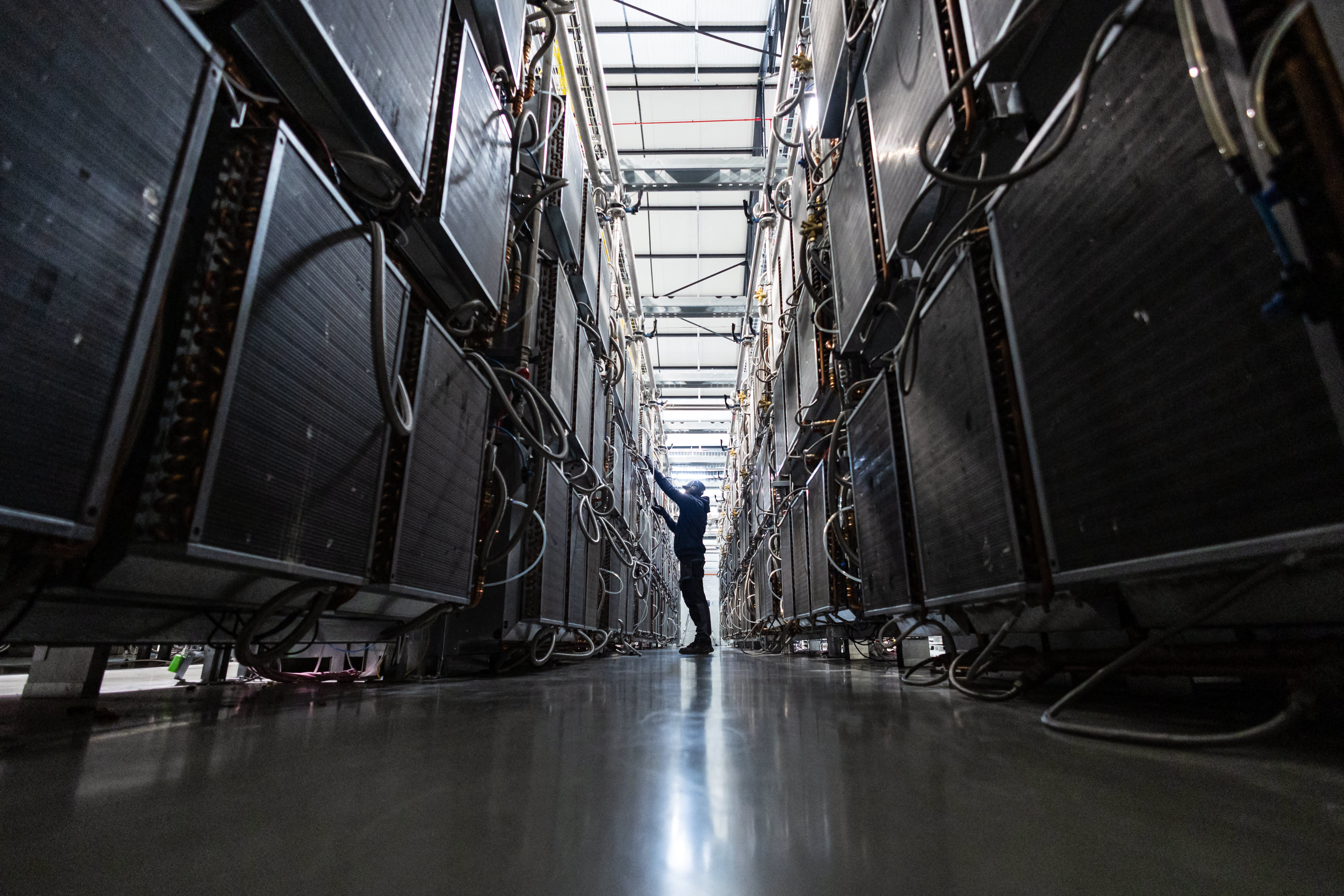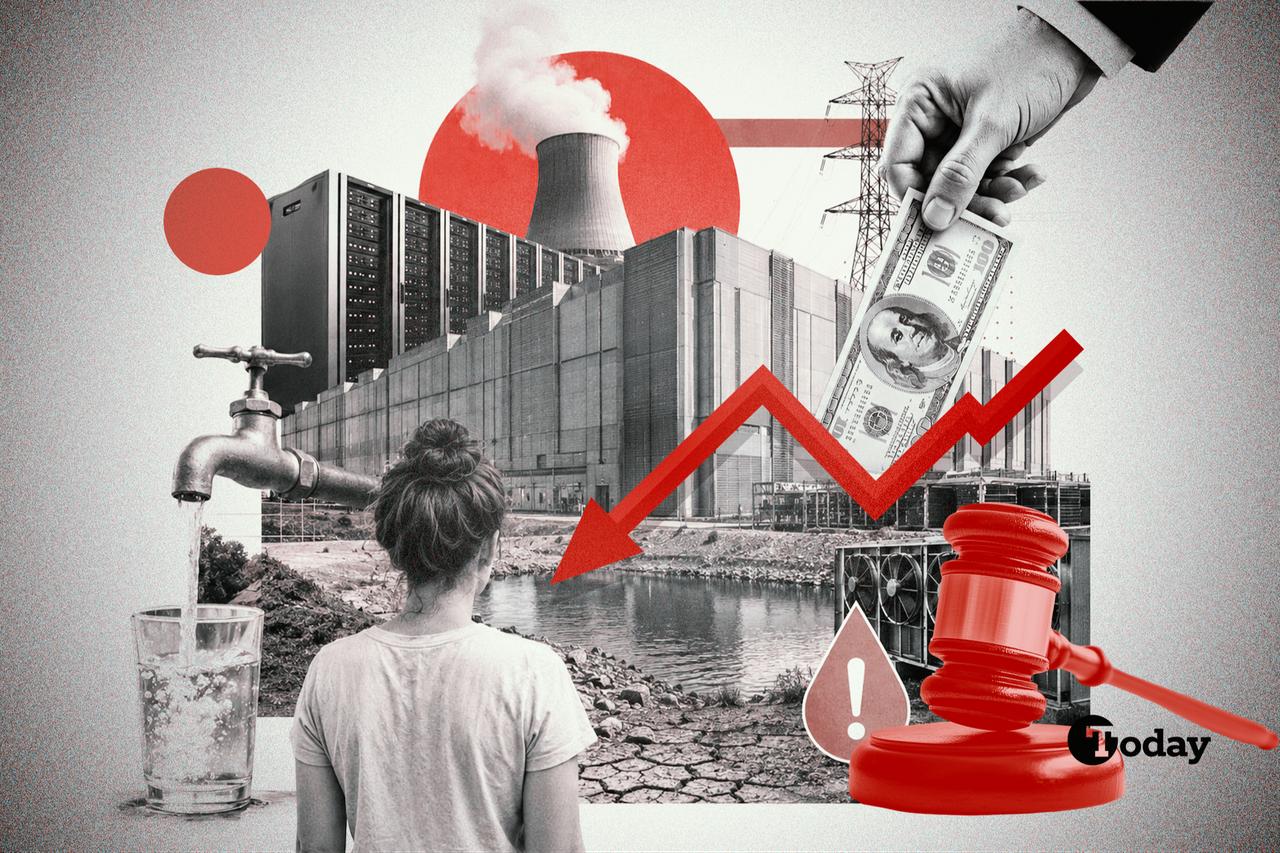
Ireland's data centres consumed 23% of the country's metered electricity last year, nearly as much as every household combined, according to the Central Statistics Office. The figure has quadrupled from 5% in 2015, while residential use stood at 28%. The surge forced the Commission for Regulation of Utilities to freeze new grid connections around Dublin for four years, a restriction only lifted in December 2025 under strict renewable energy conditions.
Ireland's regulatory reckoning
The Irish response has been institutional rather than populist. Where US opposition bubbles up from town halls and neighbourhood groups, Dublin's reckoning arrived via the Commission for Regulation of Utilities. Its 2021 freeze effectively paused hyperscale expansion in the Dublin region, home to the vast majority of the country's 100-plus facilities. The December 2025 decision to reopen connections came with strings: new data centres must secure at least 80% of their annual electricity demand from brand-new renewable projects in Ireland within six years of coming online, and must provide on-site or nearby generation.
That condition is stricter than the corporate power purchase agreements common elsewhere. It forces developers to add renewable capacity to the Irish grid rather than simply reshuffling existing green electrons. Whether the pipeline of planned projects can meet that test will determine if the moratorium holds in practice or becomes a theoretical barrier.
American communities take matters into their own hands
The United States hosts more than 4,000 data centres, with another 1,500 in the pipeline, according to Pew Research Center tracking. Construction spending alone reached $4.4 billion in June 2026, five times the November 2022 level when ChatGPT launched. The building boom has triggered a municipal backlash: more than 500 towns and counties have moved to ban new facilities, a wave that has reached New York and Texas.
Public opposition has hardened fast. Heatmap research in August 2026 found 75% of registered voters would oppose a data centre near their home, up from 42% a year earlier. The shift crosses party lines, with Republicans and Democrats alike citing noise, water use and the sense that local resources are being extracted for distant benefit.
Water, noise and broken appliances
In Georgia, Beverly and Jeff Morris live 300 metres from Meta's $1 billion, 2 million square foot facility. They are among several homeowners suing the company, alleging that construction blasting and excavation since 2018 destroyed their water supply. Their dishwasher, ice maker, washing machine and toilet all failed; water pressure dropped; they spent $5,000 replacing appliances. Meta cites a commissioned study showing groundwater flows away from the plaintiffs' properties and notes all water comes from the local utility. "While we are committed to being a good community partner, we will still defend ourselves from baseless lawsuits," the company said.
In Bristow, Virginia, Donna Gallant describes the noise from Google's "Mango Farm" complex as something that "literally rocks your core." Load tests keep her awake. She installed new windows; the sound still penetrates. Data centres run 24/7, and their cooling systems generate a persistent low-frequency hum that standard insulation barely dampens.
The fiscal bargain wearing thin
Local development authorities have long welcomed data centres with tax incentives, banking on annual payments, Meta pays up to $5 million a year to the Georgia counties involved, according to the complaint. But the calculus is shifting. The jobs are few, the tax base narrow, and the infrastructure strain visible. When a facility employs dozens but consumes water and power at industrial scale, the community arithmetic stops adding up.
Europe's clustered exposure
The EU hosts nearly 2,800 data centres, but they are concentrated in a handful of countries, Ireland, Germany, the Netherlands, France. That concentration amplifies grid stress in specific regions. Germany's Frankfurt hub and Amsterdam's digital gateway face their own connection queues and renewable procurement pressures. The Irish model, regulatory pause followed by conditional restart, may become the template for other member states as national regulators confront similar load-growth forecasts.
From planning to politics
The backlash is entering electoral politics. Candidates in US local races are campaigning on promises to rein in data centre expansion. In Europe, the issue has not yet become a ballot-box question, but the Irish experience suggests it could. When the lights flicker in Dublin suburbs because a hyperscaler needs another 50 megawatts, the abstraction of "digital sovereignty" collides with the reality of a cold shower.
The next constraint is consent
The race for the next generation of AI models will not be decided by algorithms alone. It will depend on whether governments can balance insatiable compute demand with the hard limits of power grids, aquifers and community tolerance. Ireland's conditional grid reopening is one answer. The US patchwork of municipal bans is another. Neither has yet proved durable. The next flashpoint may be a European election where a candidate wins by promising to stop the next data centre before it breaks ground.
People mentioned
-
Donna Gallant
-
Beverly Morris
Organisations
Meta · Google · Commission for Regulation of Utilities · Central Statistics Office Ireland · Pew Research Center