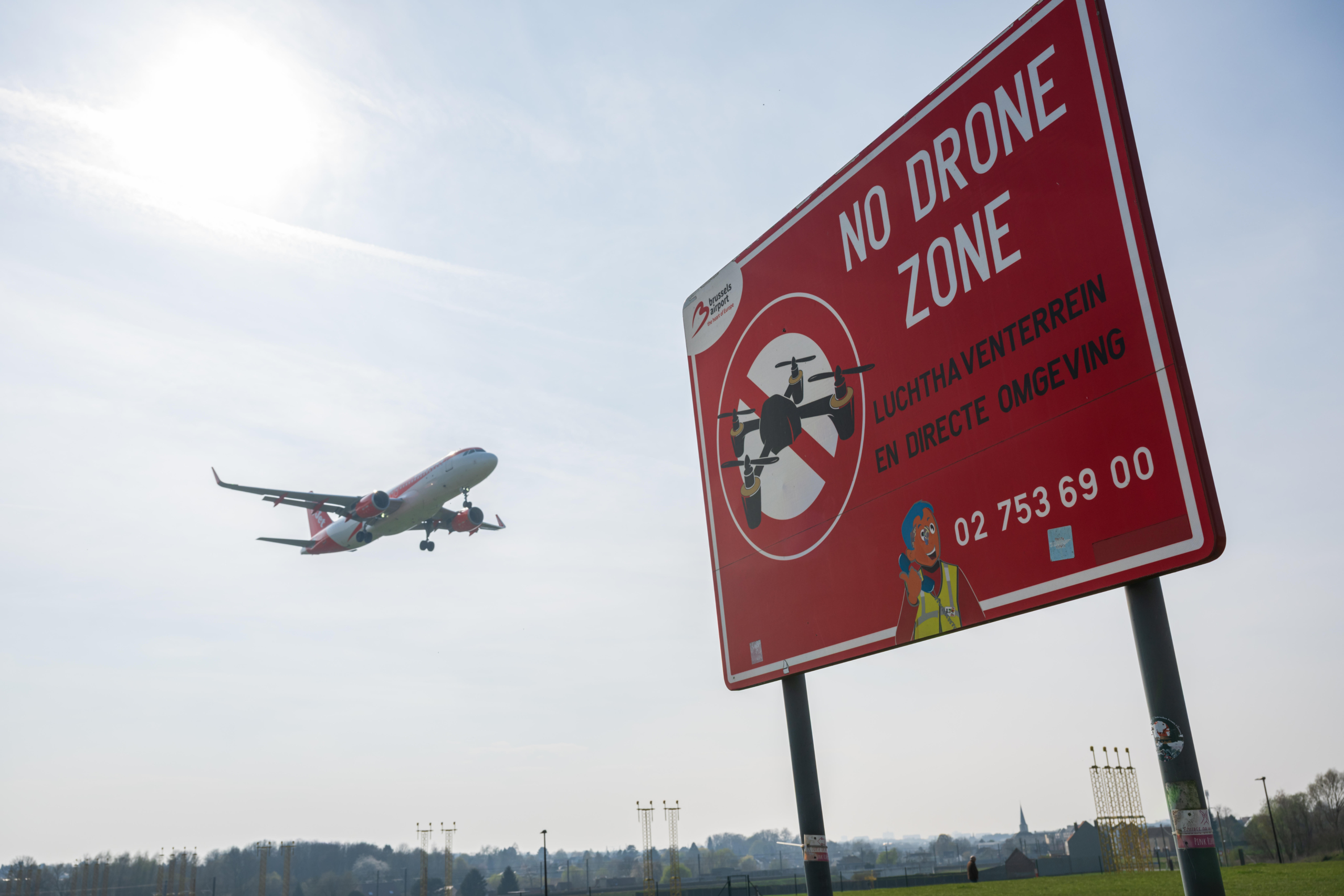
On 4 August, an explosives-carrying drone was detected at Leipzig/Halle airport and neutralised by a bomb-disposal robot. A second drone is believed to have collided with a cargo aircraft. A third device turned up at the same site ten days later. It took until 2 September for the German government to state what intelligence agencies had reportedly concluded weeks earlier: that the operation was Russian in origin.
Why Leipzig matters
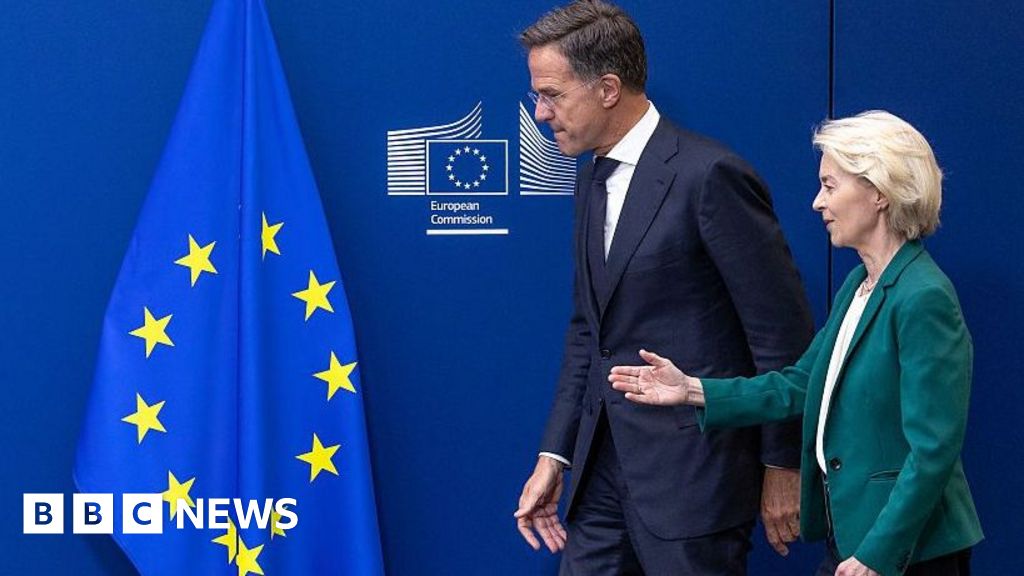
Leipzig/Halle is not an arbitrary target. The airport functions as a logistics node for NATO and is routinely used by Ukrainian Antonov transport aircraft ferrying military and humanitarian cargo. Striking it would disrupt those supply lines and demonstrate that infrastructure deep inside Europe remains vulnerable. Ursula von der Leyen, president of the European Commission, called the incident a new escalation involving "military-grade material carried out by Russian operatives on European Union soil".
Germany's interior ministry said the drone's configuration, components, explosives and detonator matched those documented in earlier Russian hybrid operations. Two suspects have been identified: a Belarusian citizen holding a Russian passport who entered Germany on a tourist visa, and a person carrying both Latvian and Russian passports who arrived by plane in Berlin and departed two days before the attack. The profile, using dual nationality and short-stay visas for operational access inside the Schengen area, fits a pattern European intelligence services have tracked for several years.
Diplomatic retaliation, measured and symmetrical
Berlin's response was to close the Russian consulate in Bonn and shut down the Russian House, a cultural institution long suspected in German security circles of functioning as a Kremlin propaganda outlet. Moscow retaliated in kind: Foreign Minister Sergei Lavrov announced the closure of Goethe-Institut cultural centres in Moscow, St Petersburg and Yekaterinburg. Vladimir Putin described Germany's measures as a "serious mistake" that "clearly runs counter to the interests of the German people". When asked whether Russia might sever diplomatic relations altogether, Deputy Foreign Minister Alexander Grushko replied: "Maybe."
German critics have argued that shutting a consulate is a modest reply to a military-grade drone attack on national territory. The German government appears to be holding back unilateral economic measures in favour of a coordinated European response, including potential EU-wide entry restrictions on Russian citizens. Whether that strategy produces results depends on whether all 27 member states can agree on the scope and timing of new sanctions.
Sabotage on German infrastructure
The diplomatic exchange unfolded against an immediate backdrop of suspected infrastructure attacks inside Germany. Within 24 hours of the Leipzig attribution, two electricity substations were targeted. Near Bergheim, west of Cologne, power lines were deliberately damaged, forcing five generating units offline at two coal-fired power stations. Police recovered six launching devices from a field nearby. At Jänschwalde in Brandenburg, high-voltage lines were damaged and explosive devices found at a substation. Herbert Reul, interior minister of North Rhine-Westphalia, said investigators were examining both state-directed sabotage and left-wing extremism.
No attribution has been made for the power station incidents. The coincidence of timing, however, has reinforced the sense that Germany's critical infrastructure is under sustained pressure from multiple potential threats.
Poland also hit
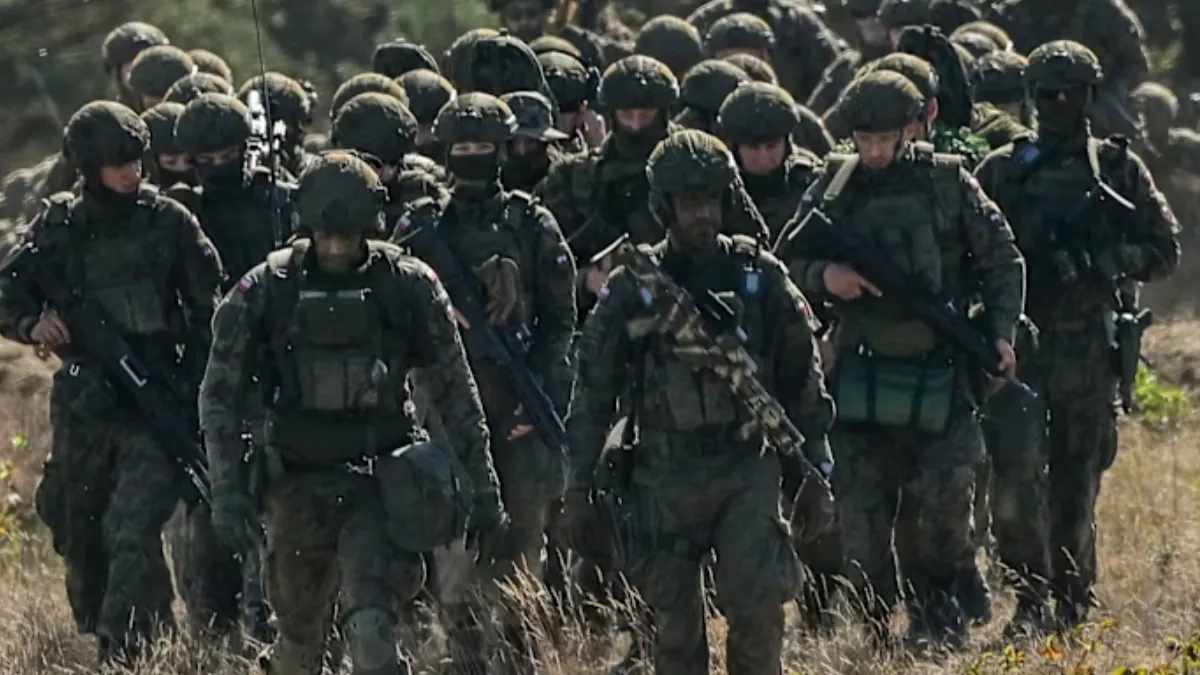
Germany is not alone. In Poland, Prime Minister Donald Tusk said a fire at a factory producing combat drones in Skarżysko-Kamienna, roughly 140 kilometres south of Warsaw, was deliberate arson and sabotage. A separate factory fire in Lublin on Sunday night has not been ruled arson. Mark Rutte, NATO's secretary general, noted increased risk from drones and missiles crossing into alliance territory on the eastern flank and what he called "malign activities targeting our territory directly", citing fires at factories producing defence equipment for Ukraine alongside the Leipzig operation.
The EU's response toolbox
EU foreign ministers, gathered in Wicklow, Ireland, discussed several measures. Kaja Kallas, the EU's foreign policy chief, said there was broad support for a visa ban on Russian ex-combatants and tighter restrictions on Russian tourist visas. France's Jean-Noël Barrot raised the possibility of action against Russia's so-called shadow fleet of tankers transporting oil in breach of EU sanctions. Lithuania's Kestutis Budrys argued that Moscow currently perceives no political cost from hybrid operations directed at European allies.
Von der Leyen said the EU must respond "faster and better" to Russian recklessness and that ministers were discussing ways of "cutting deeper in Russia's war chest". The EU has already agreed to loan Ukraine €90bn. Von der Leyen added that Kyiv had requested additional billions to fund PAC-3 air defence missiles and that work was under way on a joint Europe-Ukraine Freyja anti-ballistic missile defence project.
The frozen assets deadlock
The most consequential financial lever, however, remains stuck. Sweden, the Netherlands, Poland and Spain are pushing to unlock more than €193bn in frozen Russian central bank assets to support Ukraine. The proposal, first raised in late 2025, has been consistently blocked by Belgium, where the bulk of the assets are held through the international settlement system Euroclear. Brussels fears being held financially liable in court if the funds are seized rather than merely frozen. Belgium's position has not changed.
The standoff illustrates the structural constraint at the heart of Europe's sanctions regime. Asset freezes immobilise capital but do not redirect it. Seizure would convert those funds into a resource for Ukraine, but it would also expose the EU to legal claims from Russia and potentially from other sovereign wealth holders who might question the security of European financial infrastructure. Until that legal and political calculation shifts, the €193bn stays where it is.
People mentioned
Organisations
European Commission · NATO · Russian Foreign Ministry · Goethe-Institut