The European Central Bank raised its deposit facility rate to 2.50% on Thursday, a 25 basis-point move that marks the second increase this year and an explicit response to the inflationary fallout from the widening Iran conflict. Oil prices have climbed back above $100 a barrel since coordinated strikes by the United States and Iran resumed at the end of August, targeting military, shipping and energy infrastructure across the Gulf.
Energy shock forces the hand
The Governing Council had held rates steady in July after a first quarter-point increase in March, signalling that the tightening cycle might be nearing its end. That calculation collapsed when the month of relative calm in the Middle East shattered. Brent crude, which had traded in the low-80s in July, jumped 22% in three weeks. For a currency bloc that imports more than 90% of its oil, the pass-through to headline inflation is direct and immediate.
In its accompanying statement the bank said inflation was expected to stay above the 2% target for an extended period. The phrase "well above target" appears in the official press release, a formulation the ECB has avoided since the disinflation narrative took hold in late 2025. The shift in language is deliberate: it prepares markets for the possibility that the deposit rate may need to move higher still if energy costs do not retreat.
Projections revised but already dated
The new staff projections show headline inflation averaging 3.0% this year, 2.5% in 2027 and 2.1% in 2028. Those numbers, however, were finalised before the latest surge in both oil and European gas benchmarks. The Title Transfer Facility (TTF) front-month contract has risen 35% since mid-August, a move that the September projections only partially capture. Gas price shocks, as Barclays noted in a client note this week, tend to feed through more slowly than oil shocks but generate larger and more persistent effects on non-energy inflation.
That asymmetry matters. Households and firms adjust to petrol prices quickly; heating bills and industrial gas contracts reset on longer cycles, embedding cost increases into services and manufactured goods over quarters rather than weeks. The ECB's own models suggest a 10% sustained rise in gas prices adds roughly 0.3 percentage points to core inflation after twelve months, double the impact of an equivalent oil shock.
Resilience complicates the calculus
Paradoxically, the economy's unexpected strength gave the Governing Council cover to act. Second-quarter GDP grew 0.4% quarter on quarter, twice the pace forecast in June, and the unemployment rate held at 6.3%, a record low. Labour markets remain tight enough that wage growth, at 4.7% year on year in the latest negotiated-wage tracker, shows no sign of decelerating. The bank duly raised its 2026 growth forecast to 1.1% from 0.9%, while shaving a tenth off 2027.
That resilience is a double-edged sword. It means the transmission of higher rates to the real economy has been slower than textbook models predict, but it also means demand-side pressure on prices persists. Services inflation, the component most sensitive to domestic wages, ran at 4.2% in August. The ECB cannot claim victory on disinflation while services remain that elevated.
Gas the bigger worry for winter
European gas storage stands at 93% of capacity, comfortably above the five-year average for September. That headline figure masks a structural shift: the continent has replaced Russian pipeline volumes with liquefied natural gas (LNG) cargoes priced at the global margin. Any disruption to Middle East LNG export routes, Qatar alone supplies roughly 15% of EU imports, would tighten the market instantly. The Strait of Hormuz handles 20% of global LNG trade.
National governments have responded with a patchwork of subsidies and price caps that differ wildly across the bloc. Germany's gas price brake expires in March 2027; France's regulated tariff shield is being phased out; Italy has extended its VAT cut on gas until year-end. The fiscal cost of these measures, estimated at 0.4% of euro-area GDP in 2026, adds to the debt-service burden just as monetary tightening raises borrowing costs.
Markets price a terminal rate of 3%
Money-market curves now imply a terminal deposit rate of 3.00% by March 2027, up from 2.75% before the August escalation. Two further quarter-point moves are fully priced by year-end. The euro strengthened 0.6% against the dollar immediately after the decision, trading at 1.11, its highest level since February. Bund yields rose five basis points at the ten-year maturity.
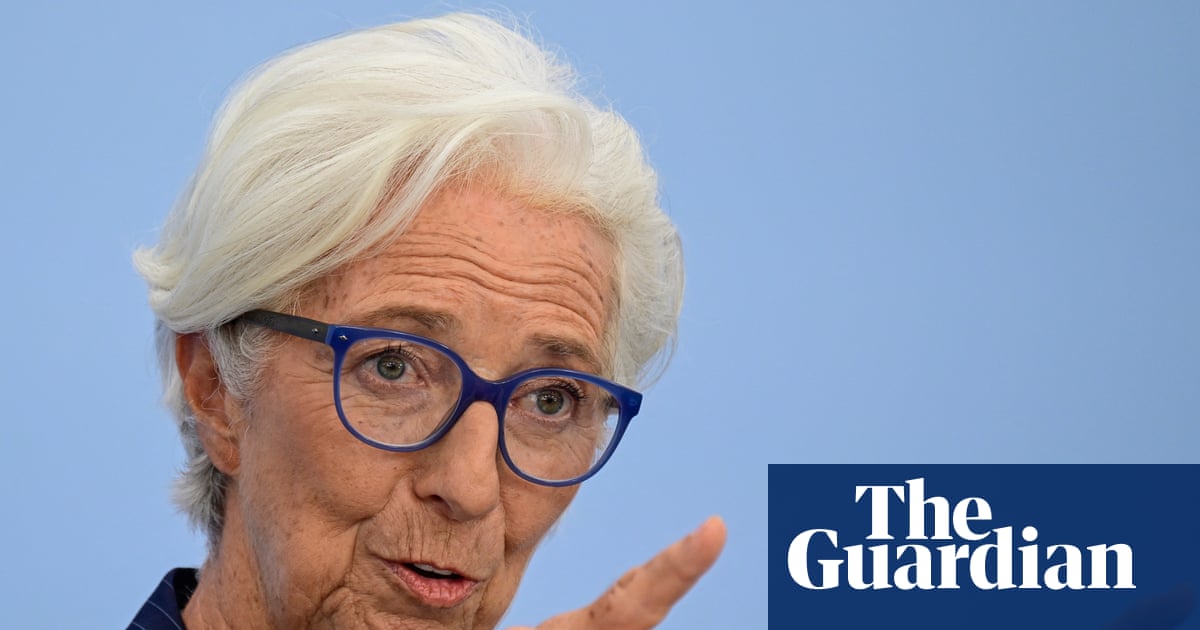
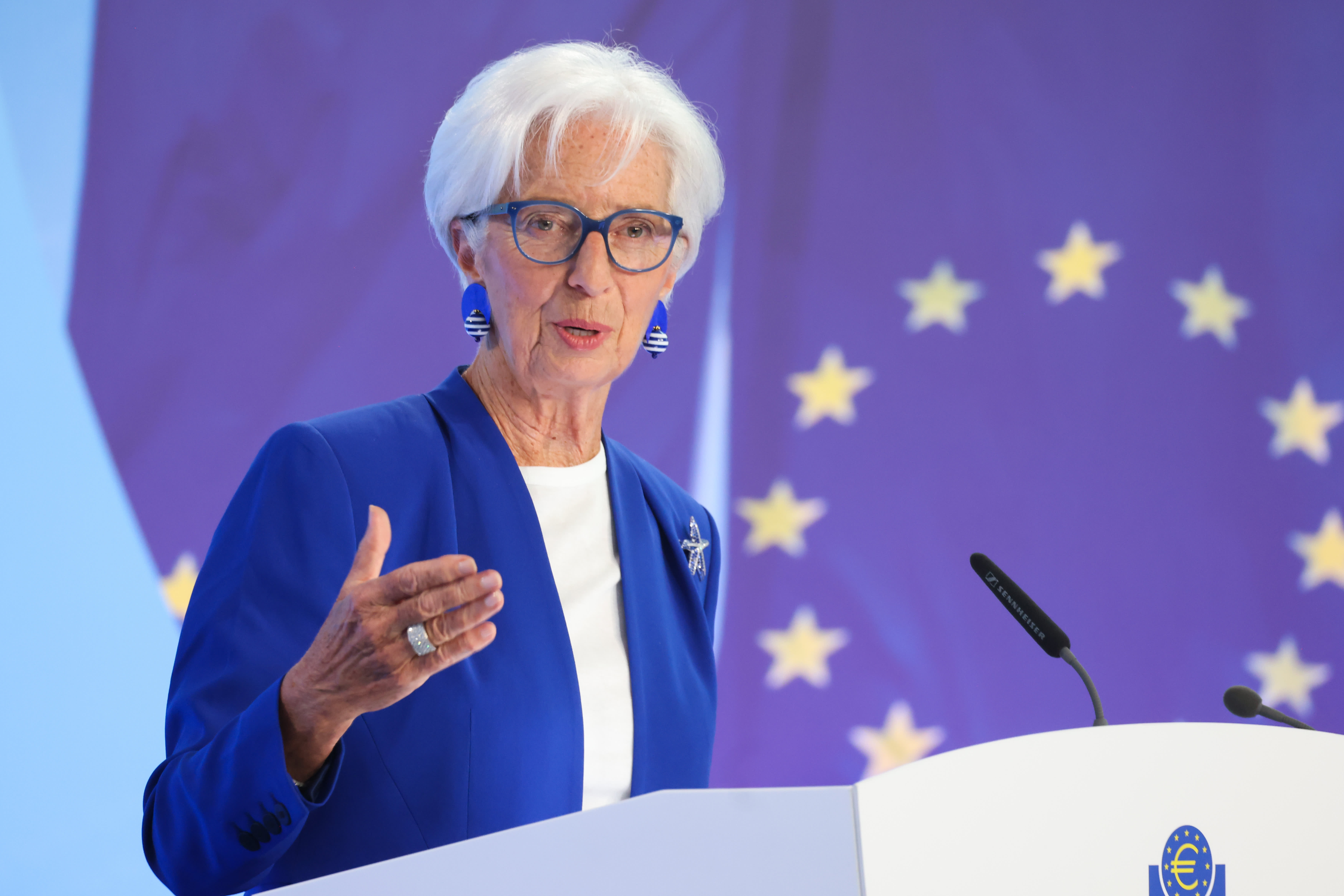
The ECB's forward guidance remains deliberately vague. Lagarde told the post-meeting press conference that future decisions would be "data-dependent" and "meeting by meeting", language that preserves optionality but offers little anchor for long-term inflation expectations. Five-year-five-year forward inflation swaps, the market's gauge of medium-term credibility, ticked up to 2.35%, still above the 2% target.
Political friction over the policy mix
Finance ministers in Berlin and Paris have privately urged the ECB to pause, arguing that supply-side energy shocks cannot be tamed by demand-side tightening. The German Council of Economic Experts published a dissenting opinion last week warning that a 3% deposit rate would push the manufacturing sector, already in its fifth consecutive quarter of contraction, into a deeper downturn. The ECB's own lending survey shows credit standards for corporate loans tightening at the fastest pace since the sovereign debt crisis.
That tension will surface at the Eurogroup meeting in Luxembourg on 15 September. The Commission's fiscal rules, reinstated this year after a four-year suspension, require high-debt members to run primary surpluses. Italy and France are both projecting deficits above 3% of GDP in 2027. Higher rates make those consolidation paths steeper, raising the spectre of a clash between Frankfurt's mandate and national fiscal realities.
People mentioned
Organisations
European Central Bank · Barclays