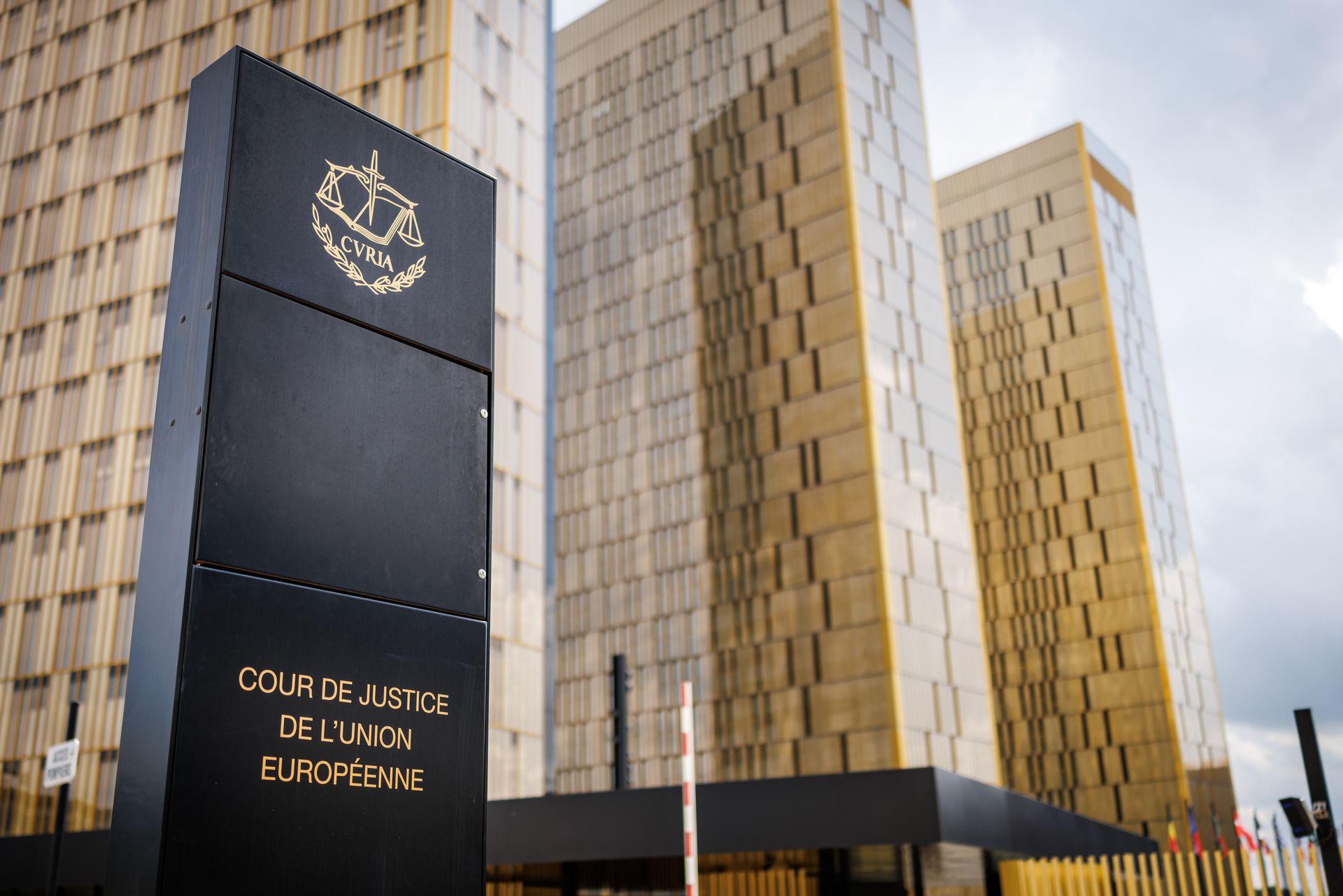
Roman Abramovich has lost his bid to overturn European Union sanctions at the General Court in Luxembourg. The ruling, issued on 9 September 2026, leaves the Russian billionaire's asset freezes and travel bans intact and narrows the legal avenues available to other oligarchs contesting similar measures.
The case turned on two arguments: that Abramovich was singled out because of his fame rather than any substantive connection to the Russian state, and that the sanctions were effectively drawn up by bureaucratic working groups rather than by member state governments themselves. The court rejected both.
Notoriety versus capital
Abramovich, who holds Russian, Israeli and Portuguese citizenship, has been on the EU's sanctions list since 2022. The Council of the EU justified his designation on the basis that he is the majority shareholder in Evraz, one of Russia's largest steel and mining companies, and holds shares in Norilsk Nickel, a major palladium and refined nickel producer. Both operate in sectors that generate significant revenue for the Russian government.
His lawyers argued that the EU had effectively punished him for being conspicuous, pointing to his ownership of Chelsea Football Club and his high-profile presence in London before the war. The court was unmoved. In its statement, it noted that the sanctions targeted his capital holdings "and not, as he maintains, a desire to exploit him on account of his public notoriety." The distinction matters: it means the EU's legal framework for designating individuals can withstand challenges that claim the listings are driven by visibility rather than substance.
Who actually decides sanctions
The second strand of Abramovich's challenge went to the heart of how EU sanctions are made. His legal team contended that the real decisions were taken by Council working groups, the committees of diplomats and officials who prepare sanctions packages, rather than by the governments that formally approve them. If true, this would undermine the democratic legitimacy of the process.
The court accepted that working groups carry out preparatory work, drafting the lists and assessing the evidence, but held that the Council itself took the final decision. That boundary, between preparation and decision, is one the EU has relied on before in defending its sanctions regime, and the ruling gives it judicial endorsement.
The judgment also confirmed that the Council acted within its powers when it extended the measures against Abramovich, first through September 2025 and again through March 2026. Each extension required the Council to review whether the grounds for designation still held. The court found they did.
What the ruling means for EU sanctions design
The EU's sanctions framework has faced dozens of legal challenges since 2022, many from Russian businessmen and entities arguing that their designations were arbitrary or politically motivated. The General Court has now delivered several judgments that affirm the legal architecture, though it has also annulled some designations where the Council's reasoning was insufficient. The Abramovich ruling is significant because the individual involved is among the most prominent on the list, and because the court addressed head-on the argument that fame alone drives listings.
For the Council, the judgment validates a design that targets businesspeople operating in sectors bankrolling the Russian war effort, rather than requiring a direct link to decision-making in Moscow. The criteria, the court found, are objective, sufficiently precise and proportionate. That formulation gives the Council room to continue designating individuals whose companies generate state revenue, even if those individuals have no documented personal relationship with the Kremlin.
The parallel UK proceedings
Abramovich is subject to separate sanctions in the United Kingdom, which imposed its own asset freeze and travel ban in 2022. The UK government has also sought to claim the proceeds from the forced sale of Chelsea Football Club. Those proceeds, £2.5 billion, have sat frozen in a bank account since the sale, with the UK authorities arguing the money should be directed toward humanitarian purposes in Ukraine. That dispute remains unresolved, adding a second legal front to Abramovich's efforts to reclaim his assets.
The appeal window
Abramovich has two months and ten days from notification of the judgment to appeal to the Court of Justice of the European Union, the higher instance. An appeal would be limited to points of law, not fact, and would not automatically suspend the sanctions, which remain in force unless the Court of Justice orders otherwise. Whether he pursues that route will determine whether this case continues to test the boundaries of the EU's sanctions architecture.
For the Council, the priority is different: ensuring that each successive extension of its Russia sanctions list can withstand the same legal scrutiny. The Council's restrictive measures against Russia now cover multiple sectors and thousands of individuals, and the legal pipeline shows no sign of thinning.
People mentioned
-
Roman Abramovich
Organisations
General Court of the European Union · Council of the European Union · Evraz · Norilsk Nickel