Poland remains the only European Union member state where coal generates more than half of all electricity, a statistic that underscores both the distance travelled and the road still ahead. In 2025 coal's share stood at 52.8%, a steep decline from the 80% recorded in 2018 and the 70% seen as recently as 2022, yet it remains the largest proportion by far across the bloc. Wind and solar together reached 25.4%, pushing total renewables to 31.2%, but the pace of change has consistently lagged behind political ambition.
The economics of Polish coal have inverted
The transition is not driven by market forces favouring domestic coal. Extraction costs now exceed the price of imported coal, leaving the government to prop up mines with subsidies running into billions of zlotys each year. At the same time, the EU emissions trading system adds a carbon cost to every megawatt hour generated from coal, pushing up electricity bills for industry and households. Poland's carbon intensity remains the highest in the EU, a structural disadvantage that compounds the fiscal burden.
This economic squeeze coincides with worsening climate impacts. Both droughts and floods have intensified in recent years, while air pollution, driven by coal-fired heating as much as by transport, causes an estimated 40,000 premature deaths annually. For the first time in years, air quality deteriorated in 2024 and 2025 rather than improving. Only Warsaw and Kraków have introduced low-emission zones, and electric vehicle adoption trails Western Europe by a wide margin.
A political faultline runs through the transition
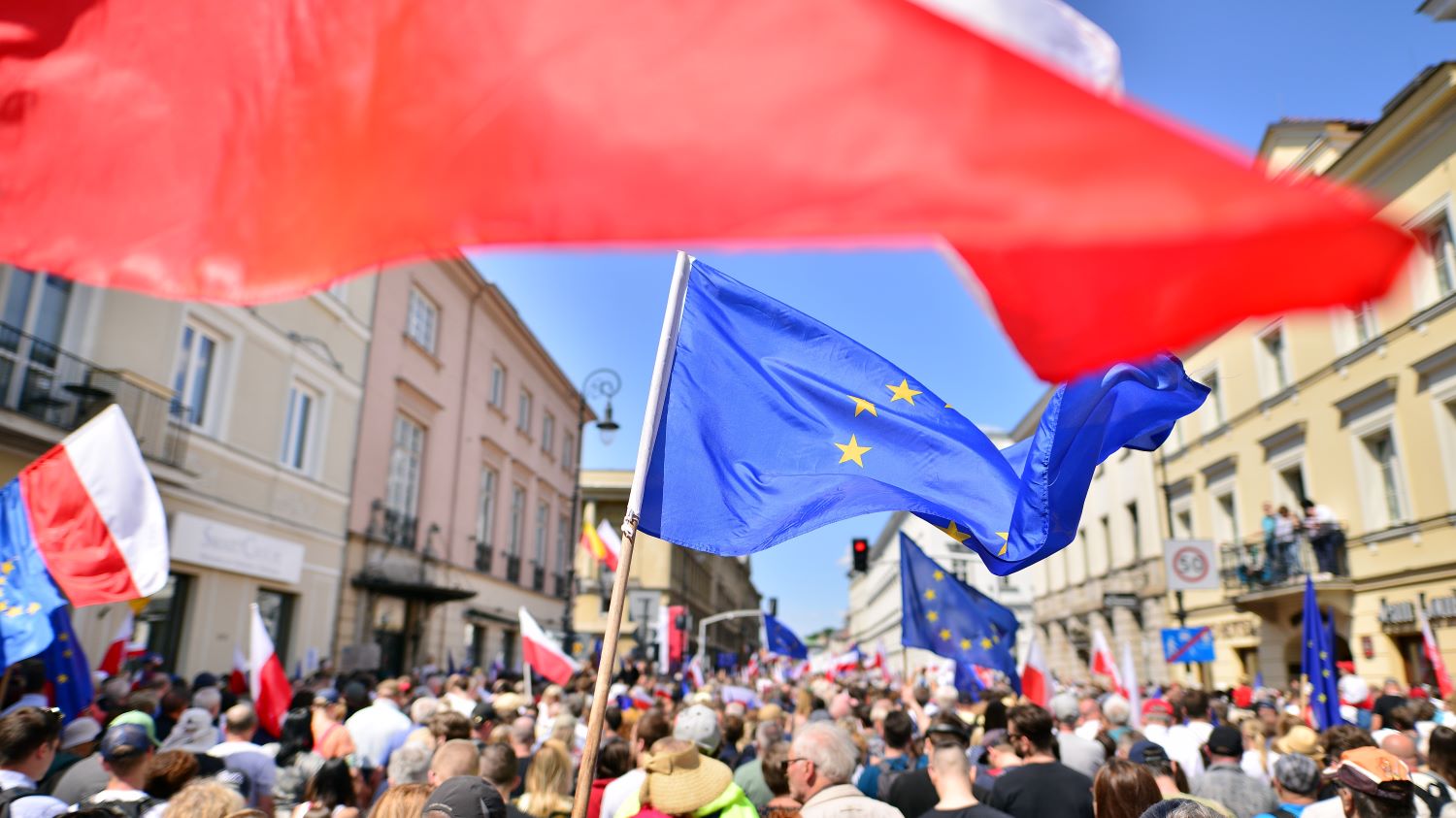
Energy policy has become a cultural battleground. Centre-right and far-right parties routinely attack EU climate legislation, occasionally veering into outright climate scepticism. Centrist, liberal and left-wing groupings argue for a faster exit from fossil fuels and stronger environmental protections. The sole point of cross-party consensus is nuclear power, a technology that has eluded Poland since the first aborted attempts in the 1970s.
Nuclear promises recede further into the future
Current plans envisage two large-scale plants with a combined capacity of six to nine gigawatts. The US firm Westinghouse is the technology partner for the first plant on the Baltic coast, where construction is now expected to begin in 2028. The original target of 2033 for first power has slipped; 2036 at the earliest is the new realistic horizon. Separately, the state-controlled oil company Orlen aims to deploy two small modular reactor units by 2035, a timeline that industry observers consider ambitious given the technology's commercial immaturity.
Gas diversification succeeds but locks in fossil infrastructure
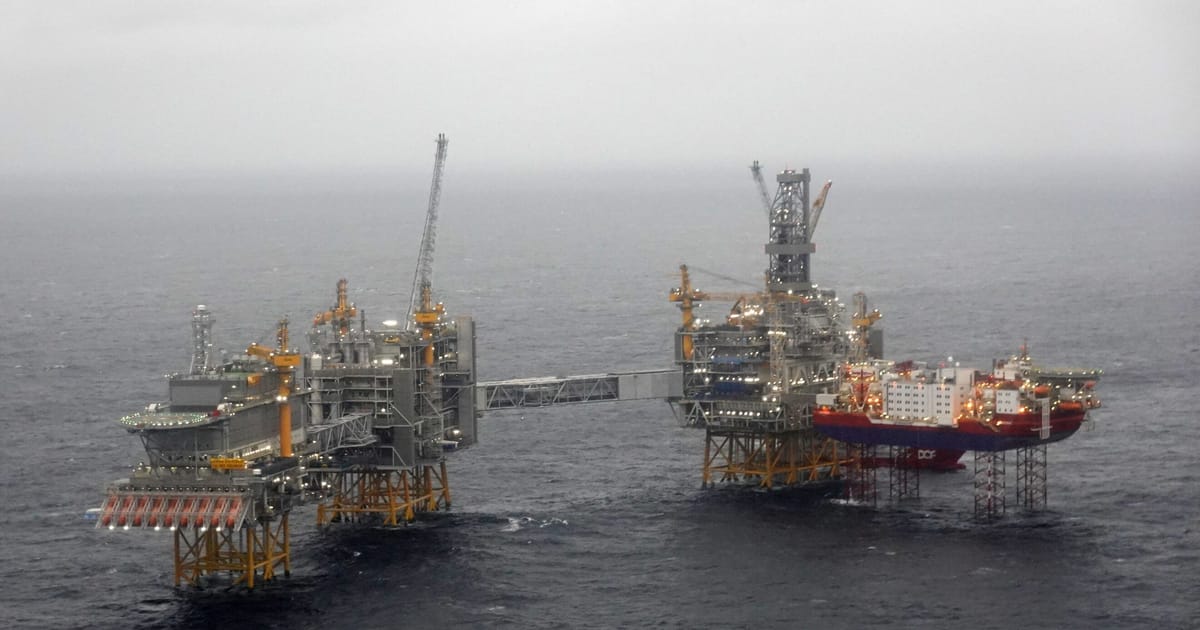
Poland has successfully severed its dependence on Russian energy. Gas now arrives primarily through the Świnoujście LNG terminal, supplied by the United States, Qatar and others, and via the Baltic Pipe from Norway. New gas-fired power plants are under construction, ensuring that gas demand will rise even as the EU pushes for decarbonisation. The strategy secures supply but risks creating stranded assets if carbon prices accelerate or renewable deployment outpaces expectations.
The battery boom offers an industrial counterweight
A brighter spot lies in manufacturing. In April 2023 Poland overtook the United States to become the world's second-largest producer of lithium-ion batteries by capacity. A 2025 report by New AutoMotive described the country as "one of Europe's most important battery manufacturing centres" for both production and recycling. The sector provides high-value employment and export revenue, though the same report warned that retaining this position will require sustained investment in skills, supply chains and grid infrastructure.
Household heating remains the blind spot
The "Clean Air" programme, which subsidises the replacement of old coal furnaces, proved ineffective in 2025. Implementation of the EU's second emissions trading scheme (ETS 2), which will extend carbon pricing to buildings and transport, threatens to impose heavy costs on the poorest households still reliant on coal for heating. Only two cities have low-emission zones, and the national vehicle fleet remains overwhelmingly combustion-powered. Without a credible plan for residential decarbonisation, the social politics of the transition will only harden.
Meanwhile, the battery sector's trajectory will depend on whether Polish firms can move up the value chain from cell assembly to cathode production and recycling at scale. The CPK high-speed rail project, with its first services slated for the early 2030s, offers a test of whether Poland can deliver large low-carbon infrastructure on time and on budget, something its nuclear programme has yet to demonstrate.
Organisations
European Union · Westinghouse Electric Company · Orlen · New AutoMotive