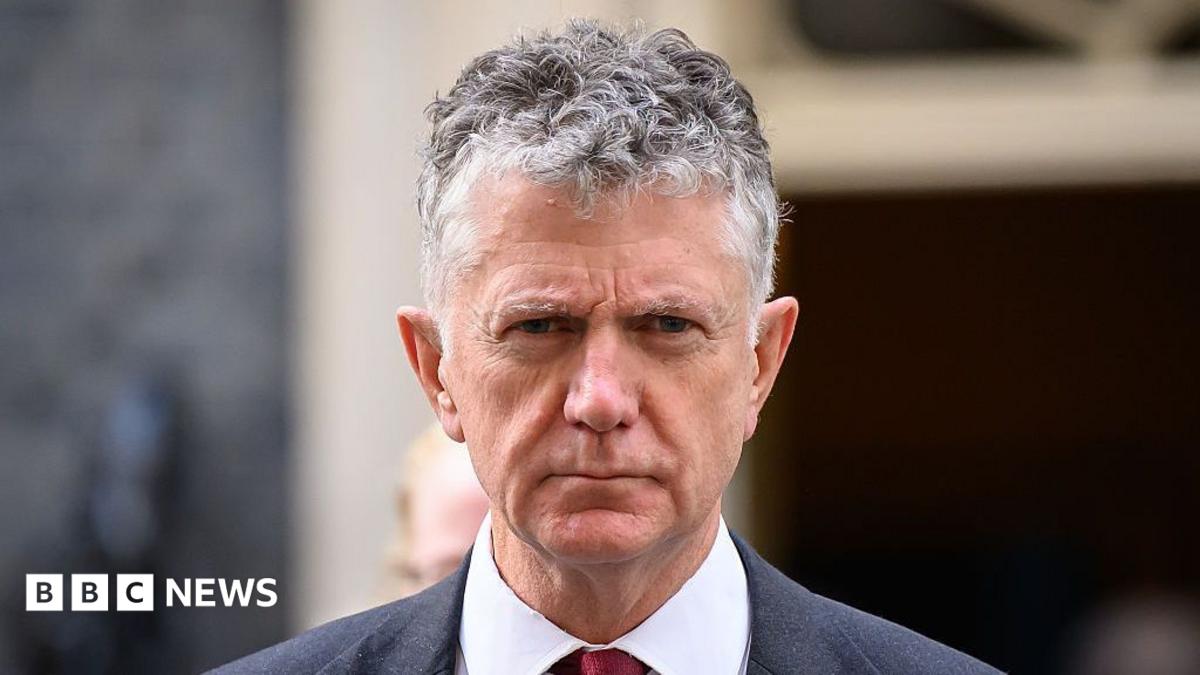
Britain's most senior security official has told a gathering of Ukraine's leadership and international supporters in Kyiv that Europe must prepare for "real hardship" this winter if it intends to keep economic pressure on Vladimir Putin. Jonathan Powell, national security adviser to the prime minister, used a rare public appearance at the Yalta European Strategy forum to argue that the round-the-clock Russian attacks on Ukrainian infrastructure and the energy shortages facing European households are not signs of strategic failure but evidence that sanctions and military support are finally biting.
The energy test awaiting Europe
Powell's message lands as the continent enters its third winter since the full-scale invasion with gas storage levels below the five-year average and a complete phase-out of Russian pipeline gas scheduled for January. The European Court of Auditors warned last week that the phase-out plan is "faltering" because of supply disruptions linked to the Iran conflict, leaving several member states dependent on Russian liquefied natural gas cargoes that technically fall outside the strictest sanctions regimes. The EU still sources 12% of its gas imports from Russia, according to Eurostat data, and the gap between political ambition and physical infrastructure remains wide.
That gap is most acute in central and eastern Europe, where storage facilities filled during the summer months are already being drawn down ahead of schedule. Industry analysts note that a cold snap in January could force governments to choose between industrial rationing and relaxing the very sanctions Powell urges them to maintain. The UK, less directly exposed to Russian gas but tightly linked to European wholesale markets, faces its own price volatility.
Ukraine's economic toll mounts
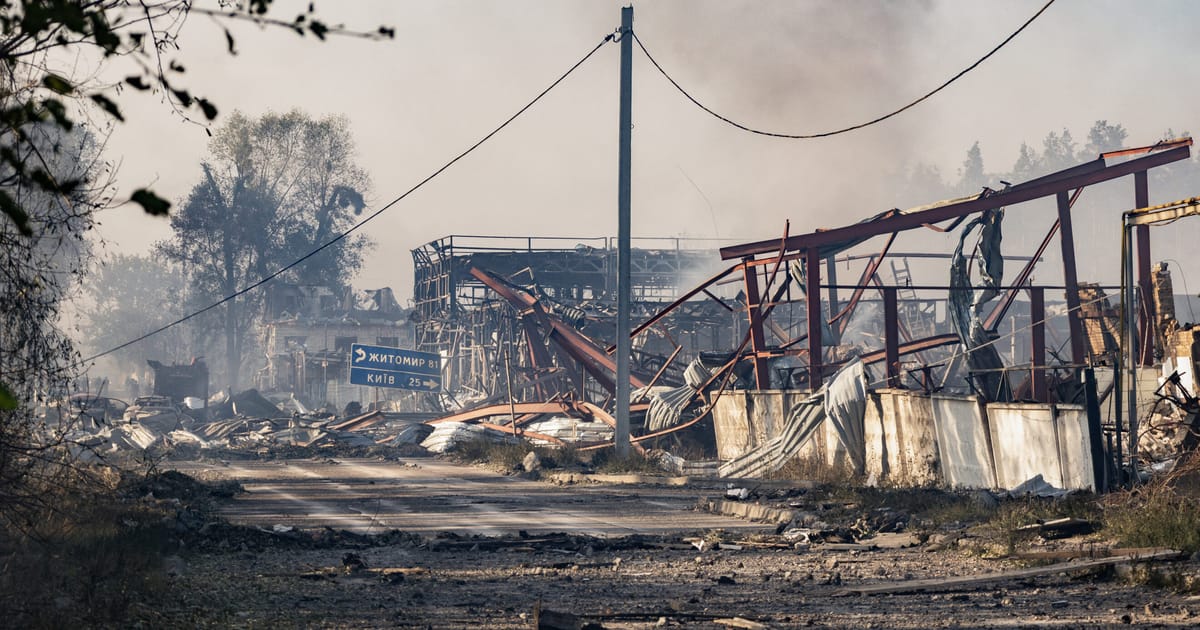
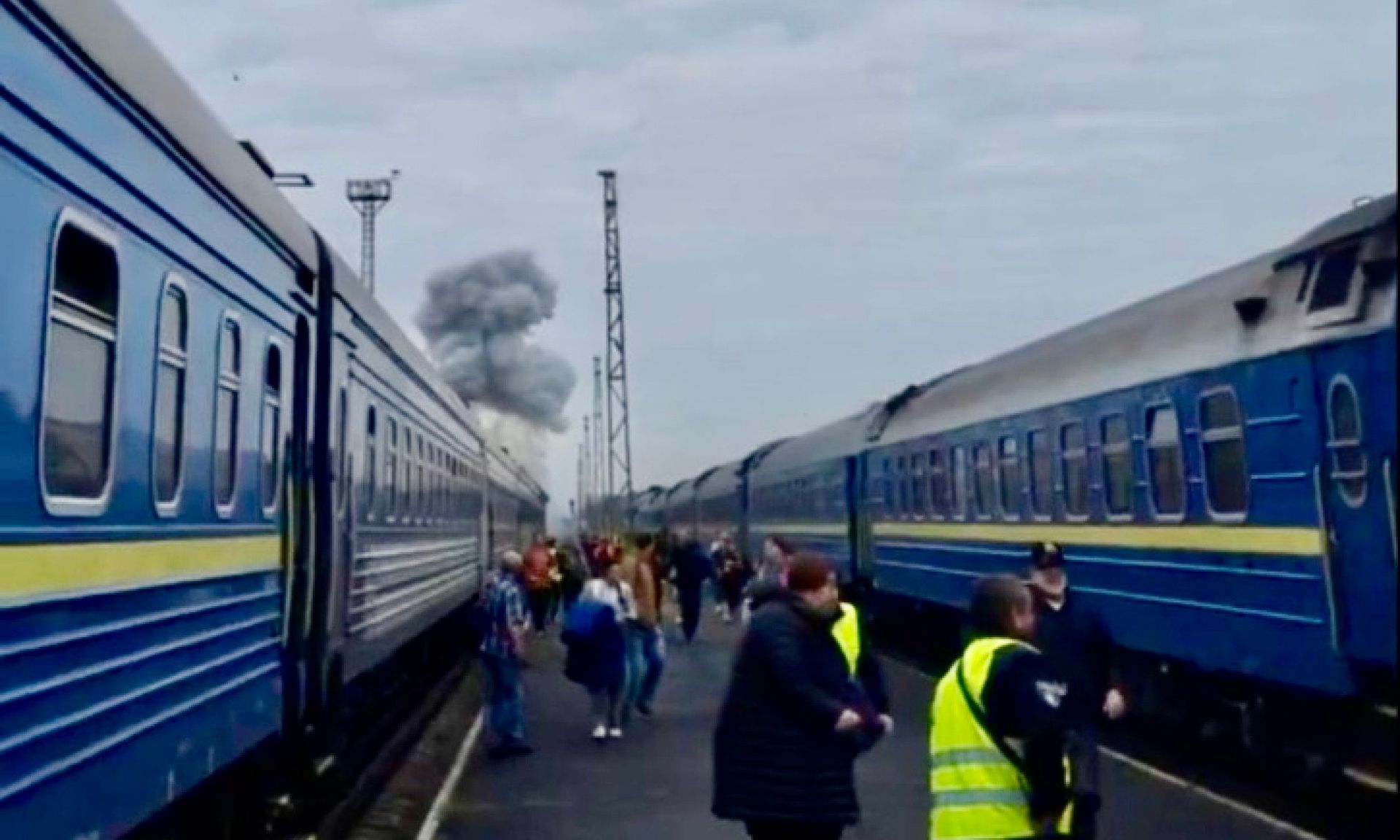
Oleksandr Kravchenko, Ukraine's economy minister, put a price on the current phase of the war: $10bn in destroyed infrastructure and assets this year alone, with the blockade of Black Sea ports choking grain exports and pushing GDP toward a 1.5% contraction. Air raid alerts in Kyiv have hit record highs, and Russian jet-powered drones are reportedly outpacing air defence systems with daily launches. The UN has warned that Ukraine faces its "toughest winter" since 2022, with power shortages expected to be more severe than in previous years because generation capacity has been systematically degraded.
Powell acknowledged the difficulty, citing a lack of Patriot missiles, strikes on businesses and a widening government budget deficit. But he insisted there were "strong reasons for optimism", a formulation that will be tested in the coming months as Ukrainian commanders manage a front line that has barely moved in 2026 while Russian forces absorb what Kyiv claims are 1.5 million casualties since the invasion began.
A shifting American position
Perhaps the most politically significant element of Powell's remarks concerned Donald Trump. The UK adviser, who was in Kyiv only days earlier for talks with Trump's envoys after they visited Moscow, said the US president was "in a very different place" from where he stood a year ago. "He sees that Ukraine is doing better and therefore he is not leaning in the direction of Putin in the way that he was previously. I think that's a really big asset," Powell said. The shift, if sustained, alters the diplomatic calculus for both Kyiv and Moscow.
Central to that shift is the demise of what Powell called the "Anchorage compromise", the alleged understanding reached at last year's Trump-Putin summit in Alaska that Ukraine would cede territory and abandon NATO aspirations. "The so-called Anchorage compromise is firmly dead," Powell declared. "We can stop worrying about it. It's finished." That declaration, delivered in Kyiv to an audience that includes President Zelensky's inner circle, signals that London and Washington now see a negotiated settlement on terms that do not legitimise Russian conquest as the only viable endgame.
Why territory is not the measure of victory
Powell went further, framing the war not as a territorial dispute but as a contest over Ukraine's right to exist as an independent, European state. "To the extent that [Putin] gains another 10km of land or loses another 40km of land, this war is already won," he said. "That's the threat to him at home. There is a free, independent and European Ukraine, and people in Russia are going to notice that." The argument echoes a line of thinking in Western capitals that Putin's domestic legitimacy rests on preventing a democratic, prosperous Ukraine from becoming a reference point for Russian citizens.
That framing also serves a practical purpose: it lowers the bar for what constitutes a Ukrainian victory, making it easier to sustain public support in Europe and the US if the front lines remain static. But it carries risks. If Ukraine loses further ground in the Donbas, where authorities have begun evacuating residents from Slovyansk and Kramatorsk, the largest cities still under full Ukrainian control, the "territory doesn't matter" argument will face its first real stress test.
The diplomatic channel to Moscow
Despite describing Putin as a "terrorist", Powell argued that the US and Europe must maintain direct contact with the Kremlin to avoid miscalculation. "What we don't want is miscalculation, that they don't understand where our red lines are. That's why I think it's important the CIA went to Moscow as well," he said. The reference to CIA director William Burns's recent visit, neither confirmed nor denied officially, underscores a dual-track approach: maximum pressure combined with a private line of communication that Powell, drawing on his experience negotiating the Good Friday Agreement, believes is essential for any eventual settlement.
People mentioned
-
Oleksandr Kravchenko
Organisations
UK Government · Ukrainian Government · European Union · European Court of Auditors · NATO