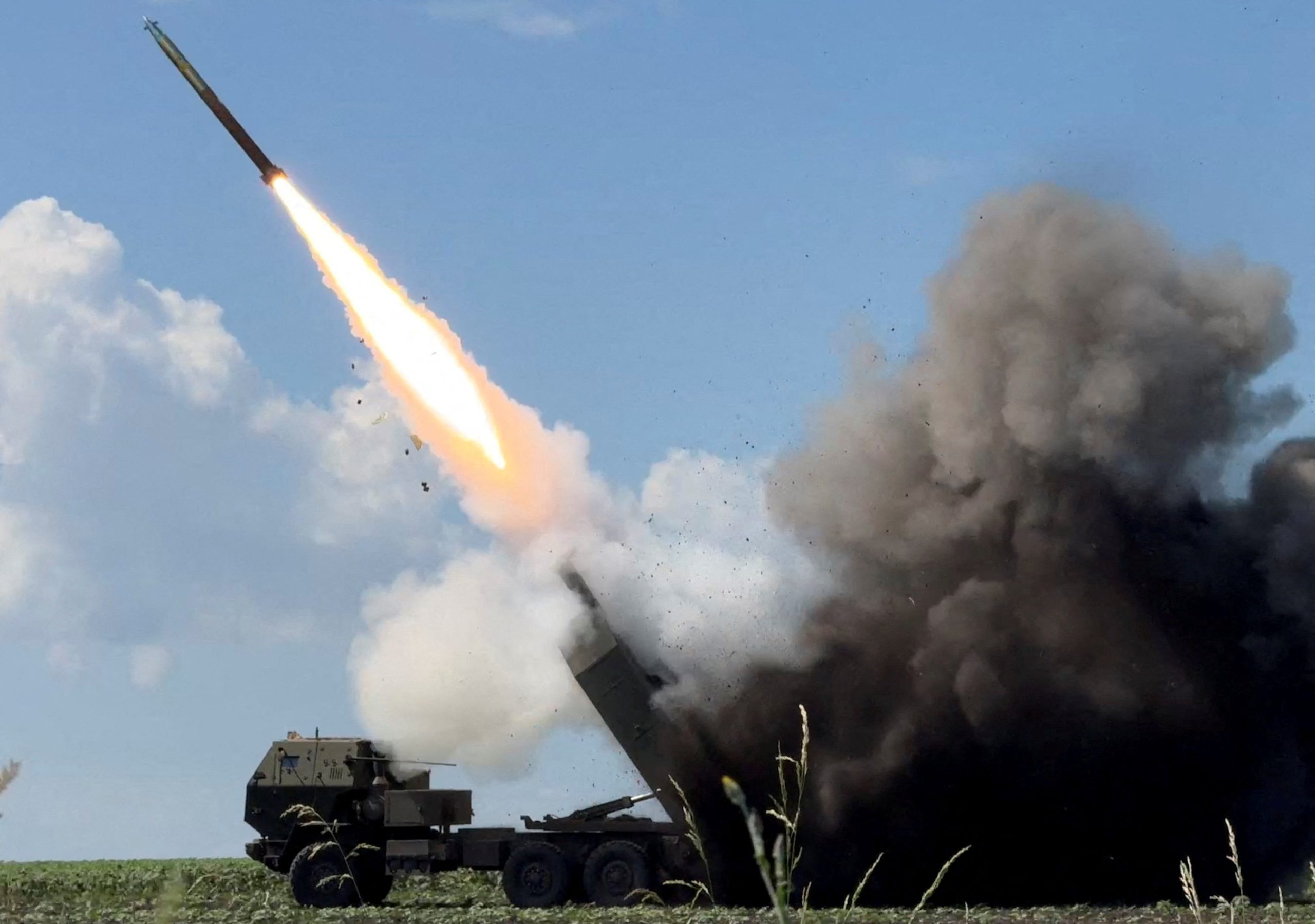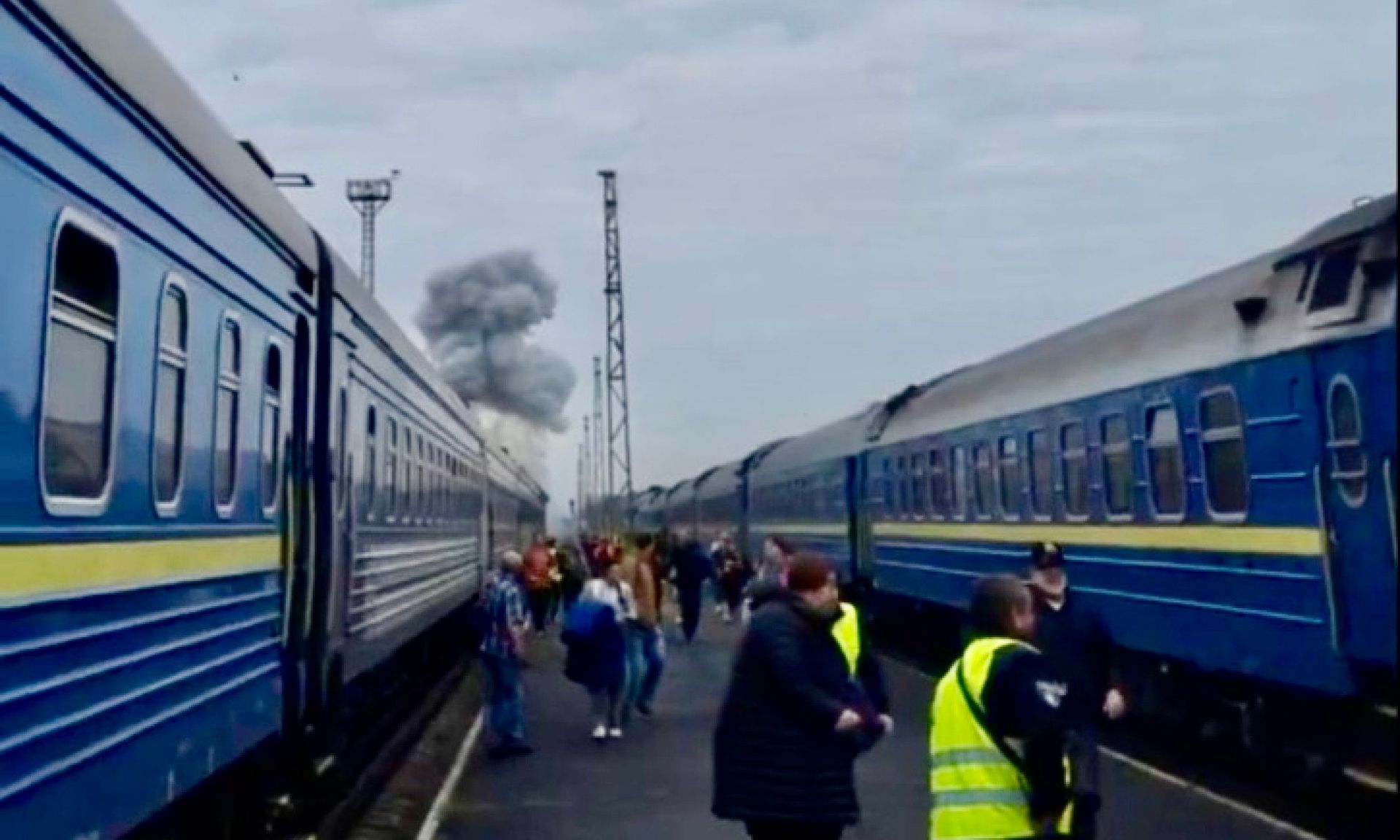
Russian forces struck a gas station and a passenger train within 2 kilometres of Poland's border overnight on 12-13 September, bringing the war in Ukraine closer to NATO territory than at any point in recent months. The attacks, in Ukraine's northwestern Volyn Oblast, hit infrastructure near the Yahodyn-Dorohusk border crossing, one of the busiest freight and passenger gateways between the European Union and Ukraine.
What happened on the ground
Russia launched a wave of drones at western Ukraine. At least two struck with striking proximity to the Polish frontier. The first hit a gas station near the Yahodyn-Dorohusk crossing. Falling debris ignited fires at the station and several trucks parked nearby, according to Valentyna Chernysh, spokesperson for Volyn Customs. The second strike hit a Kyiv-Warsaw passenger train roughly 2 km from the border. The Yahodyn crossing itself was not struck and continues to operate, Andrii Demchenko, spokesperson for Ukraine's State Border Guard Service, told RBC-Ukraine. But Demchenko warned that attacks in the area are intensifying and said the crossing could be temporarily shut if the security situation demands it.
The proximity matters. Volyn Oblast sits on Ukraine's northwestern edge, bordering Poland to the west and Belarus to the north. It had, until now, been comparatively insulated from the heaviest fighting, which has concentrated in eastern and southern Ukraine. Strikes this close to an EU member state's territory force NATO to confront a question it has so far managed to avoid: at what point does a stray drone or missile crossing into allied territory trigger the alliance's collective defence commitments?
A foreign minister trapped at the frontier
The overnight attack stranded Estonian Foreign Minister Margus Tsahkna and an Estonian Foreign Ministry delegation at the border crossing. They were unable to leave Ukraine because of the Russian drone threat. Tsahkna, who has been one of the more vocal Baltic advocates for stronger military support to Kyiv, used the experience to press his case. "Russia's attacks are becoming more intense and moving ever closer to NATO and the EU," he wrote on X. "Our response must intensify, too."
That a foreign minister from a NATO member state was physically delayed by Russian fire power at an EU border crossing is the kind of incident that concentrates diplomatic minds. Estonia, along with Latvia and Lithuania, has long argued that Russia's war is not a distant Ukrainian problem but an immediate threat to the alliance's eastern members. The incident at Dorohusk makes that argument harder for western European capitals to dismiss as Baltic alarmism.
Poland's measured but firm response
Polish Interior Minister Marcin Kierwinski said Warsaw was treating the events with "utmost seriousness". "The situation is being constantly monitored," he wrote on X. "Russia is an enemy of the free world." Jacek Goryszewski, spokesperson for the Polish Armed Forces' Operational Command, went further, telling RMF24 that the threat to Poland was "real". Drones were operating and striking targets "just a few to several dozen kilometres away" from the border, he said.
Poland has been here before. In December 2022, a Ukrainian air defence missile landed in the Polish village of Przewodów, killing two people. In November 2023, debris from a Russian cruise missile entered Polish airspace over southeastern Poland before exiting. Each time, Warsaw faced the same dilemma: how to signal resolve without triggering an escalatory response from Moscow, and how to reassure domestic opinion without dragging NATO into a direct confrontation that nobody in Brussels or Washington wants.
Kyiv's diplomatic calculation
Ukrainian Foreign Minister Andrii Sybiha framed the strike in explicitly alliance terms. "This is Putin's terror, 'knocking' directly on the doors of the EU and NATO," he wrote on social media. "Russian barbarians are at your gate, dear partners." The phrasing is calibrated. Ukraine has spent nearly three years trying to persuade Western capitals that Russia's aggression is not confined to Ukrainian territory. A strike 2 km from the Polish border makes that case more viscerally than any briefing paper.
Sybiha's choice of language, calling Putin's actions "terror" rather than warfare, is consistent with Kyiv's broader diplomatic strategy of pushing for a special tribunal and further sanctions, rather than simply more arms shipments. The subtext: if this can happen at your border, it can happen within it.
The border crossing that keeps running
Yahodyn-Dorohusk is one of the key freight and passenger crossings between Ukraine and the EU. Frontex, the EU's border agency, has maintained a presence at Ukraine's western frontier since Russia's full-scale invasion, monitoring crossing points and supporting national border guards. The crossing's continued operation matters for trade, humanitarian corridors, and the symbolic assertion that normal life persists. But Demchenko's warning that it could be temporarily closed signals that the margin is thin.
A prolonged closure would have practical consequences. Freight traffic between the EU and Ukraine already faces bottlenecks at border points, with Polish truckers having blockaded crossings as recently as early 2024 over competition concerns. Removing even one crossing from the network, temporarily, would add pressure to an already strained logistics chain.
People mentioned
-
Marcin Kierwinski
-
Jacek Goryszewski
-
Andrii Demchenko
Organisations
Polish Armed Forces Operational Command · Ukraine State Border Guard Service · NATO