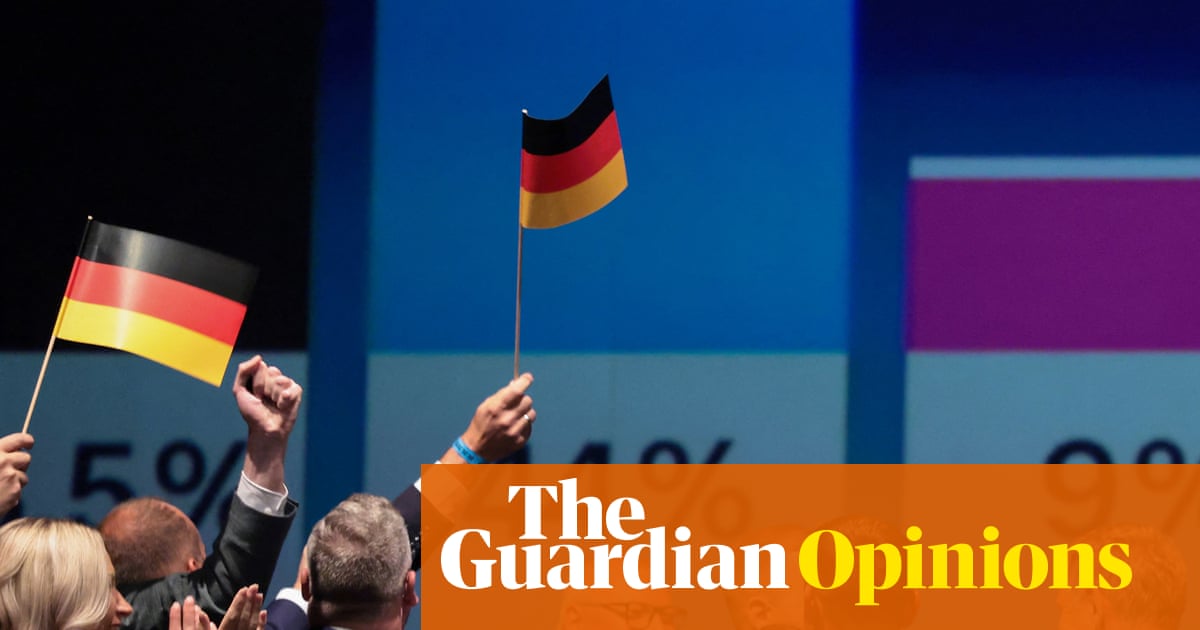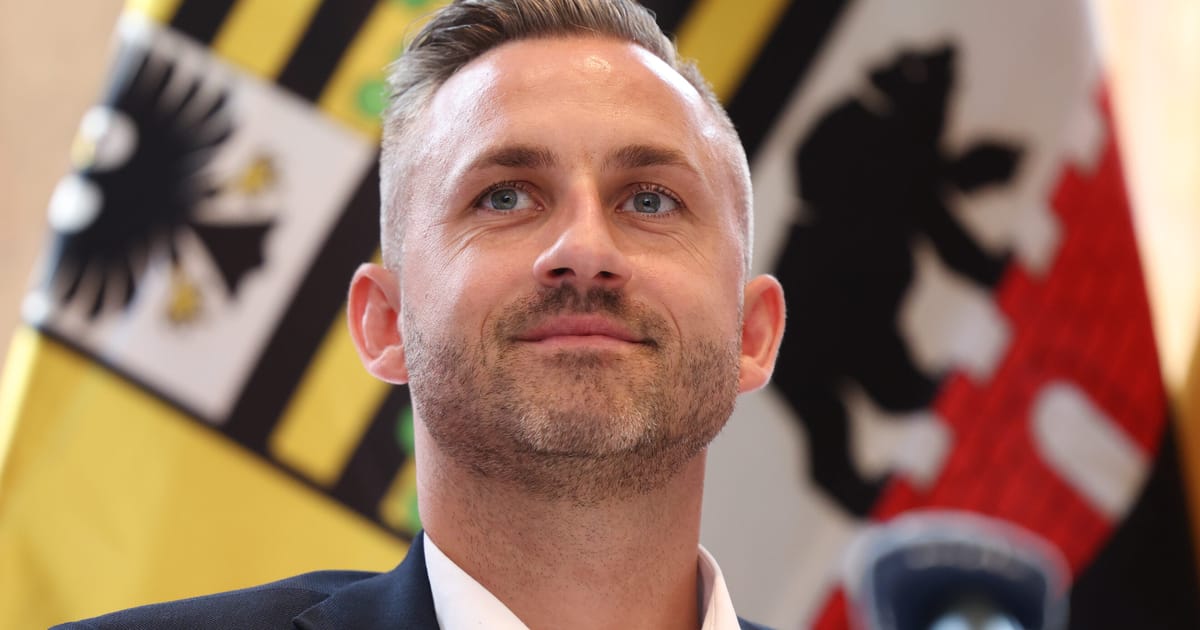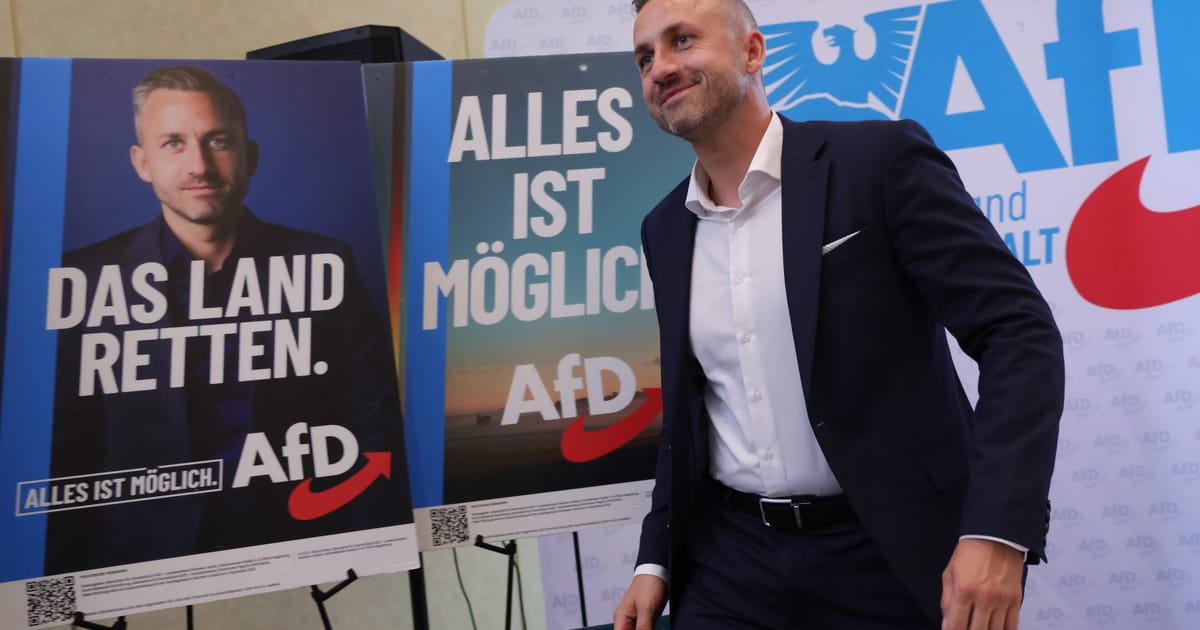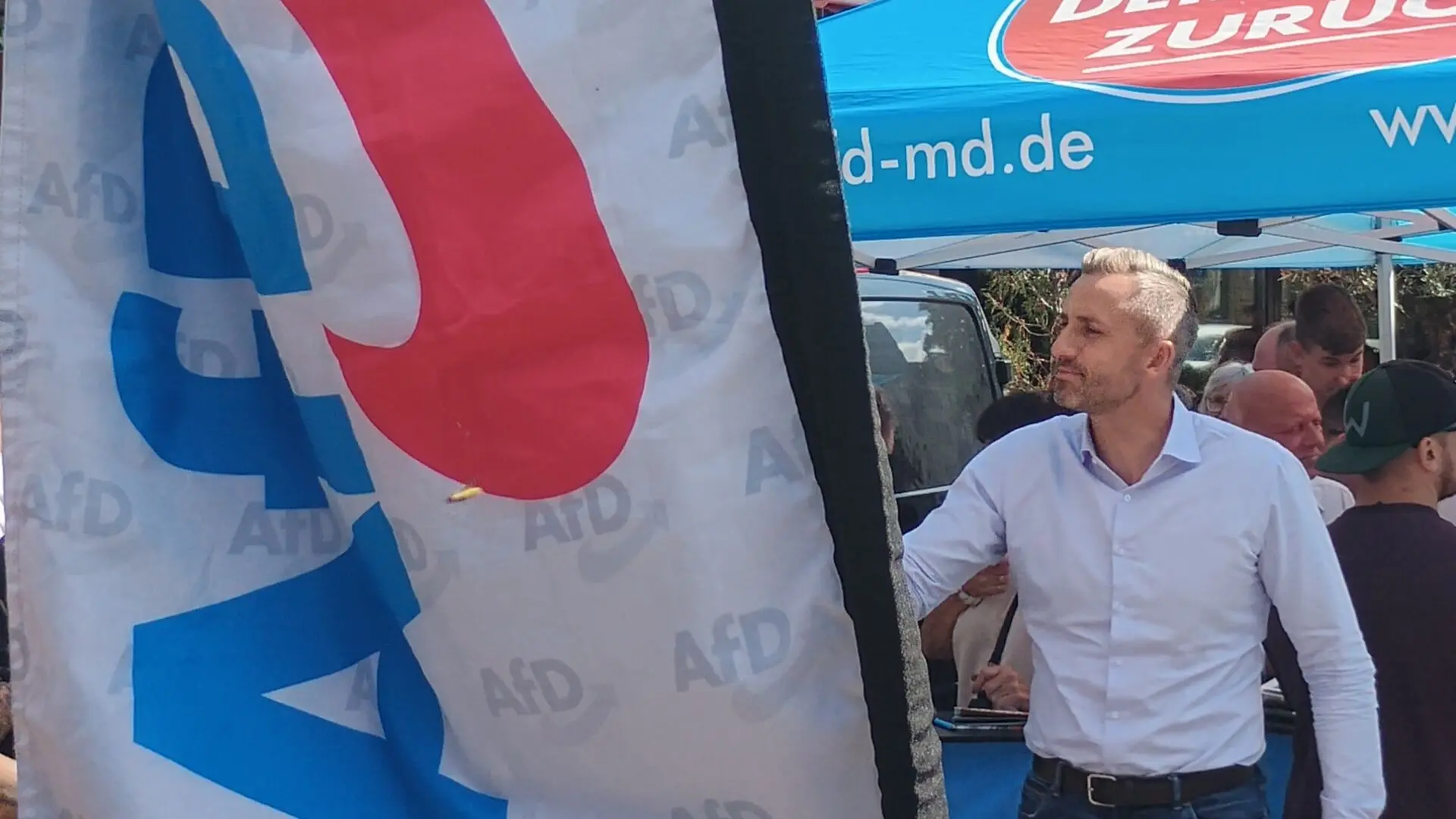
A far-right party will lead a German state government for the first time since the Second World War. The Alternative for Germany (AfD) captured nearly 44 percent of the vote in Saxony-Anhalt on Sunday, a result that reverberated far beyond the state's 2.1 million residents. Turnout surged to 78 percent, up from 60.3 percent five years ago, and no party benefited more from the mobilisation of previous non-voters than the AfD.
A manifesto written for government
The AfD campaigned on its most radical platform to date. It promises a state commissioner for "remigration", the separation of migrant and asylum-seeker children in schools, the abolition of inclusion classes for disabled pupils, a ban on the rainbow flag, mandatory anthem singing, more Kaiserreich history and less teaching about the Nazi era. In culture, it would redirect funding from Holocaust remembrance to commemorating war victims. In media, it wants to withdraw from the Medienstaatsvertrag, the interstate treaty that funds public broadcasting, cutting off Saxony-Anhalt residents from ARD and ZDF.
These are not abstract wishes. Education, culture and broadcasting are near-exclusive competences of the German states under the Basic Law. A state government can enact them without federal approval. Saxony-Anhalt has lost a quarter of its population since 1990 and has one of the oldest age profiles in the country; a "remigration" drive would accelerate demographic decline and worsen labour shortages in healthcare, construction and agriculture.
Three seats and a coalition puzzle
The AfD holds the largest bloc in the Landtag but fell three seats short of an absolute majority. Having previously ruled out governing without one, the party has softened its stance and is now sounding out the equally populist Sarah Wagenknecht Alliance (BSW) or individual CDU parliamentarians willing to break the federal party's firewall. The BSW entered the parliament with a double-digit share, making it the arithmetic kingmaker. Any deal would require the BSW to abandon its own red lines on foreign policy and social spending, or the CDU to fracture at state level.
Federal fallout: the Bundesrat and the Chancellor
Germany's upper house, the Bundesrat, gives states a veto on legislation affecting their competences. Votes are weighted by population: Saxony-Anhalt controls four of 69 votes. That is not a blocking minority, but an AfD-led state government can abstain or vote against federal bills, forcing the coalition in Berlin to negotiate harder for majorities. Since Olaf Scholz left office, the so-called "German vote", Germany abstaining in the Council of the EU because the federal coalition cannot agree, has become routine. Chancellor Friedrich Merz promised to end the practice; a far-right government in Magdeburg makes that promise harder to keep.
Merz's personal approval ratings have hit a historic low. The AfD now polls at 28 percent nationally, roughly ten points ahead of the CDU. No serious voices have yet demanded his resignation over the Saxony-Anhalt result, but the risk of snap federal elections is real. If they were held today, the AfD could emerge as the largest party.
European dimensions: a hazardous calendar
The AfD is not merely anti-immigration; it is fundamentally Eurosceptic. Its programme calls the EU a "failure" and demands a return to pure economic integration with hard border controls. A state government implementing that agenda will deepen Euroscepticism among its citizens and erode trust in EU institutions. The timing is awkward: France holds a presidential election in 2027, Italy a general election the same year, and the EU must finalise its next long-term budget, redesign its security architecture and pass a competitiveness package. A Germany that cannot speak with one voice in the Council complicates all three.
The firewall and the European Parliament
The CDU's internal debate over the Brandmauer, the firewall against cooperation with the AfD, has intensified. If the CDU in Saxony-Anhalt tolerates or supports an AfD ministry, the firewall collapses at state level. That would weaken Germany's position in the European Parliament, where Berlin has been one of the few capitals insisting on a cordon sanitaire against far-right groups. The AfD's delegation in Brussels sits with the hard-right Europe of Sovereign Nations group; a governing AfD at home gives that group institutional legitimacy it previously lacked.
Why the EU's rule-of-law toolbox cannot reach Magdeburg
The European Commission's rule-of-law mechanism, Article 7 TEU, the conditionality regulation, the annual rule-of-law report, is designed for member states, not sub-national governments. Education, culture and broadcasting fall outside EU competence. If an AfD-led Saxony-Anhalt purges school curricula or dismantles public broadcasting, Brussels has no direct lever. The federal government in Berlin would have to act, using its own constitutional tools, but the political will to confront a democratically elected state government is untested.
People mentioned
-
Sarah Wagenknecht
Organisations
Alternative for Germany (AfD) · Sarah Wagenknecht Alliance (BSW) · Christian Democratic Union (CDU) · Bundesrat · European Commission · European Parliament