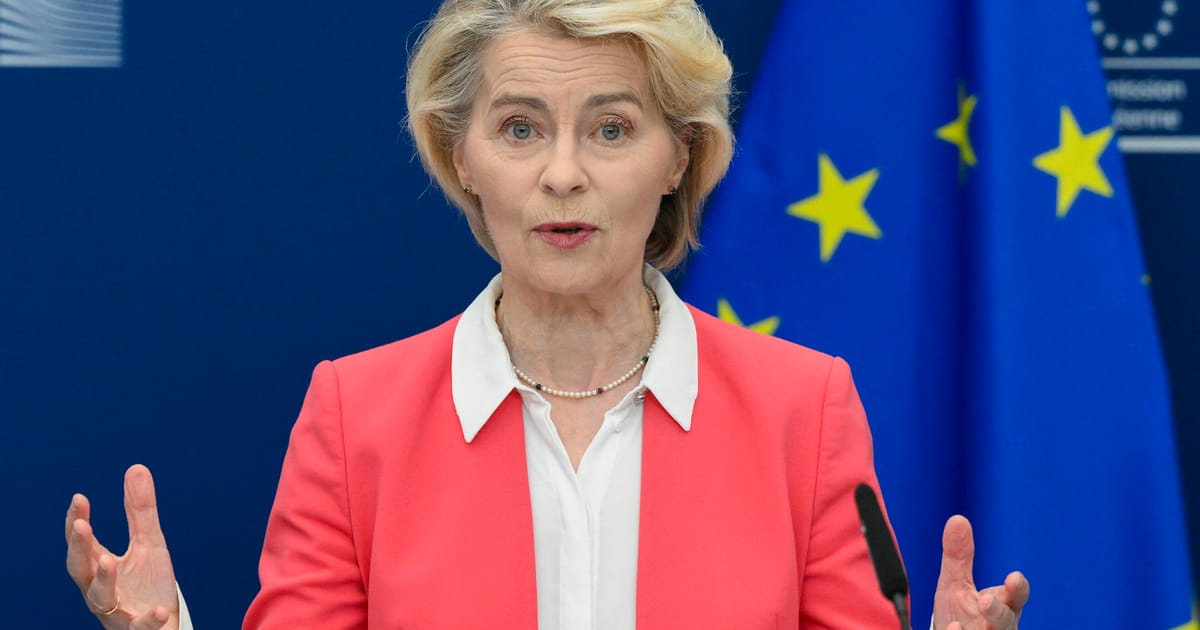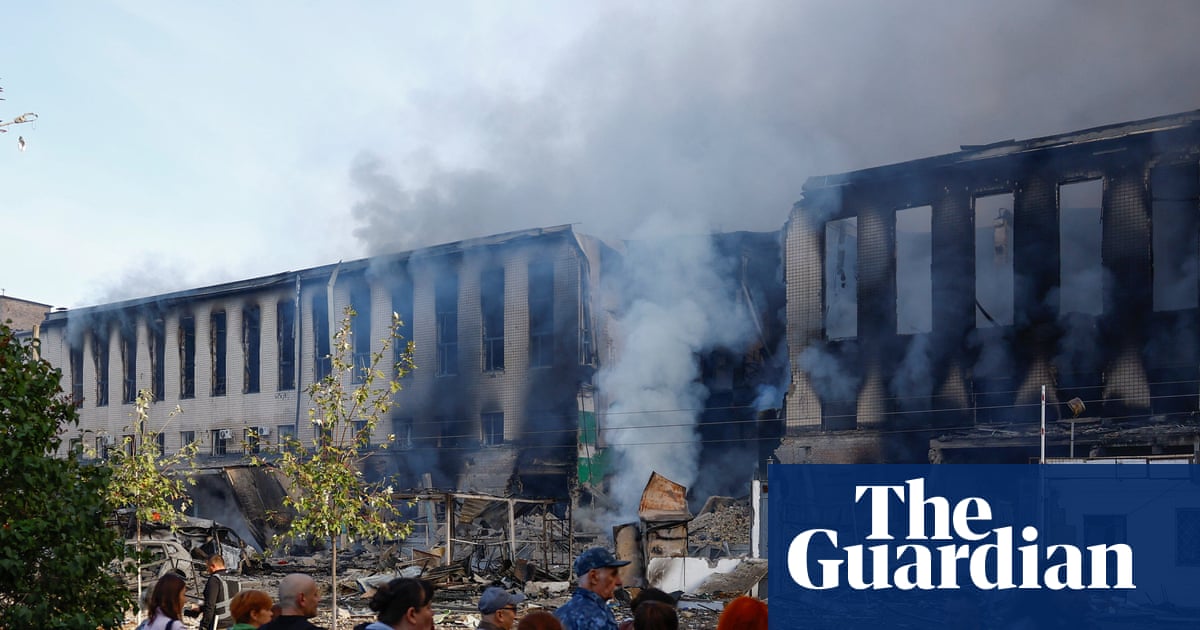
Five European commissioners have warned Ursula von der Leyen that the security environment around Estonia, Latvia and Lithuania is deteriorating faster than the EU's ability to respond. The letter, dated July 30 and signed by Kaja Kallas, Andrius Kubilius, Valdis Dombrovskis and their Polish and Finnish counterparts, describes an increased frequency of airspace violations and drone incursions. It argues these incidents are already damaging the region's business climate and public confidence, and it demands €115 billion in fresh investment for the frontline states.
The letter and the intelligence picture
The commissioners' alarm matches a summer of western intelligence warnings. The Wall Street Journal reported on August 6 that US agencies believed Russia might test NATO resolve with a limited incursion as early as autumn. That assessment prompted CIA Director John Ratcliffe to fly to Moscow on August 25, where he urged the Kremlin against escalation with the Baltic allies. Baltic diplomats confirm additional intelligence on Russian false-flag operations over the summer, though they stress no imminent conventional attack is signalled. They also note the threat may not be confined to the Baltics, pointing to suspected Russian involvement in assassination attempts, fires and drone activity in Germany, Poland and Slovakia.
Defence spending outpaces EU funding
On paper, the three Baltic states are better prepared than most. All have reached or will soon reach the NATO 2035 target of spending 5% of GDP on defence, a threshold many larger allies have yet to meet. The EU has pledged roughly €14 billion in loans for defence and security investment in the region. But the commissioners' letter reveals a deeper anxiety: the next seven-year EU budget, currently under negotiation, proposes a €145 billion pot for security and defence. Germany and other net contributors have already signalled they want a smaller overall budget, and officials fear defence will be an early casualty of the cuts.
Estonian technology fills capability gaps
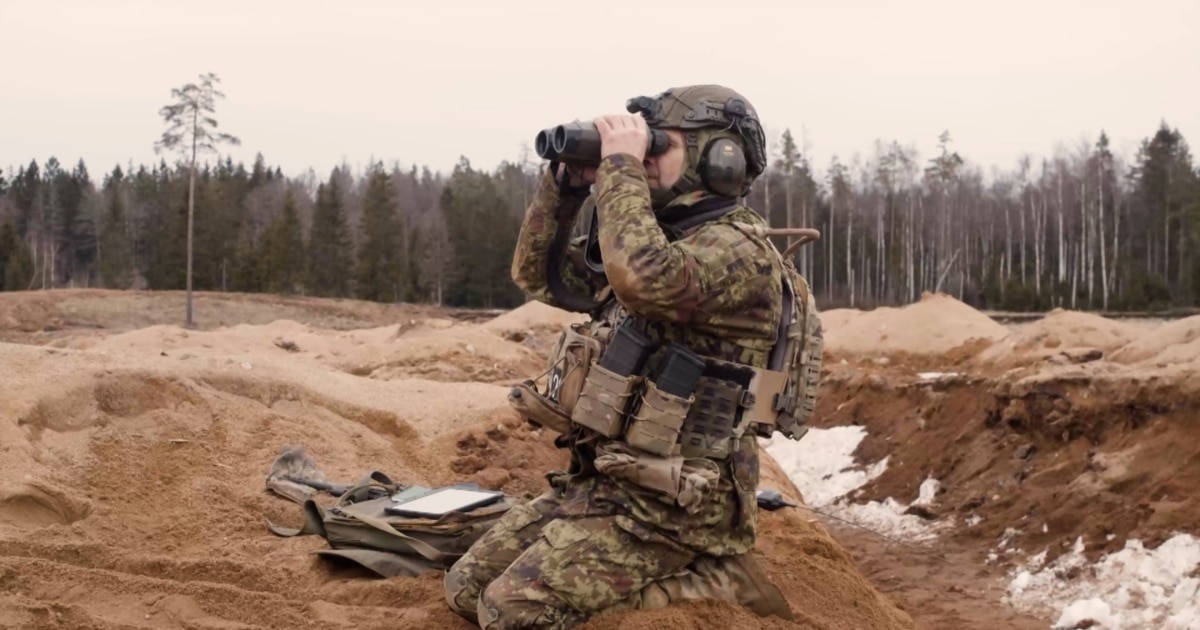
Estonia's private sector is supplying capabilities that larger allies are still developing. DefSecIntel Solutions, an Estonian firm, provides artificial-intelligence software that fuses captured imagery onto a single operational picture. Its vice president, Jaan Hein, told Current Time the company has been on the front lines with Ukrainian colleagues since autumn 2022, and its technology now protects Estonia's borders and those of a dozen other countries. Another Estonian start-up, Wayren, has built software that secures battlefield data exchange on smartphones and tablets from outside interference. Co-founder Henri Harm explained that Estonia specialises in smart, innovative solutions that integrate into larger platforms rather than building tanks or ships itself.
Infrastructure projects stall
Two flagship projects illustrate the gap between ambition and delivery. The 'drone wall', a sensor and effector network meant to shield the EU's entire eastern flank, was widely discussed last year but has barely advanced. A Baltic official put it bluntly: nobody has this wall yet, not even the Ukrainians. The obstacles are financial, technical and legal: no agreement on who pays, key sensors and command-and-control systems remain immature, and debate continues over human versus automated engagement authority.
Rail Baltica, launched in 2015 to replace Soviet-era broad gauge with standard gauge linking the Baltics to Poland and the wider EU, has fared little better. The original 2024 opening was abandoned long ago; the revised 2030 target is now in doubt amid spiralling costs, flawed initial planning, constant design changes and disputes between and within the three countries. The line is militarily critical: it would create a strategic mobility corridor that maximises NATO troop and equipment flows while negating the Suwalki Gap, the narrow land bridge between Belarus and Kaliningrad that most planners believe Moscow would target first in a conflict.
Suwalki Gap: fortifications and training grounds
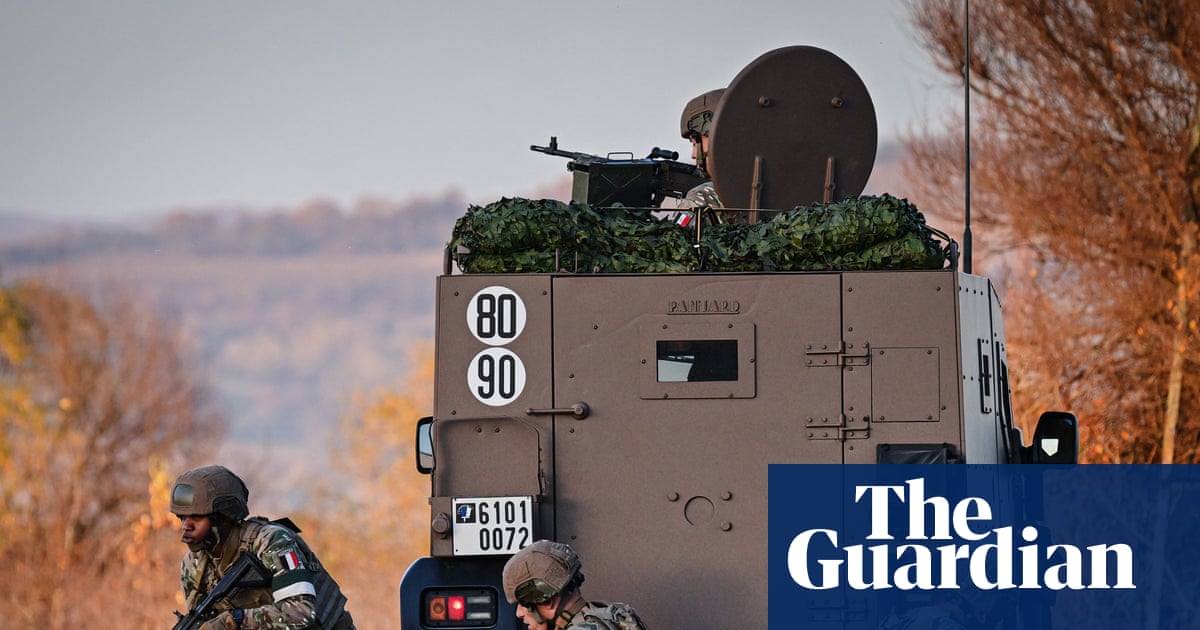
While Rail Baltica stalls, military planners are building workarounds. Lithuania has passed legislation for a military training ground at Kapciamiestis, near the gap, where up to 4,000 Lithuanian and allied troops will exercise. Preparatory work has begun. This complements Germany's 45th Armoured Brigade, deploying just north of the gap, and a US-led multinational NATO battlegroup stationed to the south in Poland. The Latvian, Lithuanian and Polish borders with Belarus are also being hardened with fences and ditches to deter both military incursions and the migrant flows that Minsk and Moscow have facilitated since 2021.
Internal scepticism
Not everyone in the region is convinced the current mix of spending, technology and fortifications adds up to a coherent defence. Valdas Tutkus, former commander of the Lithuanian Armed Forces, told Current Time that Lithuania is buying 1,000 trucks and building a defensive line even though modern warfare will not be fought with tanks. On Kapciamiestis, he said the Defence Ministry had offered no clear rationale beyond 'believe me, we need it', leaving him without arguments to assess the project's merit.
Budget negotiations will decide the next phase
The commissioners' letter is timed to influence the opening rounds of the multiannual financial framework talks. Germany's insistence on a smaller budget collides directly with the frontline states' demand for a step-change in resilience funding. The European Commission's own proposal for €145 billion over seven years is already a compromise; further reductions would force the Baltics to choose between national defence procurement and the collective infrastructure, rail, energy, air defence, that makes that procurement effective. The next European Council meeting in October will test whether the letter's urgency translates into political capital.
People mentioned
-
Valdas Tutkus
Organisations
European Commission · NATO · CIA · DefSecIntel Solutions · Wayren