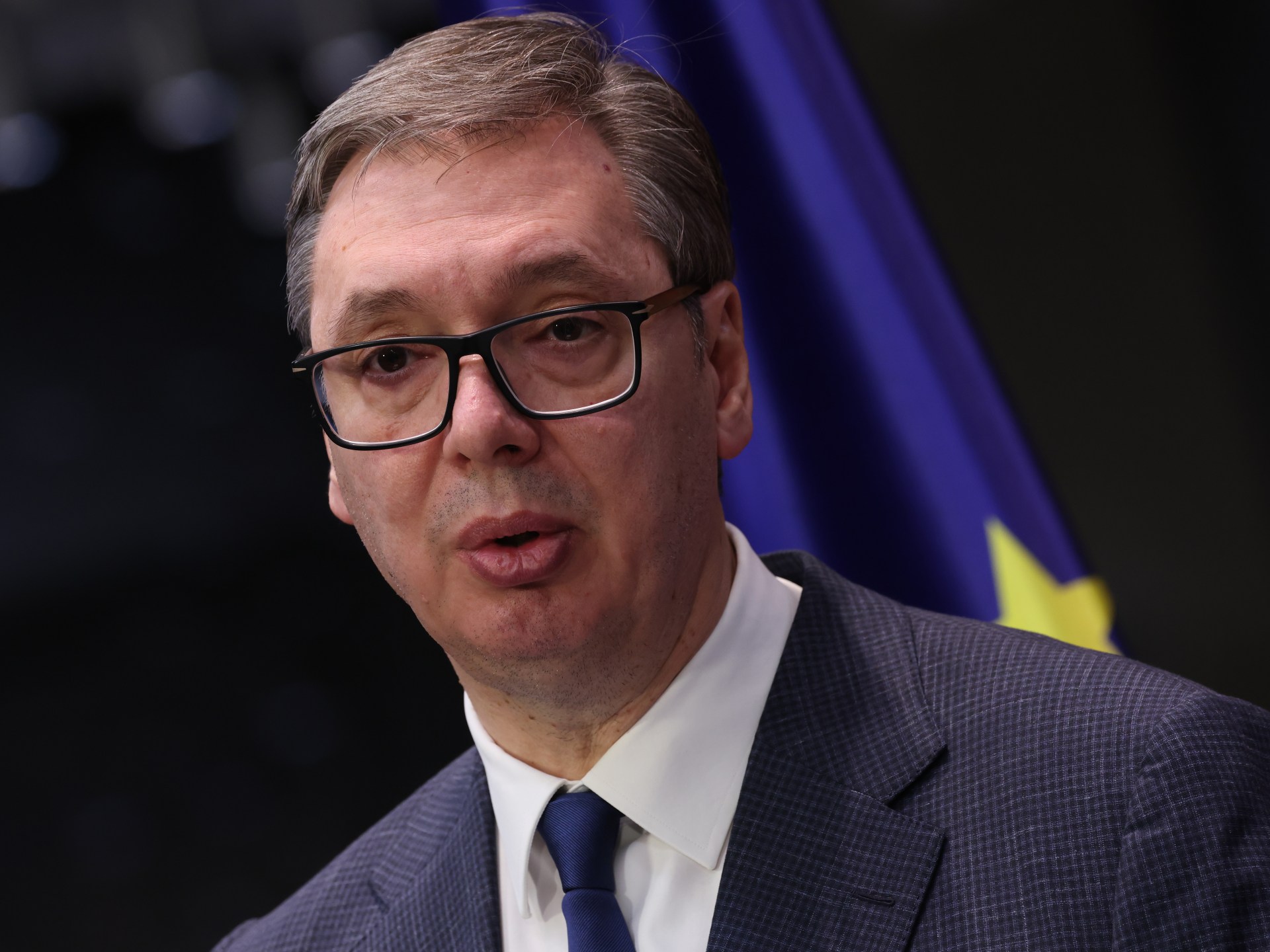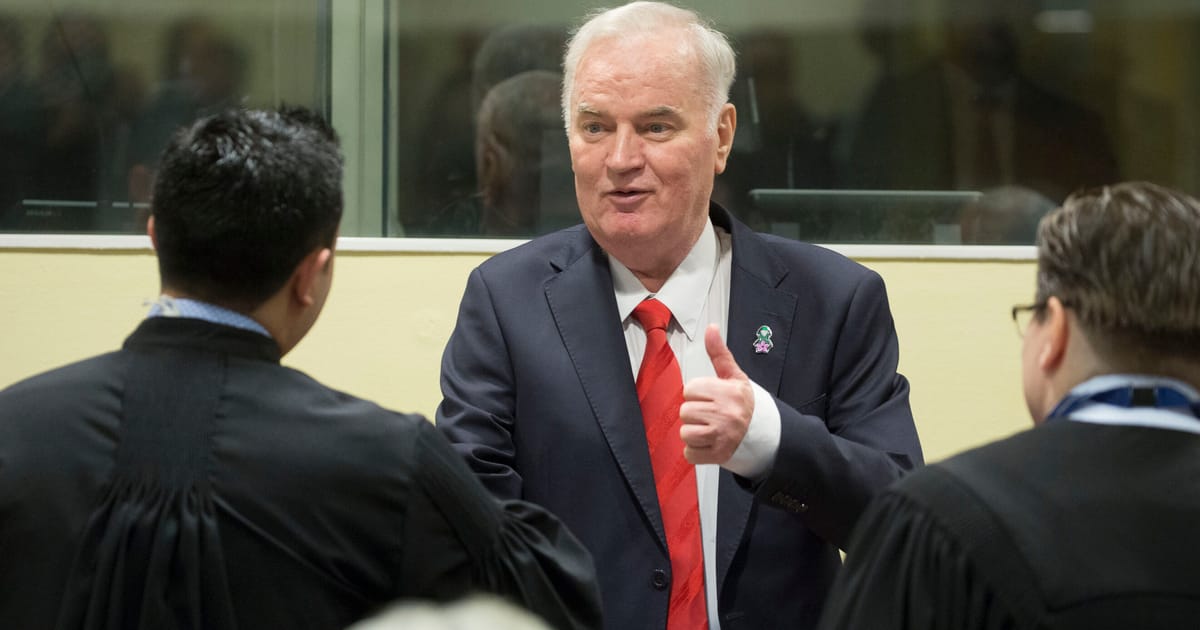
Serbia's decision to bury Ratko Mladic with full military honours has triggered the sharpest European Union rebuke of Aleksandar Vucic's government in years, casting fresh doubt over Belgrade's membership ambitions. The Bosnian Serb general, convicted of genocide, crimes against humanity and war crimes by the International Criminal Tribunal for the former Yugoslavia, died in June while serving a life sentence in The Hague. His coffin was carried by Serbian army soldiers on Monday, draped in the national flag, while Patriarch Porfirije of the Serbian Orthodox Church led the service.
State presence at a war criminal's funeral
Justice Minister Nenad Vujic stood with Mladic's family throughout the ceremony. The Russian ambassador, Alexander Botsan-Kharchenko, and Milorad Dodik, the separatist leader of Bosnia's Serb entity, Republika Srpska, were also present. Vucic himself stayed away, but his son Danilo attended. The president later characterised the event as an "emotional outpouring" and said authorities had merely ensured order so the funeral passed in a "dignified" manner. For many Serbs, Mladic remains a hero; for the EU, the official trappings crossed a line.
Brussels draws a red line
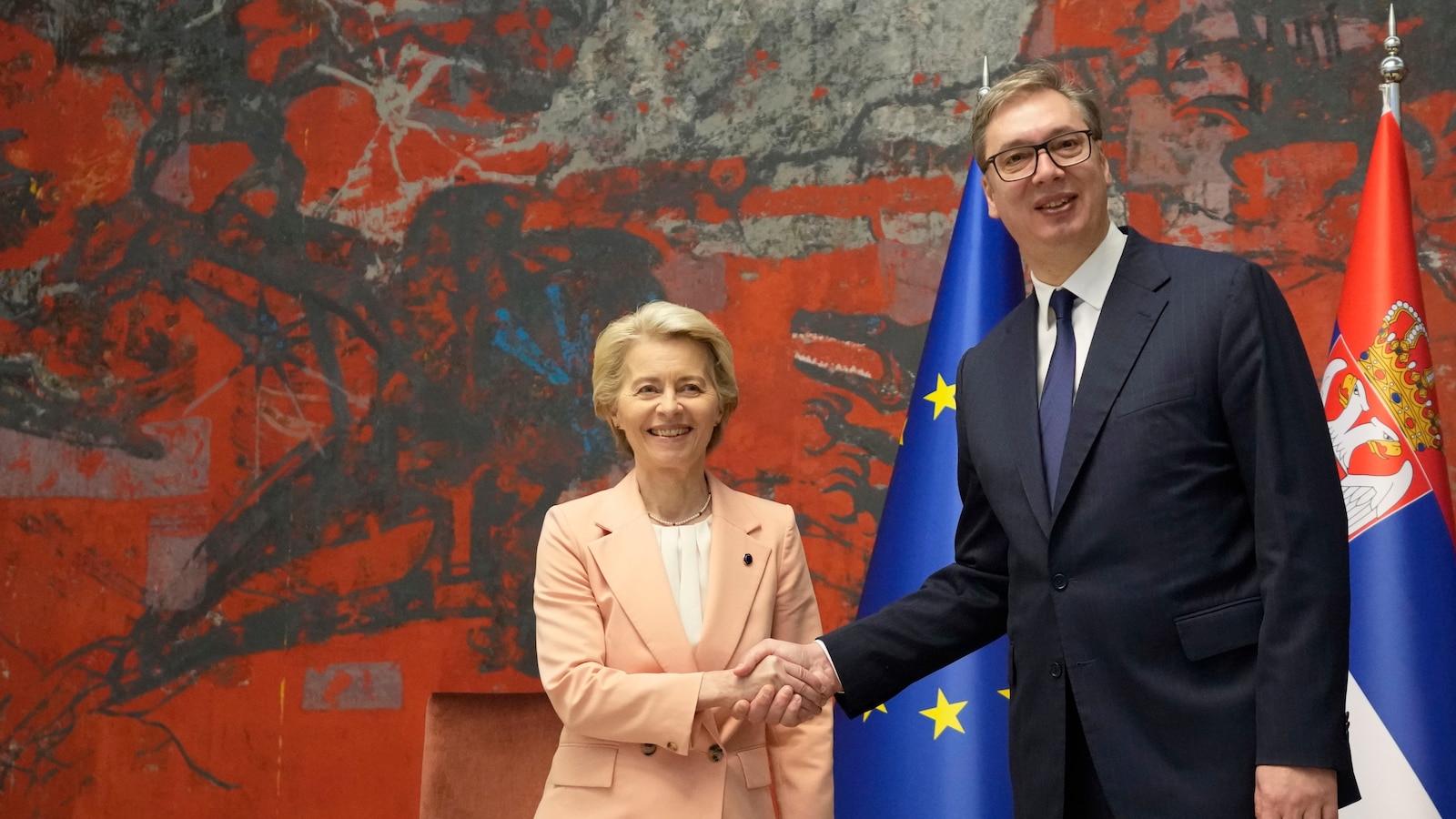
Ursula von der Leyen and Antonio Costa took the unusual step of issuing a joint statement on social media within hours of the burial. "The images from Ratko Mladic's funeral yesterday in Belgrade were shocking," they wrote. "The elements of official support and the presence of some senior Serbian officials at the funeral are deeply regrettable. They demonstrate a failure to confront a dark chapter in Europe's recent history and contradict the values underpinning Serbia's path towards the European Union." The language was deliberate: not a procedural objection but a values-based rejection of the symbolism Belgrade chose to project.
Enlargement commissioner cancels visit
Marta Kos, the EU's enlargement commissioner, had warned last week that the funeral would serve as "a test" for Belgrade. She cancelled a planned visit to Serbia, arguing that "the glorification" of Mladic's death would be incompatible with EU values. The move signals that the Commission is prepared to use the enlargement process as leverage. The annual enlargement report, traditionally published in late October or early November, will now carry a heavier judgment on Serbia's chapter on reconciliation and regional cooperation.
Funding at stake
The financial stakes are already concrete. In April, Kos warned that Serbia could lose access to around €1.5bn in EU pre-accession funds as concern mounted over irregularities in municipal elections. That threat has not been withdrawn. The enlargement report will assess whether Belgrade has addressed the OSCE/ODIHR recommendations on electoral reform; the Mladic funeral adds a political dimension that makes a positive assessment harder to justify.
Vucic's political calculation
Vucic is walking a tightrope. A former extreme nationalist who supported Serbia's expansionist policies during the 1990s wars, he now presents himself as the guarantor of stability and EU integration. An early parliamentary election could be called as soon as late October. Mladic's admirers form part of his core electorate; alienating them risks turnout, but alienating Brussels risks the funding and the membership timeline on which his reform narrative rests. His absence from the funeral was calculated, yet the presence of his justice minister and his son sent a different signal.
The EPP's Serbian dilemma
Complicating the EU's response is the relationship between Vucic's Serbian Progressive Party (SNS) and the European People's Party (EPP), the largest group in the European Parliament and the political home of von der Leyen, half her college of commissioners, and Parliament President Roberta Metsola. The EPP has long been accused of shielding Vucic from harsher scrutiny. Slovenian Green MEP Vladimir Prebilic said last week: "It is high time for the EPP to stop acting as a safe haven for the SNS party, which openly celebrates convicted war criminals and rolls out the red carpet for the 'Butcher of Bosnia'." The parallel with Hungary's Fidesz is unavoidable: the EPP suspended Fidesz in 2019 over rule-of-law concerns, and Fidesz left the group in 2021. Whether the EPP will apply similar pressure to SNS remains an open question.
The enlargement calendar
Von der Leyen is scheduled to tour the Western Balkans just before the enlargement report's publication, though no dates or agenda have been made public. Her itinerary will be closely watched: a stop in Belgrade would signal engagement; a skip would signal consequences. The Commission spokesperson said only that they are "looking into it" when asked about specific repercussions for the membership bid. That phrasing suggests the decision has not been taken, but the direction of travel is clear.
People mentioned
Organisations
European Commission · European Council · European Parliament · European People's Party · Government of Serbia · Serbian Orthodox Church