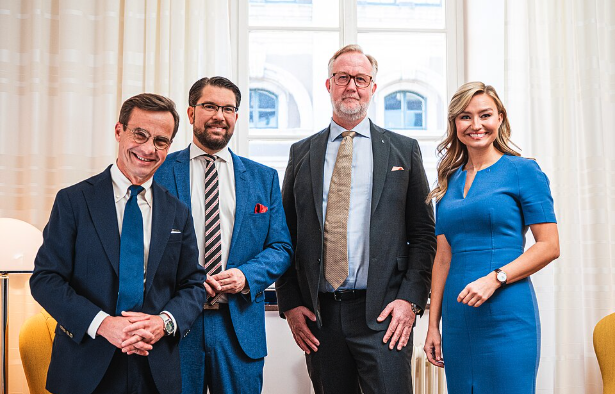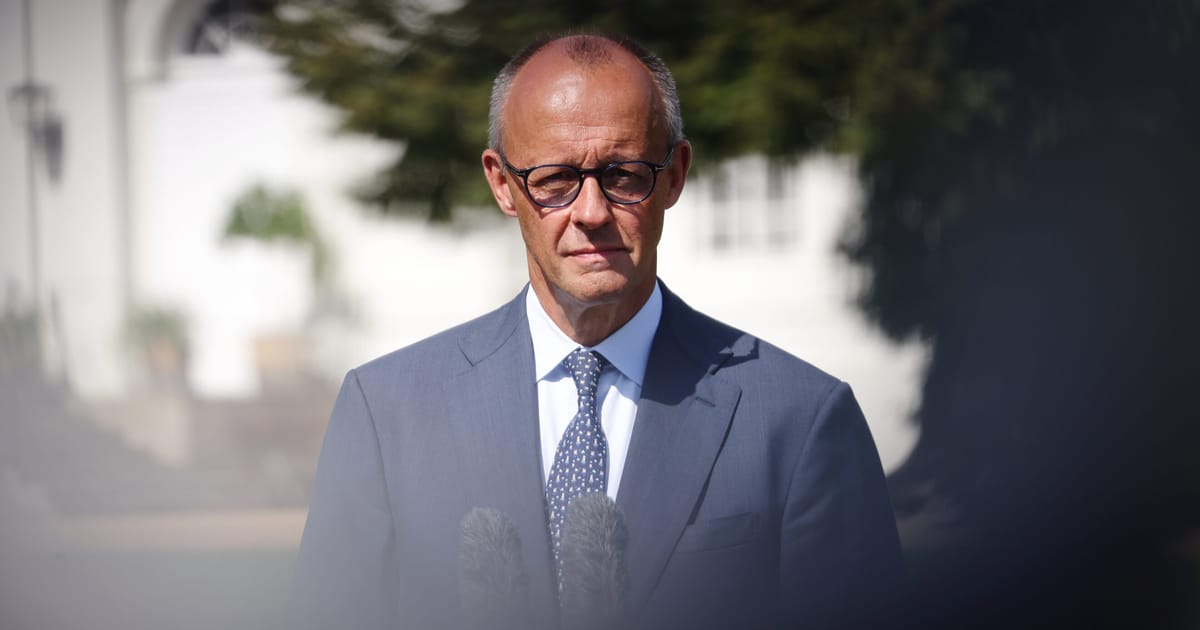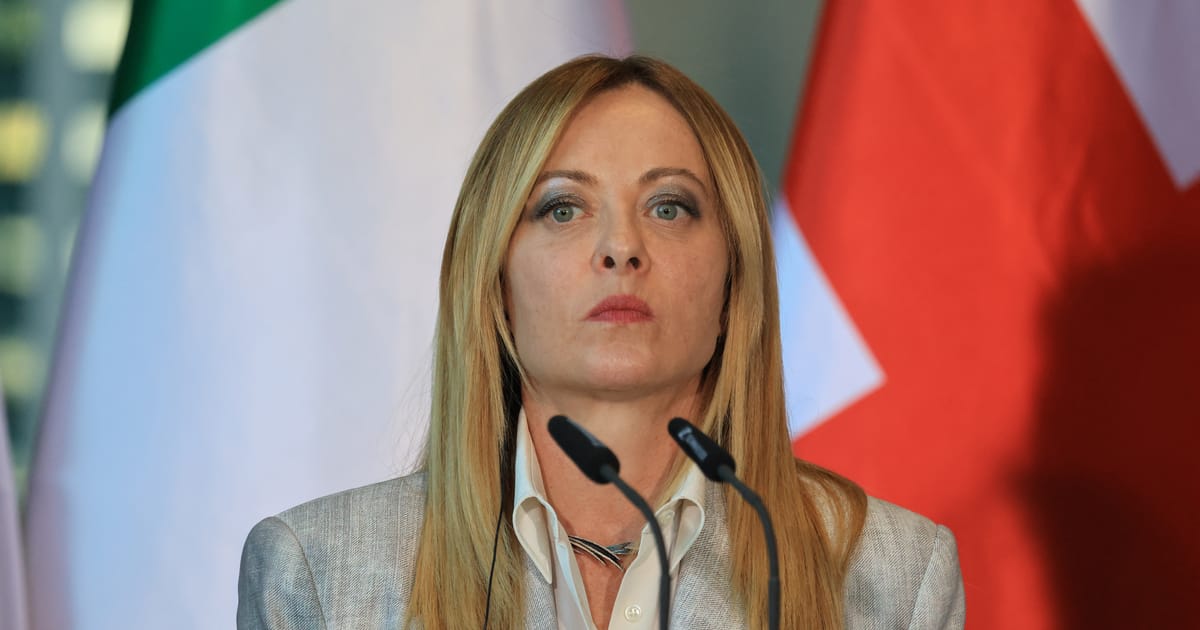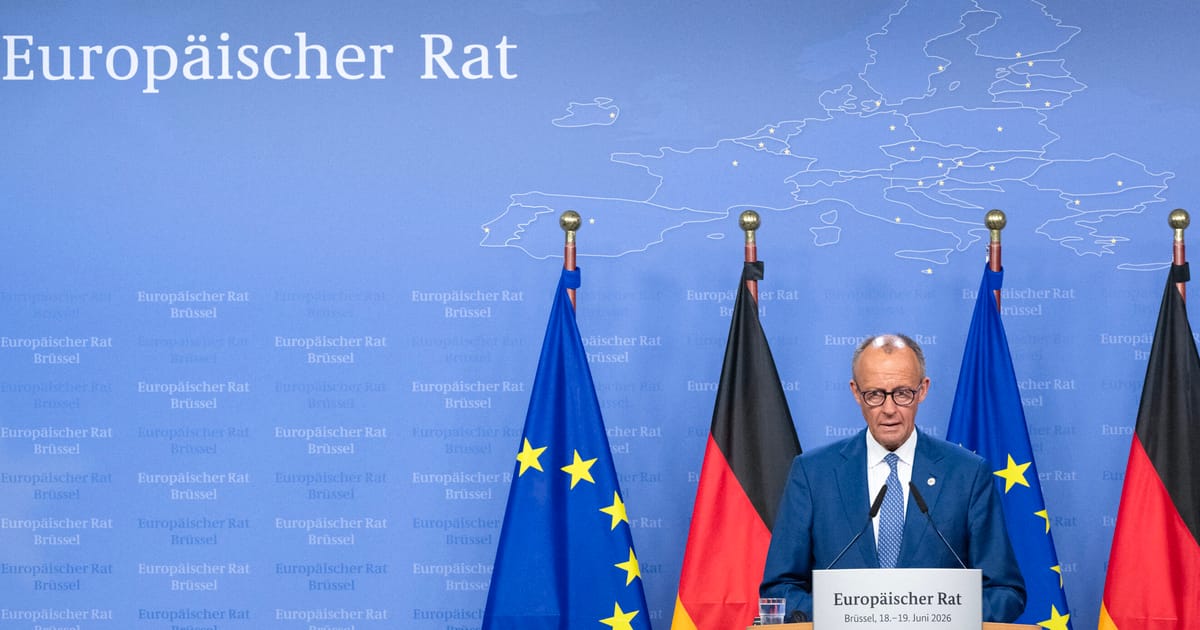
German Chancellor Friedrich Merz will host the leaders of the Netherlands, Finland, Austria, Denmark and Sweden in Berlin on Thursday, forging a common front to demand that hundreds of billions of euros be sliced from the European Commission's near-€2 trillion proposal for the 2028-2034 multiannual financial framework. The meeting marks the most concerted push yet by the bloc's traditional net contributors to shrink the next seven-year budget, even as European Council President António Costa criss-crosses the continent searching for a compromise that can survive the political calendar bearing down on the negotiations.
A rival track to Costa's shuttle diplomacy
Costa has spent the past week in Bratislava, Tallinn, Riga and Vilnius, with Prague next on his itinerary. His method is deliberate: listen to capitals one by one, identify landing zones, and build a package that can command unanimity at the October summit. The Berlin gathering, by contrast, is a show of collective force. Austrian Chancellor Christian Stocker put it bluntly: "The total budget must be substantially reduced, by hundreds of billions of euros. It is unacceptable that Brussels is discussing the largest budget in history while we at home have to tighten our belts." Finnish Prime Minister Petteri Orpo was more measured, endorsing the Commission's broad priorities while insisting the overall ceiling is too high.
The two tracks are not formally opposed. Officials insist both sides want a deal by year-end, before elections in France, Spain and Italy in 2027 turn an already difficult negotiation into a near-impossible one. But the Berlin meeting signals that the northern contributors intend to set the terms of the debate before Costa's compromise numbers land on the table. Ireland, which holds the rotating Council presidency, will present fresh figures in October. Only then, diplomats say, will the real horse-trading begin.
Domestic pressure sharpens Merz's hand
Merz's urgency is not purely fiscal. He faces a state election in Saxony-Anhalt on 6 September where the far-right Alternative for Germany (AfD) leads in polls, and his national approval ratings have slumped. Any perception that he is waving through a record Brussels budget while German households feel the squeeze would be politically toxic. Germany contributes roughly a quarter of the EU budget, the largest share of any member state, giving Merz both the leverage and the domestic imperative to drive a hard bargain.
Sweden's general election on 13 September adds another variable. A shift in Stockholm's government could alter the composition of the northern bloc. For now, the six leaders in Berlin are united on three demands: a lower overall ceiling, a reorientation of spending from agriculture toward defence and security, and rule-of-law conditionality on fund disbursement. What they have not yet done is attach precise figures to those demands. Countries only received the detailed breakdown of the Commission's proposal in June, and one senior EU official noted that Merz has yet to specify which programmes he would cut or by how much, a silence that may indicate his final ask is less onerous than his rhetoric.
The revenue question moves centre stage
If the budget is to fund higher defence outlays, migration management and potential enlargement without gutting cohesion and agricultural spending, new revenue, so-called own resources, becomes unavoidable. Costa acknowledged as much on Wednesday: "There are two ways to do this: through the national contributions or through own resources. From my point of view, the main priority now is to fix what kind of new own resources we can agree on." The Commission's July proposal included levies on emissions, carbon imports, non-recycled electronic waste and tobacco, plus an annual lump-sum payment from large companies. The European Parliament has added digital services, online gambling and crypto assets to the menu.
Northern and eastern capitals have historically resisted granting Brussels independent taxing powers. That resistance is cracking. Lithuanian President Gitanas Nausėda, meeting Costa in Vilnius, said Lithuania, customarily sceptical of new EU taxes, might soften its position if the budget delivers on defence, security and regional development. "If we see the ambition we will of course be flexible, we will be constructive in searching for compromises," he said. Estonian Prime Minister Kristen Michal struck a similar note, endorsing new own resources provided they "demonstrate genuine European added value and avoid creating disproportionate burdens for member states."
Technical constraints on new own resources
Any new revenue stream must meet four tests, according to an official from one of the Berlin participants: stable and predictable income across the seven-year cycle, legal and technical workability, entry into force by 1 January 2028 or shortly after, and unanimous approval. The unanimity requirement is the hardest. A single veto can kill a proposal, which is why Costa's bilateral tour matters. He is testing not just appetite for cuts but tolerance for specific tax instruments, country by country, before the October summit forces a collective choice.
The Berlin six will discuss which of the Commission's and Parliament's proposals they can accept. Their willingness to entertain new own resources, even in principle, marks a shift. For years the net contributors argued that higher national contributions were preferable to EU-level taxation, because contributions remain under national parliamentary scrutiny. The scale of the defence and enlargement challenge has altered that calculus. As one diplomat put it, the arithmetic no longer works without new revenue.
Agriculture and cohesion: the red lines harden
While the north pushes for cuts and reorientation, Spain and other southern and eastern members are digging in on agriculture and cohesion funding. They argue the Commission's proposal should not be reduced and that redirecting money from the Common Agricultural Policy would undermine food security and rural livelihoods. The collision is structural: the net contributors want a smaller budget spent differently; the net beneficiaries want the current envelope protected. Costa's task is to find a formula that lets both sides claim victory, or at least avoid defeat.
Rule-of-law conditionality adds a further layer. The Berlin group wants payments linked to democratic standards, a tool already used against Hungary and Poland. Southern and eastern capitals view it as political interference. The mechanism survived legal challenge at the Court of Justice of the EU, but its application in the next budget cycle remains a negotiating chip.
The calendar leaves no margin
The next four months are the last realistic window. After October's summit, the European Parliament must give its consent, and the Council must adopt the regulation unanimously. The French presidential election in spring 2027, followed by Spanish and Italian votes, will consume political bandwidth in the three largest member states after Germany. If the budget is not sealed by December 2026, it likely drifts into 2028 under temporary arrangements, a scenario the Commission and Council presidency are desperate to avoid.
People mentioned
Organisations
European Council · European Commission · German Federal Government · Austrian Federal Government · Finnish Government · Office of the President of Lithuania