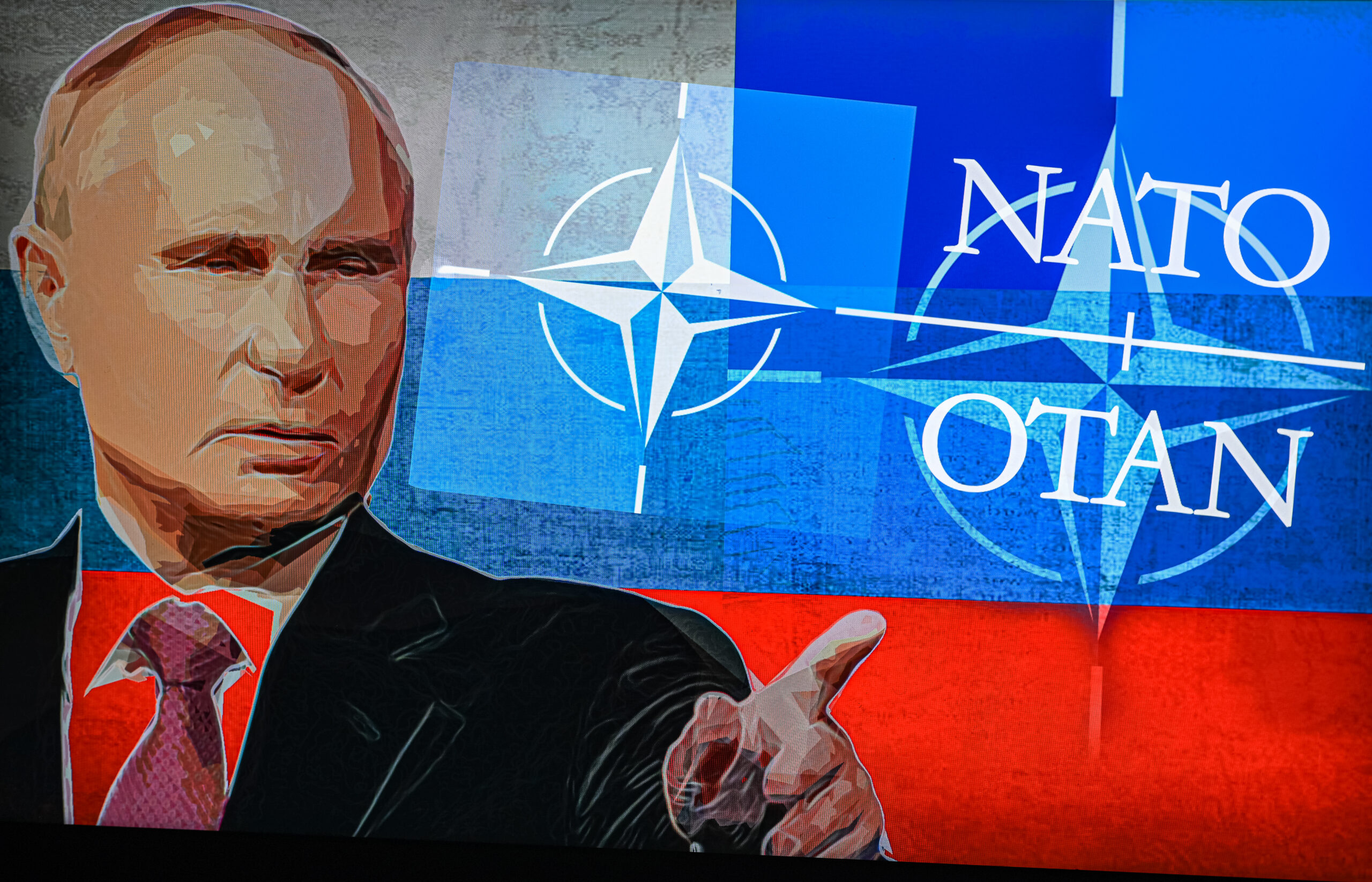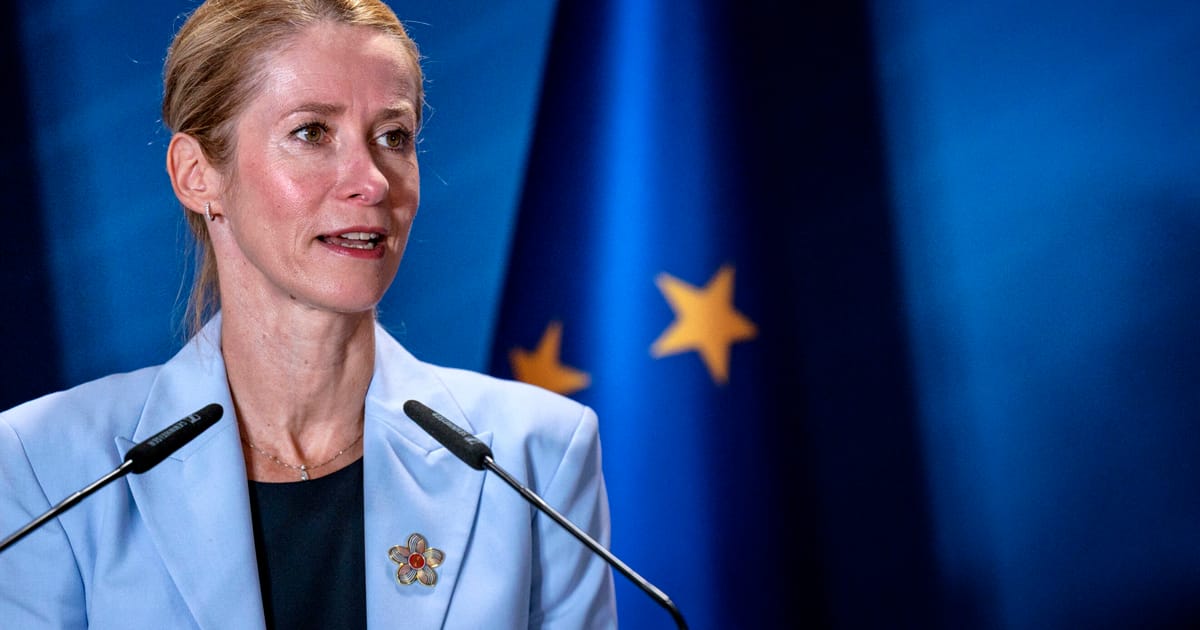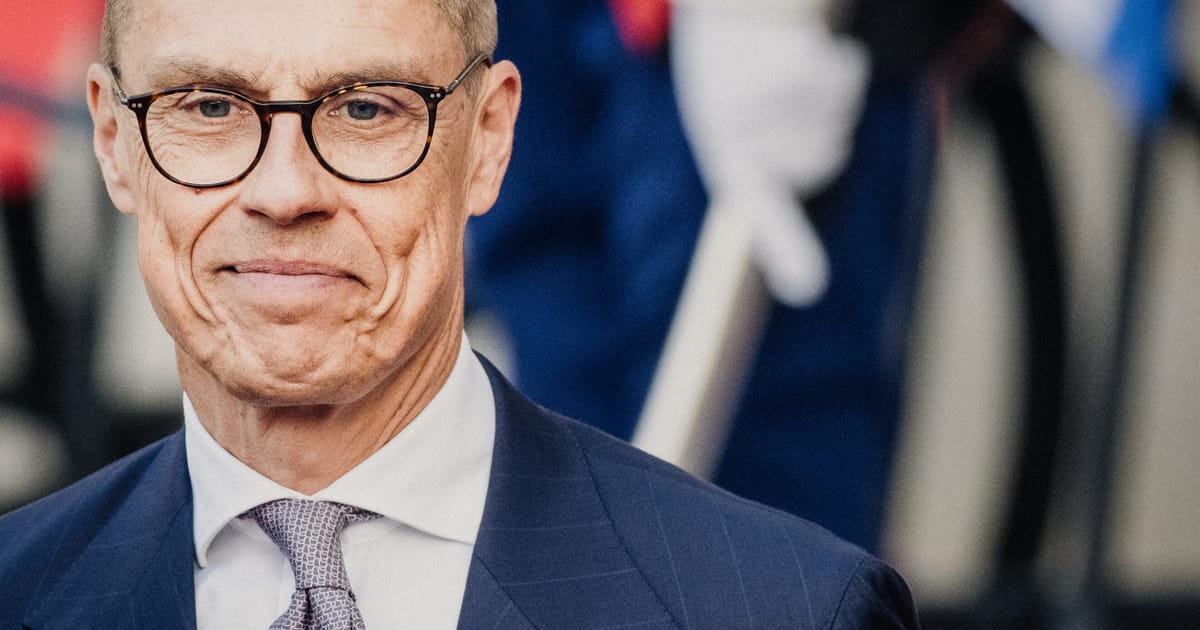
When the director of the Central Intelligence Agency travels to Moscow and Russian state media cannot agree on whom he met, something is being concealed. John Ratcliffe's visit in late August has reignited a debate that European policymakers would prefer to keep theoretical: whether Vladimir Putin, cornered by military setbacks in Ukraine, might escalate against NATO territory to save his regime.
A Kremlin meeting nobody will confirm
Russian media outlets offered contradictory accounts of Ratcliffe's interlocutor. Some named Sergei Naryshkin, head of the Foreign Intelligence Service (SVR). Others pointed to Alexander Bortnikov, director of the Federal Security Service (FSB). Yet Ratcliffe went to the Kremlin, not to SVR headquarters in south-west Moscow or to the FSB's Lubyanka building. Putin cancelled a scheduled appointment that day. The simplest reading, advanced by Jacques Lafitte, a former EU official who helped create the euro, is that Ratcliffe met Putin himself. The inability of Russia's propaganda apparatus to settle on a single cover story suggests the substance of the meeting matters enough to obscure.
What Ratcliffe may have told Putin, and what Putin may have told Ratcliffe, is unknown. But the visit coincides with a period of marked deterioration for Russian forces in Ukraine, and that context shapes how analysts interpret it.
The war Putin is losing
Russia's invasion force has contracted from approximately 750,000 troops on the ground at the start of 2026 to fewer than 700,000 today, according to estimates cited by Lafitte. Russian casualties in July and August alone reached 80,000. Ukraine expelled Russian forces from the Dnipropetrovsk oblast in August and is pressing the fight near Lyman in the Donbas, a town recently considered lost. Ukrainian forces may have retaken roughly 1,000 km² of occupied territory in August, exceeding Russia's cumulative net gains since January.
Putin's stated objective for the summer, capturing the Kramatorsk-Sloviansk fortress area, has been deferred. Russian military bloggers, not known for pessimism, now acknowledge the momentum has shifted. Refineries and logistics hubs inside Russia continue to burn. The Economist recently reported a remark attributed to Putin: "They will hang me." Whether apocryphal or not, it captures the stakes. Defeat, for Putin and those around him, is not an outcome they can survive.
The mobilisation dilemma
Ukraine's president, Volodymyr Zelensky, has said Russia is preparing to mobilise 600,000 men. Western analysts put the figure between 200,000 and 500,000. The range matters less than the political problem: mass conscription in Russia now carries severe regime risk. In August, 130,000 men aged between 20 and 50 crossed the border into Georgia alone. A broader call-up would accelerate the brain drain and drain the economy of labour. Russians who once tolerated the war from a distance now queue at depleted petrol stations and listen to Ukrainian drones overhead. The social contract that sustained the invasion is fraying.
Putin's regime has spent months publicly denying any intention to mobilise, mocking what it calls NATO warmongering. That was precisely the posture adopted before the full-scale invasion of February 2022. Reversing course now would be harder. Mobilisation would need a justification, ideally one that frames conscription as national defence rather than foreign adventure.
Why Narva fits the Russian playbook
Lafitte's analysis, which has circulated among European security commentators since publication, argues that only one scenario gives Putin both the mobilisation pretext and the political shock he needs: a limited invasion of NATO territory. Three candidates present themselves. The Suwalki corridor, the 80 km stretch of Polish-Lithuanian border between Kaliningrad and Belarus, is heavily defended by multinational forces. The Latvian border with Russia is forested and sparsely populated, making it hard to construct a narrative about imperilled Russian speakers.
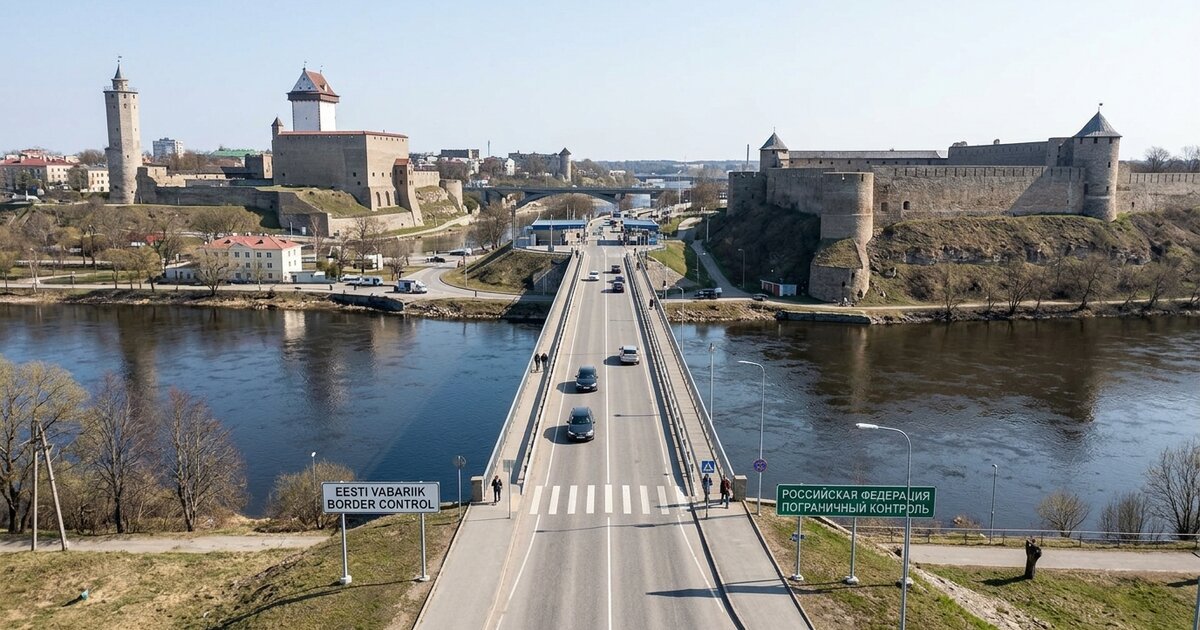
Narva, by contrast, fits the template Russia used in Ukraine. Estonia's third-largest city, with 50,000 inhabitants, is predominantly Russian-speaking and sits directly on the Russian border, separated by the Narva River. It has clear municipal boundaries and a history of Russia-inspired provocations. The one bridge into the city could be destroyed by Estonian defenders, but Lafitte notes that Russia appears to be discreetly preparing its river bank as an alternative crossing point.
The logic, from Putin's perspective, would be to seize Narva, sign an annexation decree, and wait. If NATO does not respond forcefully, Putin claims a victory that restores domestic enthusiasm. If NATO responds, Putin has his mobilisation justification: the fatherland is under attack.
NATO's tolerance and its limits
Russia's hybrid warfare against NATO states has intensified. Drones have exploded in Poland and Romania. Armament sites across Europe have been sabotaged. German power plants have suffered large-scale cyberattacks. None of it has pushed European publics or governments toward war. From the Kremlin's vantage point, NATO's tolerance threshold appears hopelessly high. That calculation may be wrong, but it is not irrational. Donald Trump, who recently invited Russia back to the G20 summit in Asheville, has publicly stated Russia will not attack NATO on his watch. He loathes the alliance and is preoccupied with domestic political survival ahead of midterm elections that look punishing for his party.
Yet the same midterms create a counter-pressure. A Russian incursion into an EU and NATO member state weeks before Americans vote would humiliate Trump, who has staked credibility on the claim that Putin would not dare. The political incentive for a forceful American response, however reluctant, would be considerable.
What escalation would cost Russia
Even if a Narva incursion met no immediate military resistance, it would not solve Putin's underlying problem. Mobilising hundreds of thousands of unmotivated conscripts would send poorly trained men into a theatre where Ukraine is producing roughly 7 million drones this year, including 6 million first-person-view drones designed to kill individual soldiers. Mass mobilisation would deepen the hole Russia is already digging.
At the Shanghai Cooperation Organisation summit in Bishkek, Xi Jinping, Narendra Modi and Kassym-Jomart Tokaiev each told Putin publicly to end the war. China's patience matters more than most, and it is wearing thin. A NATO provocation would test whether Beijing's frustration has limits.
People mentioned
-
Jacques Lafitte
Organisations
Central Intelligence Agency · North Atlantic Treaty Organization · Federal Security Service · Foreign Intelligence Service