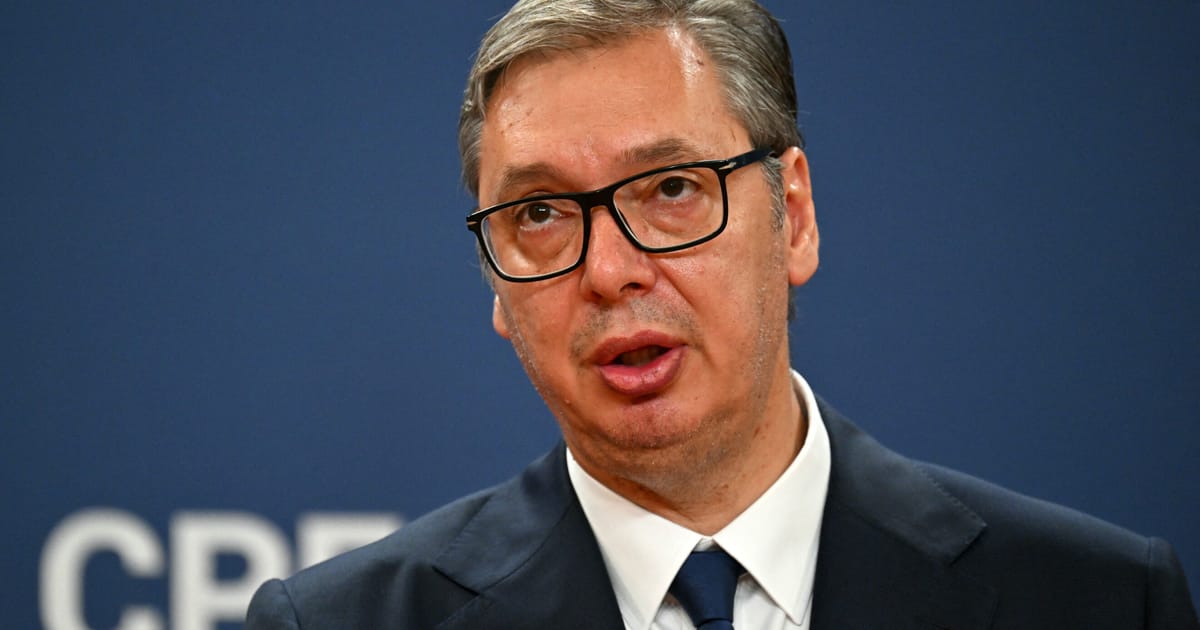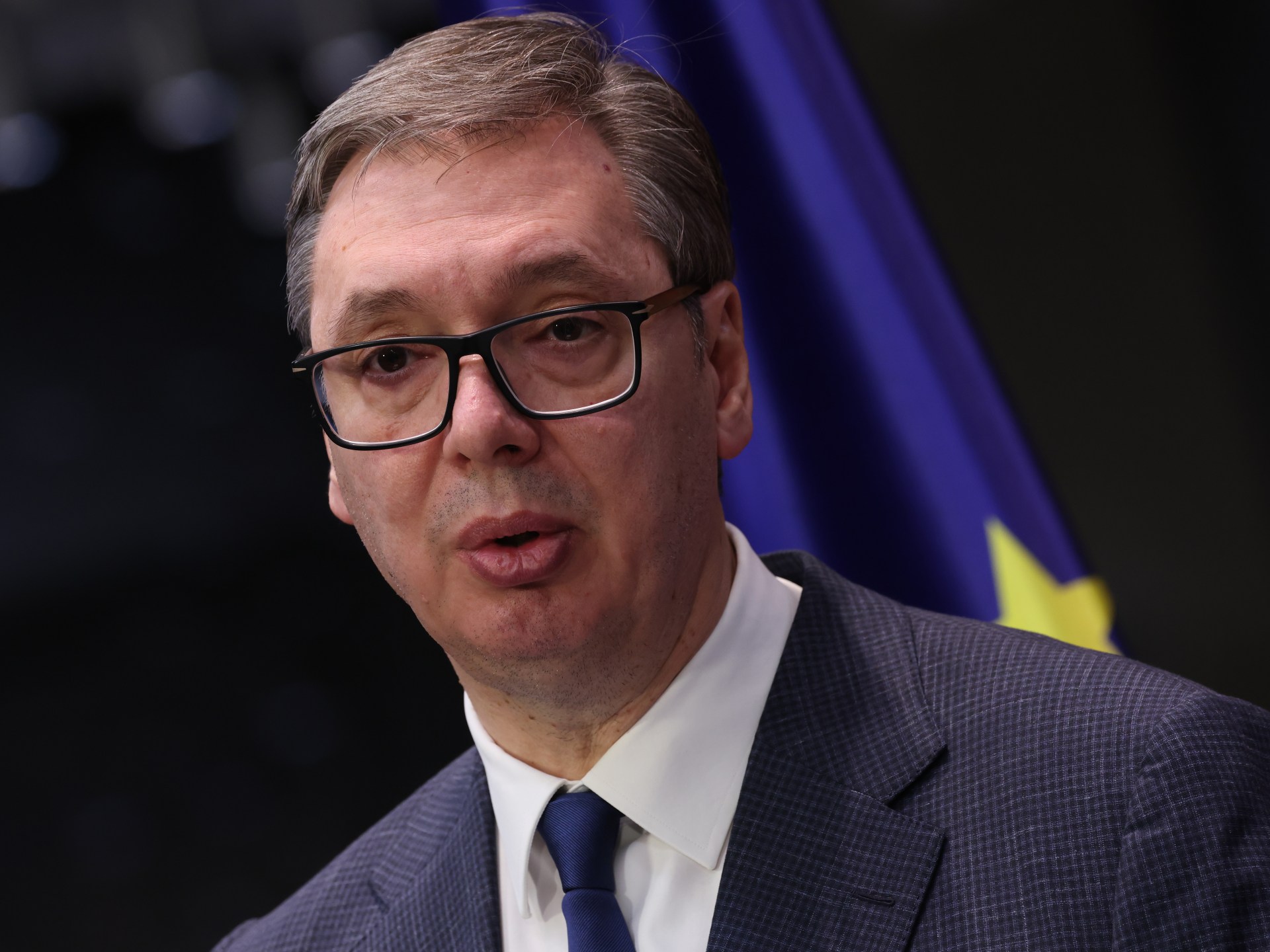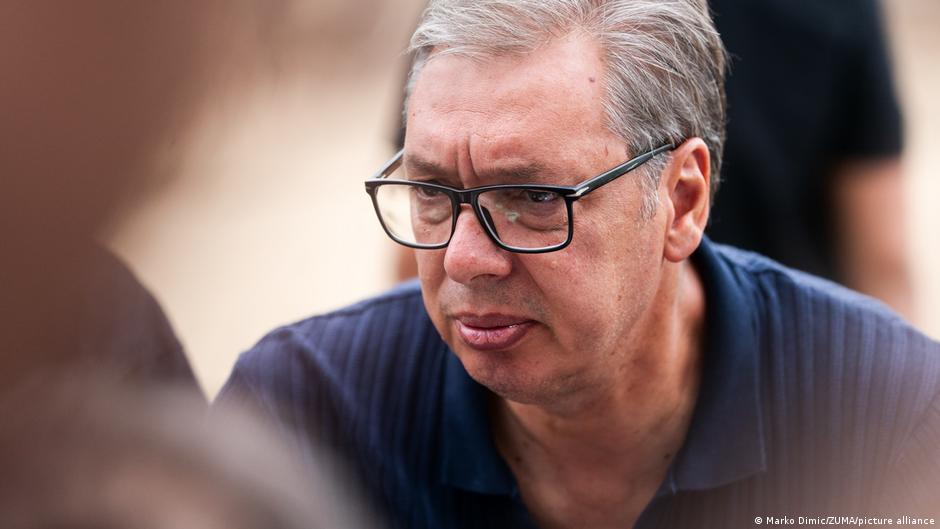
Serbian President Aleksandar Vucic signed the order dissolving parliament on Wednesday, setting the country on course for a snap parliamentary election on 25 October. The move comes after nearly two years of sustained protests that began with demands for accountability over a deadly infrastructure failure and broadened into a challenge to the political system Vucic has dominated for more than a decade.
From station collapse to systemic protest
The catalyst was the collapse of a railway station canopy in Novi Sad on 1 November 2024, which killed 16 people. Protesters argued the disaster exposed systemic corruption in public procurement and construction oversight. What began as student-led vigils demanding a transparent investigation evolved into weekly demonstrations drawing hundreds of thousands across Belgrade, Novi Sad and other cities. The demands expanded: resignation of the government, snap elections, media freedom, and an end to what organisers describe as the capture of state institutions by the ruling Serbian Progressive Party (SNS).
Vucic has consistently rejected the allegations, characterising the protests as an attempt to "destroy the state" and blaming foreign interference. Hundreds of demonstrators have been detained since late 2024, according to human rights groups monitoring the crackdown. The government's control over most national television channels has limited the opposition's reach, a factor the European Commission has repeatedly flagged in its annual enlargement reports.
A calculated constitutional pivot
Vucic's announcement that he will run for prime minister rather than seek a third presidential term, barred by the constitution, is a manoeuvre familiar to Serbian observers. He served as prime minister from 2014 to 2017 before winning the presidency, retaining effective control over the SNS and the government throughout. His ally Ana Brnabic succeeded him as prime minister but was widely seen as executing Vucic's directives. Returning to the premiership would allow him to bypass term limits while keeping the party machinery intact.
The timing suggests calculation. By dissolving parliament now, Vucic shortens the campaign window, limits opposition coordination, and forces a vote while his core electorate, rural voters, pensioners, and public-sector employees, remains mobilised. Opposition parties, fragmented across liberal, nationalist and green platforms, have struggled to agree on a joint candidate or platform. The election law, amended in 2022, raised the parliamentary threshold from 3% to 4%, further disadvantaging smaller lists.
EU accession frozen in place
Serbia has been an official EU candidate since 2012 and opened accession negotiations in 2014. Under Vucic, progress has been minimal. Of 35 negotiating chapters, only two have been provisionally closed and none fully closed. The European Commission's 2025 report cited backsliding on rule of law, media freedom and the fight against corruption as principal obstacles. The normalisation dialogue with Kosovo, a prerequisite for membership, remains deadlocked after the failure to implement the 2023 Ohrid agreement.
Brussels has grown visibly frustrated. In June 2026, the European Council declined to open new chapters, citing insufficient reform. Vucic's balancing act, maintaining close ties with Moscow and Beijing while nominally pursuing EU membership, has become harder to sustain since Russia's full-scale invasion of Ukraine. Serbia has refused to align with EU sanctions on Russia, citing energy dependence and historical ties, while accepting Chinese infrastructure investment through the Belt and Road Initiative.
The opposition's fragmented landscape
Opposition forces enter the campaign divided. The Alliance for Serbia, a loose coalition formed for the 2020 boycott, has splintered. The Party of Freedom and Justice (SSP), the Movement of Free Citizens (PSG), and the green-left Do Not Let Belgrade Drown (NDB) each field separate lists. The nationalist right, represented by the Serbian Party Oathkeepers (SSZ) and Dveri, rejects both Vucic and the pro-European opposition. Polling in August 2026 showed SNS leading with roughly 42% support, but with a combined opposition vote potentially exceeding 50% if unified, a hypothetical scenario given current divisions.
Student organisers, who provided the protests' moral authority, have explicitly refused to form a political party. Their demand remains a transitional government of experts to oversee electoral reform before any vote. That demand was rejected by Vucic, who argued the constitution provides no mechanism for such an arrangement.
Media terrain and electoral fairness
The regulatory environment favours the incumbent. The Regulatory Authority for Electronic Media (REM) is appointed by parliament, where SNS holds a majority. National broadcasters RTS and Pink TV allocate disproportionate airtime to government officials. Opposition leaders report difficulty purchasing advertising slots on prime-time television. The Organisation for Security and Co-operation in Europe (OSCE) mission to Serbia, which observed the 2022 and 2023 elections, noted "structural advantages" for the ruling party but stopped short of declaring the process unfree.
Voter roll accuracy remains contested. The 2023 census, delayed from 2021, recorded a population of 6.6 million, but opposition analysts argue the electoral register includes hundreds of thousands of deceased or emigrated citizens, a legacy of weak administrative cleansing. The State Election Commission (RIK), also parliament-appointed, rejected opposition requests for an independent audit in July 2026.
Geopolitical crosswinds
Vucic's foreign policy has been defined by strategic ambiguity. Serbia is the only European candidate country that has not aligned with EU sanctions on Russia. Russian gas, delivered via the TurkStream pipeline, meets roughly 60% of Serbian demand. Gazprom Neft owns a majority stake in NIS, Serbia's oil monopoly. Simultaneously, Chinese state firms have built highways, bridges and the Belgrade-Budapest railway upgrade, projects financed by opaque loans that opposition deputies say lack parliamentary scrutiny.
The EU's 2026 enlargement package, presented in March, introduced a "fundamentals first" conditionality linking financial assistance to rule-of-law benchmarks. Serbia received €1.2 billion in pre-accession funds for 2021, 2027, but disbursement has slowed. A Vucic victory with a strong mandate would likely embolden Belgrade to resist deeper conditionality, betting that Brussels prioritises regional stability over reform enforcement.
People mentioned
Organisations
Serbian Progressive Party · European Commission