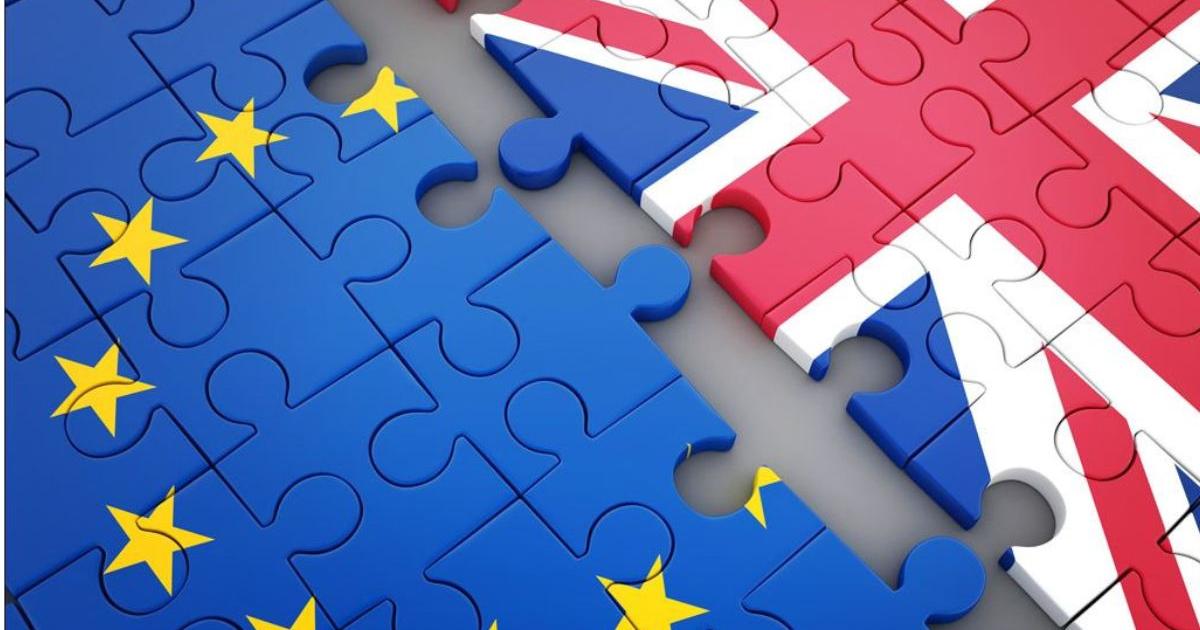
A letter published this week warns that the British government's proposed reset of relations with the European Union could cost the country £17.6 billion a year by 2027 and reduce Britain to a rule-taker, obliged to follow regulations written in Brussels without any vote or veto. The figures, attributed to the Great British Business Council's description of the agreement, paint a picture of a deal that replicates many of the obligations of EU membership without the influence that comes with it.
Dynamic alignment without representation
The central objection in the letter is what it calls dynamic alignment: a mechanism under which Britain would automatically adopt changes to EU regulations in areas covered by the agreement. Unlike full EU membership, where Britain once held votes and vetoes alongside 27 other member states, dynamic alignment would offer no formal input. British businesses in those sectors would follow rules set by legislators they did not elect.
This is not an abstract concern. The European Union regularly updates its regulatory frameworks, from product standards to environmental rules, and the pace has accelerated as Brussels pursues its green deal and digital regulation agendas. A country that dynamically aligns accepts those changes as they happen, not after negotiation.
The letter's argument is straightforward: if Britain must follow the rules anyway, the supposed sovereignty gains from leaving the EU are illusory. The counter-argument, which the letter does not engage with, is that some degree of alignment may be the price of improved market access, and that the current trade and cooperation agreement already imposes costs on British exporters who must meet EU standards to sell into the single market.
The financial claims
The letter puts hard numbers on its objections. The estimated cost of the reset reaches £17.6 billion a year by 2027, rising to more than £20 billion by the 2030s. These figures include contributions to EU funds from which Britain would not benefit, plus billions in compliance costs as businesses adjust to regulations they had no role in shaping.
A further £2.7 billion is cited as the cost of expanding youth mobility, which the letter says would come from lost university fees and other revenue as European young people come to Britain to work and study, subsidised by British taxpayers. The underlying assumption appears to be that EU students would pay lower or no fees compared with their current international status, and that the numbers arriving would be significant.
These are substantial claims, and they deserve scrutiny. The letter does not set out its methodology in detail, and the figures have not been independently verified. The £17.6 billion estimate, in particular, covers a wide range of costs and contributions; without a breakdown, it is difficult to assess which elements are firm commitments and which are speculative.
Agriculture and regulation
The letter raises a specific concern about farming and food production. Under the proposed alignment, it says, every British farm and food business could be subject to EU rules, regardless of whether it trades with Europe. That would extend Brussels' regulatory reach well beyond exporters, into businesses that sell exclusively within the United Kingdom.
British farmers already operate under domestic standards that in many areas mirror EU rules, a legacy of decades of membership. The question is whether dynamic alignment would prevent Britain from diverging in future, for instance by allowing different pesticide regimes, animal welfare standards or genetically modified crop rules. The letter suggests it would.
Energy and emissions trading
The letter also objects to Britain joining the EU's emissions trading system. Doing so could increase costs for British industry, it argues, while closer alignment with EU carbon-border adjustment rules could make imported raw materials more expensive. The EU Emissions Trading System is the world's largest carbon market and its prices have been volatile, reaching above €100 per tonne of carbon dioxide before falling back.
Britain established its own UK Emissions Trading Scheme after leaving the EU. Linking the two systems has been discussed as a way to reduce costs for businesses trading across the Channel, but the letter treats it as a concession that would bind British industry to pricing set in Brussels.
What the reset actually offers
The letter is sceptical about the benefits. Britain already trades with the EU under the Trade and Cooperation Agreement signed in December 2020. That agreement removed tariffs and quotas on goods but introduced customs formalities and regulatory checks that did not exist when Britain was a member. The reset, the letter argues, will not remove those frictions in any meaningful way.
Nor, it says, will the reset stop illegal Channel crossings or guarantee British travellers access to EU passport lanes. These are pointed observations. The British government has faced sustained political pressure over small-boat crossings, and any suggestion that closer EU ties might help has been met with resistance in some quarters.
The sovereignty question revisited
The letter's underlying argument is that the 2016 referendum result, whatever its flaws, reflected a decision to accept some economic friction in return for legislative independence. Dynamic alignment, it contends, reverses that trade: Britain would accept the obligations of alignment without recovering the influence it surrendered when it left.
That framing captures a genuine tension in British politics. The current government has signalled it wants a closer relationship with the EU, and some form of alignment in regulated sectors is likely to be part of any such deal. The question is whether the political cost of being seen to reverse Brexit outweighs the economic benefits of smoother trade, and where the line between alignment and subordination falls.
Organisations
Great British Business Council · European Union