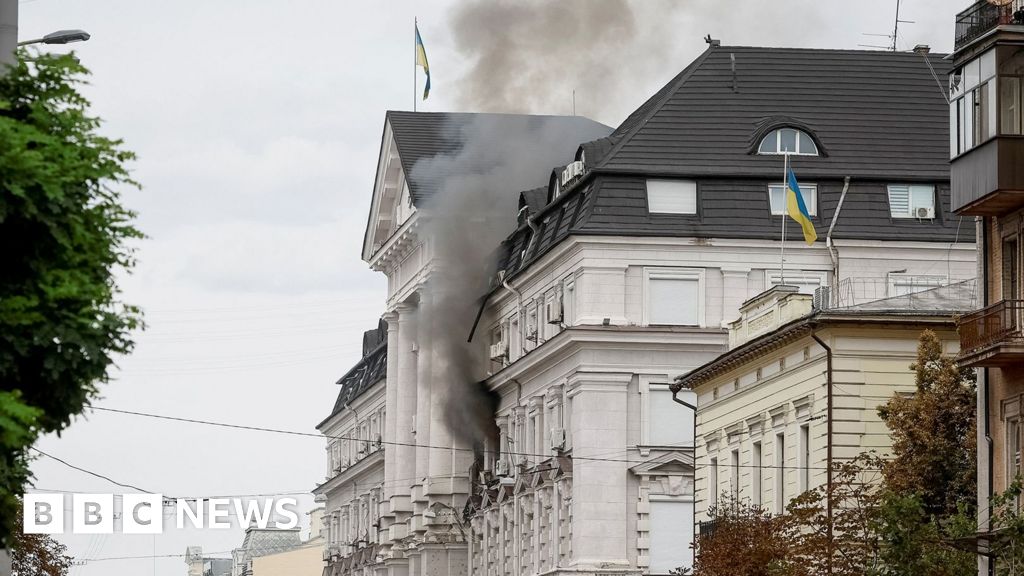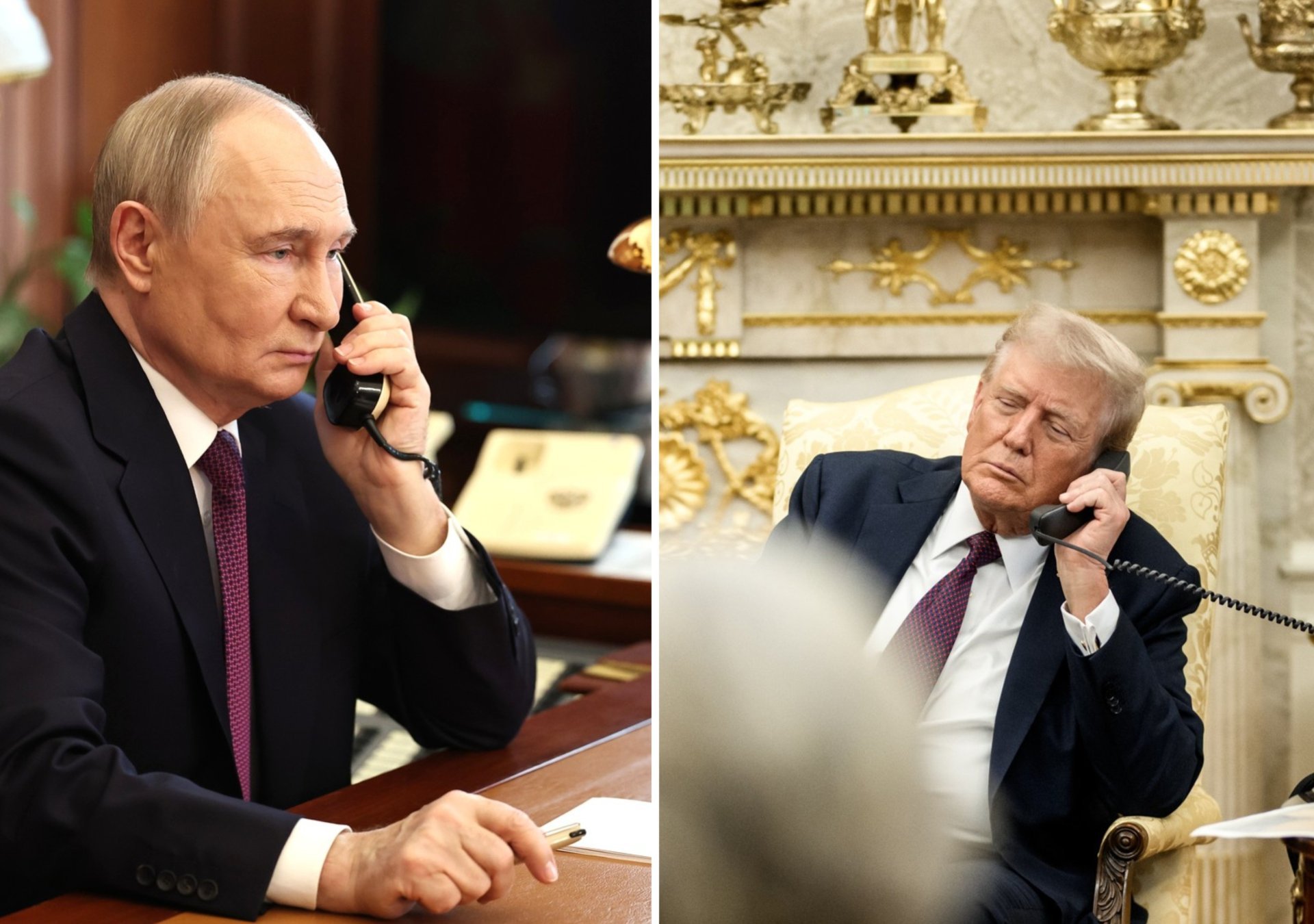
The director of the Central Intelligence Agency, Jim Ratcliffe, flew to Moscow in the final week of August 2026 to deliver a blunt warning to the Kremlin: do not test NATO's cohesion. The visit, confirmed by western intelligence sources, came as the alliance conducted a large-scale air operation supported by ground and naval forces around the Russian exclave of Kaliningrad, conducting minute surveillance of military activity there. Ratcliffe stopped in Riga before or after the Moscow leg, a deliberate signal of US commitment to the three Baltic members of the alliance.
A calculated show of force
The Kaliningrad operation was not a routine exercise. It involved coordinated air, ground and naval assets from multiple NATO members, designed to demonstrate that the alliance can monitor and, if necessary, dominate the exclave's airspace and approaches. Kaliningrad hosts the Russian Baltic Fleet and significant missile capabilities; its position between Poland and Lithuania makes it a persistent flashpoint. The operation's scale and visibility were intended to communicate overwhelming superiority without firing a shot.
Western intelligence agencies, led but not exclusively staffed by the United States, have detected indications that President Vladimir Putin is weighing a limited escalation against NATO territory. The assessment is that any such move would be a probe, a stunt to test alliance decision-making and resolve, rather than a full-scale invasion. The distinction matters. A probe requires a calibrated response; an invasion triggers Article 5. Ratcliffe's mission was to make clear the Kremlin would not control the escalation ladder.
Why the 1938 analogy fails
Commentators frequently reach for 1938 when European security deteriorates. In that year, US Secretary of State Cordell Hull travelled to Berlin, Prague, Paris and London warning against appeasement while the United States remained militarily absent from the continent. Britain and France conceded the Sudetenland. Poland and Lithuania disputed their border. The Baltic states declared neutrality. No effective security architecture existed. Today's comparison collapses on the facts. NATO exists. Its members are bound by treaty. The Baltic states are inside the alliance, not outside it. The United States maintains forward-deployed forces in Europe. The security architecture is not perfect, but it is real and it is functioning.
Social media maps showing fat red arrows sweeping from Russia into the Baltics or Poland ignore the military reality. Russia's effective combat forces are committed to the war in Ukraine. The ground units, air assets, logistics and command structures required for a major offensive against NATO simply do not exist in a usable form. The Baltic states and Poland maintain exceptional vigilance. Their intelligence services, border guards and armed forces operate on the assumption that warning time will be short. They will not be surprised.
The Baltic states are not passive squares
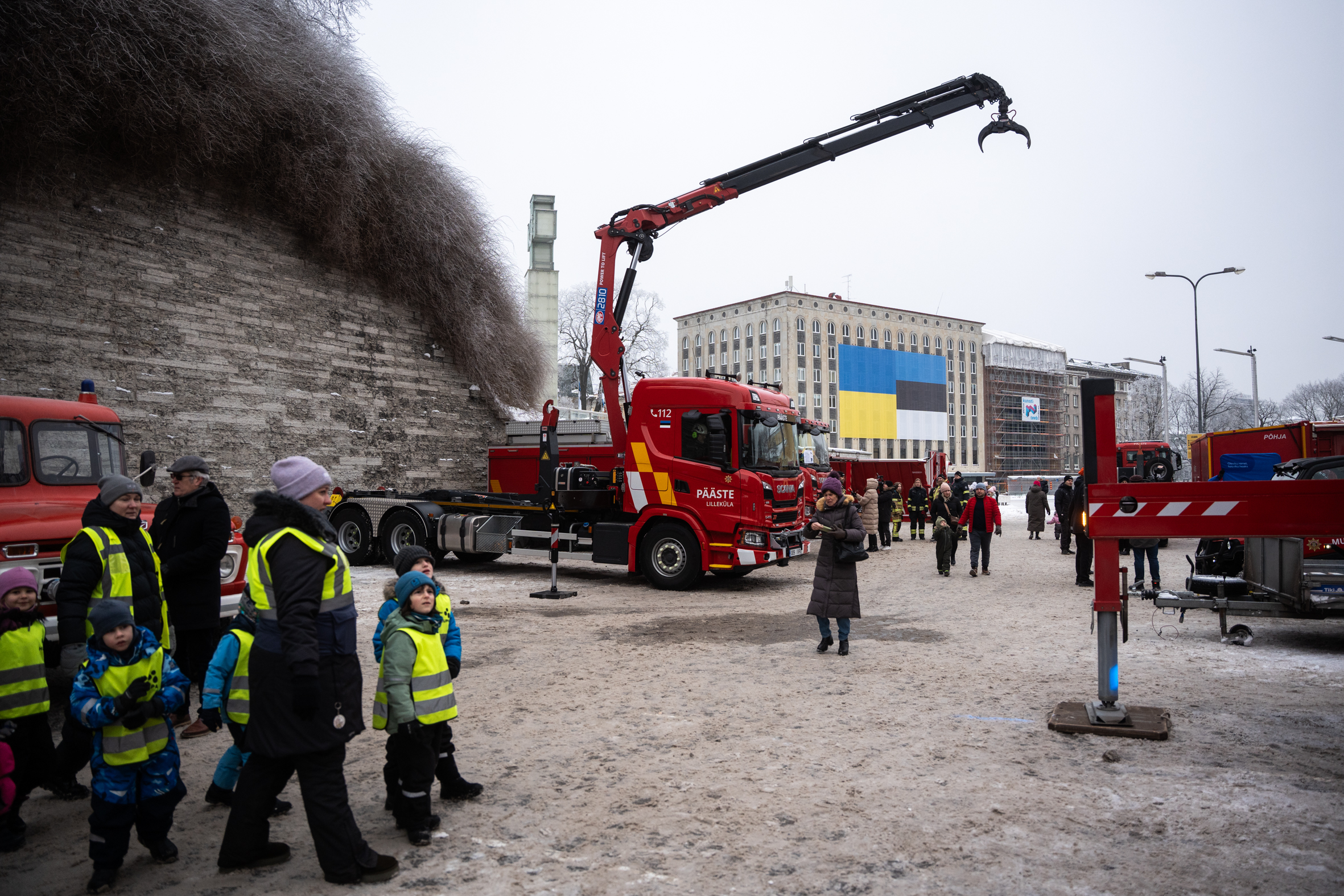
A persistent narrative treats Estonia, Latvia and Lithuania as helpless terrain on a grand chessboard. This is patronising and inaccurate. All three have invested heavily in territorial defence since 2014. Estonia's defence spending has consistently exceeded 2% of GDP. Latvia reintroduced conscription in 2023. Lithuania has built extensive border fortifications and invested in long-range strike capabilities. Their populations understand the threat. The Russian-speaking minorities in Estonia and Latvia, often cited as a potential fifth column, have shown no desire to live under Kremlin rule. The 2014 playbook, covert infiltration followed by staged referendums, would fail. Any armed infiltrators crossing the Russian frontier would be engaged and destroyed immediately.
This is not to minimise the threat. Russia commits daily war crimes against civilian targets in Ukraine. Sabotage, arson and cyberattacks against European allies are increasing in frequency and sophistication. The term 'hybrid war' has become an unhelpful euphemism that obscures the reality: these are hostile acts by a state actor against NATO members. They demand a response calibrated to their severity, not their novelty. European governments should treat the sabotage of undersea cables, the arson at defence facilities, and the cyber intrusions against critical infrastructure as what they are, acts of war below the Article 5 threshold that require collective attribution and consequence.
Political fractures within Europe
The external threat is compounded by internal political drift. Pro-Kremlin parties have gained ground in France and Germany, exploiting economic anxiety and migration debates to undermine support for Ukraine and, by extension, the alliance's eastern flank. In Poland, rising anti-Ukrainian sentiment, driven by historical grievances and agricultural trade disputes, threatens the solidarity that has made Warsaw a linchpin of eastern defence. These trends are not Russian operations, though Moscow amplifies them. They are homegrown political phenomena that weaken deterrence by signalling irresolution.
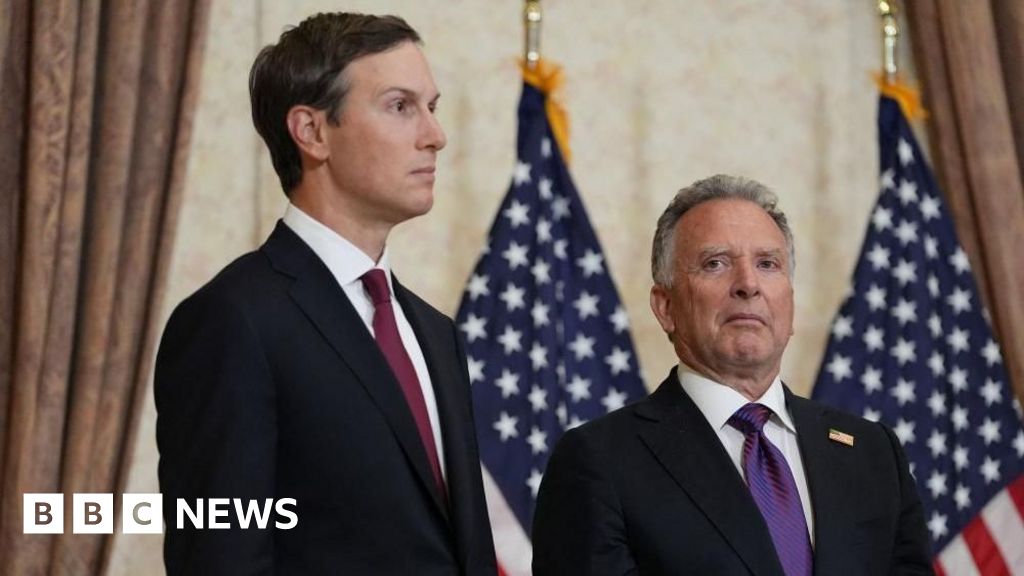
The United States adds its own uncertainty. President Donald Trump's rhetoric about European burden-sharing is often careless and counterproductive. His administration's officials have at times sounded as though they would welcome a European security architecture that functions without American leadership. Yet the Pentagon's Elbridge Colby, speaking at NATO headquarters this week, made clear the US objective is to fix the alliance, not abandon it. A real threat from Russia has concentrated minds in Washington. Allowing Putin to humiliate NATO would damage Trump domestically ahead of the 2026 midterms. Political self-interest aligns with alliance cohesion, for now.
The burden-sharing debate in practice
European defence spending has risen since 2022, but unevenly. Poland spends more than 4% of GDP on defence. The Baltic states exceed 2%. Germany's Zeitenwende has delivered a €100 billion special fund but structural procurement problems persist. France maintains strategic autonomy ambitions that sometimes sit awkwardly with NATO integration. The United Kingdom, outside the EU but central to European security, has committed to 2.5% by 2030 but faces fiscal constraints. The alliance's 2023 Vilnius summit set new capability targets; meeting them will require sustained political will across capitals that face competing domestic demands.
The Kaliningrad operation demonstrated what collective capability looks like in practice. It required coordination of air assets from multiple nations, naval deployments from the Baltic and North Sea, ground-based air defence positioning, and intelligence fusion at NATO's Allied Air Command in Ramstein. No single European country could have mounted it alone. The United States provided the bulk of the intelligence, surveillance and reconnaissance capacity, as well as the command-and-control backbone. This is the reality of burden-sharing: Europe contributes mass and geography; America contributes enablers that take decades to replicate.
What deterrence requires now
Deterrence is not static. It depends on capability, credibility and communication. The Ratcliffe visit and the Kaliningrad operation addressed all three. Capability was demonstrated. Credibility was reinforced by the highest levels of the US intelligence and defence establishments. Communication was direct: a private warning to Moscow, a public signal to allies. But the underlying vulnerabilities remain. Russia's war economy has proven more resilient than many Western analysts predicted. Its defence production now exceeds pre-war levels in key categories. The sanctions regime has degraded but not crippled its military-industrial base. The war in Ukraine continues to absorb Ukrainian manpower and Western munitions at rates that strain stockpiles.
European countries must think harder about defence and deterrence. This means accelerating procurement reform, standardising ammunition and spare parts, investing in air defence and long-range strike, and accepting that the security environment has permanently changed. It means treating sabotage and cyberattacks as the strategic threats they are, not as nuisance crimes. It means confronting the political movements that echo Kremlin talking points without demonising the voters who support them. And it means maintaining the transatlantic link even when the rhetoric from Washington is grating.
A stronger position than 1938
The question posed by the source analysis, would you rather live now or in 1938, answers itself. European countries have never in their history had stronger security institutions, more integrated defences, or a more credible collective deterrent. The Kremlin hates this and works overtly and covertly to undermine it. The task for European governments, and for their American ally, is not to panic at every Russian manoeuvre or every alarmist map on social media. It is to sustain the architecture that works, fix the parts that do not, and refuse the temptation to treat the frontline states as helpless. They are not. The alliance is not perfect. But it is working.
People mentioned
-
Jim Ratcliffe
Organisations
Central Intelligence Agency · North Atlantic Treaty Organization · United States Department of Defense · Kremlin