A Russian drone crashed into the headquarters of Ukraine's Security Service (SBU) in central Kyiv on Friday afternoon, striking the office used by the agency's chief, Oleksandr Poklad. President Volodymyr Zelensky confirmed the building was deliberately targeted and said he had spoken to Poklad to order an "appropriate, tangible response" that would, where possible, mirror the attack against Russian forces. The strike injured five people, damaged a neighbouring café, and came as Moscow also hit port infrastructure near Odesa, all while US mediators prepare to shuttle between Moscow and Kyiv this weekend.
A precise hit on a high-value target
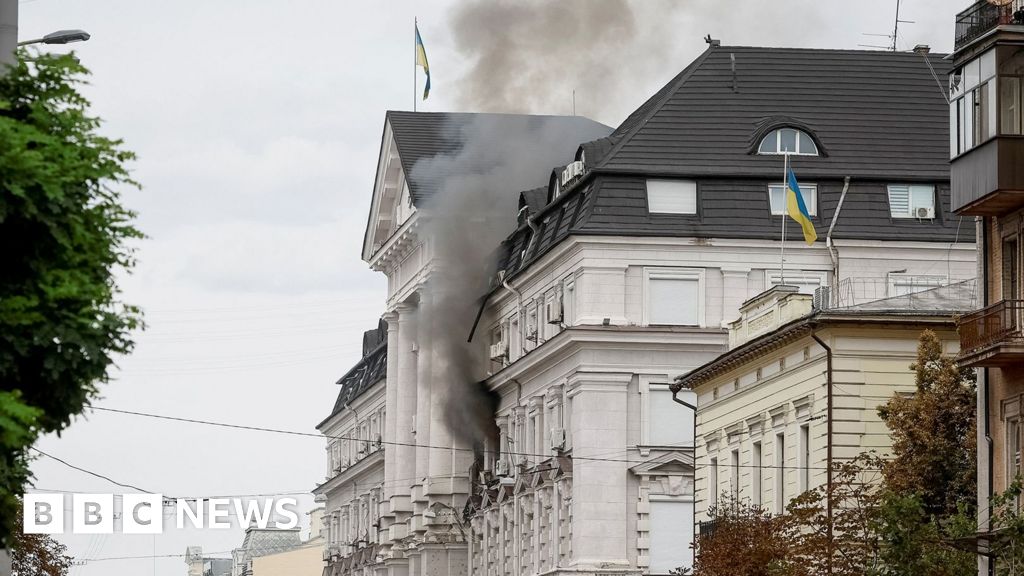
The drone hit the SBU building just across the street from the eleventh-century St Sophia cathedral, in the historic heart of Kyiv. Images circulating on Ukrainian social media showed black smoke billowing from two windows on the building's façade. Zelensky, writing on Telegram, said the unmanned aerial vehicle "was aimed directly at the office of the Head of the Security Service in that building." It is not yet clear whether Poklad was inside at the time, but the precision of the strike, hitting a specific room in a specific building in a dense urban centre, suggests a marked improvement in Russian targeting capabilities.
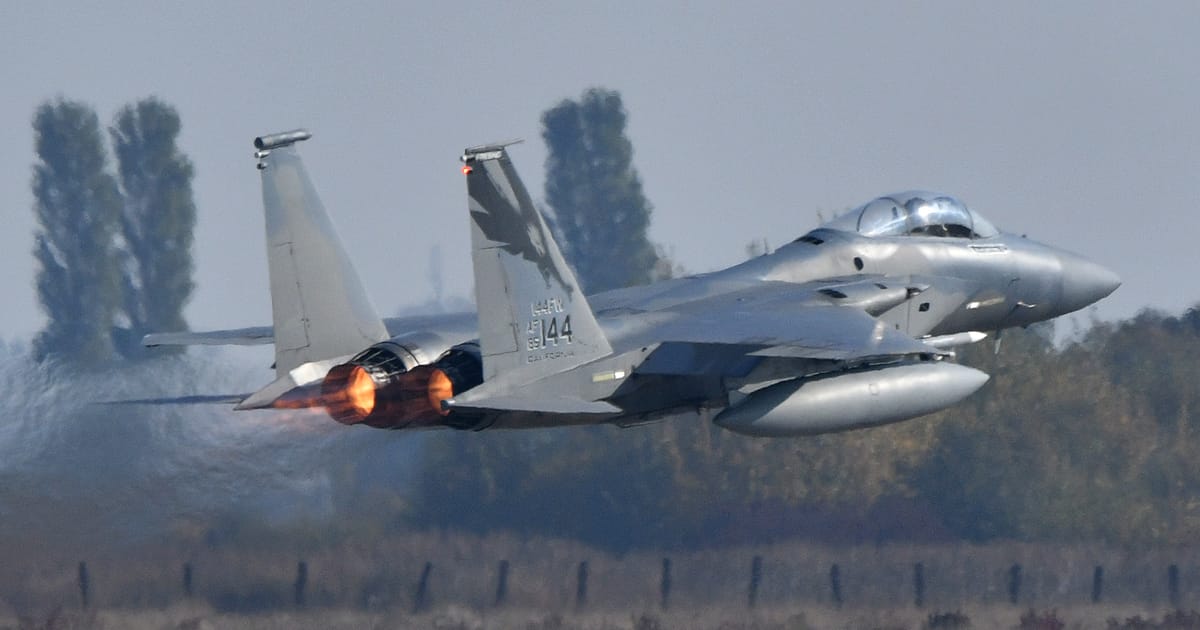
Ukrainian officials have reported for weeks that Russia is deploying jet-powered drones that are faster and harder to intercept than the Shahed-type loitering munitions used earlier in the war. The SBU strike may be the first confirmed instance of one of these newer systems successfully hitting a hardened government facility in the capital. If so, it raises uncomfortable questions about the effectiveness of Kyiv's air defences against a new generation of threats, and about whether Russia is reserving its most accurate platforms for leadership decapitation attempts.
Zelensky orders a mirrored response
The Ukrainian president's reaction was swift and public. "I instructed Poklad to deliver an appropriate, tangible response and, where possible, one that mirrors this strike, to the Russians once everything is ready. Our military will support this response," Zelensky wrote. The language is deliberate: a mirrored strike would imply a Ukrainian drone attack on a Russian security or intelligence headquarters, likely deep inside Russian territory. The SBU has conducted a sustained campaign of long-range drone strikes against Russian oil refineries, airfields and command centres over the past eighteen months. A direct hit on an FSB or GRU building would represent a significant escalation in that campaign.
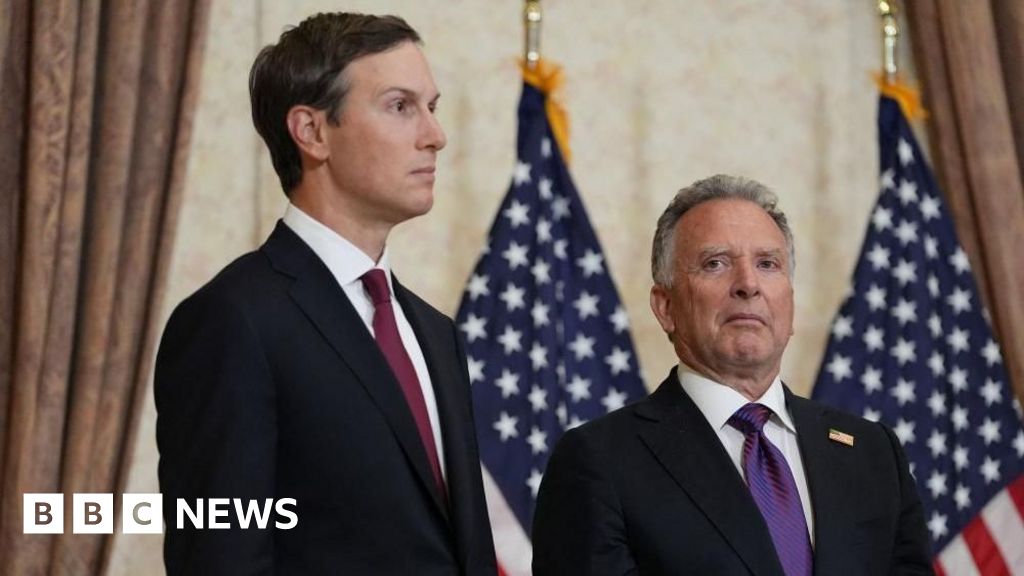
Foreign Minister Andriy Sybiha framed the attack as proof of Moscow's bad faith. "Moscow launched this strike during a renewed push for peace, laying bare its true rejection of diplomacy," he said. The timing is indeed striking: the drone arrived on the eve of a weekend in which US President Donald Trump's envoys, Steve Witkoff and Jared Kushner, are scheduled to meet Vladimir Putin in Moscow on Saturday and Zelensky in Kyiv on Sunday. Axios, citing US officials, reported the itinerary on Friday. The Kremlin has not publicly confirmed the Moscow meeting, nor has the White House.
Civilian harm and a café owner's third loss
Kyiv Mayor Vitali Klitschko said five people were hurt in the SBU attack, though he did not specify whether they were SBU staff or passers-by. A café adjacent to the headquarters suffered heavy damage. Stanislav Zavertaylo, co-owner of the popular Zavertailo chain, told the BBC this was the third of his premises damaged since the full-scale invasion began in February 2022. "Now I'm in shock because there's a lot of damage. All the windows are broken, there's a lot of glass, garbage," he said. One customer was taken to hospital. The café sits on Volodymyrska Street, a busy thoroughfare that runs past the university and the cathedral, underscoring the difficulty of containing collateral damage when military targets are embedded in the city centre.
Black Sea pressure intensifies
The SBU strike was not an isolated event. The Russian defence ministry said on Friday it had also struck a cargo vessel in the Ukrainian port of Chornomorsk and a tanker near Odesa. Both ports are critical to Ukraine's grain and metals exports, and both have been hit repeatedly since Russia withdrew from the Black Sea Grain Initiative in July 2023. The dual targeting, a leadership site in Kyiv and commercial shipping on the coast, suggests a coordinated effort to degrade both Ukraine's command structure and its economic lifelines simultaneously.
Russia has escalated daytime strikes in recent weeks, moving away from the predominantly nocturnal barrage pattern that characterised much of 2024 and 2025. Daylight attacks are riskier for the attacker but harder for defenders to intercept visually, and they carry a heavier psychological weight for the civilian population. The shift coincides with the introduction of the jet-powered drones, which reduce the engagement window for air defence systems.
The SBU's role in the war
The Security Service of Ukraine is not a conventional intelligence agency. Since 2022 it has operated as a paramilitary force conducting sabotage, assassinations and deep strikes inside Russia. Its officers have coordinated the drone campaign against Russian energy infrastructure, run agent networks in occupied territories, and managed the technical side of Ukraine's long-range strike programme. Poklad, appointed in February 2025 after his predecessor was dismissed amid a corruption scandal, has overseen an expansion of those operations. A successful decapitation strike on the SBU chief would be a significant intelligence coup for Moscow, potentially disrupting Ukrainian operations for months.
The building's location, metres from St Sophia, a UNESCO World Heritage site, also complicates any Russian claim of precision. A miss of metres would have hit one of Europe's oldest cathedrals. That risk may be calculated: striking near cultural landmarks forces Ukraine to choose between protecting heritage and dispersing its command centres, both of which degrade operational efficiency.
US mediation: the weekend test
The arrival of Witkoff and Kushner marks the most sustained US diplomatic engagement since Trump returned to office in January 2025. Their mandate is narrow: to broker a ceasefire that freezes the front lines, opens the Black Sea to commercial shipping, and defers territorial questions to an unspecified future negotiation. Neither Kyiv nor Moscow has publicly accepted those parameters. Zelensky insists on security guarantees and a pathway to NATO membership; Putin demands recognition of annexed territories and Ukrainian neutrality.
The Friday strike looks like a Russian signal ahead of the Moscow meeting. By hitting the SBU, the Kremlin demonstrates that it can reach Ukraine's most protected leadership targets at will, and that it intends to keep doing so until its terms are met. For the US envoys, the strike complicates an already difficult task. If they press Kyiv to negotiate while Russian drones hit government buildings in the capital, they risk appearing to reward coercion. If they press Moscow to stop, they need leverage they have not yet shown they possess.
For now, the café on Volodymyrska Street is boarded up, the SBU's windows are blown out, and the two US envoys are flying east. The war continues on its own timetable, indifferent to diplomatic calendars.
People mentioned
-
Andriy Sybiha
-
Vitali Klitschko
-
Stanislav Zavertaylo
Organisations
Security Service of Ukraine (SBU) · Russian Ministry of Defence · White House · Office of the President of Ukraine · Ministry of Foreign Affairs of Ukraine · Kyiv City State Administration