Ukraine's scramble to replenish its air defence stocks before winter has hit a wall. A flurry of diplomatic meetings in Brussels and Ireland this week produced no new commitments of Patriot interceptors, the munitions Kyiv says it needs most urgently. With its own Patriot magazines effectively empty and Russia signalling an intensified campaign against energy infrastructure, the gap between what Ukraine requires and what allies are willing to release has widened into a strategic liability.
The interceptor shortage and why allies are holding back
The numbers are stark. Through NATO's PURL programme, the alliance's mechanism for joint procurement of critical US-made arms, Ukraine receives roughly 10 to 20 Patriot missiles per month. That channel supplied 95 percent of Kyiv's Patriot stock in July, according to Dmytro Zhmailo, a military expert at the Ukrainian Security and Cooperation Centre. In the same month, Russia launched 195 missiles. The arithmetic does not work, and Ukrainian officials know it.
Countries that hold PAC-2 and PAC-3 interceptors, Greece, Spain, Japan and South Korea among them, have declined to part with their inventories. At an informal gathering of EU defence ministers in Ireland on Tuesday, several delegations pressed Athens and Madrid privately. The meeting concluded without pledges. A Spanish official acknowledged past deliveries but would not commit to further transfers. The Greek defence ministry did not respond to requests for comment, though Athens has long cited tensions with Turkey and existing commitments to Middle Eastern partners as reasons to retain its air defence assets.
Production bottlenecks and competing American demand
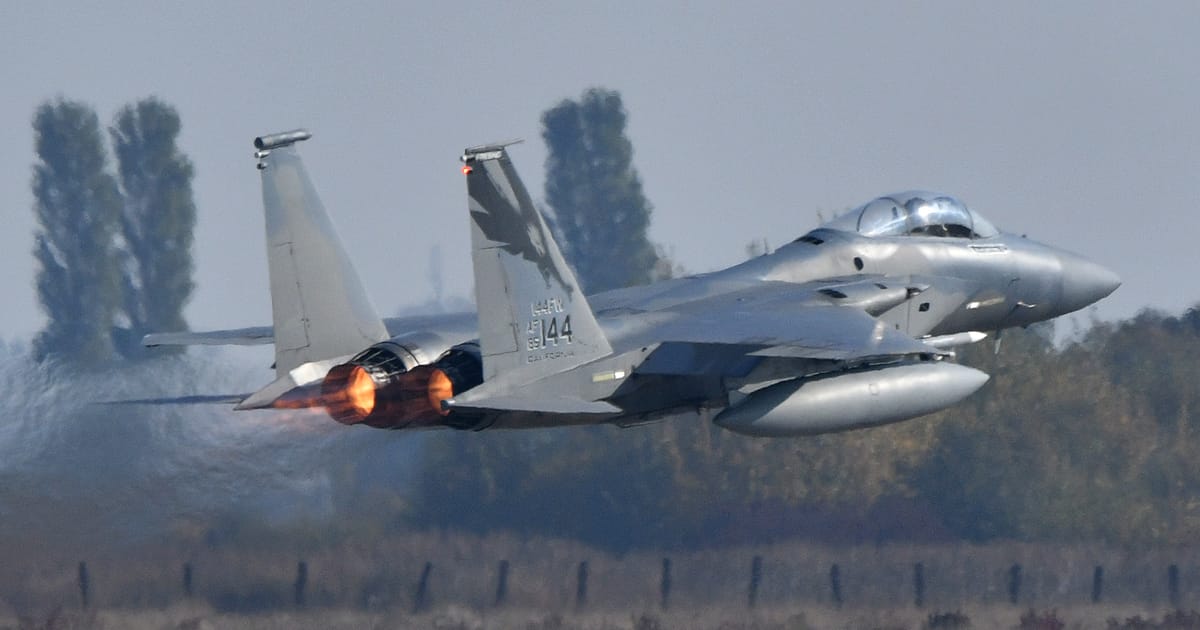
Even if political will materialised, the physical supply chain is constricted. The United States is rebuilding its own interceptor stocks after expending hundreds of missiles in strikes against Iran earlier this year. Production lines for Patriot PAC-3 MSE rounds and for rival systems such as IRIS-T and Aster 30 are backlogged. Raytheon and MBDA have expanded capacity, but lead times remain measured in years, not months. That reality limits what any European government can offer from current inventories without degrading its own readiness.
Germany, the largest European contributor of air defence systems to Ukraine, has few Patriots left to spare. Berlin is expected to announce a fresh tranche of IRIS-T SLM missiles at a virtual conference of European partners on 8 September. France and Italy have pledged Aster 30 interceptors for delivery by October. Those commitments help, but they do not address the specific gap in Patriot-compatible munitions that Ukraine's existing batteries require.
Russia's evolving aerial threat
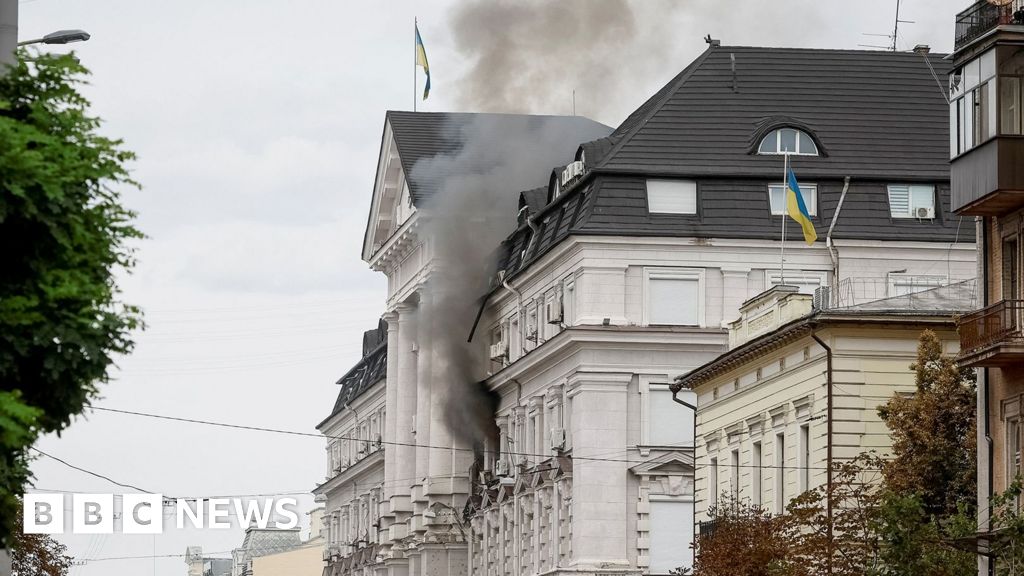
The urgency is not abstract. Russian officials said last week that "massive strikes" against Ukrainian energy infrastructure are being prepared. At the same time, the composition of the daily barrage is changing. Upgraded, jet-powered Shahed drones, faster and lower-flying than the loitering munitions used earlier in the war, are appearing in greater numbers. Zhmailo said these variants are difficult to engage with existing missile stocks, forcing Kyiv to expend expensive anti-aircraft missiles or rely on artillery systems ill-suited to the task.
Ukraine is testing four indigenous prototypes designed to counter the new drones. President Volodymyr Zelenskyy said on Thursday that domestic manufacturers have developed the prototypes and are working to bring them to operational effectiveness. The programme is a hedge against foreign supply uncertainty, but it is not yet a substitute. For now, the front line depends on Western munitions that are not arriving in sufficient quantity.
A funding crisis compounds the munitions shortage
Interceptors cost money Ukraine does not have. Zelenskyy disclosed last week a €23 billion hole in the 2026 defence budget, created when the defence ministry accelerated spending originally scheduled for the second half of the year. Of the €28.3 billion available to Ukraine from the EU's €90 billion loan facility, roughly €22.1 billion has been allocated so far, Zhmailo said. EU finance ministers will discuss releasing several billion more for interceptor purchases at a meeting on Monday, 7 September.
NATO's PURL financing is also lagging. Secretary General Mark Rutte set a target of $12 billion in pledges for the year; contributions are running well behind. At a closed-door ambassadors meeting on Wednesday, Rutte urged allies to sustain military aid. Several delegations said they were considering new packages, but none put numbers on the table. A person familiar with alliance planning said NATO is preparing four to five new aid announcements for the coming weeks, adding: "We're a little bit behind."
Diplomatic pressure mounts on holdout capitals
The geography of reluctance is revealing. Five of the seven EU member states operating Patriot batteries, Germany, Poland, Romania, Spain and the Netherlands, have transferred components or missiles. Greece and Sweden have not. Stockholm has funded Patriot-related aid but has not drawn from its own launchers. Tokyo and Seoul have both declined to send interceptors, citing the North Korean threat and a preference for reconstruction support respectively. The pattern suggests that immediate regional security calculations outweigh solidarity with Kyiv in several key capitals.
Ukrainian frustration is audible. "It's an endless, frustrating saga when you have to beg for every single unit that is delivered," a senior government official said, speaking anonymously to describe the negotiation dynamic. The official outlined three priorities conveyed to European partners this week: air defence equipment, investment in domestic drone and missile production, and long-range artillery. The list reflects a recognition that external supply alone will not close the gap.
Domestic production as a strategic hedge
Zelenskyy's emphasis on Ukrainian manufacturing is not new, but it has acquired urgency. The country's defence industry has produced functional prototypes of interceptor missiles and drone-killer systems. Scaling them to the volumes required for winter, Zelenskyy cited a need for 300 Patriot interceptors alone, would demand capital, component supply chains and testing infrastructure that are still maturing. Western investment in that capacity, the second of Kyiv's three priorities, could accelerate the timeline, but it remains a medium-term proposition.
What the next two weeks will decide
People mentioned
-
Solomiia Bobrovska
-
Dmytro Zhmailo
Organisations
NATO · European Union · Verkhovna Rada · Ukrainian Security and Cooperation Centre · Holos party