The supply disruption triggered by the U.S.-Iran war has rewritten energy security calculations across two continents. European benchmark natural gas prices, which traded at 31.96 euros per megawatt-hour on 27 February, surged to a peak of 80.82 euros on 11 September. Brent crude, at $76.30 a barrel in late February, touched $126.41 in April and was still changing hands at $105.62 in mid-September. For governments that spent the past two years replacing Russian gas, the latest shock has removed any remaining doubt: dependence on imported hydrocarbons is a strategic liability, not merely a market risk.
Europe doubles down on wind after the second gas shock
The numbers from the first half of 2026 show the response is already measurable. Europe added 8.8 gigawatts of new wind capacity between January and June, according to Brussels-based WindEurope, a 33 percent jump on the same period in 2025. Germany drove much of the growth, connecting offshore projects that helped push renewable sources to a record 58 percent of the country's electricity consumption in the first six months. In the United Kingdom, wind output rose 31 percent year on year in the first quarter and supplied 42 percent of generation, allowing gas-fired plants to run less often.
The European Investment Bank has argued that the clean energy transition reduces import dependence and strengthens resilience to global price shocks. That framing, energy security first, emissions second, now dominates policy discussions in Berlin, Paris and Brussels. The conversation has moved beyond capacity additions to the harder infrastructure questions: electrification of heating and transport, long-duration storage, and grid reinforcement to move power from the North Sea to industrial centres in the south.
Rooftop solar becomes a household hedge against volatility
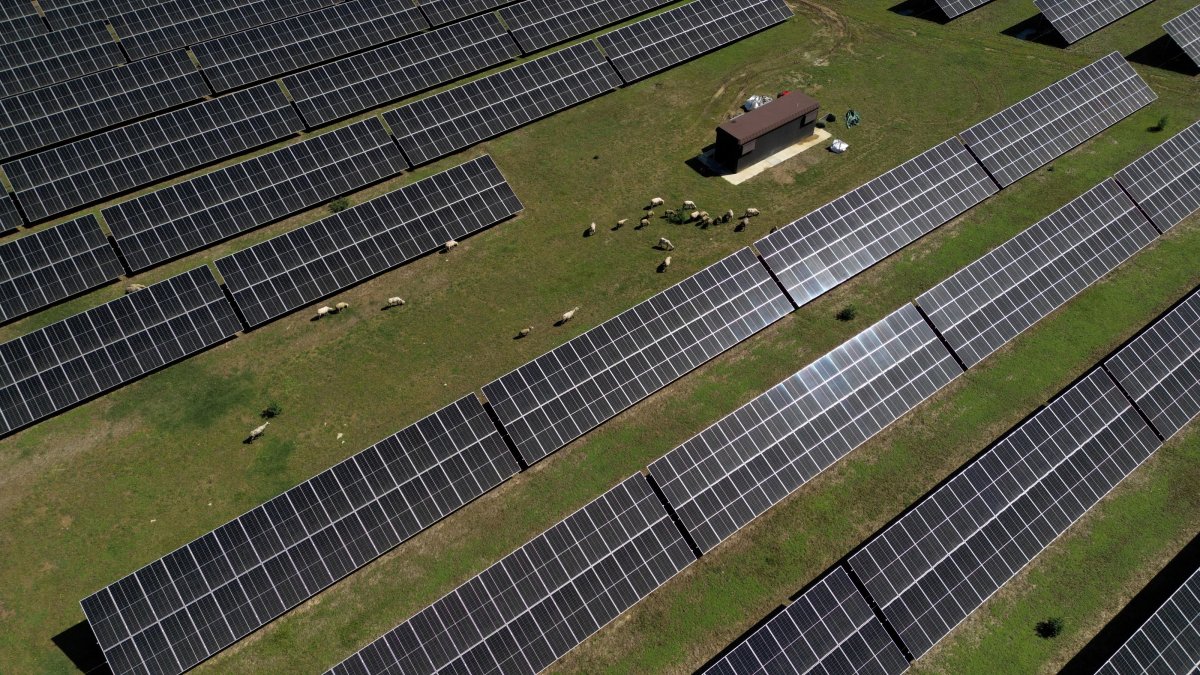
High wholesale prices have filtered through to retail bills, prompting a noticeable uptick in residential solar installations across Germany, Italy, Spain and the Netherlands. Rooftop arrays can be commissioned in weeks rather than the years required for utility-scale plants, and they generate electricity at the point of use, bypassing congested distribution networks. Installers report order books stretching into 2027, driven less by feed-in tariffs than by the desire to lock in a known cost per kilowatt-hour.
Asia's import-dependent giants treat storage as the missing link
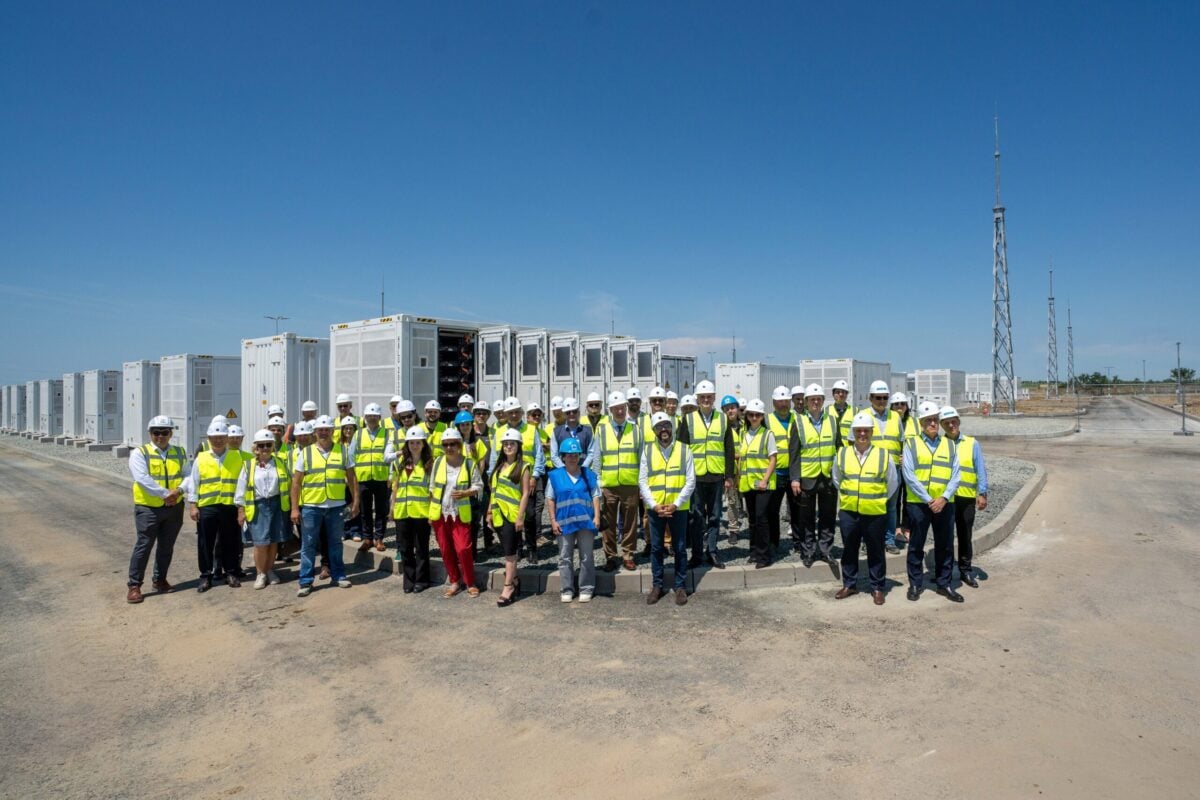
The same price signals are reshaping investment plans in Asia, where most large economies import the bulk of their oil and gas. India's Ministry of New and Renewable Energy is scaling up storage procurement to enable deeper renewable penetration. The Central Electricity Authority now recommends that storage be co-located with new solar projects, and the ministry projects a national requirement of 411.4 gigawatt-hours by 2032, a figure that would make India one of the world's largest storage markets.
South Korea has set a 100 gigawatt renewable capacity target for 2030 and is prioritising grid upgrades to absorb variable generation. The Philippines aims to add 25 gigawatts of renewable capacity by 2035, with an interim goal of 35 percent renewable generation by 2030 and 50 percent by 2040. This year alone, Manila plans to bring 1,471 megawatts of combined renewable and storage projects online. Thailand, heavily reliant on natural gas for power, is accelerating solar deployment to diversify its mix.
China integrates security and transition in a single plan
Beijing frames energy security and the construction of a "new energy system" as a single objective. Investment in solar, wind, batteries and ultra-high-voltage transmission lines features prominently in the current five-year plan. Chinese manufacturers already dominate global supply chains for photovoltaic modules and lithium-ion cells; the domestic deployment target ensures a stable home market even as trade barriers rise in Europe and the United States.
The investment gap remains in grids and long-duration storage
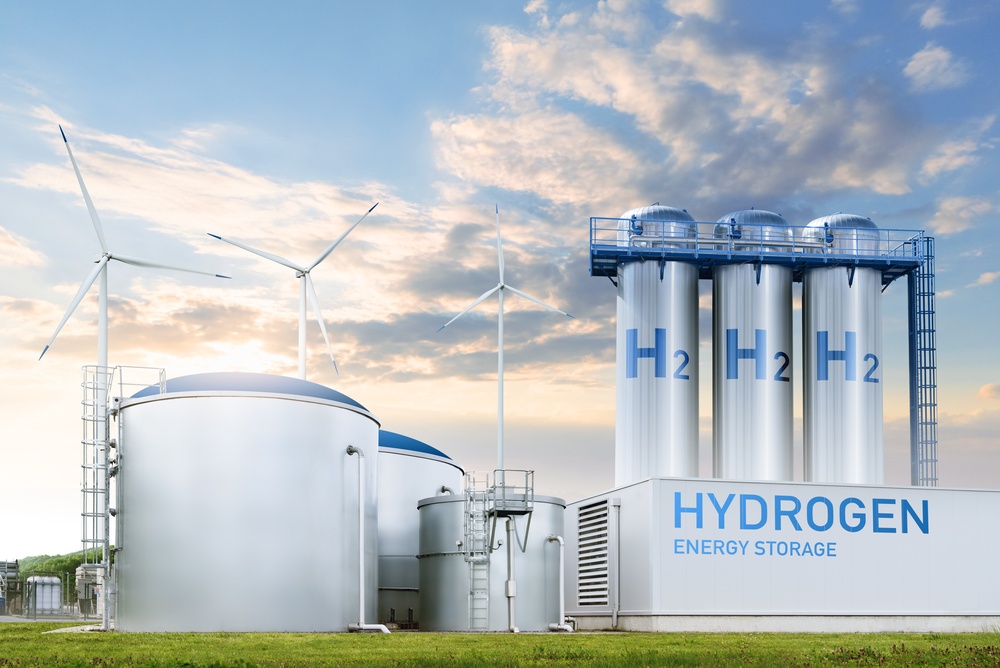
Wind and solar are now the cheapest source of new electricity in most markets, but the system costs of integration are rising. Europe's transmission operators estimate that 400 billion euros of grid investment is needed by 2030. Long-duration storage, beyond the four-hour lithium-ion standard, remains commercially unproven at scale. Hydrogen, compressed air and flow batteries are in pilot stages; none has reached the cost curve that made short-duration batteries ubiquitous.
Organisations
International Energy Agency · European Investment Bank · WindEurope · India Ministry of New and Renewable Energy · Philippines Department of Energy