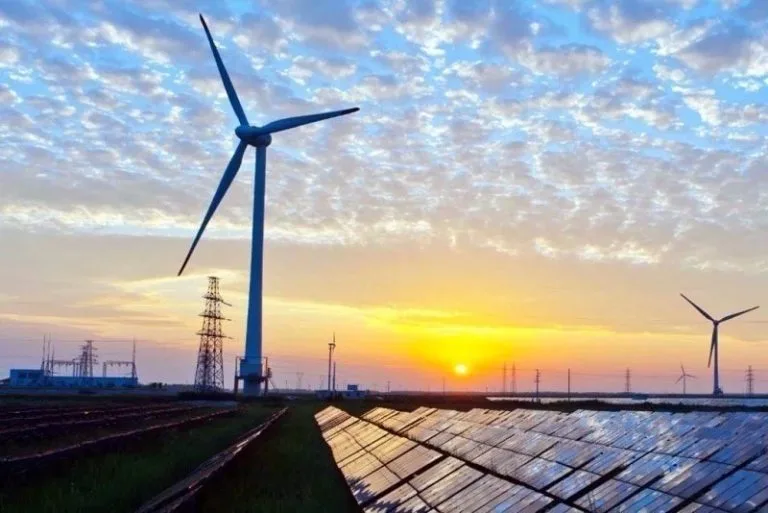
Germany's electricity system crossed a symbolic threshold in the first half of 2026. Renewable sources supplied 59.8% of all power fed into the grid, according to figures released on 8 September by the Statistisches Bundesamt. The share is the highest recorded for a six-month period and marks the first time renewables have approached three-fifths of total generation.
The absolute numbers are striking. Total generation climbed 4.5% year on year to 230.6 billion kilowatt hours. Renewable output grew 6.5% while conventional sources, coal, gas and nuclear, managed only 1.7%. The divergence reflects both sustained capacity additions and a favourable weather window for wind, the dominant renewable technology.
Wind overtakes coal as leading single source
Wind power generated 67.7 billion kilowatt hours, a 12.3% increase that lifted its share to 29.4%. Coal, long the backbone of German electricity, slipped to 21.4% despite a modest 0.5% decline in absolute output. The crossover is less a sudden collapse of coal than a steady erosion: coal's share has fallen from above 30% as recently as 2022.
Statistisches Bundesamt statisticians cautioned that the wind surge owes much to an exceptionally still first quarter in 2025, which depressed the comparison base. Onshore and offshore capacity additions continued through 2025 and early 2026, but the year-on-year percentage flatters the underlying trend. Even so, the structural direction is clear: wind is now the default marginal generator during high-output periods.
Solar and gas both expand while coal holds ground
Photovoltaic output also rose, though the federal statistics office did not publish a separate percentage in its initial release. Gas-fired generation increased as well, reflecting its role as the flexible complement to variable renewables. The persistence of coal at more than one-fifth of supply underlines the difficulty of displacing the remaining baseload and mid-merit plants, many of which operate under capacity mechanisms or provide grid stability services.
The 1.7% growth in conventional generation masks divergent movements. Nuclear output is zero following the April 2023 shutdown of the last three reactors. Lignite and hard coal together fell slightly, while gas rose enough to offset the decline. The net effect is a conventional fleet that is slowly shrinking in energy terms but remains essential for security of supply during Dunkelflaute episodes, extended periods of low wind and solar.
Grid integration pressures mount
The 4.5% rise in total generation, the strongest half-year increase in recent memory, signals recovering industrial demand after two years of contraction. Energy-intensive sectors, chemicals, steel, basic metals, have restarted idled capacity as gas prices stabilised below €40 per megawatt hour. Higher demand absorbs renewable surplus that would otherwise require curtailment or export at negative prices.
Yet the growing share of variable generation creates operational headaches. Transmission bottlenecks between the wind-heavy north and the industrial south persist. The Bundesnetzagentur's latest grid development plan assumes 14 gigawatts of additional north-south capacity by 2030; only a fraction is under construction. Redispatch costs, already above €4 billion annually, will rise further unless build-out accelerates.
Policy context: the 2030 targets and the capacity mechanism
The coalition government's 2030 goals, 80% renewable electricity, 15 million electric vehicles, 6 million heat pumps, assume a doubling of renewable generation from 2025 levels. The first-half data shows the generation side is on trajectory, but the enabling infrastructure lags. The planned capacity mechanism, intended to reward flexible gas and storage assets, remains stuck in state-aid negotiations with the European Commission. Without it, investors hesitate to build the dispatchable capacity needed to back up wind and solar.
Meanwhile, the carbon price in the EU Emissions Trading System has hovered between €65 and €85 per tonne since late 2025, high enough to keep gas competitive against coal but not high enough to force the remaining lignite units into early retirement. The next phase of free allocation cuts, due in 2026, may sharpen the signal.
International comparison: Germany leads the G7 on renewable share
Among large economies, only the United Kingdom has recorded a higher half-year renewable share, reaching 62% in H1 2025 before falling back as nuclear outages reduced low-carbon output. France's nuclear-heavy mix delivers lower emissions but less renewable penetration. The United States, China and Japan all remain below 40% for the comparable period. Germany's achievement is therefore notable not just domestically but as a benchmark for industrialised decarbonisation.
What the numbers do not show
The headline renewable share flatters the system's flexibility. On sunny, windy afternoons in May and June, renewable output regularly exceeded 80% of instantaneous demand, forcing exports at zero or negative prices and curtailment of wind farms in the north. Conversely, on calm winter evenings the renewable share dropped below 20%, requiring the full availability of gas and coal plants. The average obscures a widening spread between maximum and minimum renewable contribution.
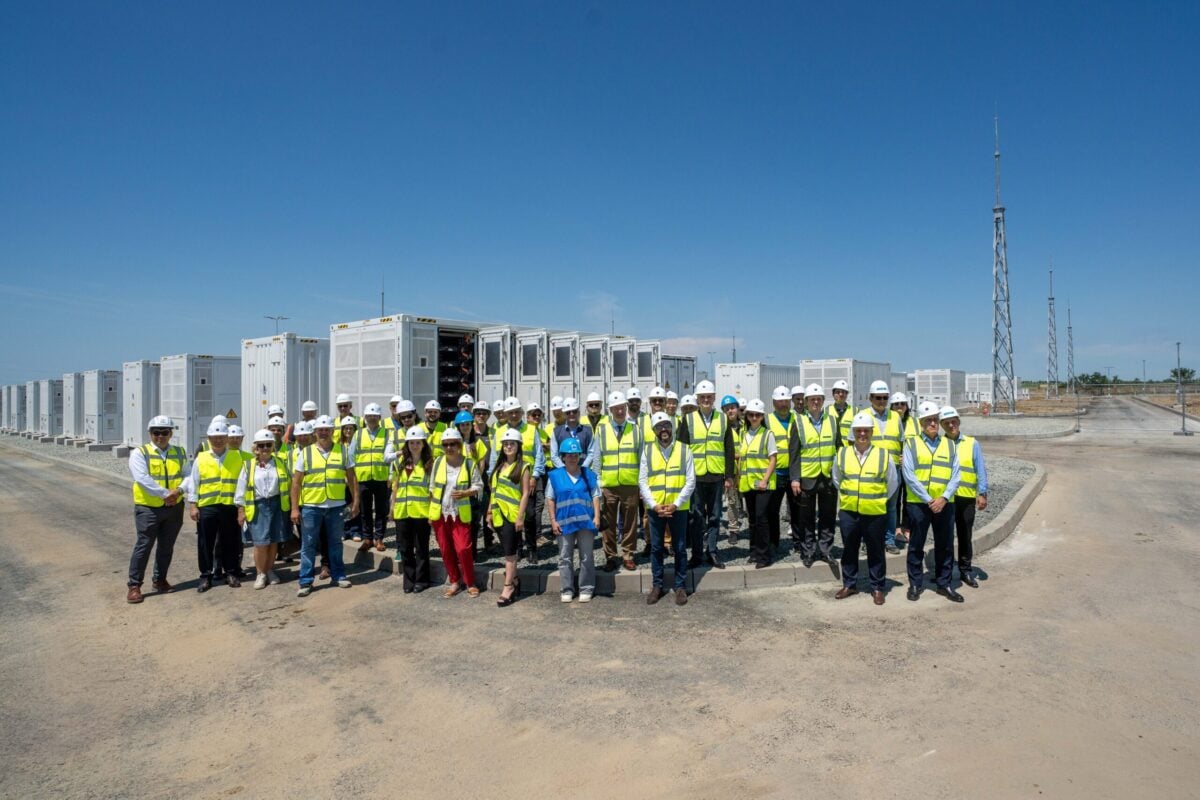
Storage remains marginal. Pumped hydro capacity is fixed at roughly 7 gigawatts. Battery installations grew to an estimated 12 gigawatts by mid-2026, but most are distributed behind-the-meter assets not yet fully integrated into system balancing. Hydrogen-ready gas turbines exist only as pilot projects. The flexibility gap is currently plugged by interconnectors, Germany is a net exporter to France, Poland and the Czech Republic, and by conventional plants running at minimum load.
Organisations
Statistisches Bundesamt