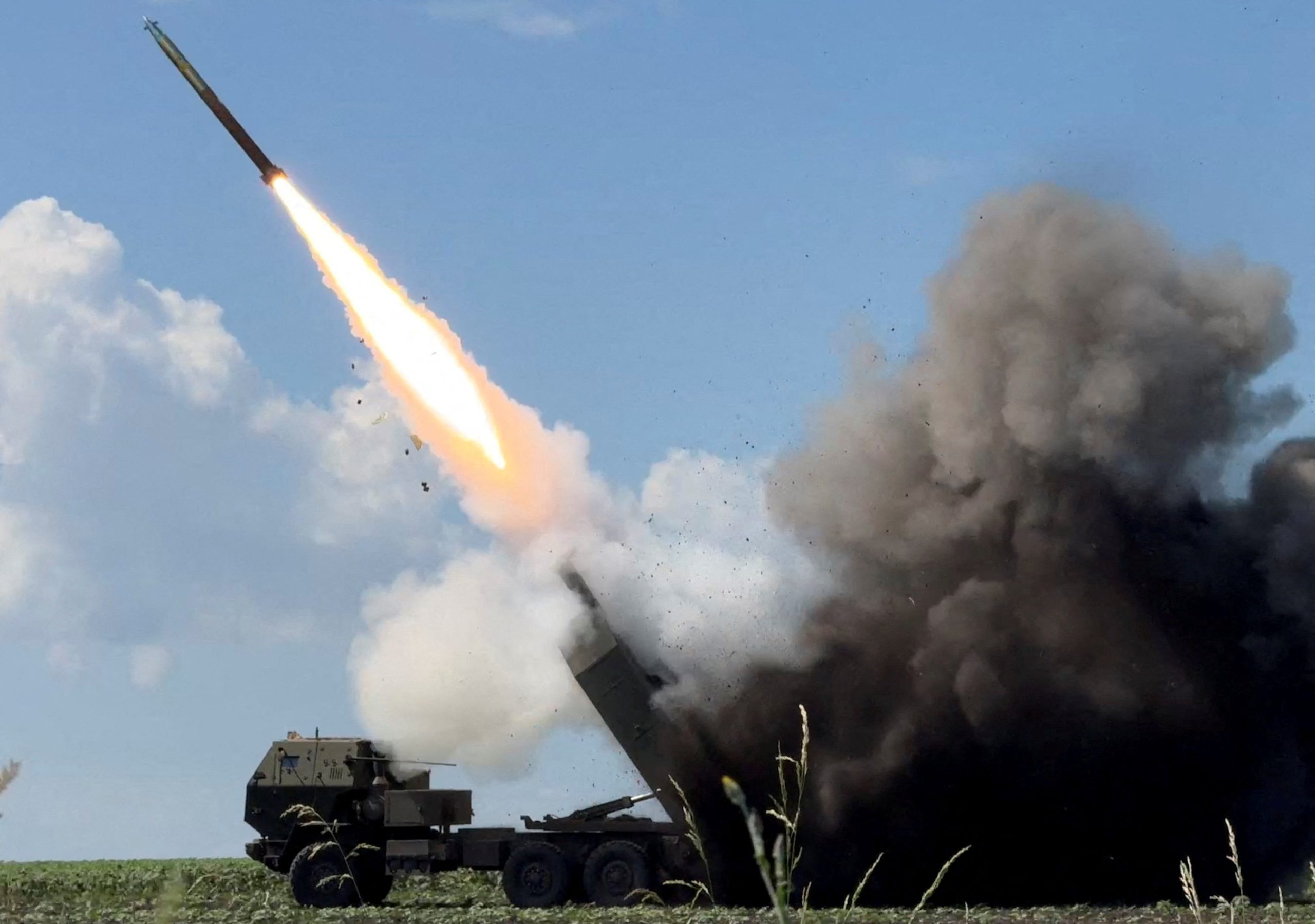
An explosion at a weapons storage facility in Bulgaria overnight on 11 September 2026 ignited a fire and reignited longstanding questions about the security of munitions sites in a country that has served as a critical arms corridor for Ukraine.
Bulgarian authorities said they had no evidence of foreign interference and were treating the incident as a high-risk munitions accident. But the facility, which has not been formally named in public reports, had previously been under scrutiny because of earlier incidents connected to the Russia-Ukraine conflict, according to initial accounts. That detail alone ensures the blast will be examined far beyond Bulgaria's borders.
A facility already under scrutiny
The reference to previous incidents at the same site is significant. Munitions storage facilities in Eastern Europe have experienced a troubling pattern of explosions over the past decade, and the question of whether those blasts were accidents or acts of sabotage has never been fully settled in several cases. For a facility to have been flagged before suggests either recurring safety failures or something more deliberate, and neither explanation is reassuring.
Bulgarian officials have not detailed the nature of the earlier incidents, the types of munitions stored at the site, or the scale of the damage caused by the overnight blast. The classification as a high-risk munitions accident is the default procedural response when an explosion occurs at a storage facility and no immediate evidence of foul play is present. It does not preclude a later revision.
The Vrbetice precedent
Eastern Europe's recent history with depot explosions is impossible to ignore. In October 2014, two blasts at the Vrbetice ammunition depot in the Czech Republic killed two people. Czech authorities initially treated the incident as an accident. It took seven years before Czech intelligence publicly concluded that operatives from Russia's GRU military intelligence service had planted explosives at the site, targeting arms shipments destined for Ukraine.
The Vrbetice revelation forced a reassessment across the region. If Russian agents had been willing to conduct a lethal sabotage operation on NATO territory, similar incidents elsewhere could not be dismissed as mere accidents. Bulgaria experienced its own series of munitions depot blasts in the 2010s, most notably at the Novo Selo military training area near the Serbian border. Those were officially attributed to poor storage conditions and high summer temperatures, but the Vrbetice findings inevitably cast earlier explanations in a different light.
Bulgaria's role in arming Ukraine
Bulgaria occupies an unusual position in the conflict. A European Union and NATO member with deep historical and cultural ties to Russia, the country has also been one of the most significant sources of Soviet-calibre ammunition for Ukraine's armed forces. Its defence industry, rooted in Warsaw Pact-era manufacturing, produces the 152mm and 122mm shells and Grad rockets that Ukrainian artillery units still rely on heavily.
Before Russia's full-scale invasion in February 2022, Bulgarian arms dealers were already supplying Kyiv. After the invasion, the flow increased substantially, routed through Poland and Romania. Factories in Kazanlak and other towns shifted to elevated production capacity. Any disruption to Bulgarian storage or transit infrastructure has direct implications for Ukraine's ability to sustain artillery fire.
The politics of attribution
Bulgaria's domestic politics complicate any rush to judgement. The country has political factions that have long advocated for closer ties with Moscow, and significant Russian investment remains embedded in sectors of the Bulgarian economy. Accusing Russia of sabotage without firm evidence would carry domestic political costs that Sofia may be reluctant to bear, particularly when coalition governments are fragile.
The absence of evidence of foreign interference is therefore not surprising, but neither is it conclusive. The Vrbetice case demonstrated that sabotage can remain undetected for years. Forensic investigation of a munitions blast is slow, painstaking work, complicated by the fact that the evidence itself has often been destroyed in the explosion. Bulgarian investigators will need to determine whether the blast originated from deteriorating ordnance, a procedural failure in storage protocols, or an external trigger. That process could take weeks or months.
Alliance implications
The blast occurs at a moment of heightened tension across NATO's eastern flank. The alliance has substantially reinforced its presence in Bulgaria since 2022, establishing a multinational battlegroup and expanding air policing operations. Bulgaria hosts a NATO naval command at Varna and has participated in allied maritime monitoring in the Black Sea.
For alliance planners, any incident at a weapons facility in a member state raises two questions. If the blast resulted from sabotage by a foreign power, it represents a failure of deterrence and an escalation that cannot go unanswered. If it resulted from poor safety practices, it raises questions about how NATO allies manage stockpiles that are, in effect, part of the alliance's logistical infrastructure for supporting Ukraine. Either answer demands attention.
Organisations
North Atlantic Treaty Organization · European Union