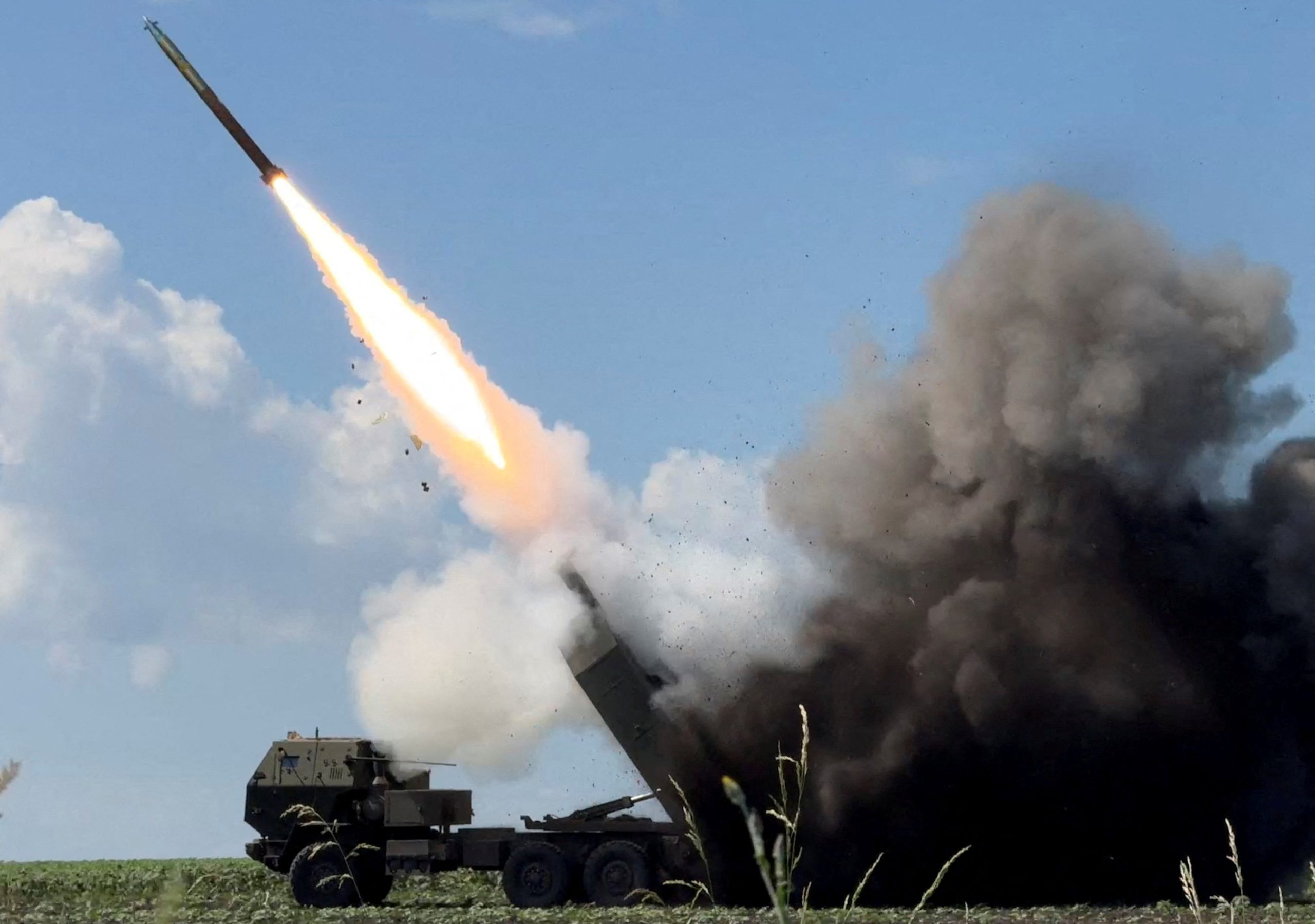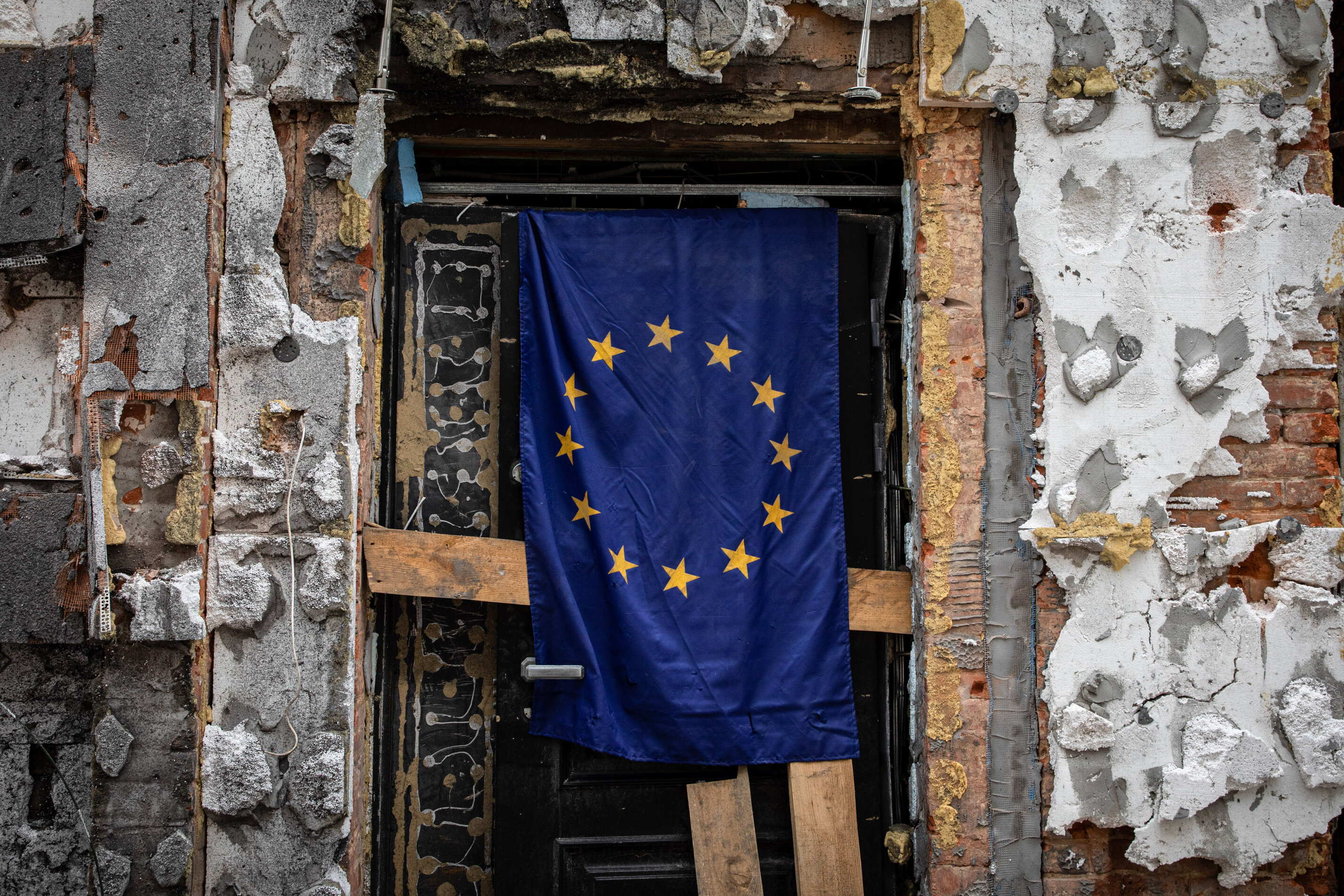
Fires at ammunition factories in Italy, Bulgaria and Estonia. Explosive-carrying drones spotted near a German power plant and at Leipzig's airport, apparently targeting Ukrainian cargo aircraft. Undersea cables severed in the Baltic. Cyberattacks traced to Italian infrastructure. Arson in the United Kingdom. Severed pig heads deposited outside French mosques. European intelligence agencies have attributed hundreds of such operations to Russia over recent months, and the pace is quickening.
A summer of sabotage
The incidents form a pattern that is no longer disputed by most European security services. Russia is running a coordinated hybrid campaign across the continent, one that stops short of conventional military action but seeks to destabilise, intimidate and coerce. The sabotage operations accelerated over the summer of 2026, coinciding with a period in which Russia's battlefield advance in Ukraine had largely stalled and Ukrainian long-range drone strikes were causing fuel shortages inside Russia itself.
That timing is not coincidental. Moscow has been losing ground in the war's centre of gravity and has chosen to widen the pressure on the periphery, targeting the European countries that sustain Ukraine's military and economic viability.
Europe as Ukraine's production base
The shift in European involvement has been gradual but decisive. At the start of the full-scale invasion in 2022, European governments donated weapons from their own stockpiles. Within two years, they were paying Ukrainian factories to manufacture arms. By 2025, Ukrainian defence companies had begun moving production abroad. Fire Point, a Ukrainian missile and drone manufacturer, announced it would build a solid-fuel plant in Denmark, the first such expansion outside Ukraine.
Today, Ukrainian weapons are manufactured in Germany, Britain, the Netherlands, Norway, Sweden, France, Romania and Spain. Europe now provides the bulk of financial assistance to Kyiv and serves as its secure industrial rear. From Moscow's perspective, that makes European territory a legitimate target. If Kyiv is striking Russia's rear with weapons partly built on European soil, the Kremlin's logic runs, then Russia can reasonably threaten Ukraine's rear in the same countries.
Why conventional war remains improbable
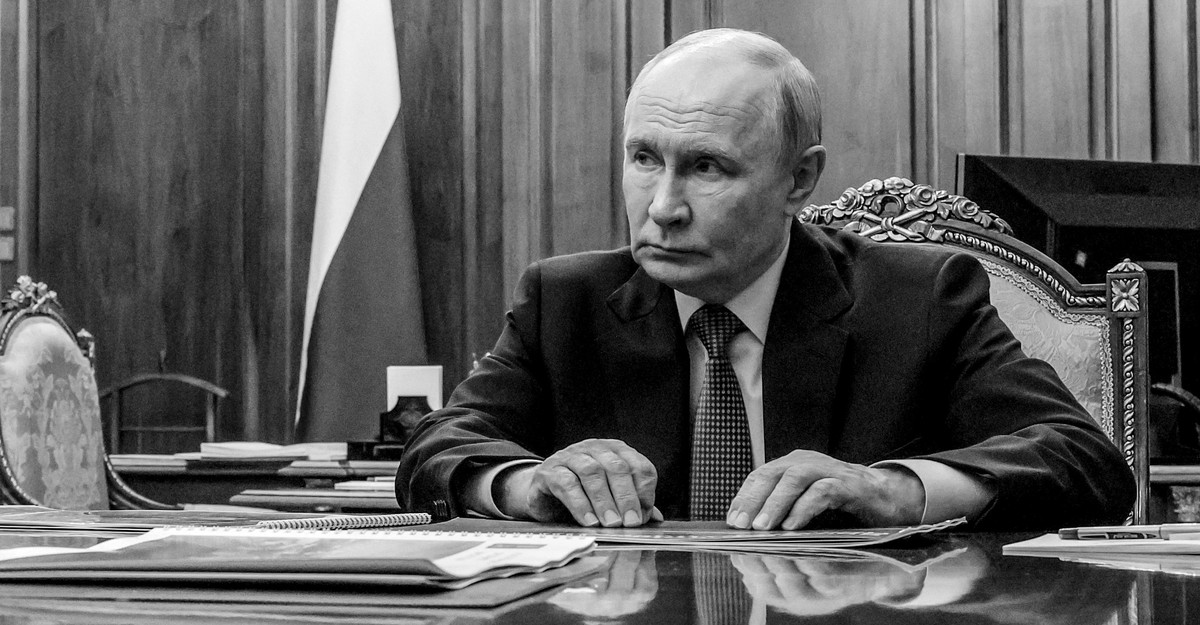
A US intelligence assessment reportedly judges a conventional Russian attack on a NATO member likely at some point between this autumn and 2029. Yet Russia has not massed forces on any NATO border. Putin told Trump this week that Russia harbours "no aggressive intentions against European statehood," and the military posture on the ground largely matches that claim, whatever its sincerity.
The reasons are structural. The Baltic states, often cited as the most vulnerable NATO members, now spend roughly 5% of GDP on defence, have heavily fortified borders and conduct regular military exercises. Thousands of British, German and Canadian troops are stationed near those borders as part of NATO's Enhanced Forward Presence. An attack on Estonia would not simply be a gamble on American restraint; Russia would find itself at war with multiple European states possessing submarines, aircraft carriers, fifth-generation fighter jets, long-range cruise missiles and nuclear arsenals, all while still fighting in Ukraine.
Putin has historically committed the Russian military only to conflicts where he considered victory assured. Georgia in 2008, Syria from 2015, and the initial phase of the Ukraine invasion all reflected that pattern, however badly the last calculation turned out. The Baltic states do not fit it.
The message matters more than the damage
Many of the sabotage operations have been thwarted before causing serious harm. Drones discovered at Leipzig airport did not reach their targets. Improvised explosive devices near a German power plant were intercepted. The pattern resembles a practice the Russian security services have long employed against Western diplomats and journalists stationed in Moscow: entering apartments, rearranging belongings, leaving obvious signs of eavesdropping, opening windows in midwinter. The message is the point. We can reach you. We are watching. You are not safe.
The same logic applies at scale. Russia does not need to destroy a German power plant to make Germans nervous. It does not need to down a Ukrainian cargo plane to remind Leipzig that its airport is vulnerable. The discovery of the device, reported in domestic media, achieves much of the same political effect as a successful strike, without the escalation risks.
What the campaign has failed to achieve
Measured against its likely objective, the campaign has been remarkably unsuccessful. Weapons, money and intelligence continue flowing from Europe to Ukraine in greater volumes than before. No European satellite supplying Ukraine with intelligence has been taken out. No shipment of Patriot missiles has been destroyed. Ukrainian strikes on Russian territory suggest Kyiv has more intelligence than ever, not less.
The practical damage, then, has been limited. But the political effect is harder to quantify. Millions of Europeans have been placed on alert for a full-scale war that their governments simultaneously insist is unlikely. Public anxiety about escalation has risen. The question is whether that anxiety will eventually erode support for Ukraine, even if the material supply chain remains intact.
The price of ending it
Putin persists with this hybrid campaign for a reason that goes beyond immediate military utility. Through relatively cheap operations, expendable operatives and a steady flow of alarming disclosures, the Kremlin has pushed Western populations and governments to brace for a wider conflict. Having generated that fear, Putin is positioned to demand concessions in exchange for reducing the threat.
The hybrid campaign, in other words, is not a prelude to conventional war. It is an alternative to it, one that allows Moscow to extract political value from intimidation without crossing the threshold that would trigger NATO's collective defence clause. Whether European governments choose to pay that price, or whether they treat the sabotage as a cost of supporting Ukraine that must simply be endured and countered, will shape the next phase of the conflict.
People mentioned
Organisations
North Atlantic Treaty Organization · Fire Point