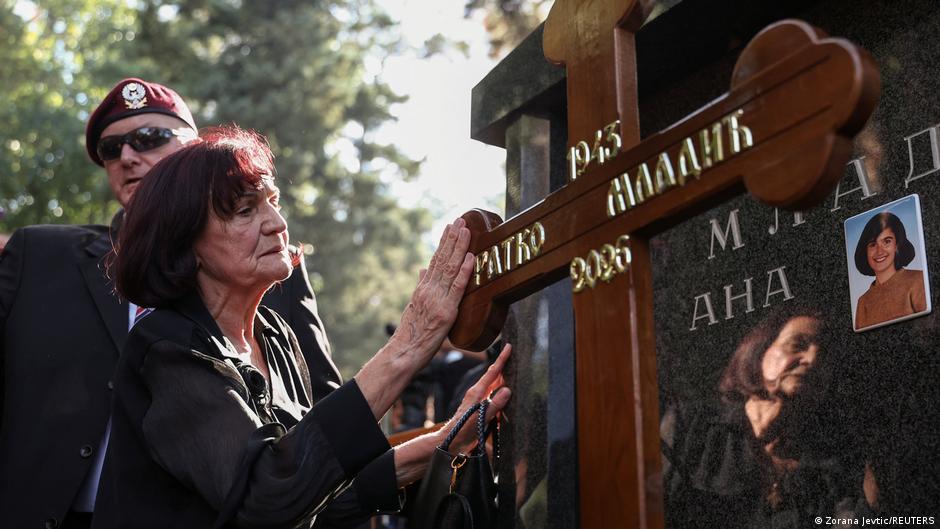
The coffin of Ratko Mladic was carried through Belgrade on 8 September under a military honour guard. Government ministers walked behind it. Thousands lined the streets, some chanting the name of the man the International Criminal Tribunal for the former Yugoslavia sentenced to life imprisonment for genocide, crimes against humanity and war crimes committed during the 1992 to 1995 Bosnian war. President Aleksandar Vucic did not attend, but his government facilitated the ceremony and defended the public mourning as a legitimate expression of grief.
The funeral that exposed a decade of pretence
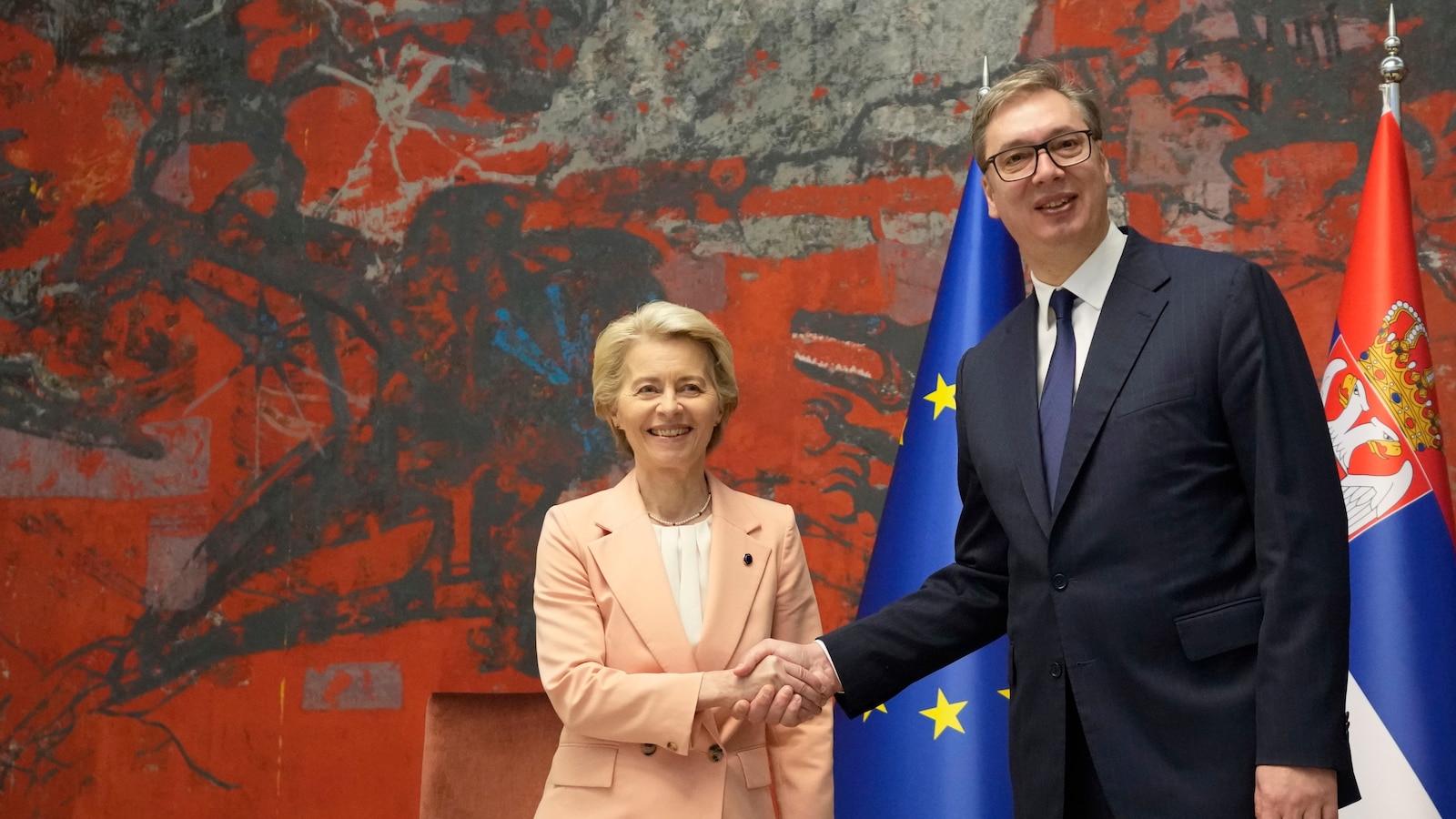
In Brussels, the images triggered an unusually sharp reaction. Ursula von der Leyen called them shocking. European Council President Antonio Costa condemned the glorification of a war criminal. Enlargement Commissioner Marta Kos cancelled a visit to Belgrade. But the funeral did not create the crisis in EU-Serbia relations. It merely stripped away the pretence that the accession process was still functioning.
Serbia has been an official candidate since 2012. Negotiations opened in 2014. Yet the country has closed only two of 35 negotiating chapters and opened just 22. For years, the European Commission's annual reports have documented backsliding on judicial independence, media freedom and the fight against corruption. Belgrade has refused to align with EU sanctions on Russia since the full-scale invasion of Ukraine in 2022. The Mladic funeral made visible what the reports had long described in diplomatic language: a candidate country that no longer pretends to share the union's values.
Brussels' comfort with a convenient partner
"For too long, the EU has kept treating Serbia as a normal candidate country," Engjellushe Morina of the European Council on Foreign Relations told DW. The phrase captures the central contradiction. Vucic has been treated as an indispensable stabiliser in the Western Balkans, a leader who could keep Serbia anchored to the West while extracting concessions from both sides. The EU gained a partner that signed the Stabilisation and Association Agreement, accepted visa liberalisation and absorbed billions in pre-accession funds. Serbia gained time.
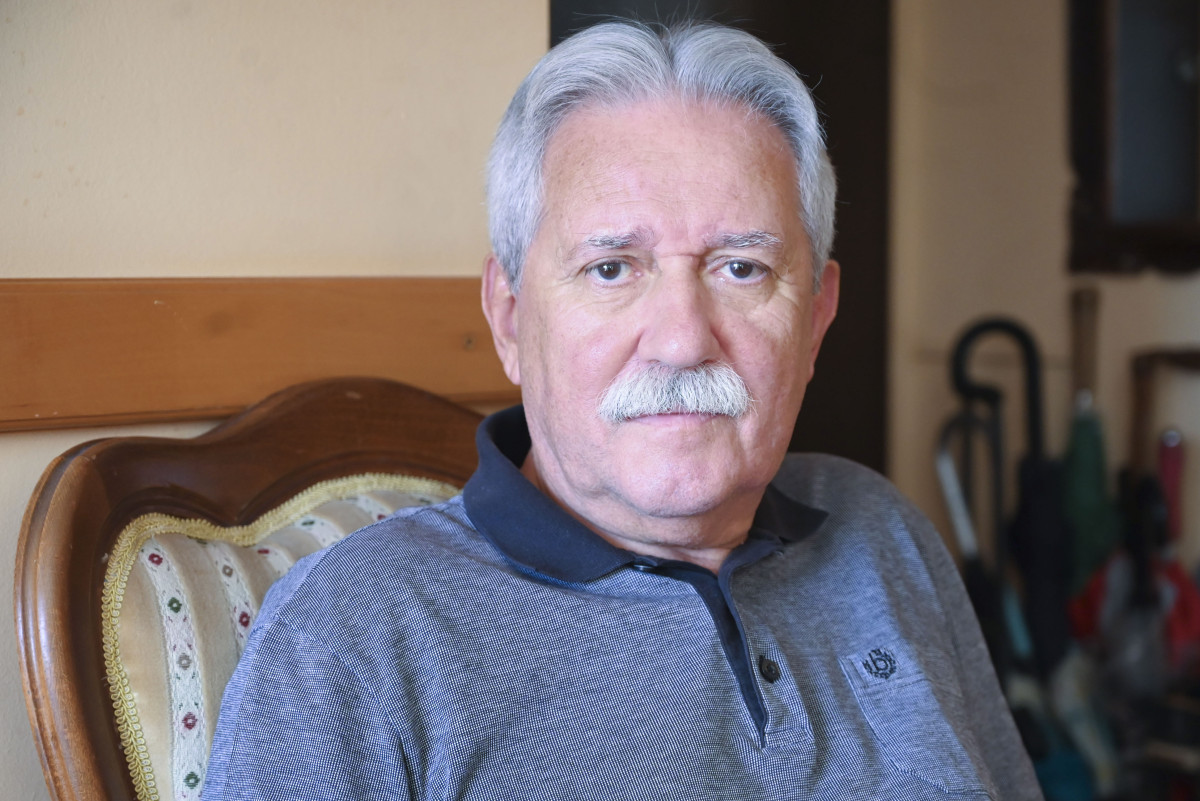
Naim Leo Besiri of the Institute for European Affairs in Belgrade puts it more bluntly: "The ruling majority in Serbia has not performed anything that was promised on the reform agenda during the last five years." Civil society organisations have warned for years about the capture of institutions, pressure on independent media and the erosion of parliamentary oversight. Brussels, Besiri argues, largely turned a blind eye.
Economic leverage that isn't being used
The economic relationship is heavily asymmetric. The EU is Serbia's largest trading partner, accounting for more than 60 percent of total trade, its biggest investor and its main financial donor through the Instrument for Pre-Accession Assistance and the newer Growth Plan for the Western Balkans. In 2023, EU goods exports to Serbia reached 26.4 billion euro while Serbian exports to the bloc topped 22 billion euro. Yet this interdependence has not translated into political conditionality.
The Commission has started withholding further Growth Plan payments, citing concerns over judicial independence. Besiri doubts this will change Vucic's calculus. Broad funding cuts risk hurting ordinary citizens more than the political elite. He advocates targeted sanctions against individuals responsible for democratic decline and the misuse of state institutions. Morina agrees that isolation would be dangerous but argues for a middle path: stay engaged with Serbian society while forcing Vucic to make clear political choices.
The October election and Vucic's next act
Parliamentary elections are scheduled for 25 October. After 12 years as president, Vucic is seeking to become prime minister, a move that would keep him at the centre of power while formally respecting term limits. The opposition remains fragmented and operates in a media environment dominated by pro-government outlets. "It is extremely difficult to win democratically in undemocratic elections," Besiri says. Neither expert expects the vote to repair institutions or shift Serbia's trajectory toward the EU.
Vucic's strategy is familiar: cooperate just enough to keep funds flowing and negotiations technically alive, while consolidating control at home and cultivating Moscow and Beijing as alternative partners. The EU's strategy is equally familiar: maintain the process, avoid rupture, hope for gradual improvement. The Mladic funeral showed where that dynamic leads.
What reconciliation would actually require
Regional reconciliation appears more distant than at any point since the wars ended. Besiri argues Serbia must first acknowledge its role in the 1990s conflicts and accept established facts about the crimes committed. Instead, narratives portraying Serbs exclusively as victims remain embedded in politics, education and media. Morina warns that recent developments represent "basically the reverse of everything that has been built for so many years."
The choice Brussels has avoided
The EU faces a decision it has deferred for years. It can continue to treat Serbia as a candidate on track, accepting the hollowing out of the accession criteria. It can suspend the process, risking a sharper Serbian pivot toward Moscow and Beijing. Or it can redesign the relationship: keep economic ties and societal engagement while making clear that political integration requires measurable, verifiable reform, not the performance of reform. The Mladic funeral did not create this choice. It only made the cost of avoiding it impossible to ignore.
The European Commission's enlargement policy for the Western Balkans is outlined on its dedicated Serbia page, while the Council's conclusions on the region are published by the European Council.
People mentioned
-
Engjellushe Morina
-
Naim Leo Besiri
Organisations
European Commission · European Council on Foreign Relations · Institute for European Affairs · European Council