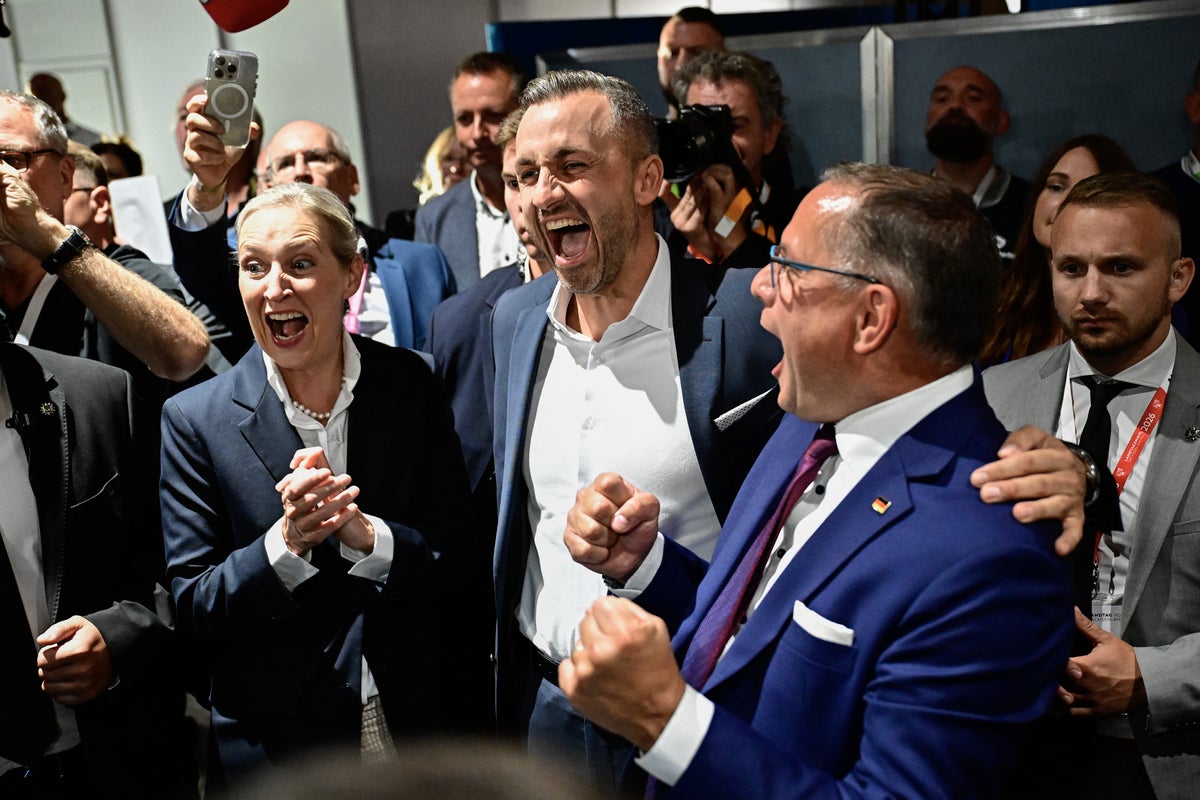
The Alternative for Germany came within a handful of seats of an absolute majority in Saxony-Anhalt on Sunday, the closest a far-right party has come to governing a German state since 1945. In Brussels, the result was read not as a regional curiosity but as a deadline. Four diplomats and officials told Politico that the election has turned the December close of the EU's next seven-year budget from a target into a necessity.
A German state election rewrites the Brussels calendar
Negotiations on the Multiannual Financial Framework, the €2 trillion spending plan that runs from 2028 to 2034, have been deadlocked for months. Net contributors led by Germany want the envelope shaved by hundreds of billions of euros. Net recipients including Poland and Romania want it held at the Commission's proposed level. Frontier states from Estonia to Greece are demanding extra funds for defence and hybrid threats from Russia. Until last weekend, neither side saw advantage in moving.
The Saxony-Anhalt result changed that calculation. "Saxony-Anhalt could really define the fall," said one diplomat involved in the talks. "It will make it clear that it is crucial to get agreement this year. If we don't get it in December, it can't be February or March, that will be too close to the French election."
The 2027 election wall
The French presidential election starts on 18 April 2027. Marine Le Pen has pledged to halve France's contribution to the EU budget if she wins. But France is only the most prominent of a cluster of votes next year. Spain, Italy, Poland, Greece, Estonia and Slovakia also go to the polls. Four of the five largest member states will be in campaign mode simultaneously.
"With four of the five largest EU member states voting in parliamentary or presidential elections, it will be more difficult to reach an agreement, especially if we look at the rise of anti-European populism," said Siegfried Mureșan, the Parliament's lead lawmaker on the budget. "Everyone understands the obvious negative consequences of a delayed adoption and entry into force of the MFF."
Germany's leverage and its limits
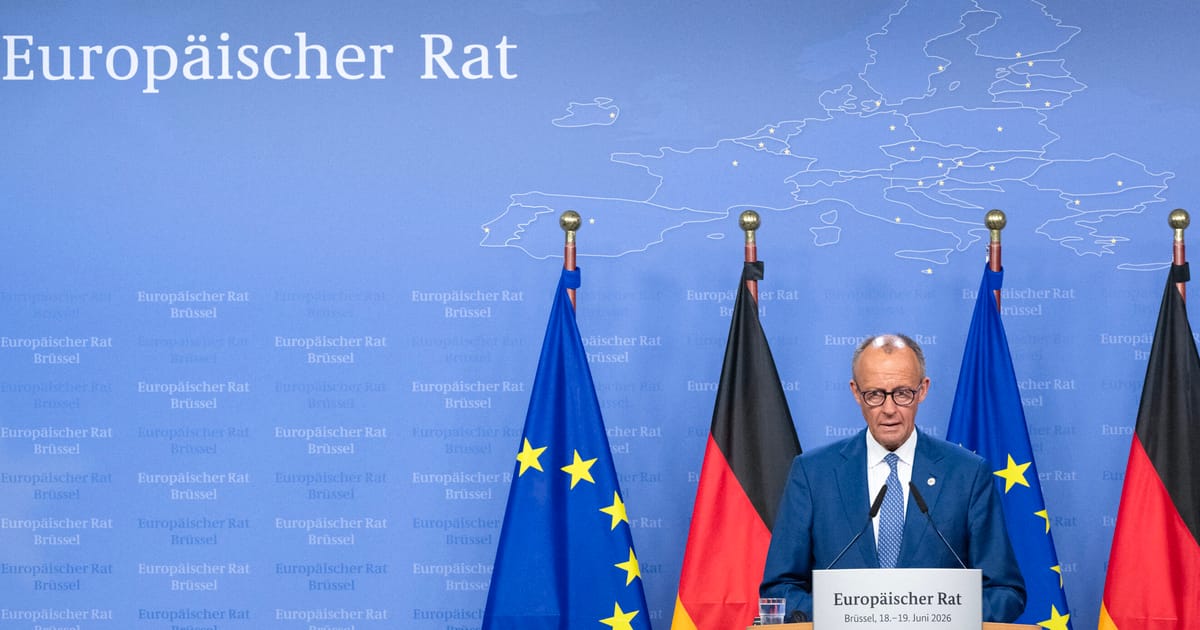
Berlin heads the informal group of frugal capitals pressing for a smaller budget. That position is domestically popular but creates a paradox: a German government that wants Brussels to spend less is now being told by its own partners that a far-right breakthrough in an eastern German state makes a swift deal imperative. The AfD's platform includes radical cuts to EU funding and a return of competences to nation states. Every week of delay increases the chance that similar parties gain leverage in Paris, Rome or Warsaw.
At a meeting of European ministers in Ireland on Thursday, Budget Commissioner Piotr Serafin warned that the very priorities the Commission has labelled strategic, competitiveness, defence, security, would be "the first victims of cuts" if the net contributors prevail. The warning was directed at Berlin as much as at The Hague, Vienna or Copenhagen.
France's price: own resources or no deal
Paris has its own red line. Emmanuel Macron's government insists that any agreement must include new EU-wide revenue sources, levies on US digital giants, a carbon border adjustment mechanism, taxes on online gambling, so that national treasuries are not left footing the bill. "Any agreement without own resources will be a no-go for France," said an EU official close to the talks. "We get it."
That demand complicates the arithmetic. The frugal group opposes new EU taxes on principle. The Parliament supports them but wants a larger budget overall. The Commission's original proposal assumed a significant own-resources basket. If France vetoes a deal without them, and Germany vetoes a deal with them, the December deadline becomes a game of chicken.
Eastern members refuse to be the adjustment variable
Kirsten Michal, Estonia's prime minister, put the frontier states' case bluntly after meeting Costa last week: "Europe cannot ask its eastern members to carry a growing security burden while funding priorities as if the world had not changed." Poland and the Baltic states argue that defence spending, border infrastructure and energy decoupling from Russia are not discretionary items. They see the budget as the instrument that makes Article 4.2 of the Treaty, collective defence, financially credible.
Summit diplomacy: October, November, December
The institutional calendar is now fixed. EU leaders meet on 15 October, where Ireland will present an updated negotiating position. A second summit is pencilled in for 26-27 November. The final, potentially marathon session will take place in December. Costa's message in every capital has been the same: the deal crosses the line this year or it does not cross at all.
Thomas Byrne, Ireland's Europe minister and current Council presidency chair, described Dublin's agenda as simple: "To get it done by the end of the year in order that the legislation can be passed next year." The legislation, the MFF regulation and the accompanying own-resources decision, requires unanimous Council approval and Parliament consent. Ratification in 2027, with a new Parliament and new national governments, is the outcome everyone wants to avoid.
One diplomat from a frugal capital put the choice in stark terms: "If you want to do it, you have to do it within the next three months. After that, the politics eat the deal." The sentence was left unfinished. The implication was clear enough.
People mentioned
-
Kirsten Michal
Organisations
European Council · European Parliament · European Commission · Alternative for Germany (AfD)