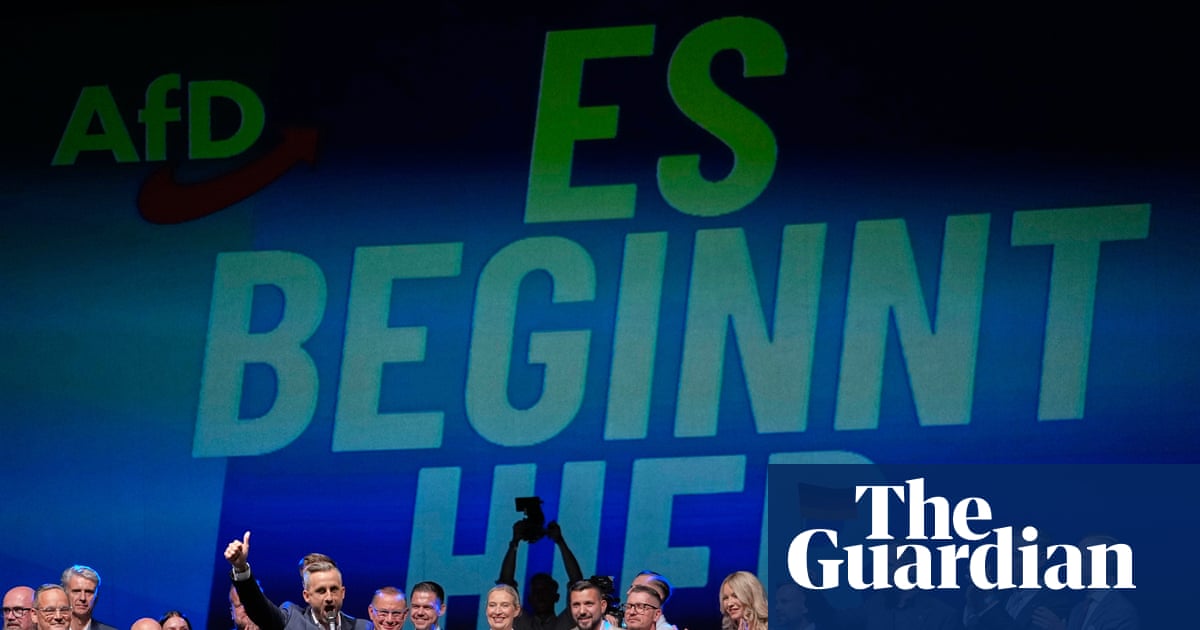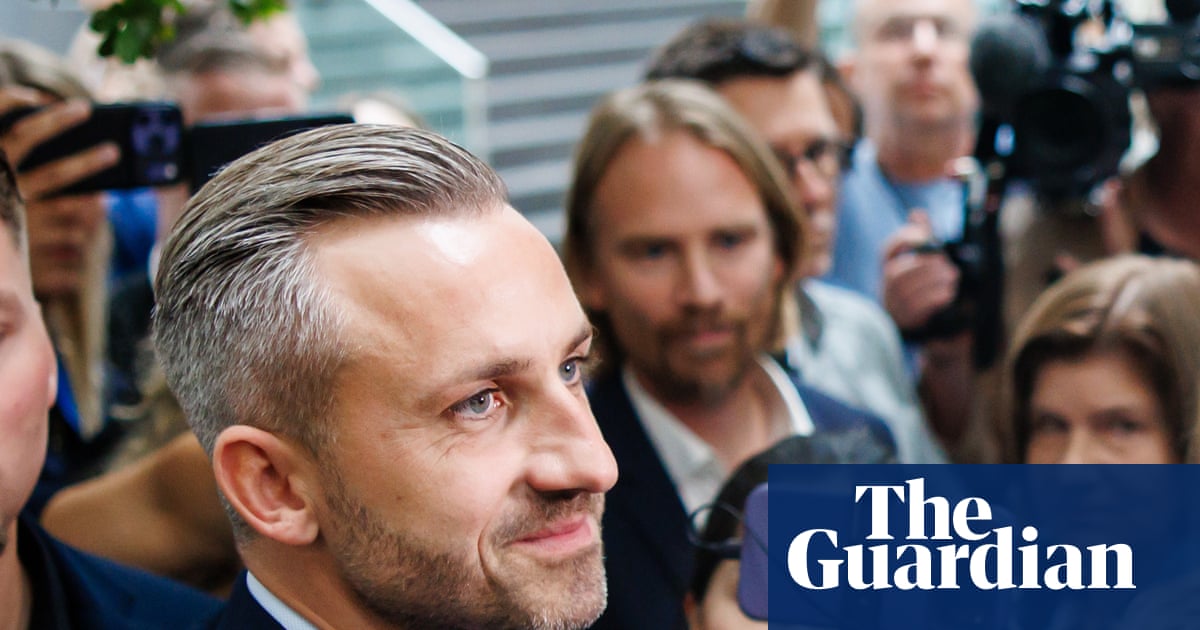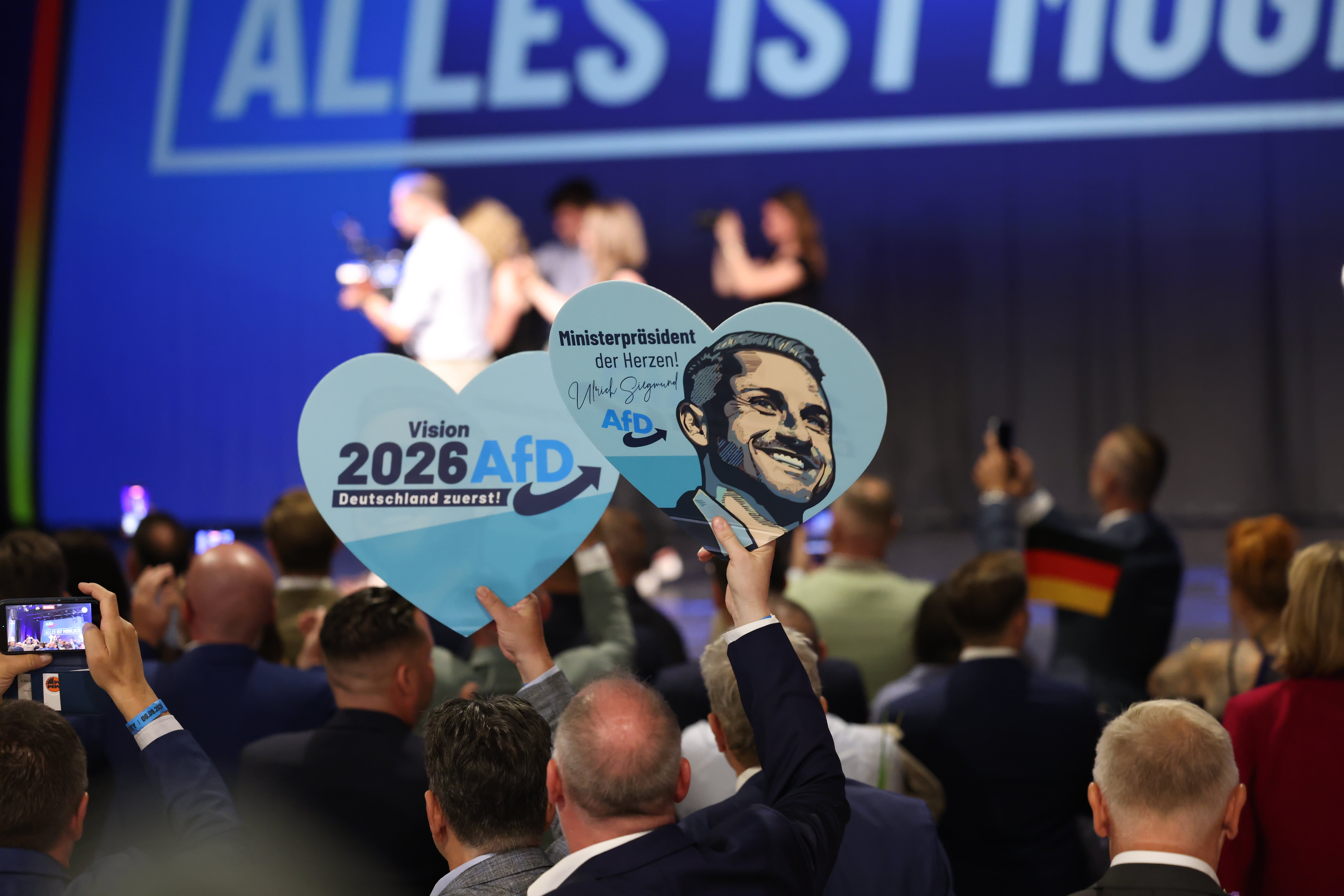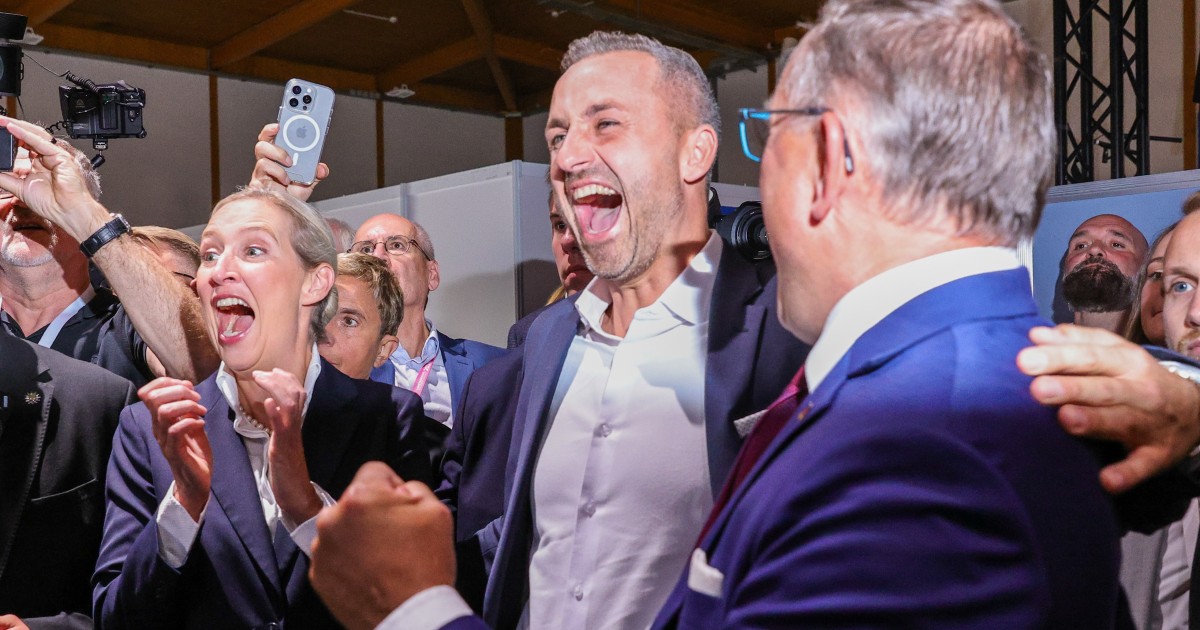
The Alternative for Germany has achieved its strongest ever result in a western German state, capturing 43.8% of the vote in Saxony-Anhalt on Sunday and positioning itself as the dominant force in a parliament where no other bloc can govern without it. Yet the party fell three seats short of the 42 needed for an absolute majority in the 83-member Landtag, leaving the far-right grouping with a historic mandate but no immediate route to the minister-president's office.
A result that reshapes the arithmetic
Final counts gave AfD 39 seats. The CDU, which has run the state continuously since 1990, crashed to 15 seats on 17.2%, its worst showing since reunification. The Social Democrats, Greens and Left Party each returned eight deputies on roughly 9% apiece. The newcomer Bündnis Sahra Wagenknecht (BSW) cleared the threshold with five seats and 5.3%. Turnout surged to 77.8%, the highest in the state since the early 1990s, and AfD appears to have drawn heavily from a pool of citizens who stayed home five years ago.
The numbers create a deadlock. A majority requires 42 votes. AfD has 39. The CDU, SPD, Greens and BSW together hold 38. Any coalition that excludes both AfD and the Left Party falls short. The CDU has ruled out cooperation with either. The BSW has said it will not vote for AfD's Ulrich Siegmund or incumbent Sven Schulze, but also criticises the so-called firewall against the far right. That leaves the parliament in a configuration not seen in post-war Germany: the largest party is isolated by a cross-party refusal to engage, yet the arithmetic makes a government without its tacit support nearly impossible.
The firewall holds, for now
Franziska Hoppermann, the CDU's federal general secretary, was unambiguous on Sunday night. "AfD is a right-wing extremist party. It wants to leave the euro; that would be economic downfall. It works closely together with Russia, it wants a completely different social model. We will not work with them," she said. The language mirrors the federal party's position and that of the domestic intelligence agency, the Federal Office for the Protection of the Constitution, which classifies the Saxony-Anhalt AfD branch as a proven right-wing extremist entity. The designation rests on the denigration of migrants from Muslim countries, the use of the term "remigration" for mass deportation, and the conviction of a neighbouring state leader for employing a Nazi slogan.
AfD rejects the extremism label as politically motivated. Siegmund, 35, told ARD that voters had sent a signal that "things cannot carry on like this" and credited Chancellor Merz as "a very good campaigner for us". Alice Weidel, the federal co-leader, called the result "sensational" and held out an open hand to "all who want to make Saxony-Anhalt better". The party's platform for the state includes a "deportation offensive", withdrawal from the regional public broadcaster, a ban on rainbow flags in schools, mandatory national flags, and a push to lift sanctions on Russia, though the last falls outside state competence.
Merz's authority damaged
The defeat is a personal blow to Friedrich Merz. His CDU has led Saxony-Anhalt for 24 years; the state was once a reliable conservative stronghold. Losing half the party's vote share in a single cycle suggests the chancellor's national standing is not translating into eastern support. Merz's government in Berlin has struggled to revive a stagnant economy, and his rhetoric on migration, toughened in response to AfD pressure, appears to have driven voters toward the original rather than the imitation. The result will fuel speculation about a leadership challenge before the 2029 federal election, though no obvious successor has emerged.
Echoes of Thuringia, but closer to power
Two years ago, AfD topped the poll in neighbouring Thuringia but finished far from a majority. A CDU minority government eventually took office with tacit support from the Left Party. The Saxony-Anhalt arithmetic is tighter. AfD is three seats from a majority, not 20. The CDU's Schulze could attempt a minority administration, but he would need the Left Party to abstain, a party his federal leadership treats as beyond the pale. The BSW's five seats are insufficient to bridge the gap alone. If no government forms, the state constitution provides for new elections within a set period, a scenario that would likely benefit AfD further.
What the state can and cannot do
Germany's 16 states wield substantial authority over policing, education and cultural policy. An AfD-led government in Magdeburg could reshape school curricula, restrict refugee integration programmes and purge the state broadcaster of perceived bias. It could not, however, withdraw from the euro, lift EU sanctions on Russia or control foreign policy, powers that reside in Berlin and Brussels. Saxony-Anhalt holds four of 69 votes in the Bundesrat, the upper chamber, limiting its direct influence on federal legislation. But a far-right minister-president would sit in that chamber, a symbolic rupture in a system designed after 1949 to prevent precisely such an outcome.
The eastern dimension
AfD's strength remains concentrated in the former East Germany, where economic convergence has stalled, populations have aged and the memory of 1989 is refracted through a sense of neglected promise. Saxony-Anhalt, with 2.1 million people west of Berlin, exemplifies the pattern: lower wages, higher unemployment, and a political culture more volatile than in the west. The party's surge here is not an anomaly; it is the culmination of a decade in which the CDU's dominance eroded as voters concluded that the mainstream offered no answers to deindustrialisation and demographic decline.
The Federal Returning Officer will publish the official final result in the coming days, after which the state parliament's constituent session must be scheduled. Until then, Saxony-Anhalt is governed by a caretaker administration led by Schulze. The federal government in Berlin has made no formal comment, but the result will dominate the CDU's party conference later this month. For AfD, the question is whether it can convert a historic plurality into executive power, or whether the firewall, battered but unbroken, holds for another cycle. The answer will shape German politics well beyond the Elbe.
People mentioned
Organisations
Alternative for Germany · Christian Democratic Union · Social Democratic Party of Germany · Alliance 90/The Greens · The Left · Bündnis Sahra Wagenknecht