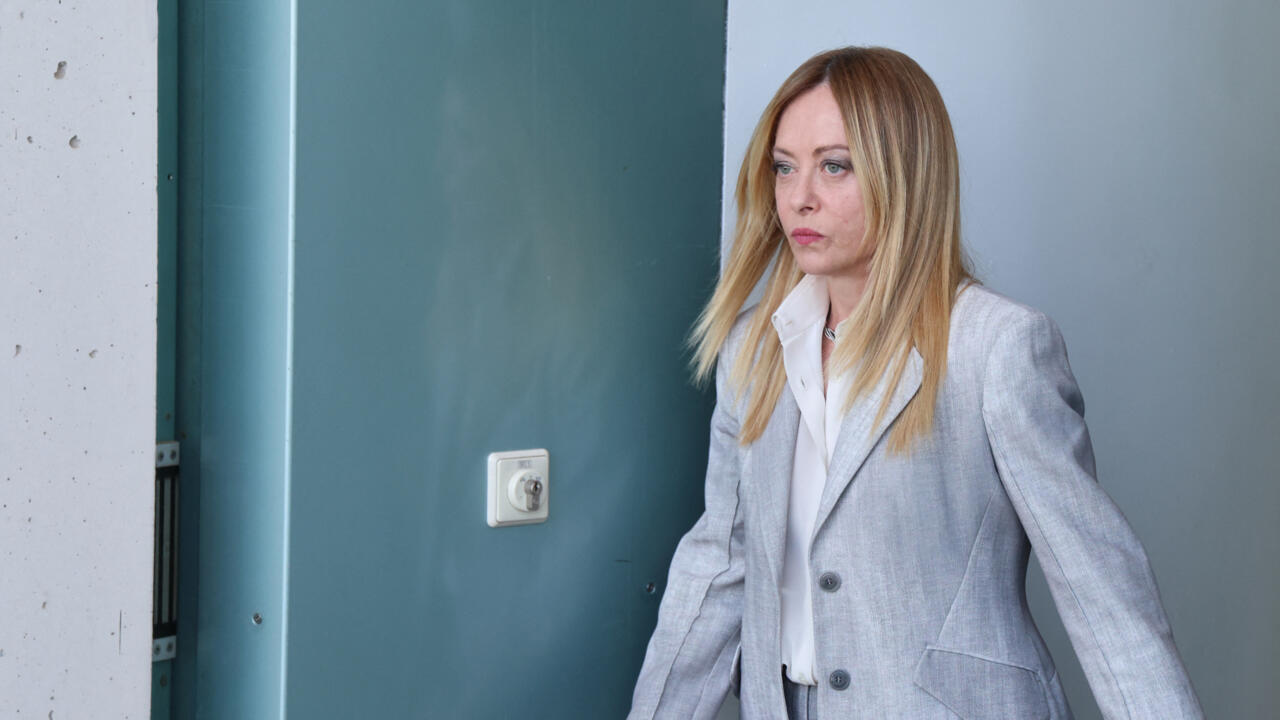
Giorgia Meloni's government entered the record books on 3 September 2026, becoming the longest-serving uninterrupted administration in Italy since the foundation of the republic. At 1,413 days, it has edged past the 1,412-day tenure of Silvio Berlusconi's second government, which held office from June 2001 to April 2005. The milestone is striking in a country that has cycled through 68 cabinets in eight decades, an average of one every 14 months.
A rare anchor in turbulent waters
Italian political instability is not folklore; it is structural. Since 1945, the combination of a pure proportional electoral system (in place until 1993), a fragmented party landscape, and the convention that governments must command parliamentary confidence has produced a revolving door of prime ministers. The 68-government figure, tracked by Istat, includes technical cabinets, caretaker administrations, and short-lived coalitions that collapsed over budget votes, regional disputes, or personal rivalries. Meloni's achievement is therefore less about legislative output than about survival.
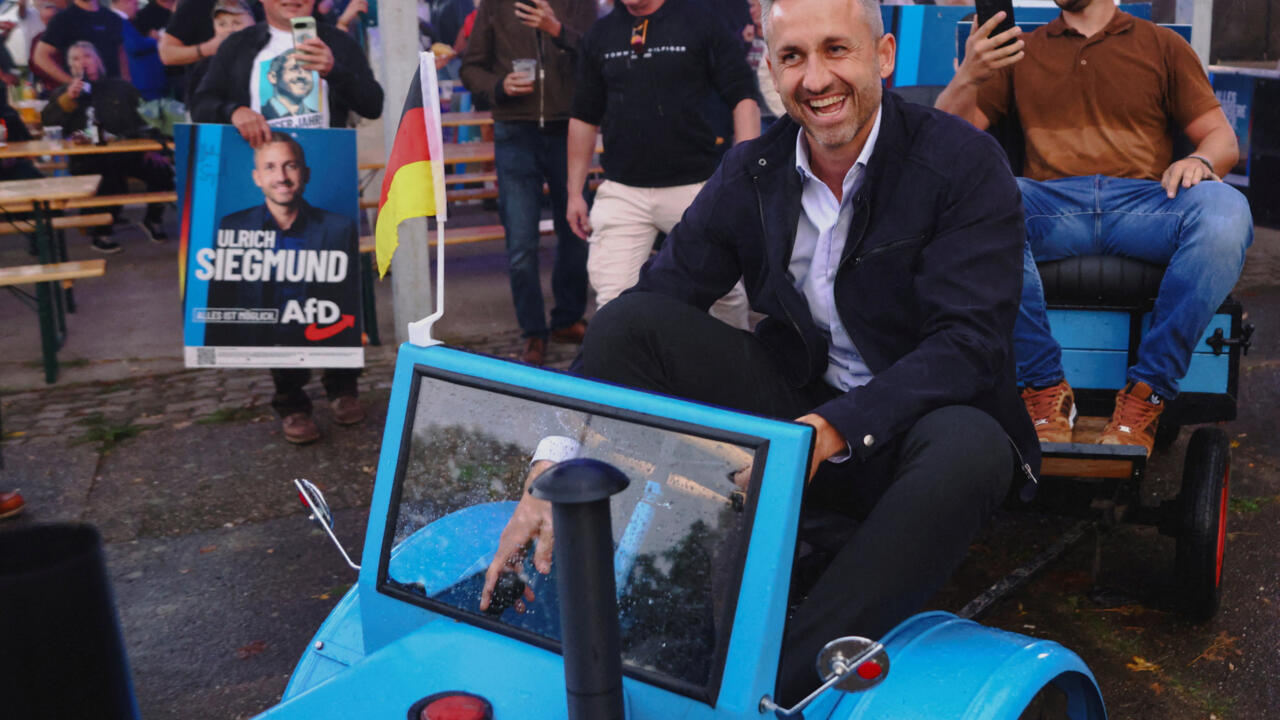
The prime minister marked the occasion with a rally in Bari, the capital of Puglia, on 4 September. The choice of venue was deliberate: the south has been a stronghold for Brothers of Italy since the 2022 general election, and the event doubled as a campaign launch for upcoming regional contests and the 2027 general election. Meloni framed the longevity record as proof that a "patriotic" government can govern effectively, contrasting her stability with the chaos of the Draghi and Conte years.
How the coalition has held together
The current majority rests on three parties: Brothers of Italy (FdI), the League (Lega), and Forza Italia (FI). On paper, this is a classic centre-right alliance. In practice, the partners have competing interests. The League, led by Matteo Salvini, draws its base from the north and has historically championed fiscal autonomy for Lombardy and Veneto. Forza Italia, the rump of Berlusconi's movement, represents a more moderate, business-oriented electorate and maintains ties to the European People's Party. Brothers of Italy, with its post-fascist roots and sovereignist rhetoric, sits to the right of both.
What has prevented the usual implosion? First, a shared fear of early elections. Polls throughout 2024 and 2025 showed the centre-left divided and the Five Star Movement in decline, but also indicated that a snap vote could produce a hung parliament or a centre-left coalition, outcomes all three partners want to avoid. Second, the distribution of ministerial portfolios has been carefully balanced: the League controls infrastructure and agriculture, Forza Italia holds foreign affairs and justice, while Brothers of Italy keeps the premiership, interior, and economy ministries. Third, Meloni has centralised decision-making in the Palazzo Chigi, limiting the scope for public feuds.
Economic record: cautious management, persistent weaknesses
On the economy, the government has pursued a cautious fiscal line. The 2025 budget targeted a deficit of 4.3% of GDP, down from 7.2% in 2023, relying on spending restraint rather than tax increases. Public debt has stabilised around 137% of GDP, still the second-highest in the euro area after Greece. Growth has been anaemic: 0.7% in 2024, 0.9% in 2025, with the Bank of Italy forecasting 1.0% for 2026. Unemployment has fallen to 6.5%, a historic low, but youth unemployment remains above 20% and female labour participation lags the EU average by 15 percentage points.
The government's flagship policy, the "flat tax" extension for self-employed workers up to €85,000, has cost an estimated €2.3 billion annually. Critics argue it benefits higher earners and complicates the tax code. The citizenship income (reddito di cittadinanza) was replaced in 2024 by a narrower inclusion allowance, reducing coverage by roughly 400,000 households. On the European stage, Meloni negotiated a revised National Recovery and Resilience Plan (NRRP) tranche, securing €35 billion in grants and loans tied to reforms in justice, competition and public administration. Implementation, however, has lagged: as of June 2026, only 58% of milestones for the 2024-2026 period had been met, according to the European Commission's recovery dashboard.
Migration and the EU: confrontation as strategy
Migration has been the government's defining external confrontation. The "Albania protocol", signed in November 2023, established processing centres in Shëngjin and Gjader for asylum seekers intercepted in Italian waters. The first transfers began in October 2024; by August 2026, fewer than 1,200 people had been processed, at an estimated cost of €670 million. The European Court of Human Rights and the Italian judiciary have raised procedural objections, and the Commission has monitored compliance with the Asylum Procedures Directive. Meloni has used the friction to portray Brussels as indifferent to frontline states, a narrative that resonates domestically but isolates Italy in Council negotiations on the New Pact on Migration and Asylum.
Relations with the European Parliament have been cooler. The 2024 European elections gave Brothers of Italy 28.8% of the Italian vote, making it the largest national delegation in the European Conservatives and Reformists (ECR) group. Meloni leveraged this to secure the vice-presidency of the Commission for Raffaele Fitto, overseeing cohesion and reforms. Yet the government has voted against key Green Deal files, opposed the corporate sustainability due diligence directive, and threatened to veto the EU's long-term budget review unless cohesion funds are protected. This transactional approach has yielded specific wins but eroded goodwill in the Berlaymont.
The Bari rally and the road to 2027
Friday's event in Bari was less a celebration than a campaign launch. Regional elections in Puglia, Campania, Tuscany, Veneto and Marche are due by spring 2027, and the general election must be held by October 2027. The centre-left, led by Elly Schlein's Democratic Party, is attempting a broad alliance with the Greens, Left Alliance, and a reformed Five Star Movement under Giuseppe Conte. Polls in July 2026 gave the centre-right coalition 44-46% against 41-43% for the progressive bloc, with the remainder split among centrist and radical formations. The margin is narrow enough that turnout and candidate selection in swing regions, particularly Lazio, Piedmont and Sicily, will decide the outcome.
Meloni's speech in Bari emphasised three themes: "sovereignty" in migration and energy, "tradition" in family and education policy, and "seriousness" in public finances. She announced a new "family quota" for mortgage subsidies, an expansion of nursery vouchers, and a pledge to cut the tax wedge for low-income workers by a further percentage point in 2027. The League and Forza Italia leaders appeared on stage but spoke briefly, a choreography that underscored Meloni's dominance. Salvini, whose party has slipped to 8-9% in national polls, needs visible wins on autonomy and infrastructure to revive his brand. Tajani, leading Forza Italia at 9-10%, seeks to position his party as the moderate guarantor of the alliance's European credibility.
Structural vulnerabilities beneath the surface
Longevity does not equal transformation. The government has not passed a single constitutional reform. The much-debated premiership strengthening, a direct election of the prime minister with a majority bonus, was approved in first reading by the Chamber in March 2025 but stalled in the Senate, where the coalition lacks a two-thirds majority and a referendum would be required. The differentiated autonomy law, pushed by the League, passed in June 2024 but faces legal challenges from regions and a possible abrogative referendum. Judicial reform, a Forza Italia priority, has been watered down to a modest adjustment of disciplinary procedures for magistrates.
Demographics compound the policy inertia. Italy's population fell below 58 million in 2025; the dependency ratio (over-65s to working-age) is projected to reach 60% by 2040. The pension system, reformed in 2011 (Fornero) and tweaked in 2023 (Quota 103), remains on a pay-as-you-go basis with implicit liabilities exceeding 400% of GDP. The government has avoided structural pension reform, opting for targeted early-retirement windows that add €4-5 billion annually to expenditure. Health spending, at 6.8% of GDP, is below the OECD average, and waiting lists for specialist visits average 120 days in the south.
The opposition's fragmented challenge
The centre-left's difficulty is not merely polling. The Democratic Party (PD) under Schlein has shifted left on labour and civil rights, alienating moderate voters in the north-east. The Five Star Movement, after Conte's 2023 restructuring, polls at 11-12%, down from 17% in 2022, and struggles to define a distinct identity beyond opposition to the government. The Greens-Left Alliance (AVS) hovers at 4-5%. A joint list or pre-electoral pact would require compromises on nuclear energy, defence spending, and labour flexibility that none of the parties' bases currently accept. The centrist Action/Italia Viva bloc, at 3-4%, refuses alliance with the Five Stars. This fragmentation could hand the centre-right a parliamentary majority even with a plurality of votes, depending on the electoral law in force, currently the Rosatellum, a mixed system that rewards coalitions.
People mentioned
Organisations
Italian Government · Brothers of Italy · League · Forza Italia