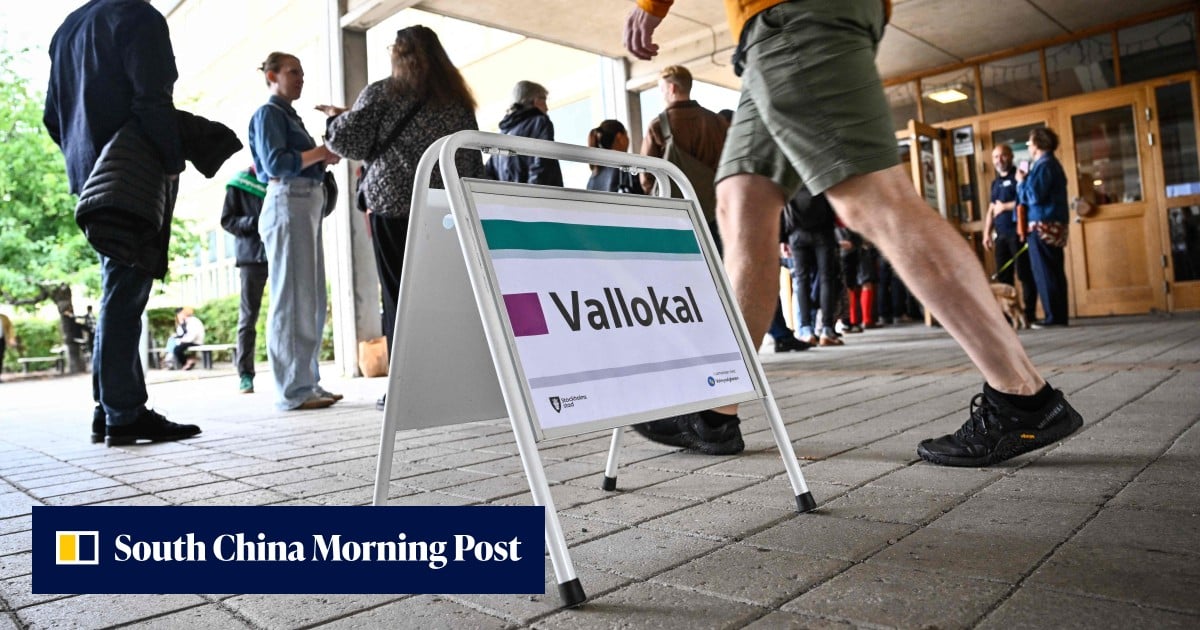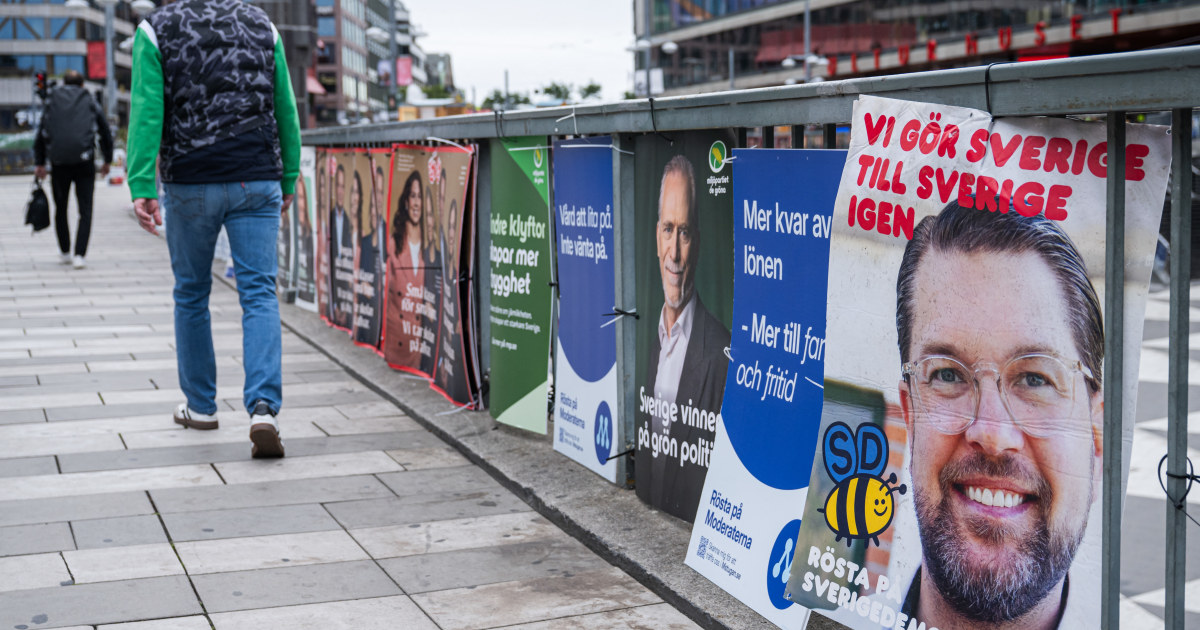
Polling stations opened at 8 a.m. across Sweden on Sunday for a parliamentary election that will either install a far-right party in government for the first time or return the country to the centre-left tradition that has defined its post-war politics. With a population of 10 million, the EU and NATO member votes under a proportional system that makes coalition arithmetic as decisive as the raw vote share.
A dead heat with weeks of momentum shifts
Opinion polls published during the final week showed the centre-left opposition, the Social Democrats, Greens, Left Party and Centre Party, holding a slender lead over Prime Minister Ulf Kristersson's right-wing bloc. But Kristersson, who has trailed for most of his four-year term, has narrowed the gap in the closing stretch. His Moderate Party, the Christian Democrats and the Sweden Democrats have already agreed to form a four-party government if they secure a majority, with the Liberal Party's fate at the 4% threshold acting as a potential kingmaker.
Exit polls are expected shortly after stations close at 8 p.m., though the official count may take longer if the margin is as tight as surveys suggest. The election takes place in a country that joined NATO in 2024 after Russia's full-scale invasion of Ukraine, a shift that has reshaped the security consensus across the political spectrum.
The Sweden Democrats' long road to the cabinet table
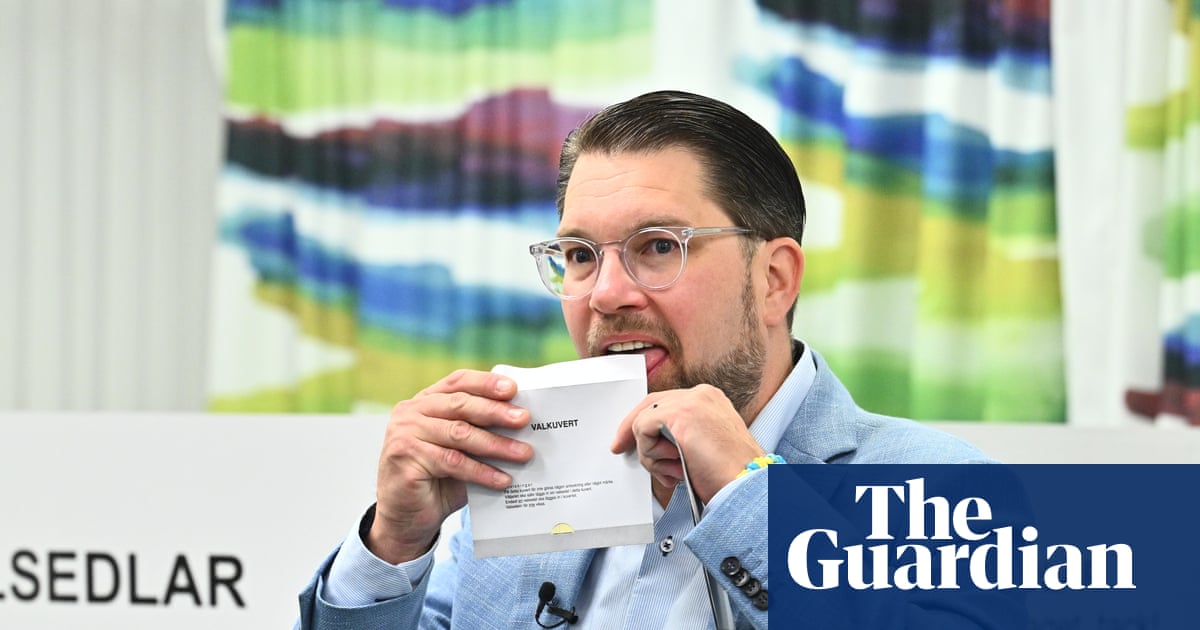
Jimmie Åkesson has led the Sweden Democrats since 2005, steering the party from pariah status to the brink of power. For the past four years the party has provided parliamentary support to Kristersson's minority government, a arrangement that gave the far right policy influence without ministerial responsibility. That period allowed Åkesson to present his party as a constructive governing force while the Moderates and Christian Democrats grew accustomed to relying on its votes.
Kristersson made the partnership explicit earlier this year, inviting the Sweden Democrats into a formal four-party government should the right prevail. "We can unify parties, voters and issues into joint action. That's why we get things done," he told reporters in parliament this week. The pledge marks a historic rupture: no Swedish government has included a party with roots in the neo-Nazi fringe since the second world war.
Immigration and gang violence dominate the right's pitch
Supporters of the right-wing bloc argue that its policies have curbed gang violence and cut immigration dramatically. The government has tightened asylum rules, expanded deportation powers and introduced stricter citizenship requirements. Kristersson frames a right-wing victory as a public endorsement for more of the same. Critics, including Andersson, contend that the agenda undermines civil liberties and pressures immigrants to conform to a narrowly defined Swedish cultural norm or leave.
The rhetoric has shifted the Overton window. Even the Social Democrats have adopted a more restrictive line on immigration than their would-be coalition partners, the Centre Party and the Greens, creating friction within the opposition bloc before it has even attempted to govern.
Economic record becomes a battleground
Andersson's counter-narrative centres on the economy. She told Reuters that Sweden has become "a harder society, a quieter society, but also a poorer society as we've had growth far below our potential and where households see their pay checks buy less and less." The cost-of-living crisis has eroded real wages, and GDP growth has lagged behind the euro area average for much of Kristersson's term. Both blocs promise relief for households, but the left proposes higher welfare spending financed by tax increases on high earners and a levy on billionaires, a measure the Centre Party opposes.
Coalition arithmetic and the Liberal threshold
The election may hinge on whether the Liberal Party clears the 4% threshold required to enter the Riksdag. If it does, the right-wing bloc gains four additional seats, likely securing a majority. If it falls short, those votes are redistributed, potentially handing the advantage to the centre-left. The Liberals have hovered near the threshold for months, making them the most volatile variable in the equation.
On the other side, Andersson's path to a majority is cluttered with vetoes. The Centre Party refuses to serve in a government that includes the Left Party, while the Left Party rejects a cabinet that builds new nuclear reactors, a priority for the Centre Party and the Social Democrats. The Centre's preferred solution, luring the Christian Democrats into a centrist coalition, remains a distant prospect.
Foreign policy consensus amid domestic fracture
Despite sharp domestic divisions, the rival blocs have converged on three foreign and security priorities: continued support for Ukraine, a rapid military rearmament programme, and deeper integration with NATO allies. Sweden's NATO accession, completed in 2024, passed with broad parliamentary backing. The next government will oversee a defence spending target of 2.6% of GDP by 2028, a commitment both Kristersson and Andersson endorse.
People mentioned
Organisations
Sweden Democrats · Social Democratic Party · Moderate Party · Christian Democrats · Liberal Party · Centre Party