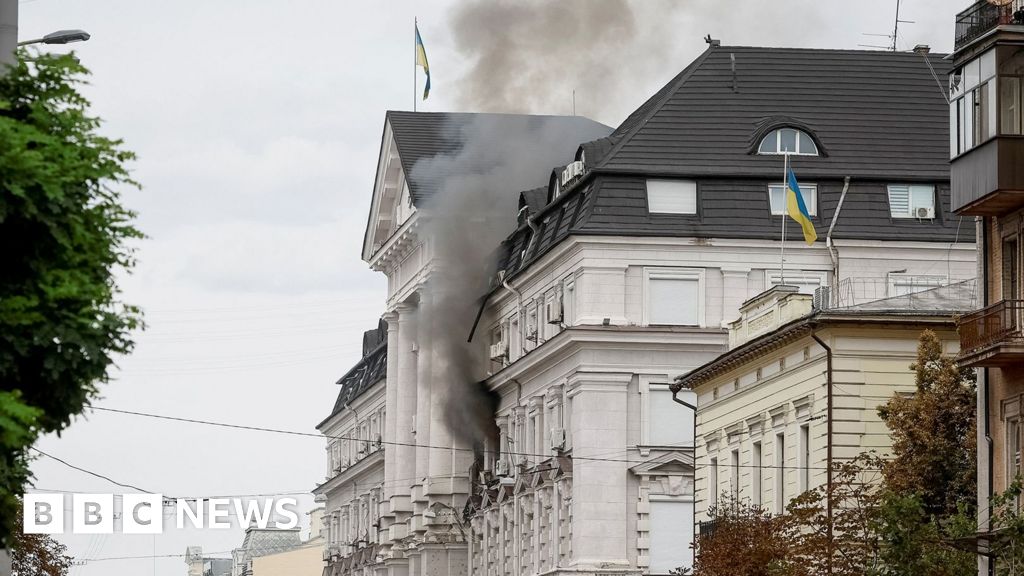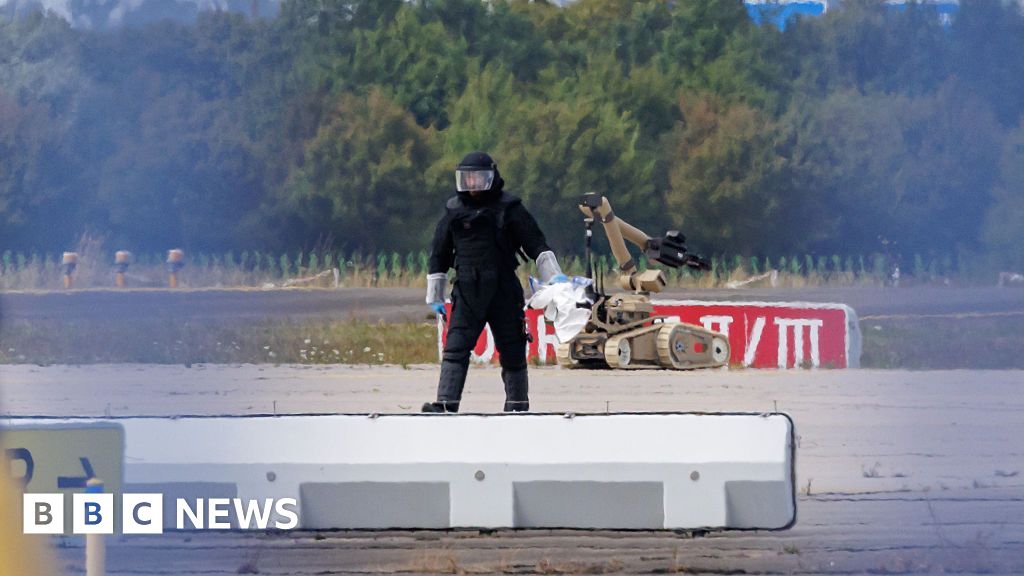
Germany has formally accused Russian intelligence services of attempting to blow up a drone at Leipzig/Halle Airport on 4 August 2026, an attack aimed at Ukrainian cargo aircraft operated by Antonov Airlines. Interior Minister Alexander Dobrindt said forensic examination of the device, which failed to detonate because of a faulty detonator, together with intelligence findings, left no doubt about Moscow's responsibility. A second drone is suspected to have collided with a cargo plane nearby, and a third was recovered ten days later.
The Leipzig incident and the evidence trail
Leipzig/Halle Airport in eastern Germany serves as a critical logistics hub for the Bundeswehr, NATO allies and Ukraine's Antonov Airlines, which carries the bulk of Kyiv's aerial freight. The drone discovered on 4 August carried an explosive charge and was positioned close to Ukrainian transport aircraft. Investigators believe the detonator malfunctioned, preventing a potentially catastrophic explosion. Ten days later a third device was found in the airport vicinity, reinforcing the assessment that this was a coordinated operation rather than an isolated event.
Dobrindt told a press conference in Berlin that the attack followed the "well-established pattern of Russian hybrid operations in Europe" and warned that Germany should expect further targeting. He declined to detail the specific forensic markers that pointed to Russian military intelligence, but US officials had already briefed American media that the incident bore the hallmarks of the GRU.
Diplomatic expulsions and economic pressure
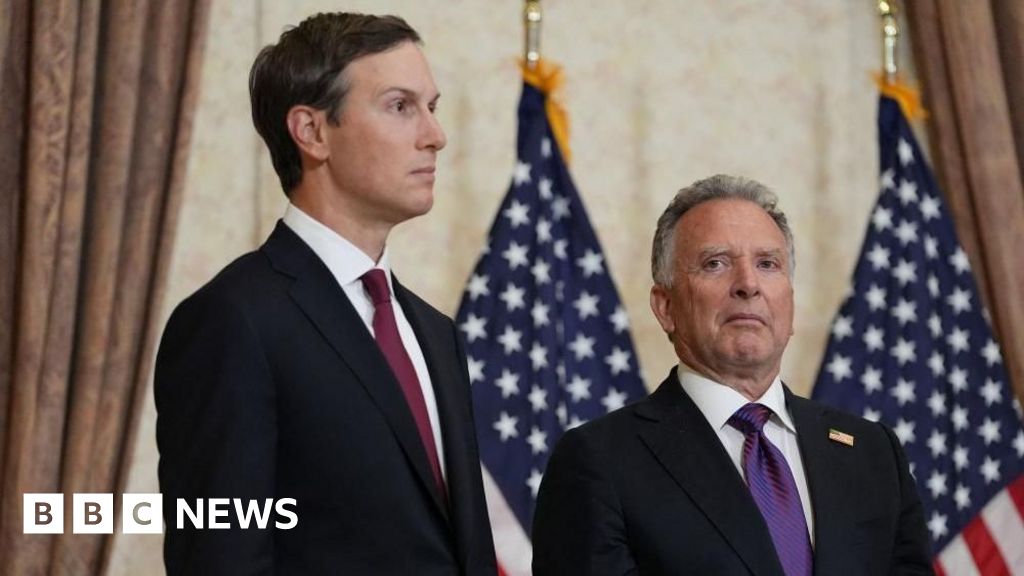
Standing beside Dobrindt, Foreign Minister Johann Wadephul announced a package of countermeasures. The Russian consulate in Bonn will be closed and the lease on the Russian House in Berlin, long suspected by German security services of serving as a base for espionage and propaganda, will be terminated. Entry controls for Russian nationals are to be tightened, and Berlin will intensify efforts to disrupt the shadow fleet of ageing tankers that Moscow uses to evade the oil-price cap and other sanctions imposed after the 2022 invasion of Ukraine.
Wadephul also summoned Russia's ambassador to Germany, Sergei Nechayev, to the Foreign Office on Wilhelmstrasse. The minister described the moves as a necessary response to an act that "crosses a red line" and signalled that further steps were under preparation in coordination with allies.
Moscow denies involvement and threatens retaliation
The Russian reaction was swift and dismissive. President Vladimir Putin, speaking on Tuesday, accused Berlin of fabricating evidence to pin the blame on Moscow, offering no proof for the claim. The Russian embassy in Berlin called the allegations "absurd". Maria Zakharova, spokeswoman for the Russian foreign ministry, told the German Press Agency that Moscow would answer in a "mirror-image" fashion and added: "Berlin is sponsoring terrorism", a reference to German military and financial aid to Ukraine. The embassy characterised the German measures as an "unprecedented escalation in Russian-German relations".
Russian commentators have previously suggested that the Goethe-Institut in Moscow would face closure if the Russian House in Berlin were shut down, signalling a likely tit-for-tat on cultural institutions.
Allied backing and the sanctions pipeline
NATO Secretary General Mark Rutte wrote on X that "the evidence is clear" and that the alliance "stands in full solidarity with Germany". He welcomed the countermeasures announced by Berlin. European Commission President Ursula von der Leyen echoed that language, stating the EU was united in its resolve to stand against Russian aggression and that the bloc was preparing additional sanctions. Polish Prime Minister Donald Tusk said Russia was "escalating tension across the whole region"; Polish prosecutors are meanwhile investigating whether a fire at a factory producing drone components on Monday involved foreign intelligence. British Prime Minister Andy Burnham declared Russian attempts to undermine Western resolve "futile and doomed to fail".
The coordinated statements reflect a deliberate effort to frame the Leipzig attack as an Article 5-adjacent threat, an assault on the logistics chain sustaining Ukraine's defence, without formally invoking the collective defence clause.
Domestic pressure on Merz and the AfD factor
The announcement arrives at a politically delicate moment for Chancellor Friedrich Merz. A state election in Saxony-Anhalt, scheduled for later this month, could hand the far-right Alternative für Deutschland its first state government. The AfD, now Germany's largest opposition party, campaigns on ending military aid to Ukraine and restoring economic ties with Moscow. Merz has been forthright in backing Kyiv, but his coalition partners, the SPD and Greens, have historically favoured diplomatic engagement over confrontation.
Roderich Kiesewetter, a foreign-policy specialist in Merz's own CDU, broke ranks to say the measures "fall far short of what is required" and that Moscow "just laughs" when its ambassador is summoned. "From a self-proclaimed leading nation, I expect courage and resolve, not self-deterrence and appeasement," he said. The criticism underscores a growing divide within the conservative bloc over whether Germany's response to hybrid aggression is calibrated or merely performative.
Intelligence gaps and the Brandenburg incident
Berlin has acknowledged that Germany is a "daily target" of hybrid warfare, citing drone sightings at airports, military installations and industrial sites over the past year. The government is drafting legislation to expand the powers of the Bundesnachrichtendienst and the domestic BfV, both long criticised as under-resourced and legally constrained compared with their French or British counterparts. Merz warned last week that perpetrators of hostile acts would "pay a price", but the gap between rhetoric and operational capability remains wide.
On Tuesday, the same day as the Leipzig announcements, German police revealed they were investigating improvised explosive and incendiary devices discovered at a power substation in Brandenburg. A power line was damaged, causing a temporary outage. No group has claimed responsibility and investigators have not linked the incident to the airport attack, but the timing will fuel concerns that Russian-backed sabotage campaigns are broadening from aviation logistics to critical energy infrastructure.
People mentioned
-
Roderich Kiesewetter
Organisations
German Federal Ministry of the Interior · German Federal Foreign Office · Ministry of Foreign Affairs of the Russian Federation · North Atlantic Treaty Organization · European Commission · Antonov Airlines