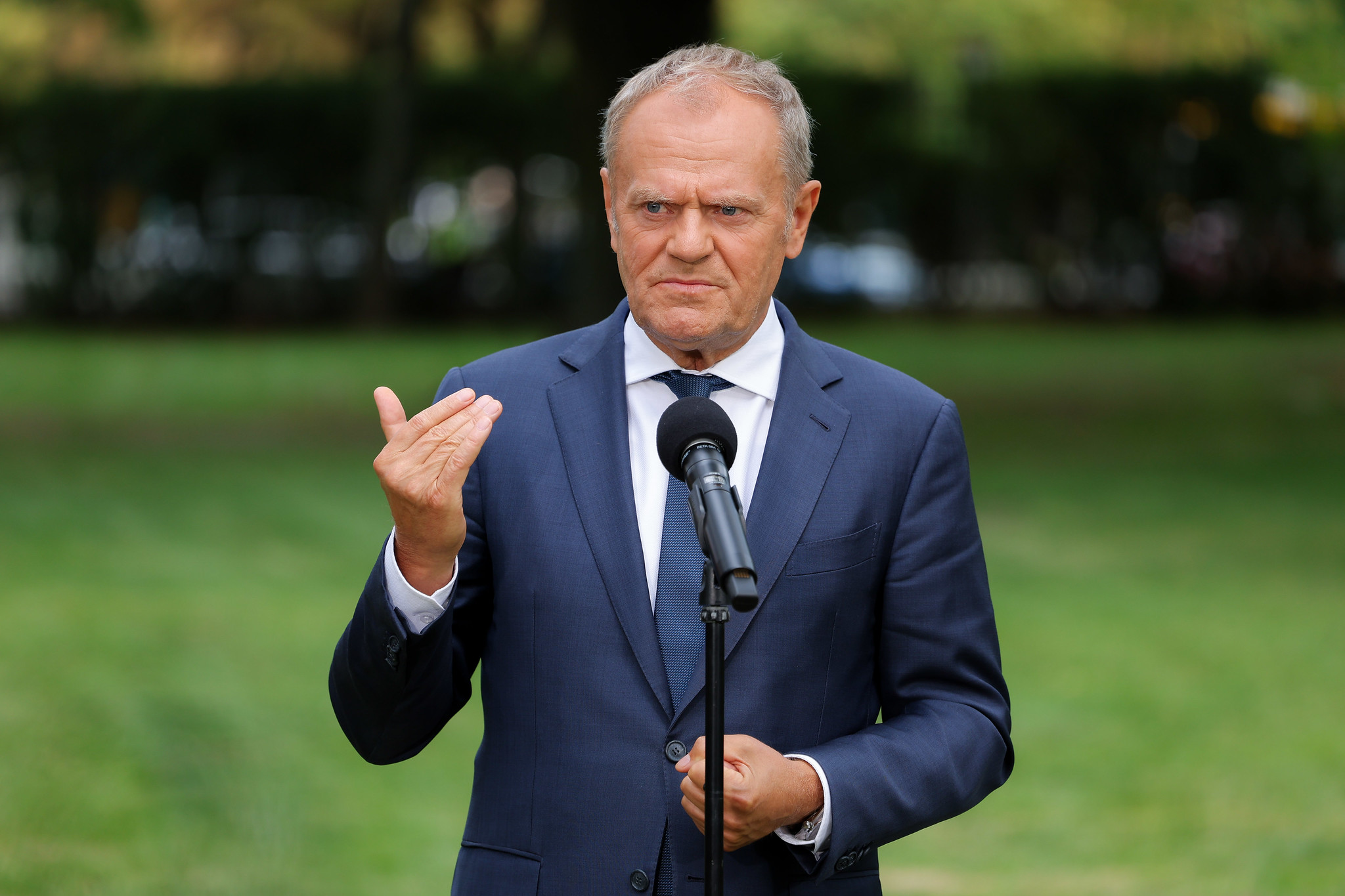
A Russian drone struck the Palanca crossing between Ukraine and Moldova on 9 September, killing two people and wounding several others. Hours later, Donald Tusk stood alongside his Visegrád Group counterparts in Bratislava and disclosed that Polish and Ukrainian services had stopped an unspecified threat at one of the 18 border crossings they share during the previous night. The Polish prime minister did not name the crossing or describe the nature of the danger, but he left no doubt that the two events were connected.
Intelligence points to a sustained campaign
Tusk said he had been briefed by the US Central Intelligence Agency with what he described as fairly precise information about further incidents planned for the coming months. He characterised the thwarted threat and the Moldova strike as the opening moves of a broader pattern that could target any of the borders between Ukraine and its western neighbours. The implication was clear: the eastern flank of the European Union, from the Baltic to the Black Sea, should expect a deliberate campaign of disruption rather than isolated accidents.
The Visegrád meeting in Bratislava brought together the leaders of Poland, the Czech Republic, Slovakia and Hungary. While the group has often struggled to maintain a common line on Russia since the full-scale invasion of Ukraine, Tusk's disclosure appeared designed to concentrate minds on a threat that does not respect the political differences between Budapest and Warsaw. The presence of a shared intelligence picture, sourced from Washington, may prove harder to dismiss than previous Polish warnings.
Moldova absorbs the first lethal strike
The attack on Palanca was not the first time Russian fire has hit the Ukraine-Moldova border. A similar incident occurred in August, though without fatalities. This time the casualties forced President Maia Sandu to make a direct appeal for expanded European air defence coverage of Ukraine. Moldova is not a NATO member and lacks the integrated air defence architecture that protects Poland and Romania. Its vulnerability is a reminder that the alliance's eastern flank extends beyond Article 5 territory.
Sandu's call underscores a practical dilemma. The air defence systems that could shield Moldovan border areas are the same ones Ukraine needs to protect its own cities and infrastructure. European stockpiles have been drawn down by two and a half years of war, and production lines for interceptors are still scaling up. Any decision to extend an air defence umbrella over non-NATO territory would require political consensus that has so far proved elusive.
Air defence as a NATO interest
Tusk has been arguing since August that supplying Ukraine with additional air defence is not charity but self-interest. After meeting NATO Secretary General Mark Rutte, he said the coming six months could be decisive and that provocations against NATO countries could not be ruled out. The logic is straightforward: every Russian missile or drone that penetrates Ukrainian airspace increases the risk of spillover into Polish or Romanian airspace, and every Ukrainian interceptor expended is one less available to defend alliance territory.
That argument has gained traction in some capitals but runs into the reality of limited inventories. Germany has delivered Patriot and IRIS-T systems; France and Italy have contributed SAMP/T. The United States remains the largest supplier, yet its own production commitments stretch across multiple theatres. The debate in Brussels and Washington is no longer whether to help, but how to allocate a finite pool of launchers and missiles without creating new gaps.
The six-month horizon
Tusk's reference to a decisive half-year aligns with a broader Western assessment that Russia is seeking to maximise pressure before the US presidential transition in January. Whether the CIA intelligence points to a specific operational plan or a general increase in sabotage, drone incursions and border provocations, the Polish government is treating the timeline as a planning assumption. That means accelerated procurement, tighter coordination with Ukrainian border guards, and a diplomatic push to keep the Visegrád format focused on security rather than bilateral disputes.
Poland has already ruled out hosting nuclear weapons on its territory, a suggestion that surfaced in some allied discussions earlier this year. Tusk's dismissal of that option reinforces the view that Warsaw sees conventional air defence and forward presence as the credible deterrent, not a nuclear sharing arrangement that would require consensus it does not currently possess.
People mentioned
Organisations
NATO · Visegrád Group · Central Intelligence Agency · Government of Poland · Presidency of Moldova