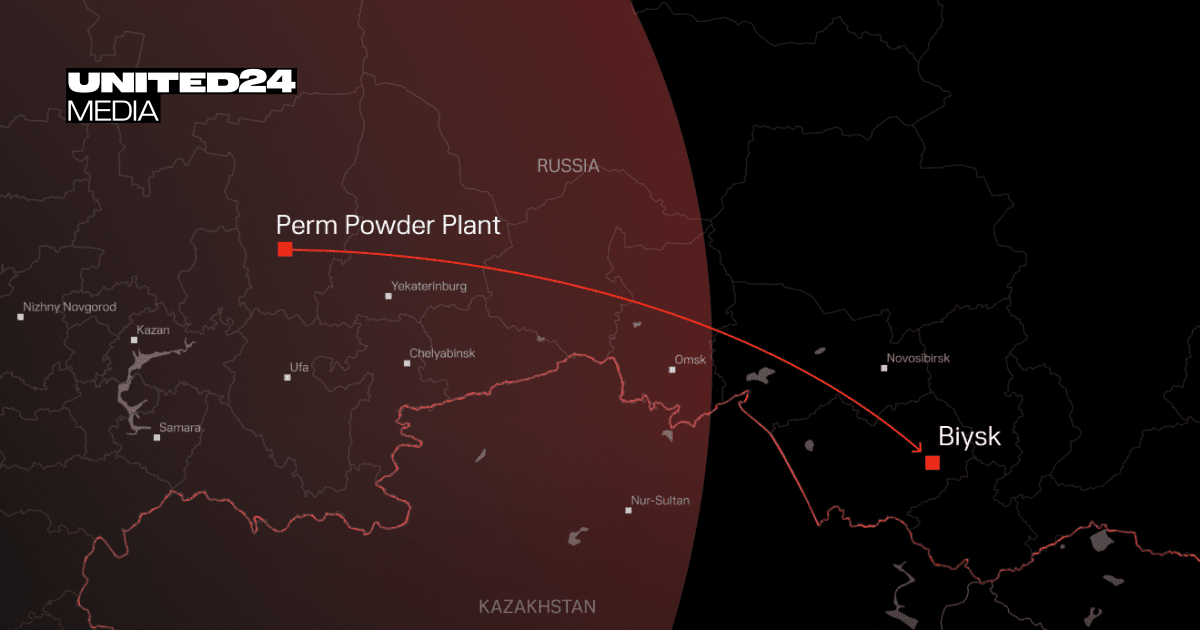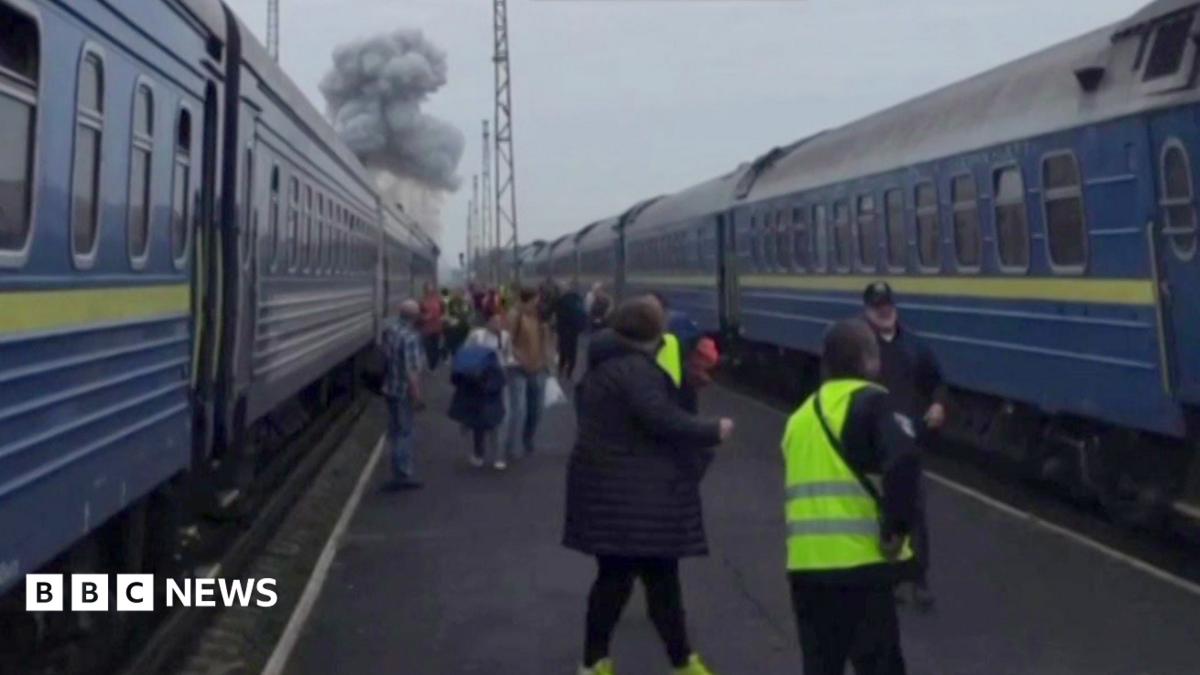
A Russian jet-propelled drone destroyed a stationary locomotive at Yahodyn railway station on the morning of 13 September, two kilometres inside Ukraine from the Polish border crossing at Dorohusk. The strike came roughly fifteen minutes after Ukrainian authorities ordered the train's passengers to evacuate, and barely an hour after a separate convoy carrying former British prime minister Boris Johnson, the UK's national security adviser Jonathan Powell, former CIA director David Petraeus and former Swedish prime minister Carl Bildt had passed through the same junction en route from Kyiv.
The strike and its timing
Ukraine's state railway operator Ukrzaliznytsia said the hit train had left the station earlier than scheduled because of a timetable change forced by the constant threat of Russian strikes. The railway authority added that "quite possibly, the target of this drone could have been the diplomatic train". No casualties were reported; all passengers on the struck train had been cleared out. Bildt, speaking to the BBC, said his own train had received an evacuation order after stopping, but was cleared to proceed after several minutes and arrived safely at Dorohusk.
Russia's defence ministry acknowledged striking "railway infrastructure" in western Ukraine but did not mention the diplomatic convoy. Johnson, writing on X, said he did not know "what warped logic drove Putin to blow up a stationary Ukrainian locomotive on the Polish border this morning", calling it "the kind of random and senseless attack Ukrainians are enduring every day, even on civilian railways". He urged allies to supply Ukraine with the air defences it needs.
A delegation returning from Kyiv
The European officials had been attending the Yalta European Strategy (YES) conference, an annual gathering of politicians, business leaders and security experts in Kyiv. The event has become a fixed point in the calendar for Western supporters of Ukraine since the full-scale invasion began in 2022. Johnson's presence, alongside Powell and Petraeus, signalled continued high-level British and American engagement. Bildt, now a prominent voice at the European Council on Foreign Relations, was also part of the group.
The timing raises uncomfortable questions. The diplomatic train departed Yahodyn ahead of schedule precisely because Ukrainian railway controllers have learned to move rolling stock unpredictably. If the drone operator was tracking the line in real time, the strike on the following train may have been a fallback. If, as Ukrzaliznytsia suspects, the diplomatic train was the primary target, the episode marks a sharp escalation in Russian willingness to strike at NATO-adjacent infrastructure while senior alliance figures are physically present.
Pattern of railway targeting
The Yahodyn strike is not isolated. Since the start of September, Russian drones have hit a railway depot in Kyiv, killing six Ukrzaliznytsia employees, and a passenger train in southern Ukraine, killing a female conductor. In January, a strike on a crowded train in the Kharkiv region left five dead. Earlier this week, two people were killed when drones hit a border crossing between Ukraine and Moldova. President Volodymyr Zelensky has repeatedly described such attacks as terrorism.
Ukraine's rail network, operated by Ukrzaliznytsia, has become the country's circulatory system since civilian airspace was closed in February 2022. Millions of passengers and the bulk of freight move by train. The network's scale, more than 20,000 kilometres of track, makes it impossible to defend comprehensively. Russian planners know this. By targeting nodes like Yahodyn, which links Ukraine to the EU's standard-gauge network at Dorohusk, Moscow disrupts both civilian life and the logistics of Western military aid.
Polish alarm and European sabotage
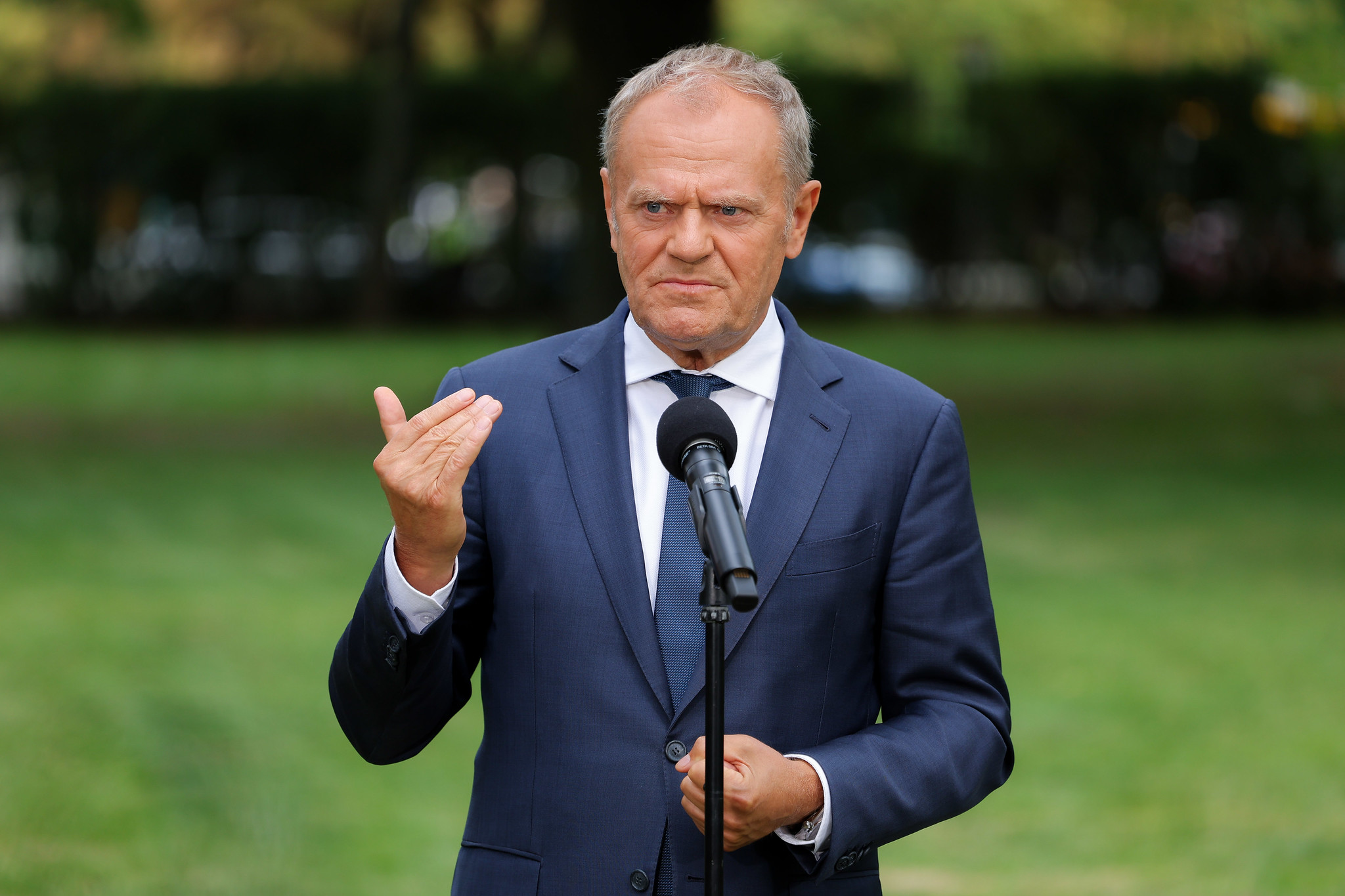
Polish prime minister Donald Tusk convened an emergency meeting in Warsaw within hours. "The escalation of the actions from the Russian side is becoming a reality, and they are getting closer and closer to our border," he said. Poland has been the primary transit corridor for Western military aid since 2022; the Yahodyn-Dorohusk crossing handles a significant share of that flow. A strike that closes the line, even temporarily, has immediate operational consequences for the supply chain.
The incident also fits a broader pattern of Russian activity on European soil. Last week, Berlin accused Moscow of responsibility for a drone attack at Leipzig airport in August, a claim the Kremlin dismissed as "absurd". Suspicious fires at defence facilities have been reported from Italy to Estonia, with several governments pointing to Russian intelligence. European security services describe a spiralling campaign of sabotage below the threshold of open conflict.
Air defence gap widens
Ukraine's foreign minister Andrii Sybiha framed the Yahodyn strike as "Putin's terror 'knocking' directly on the doors of the EU and NATO" and renewed calls for more sanctions. But Kyiv's most urgent demand remains interceptors. The new Russian jet-propelled drones, faster and more manoeuvrable than the Shahed variants used earlier in the war, are outpacing Ukraine's existing air defence inventory. Western stockpiles of Patriot and IRIS-T missiles are finite, and production lines cannot yet match the daily launch rate.
The United States has been the primary supplier of long-range interceptors. European manufacturers are ramping up, but delivery schedules stretch into 2027. Until then, Ukrainian commanders must choose which cities, power plants and rail junctions to cover. Yahodyn, a relatively minor station in peacetime, would not have been a priority until a high-profile delegation appeared on the schedule.
Diplomatic fallout and next steps
The presence of Johnson, Powell and Petraeus on the preceding train ensures the incident will be raised in Washington and London at the highest level. The UK government has not confirmed whether Johnson was travelling in an official capacity or as a private citizen, but his inclusion in a delegation with the serving national security adviser blurs the line. For the Biden administration, the proximity of a former CIA director to a Russian strike will concentrate minds on the intelligence picture: how did the drone operator know the train movements, and was the diplomatic convoy tracked from the air or the ground?
Poland's emergency meeting will feed into NATO consultations. The alliance has avoided defining a specific threshold for Article 4 consultations triggered by spillover, but a strike within sight of Polish territory, while a convoy of allied nationals is present, tests that ambiguity. Tusk's government has been among the most hawkish in Europe on Russian sabotage; Warsaw may push for a formal NATO assessment of the threat to the eastern flank's logistics corridors.
People mentioned
Organisations
Ukrzaliznytsia · Yalta European Strategy · European Council on Foreign Relations · North Atlantic Treaty Organization