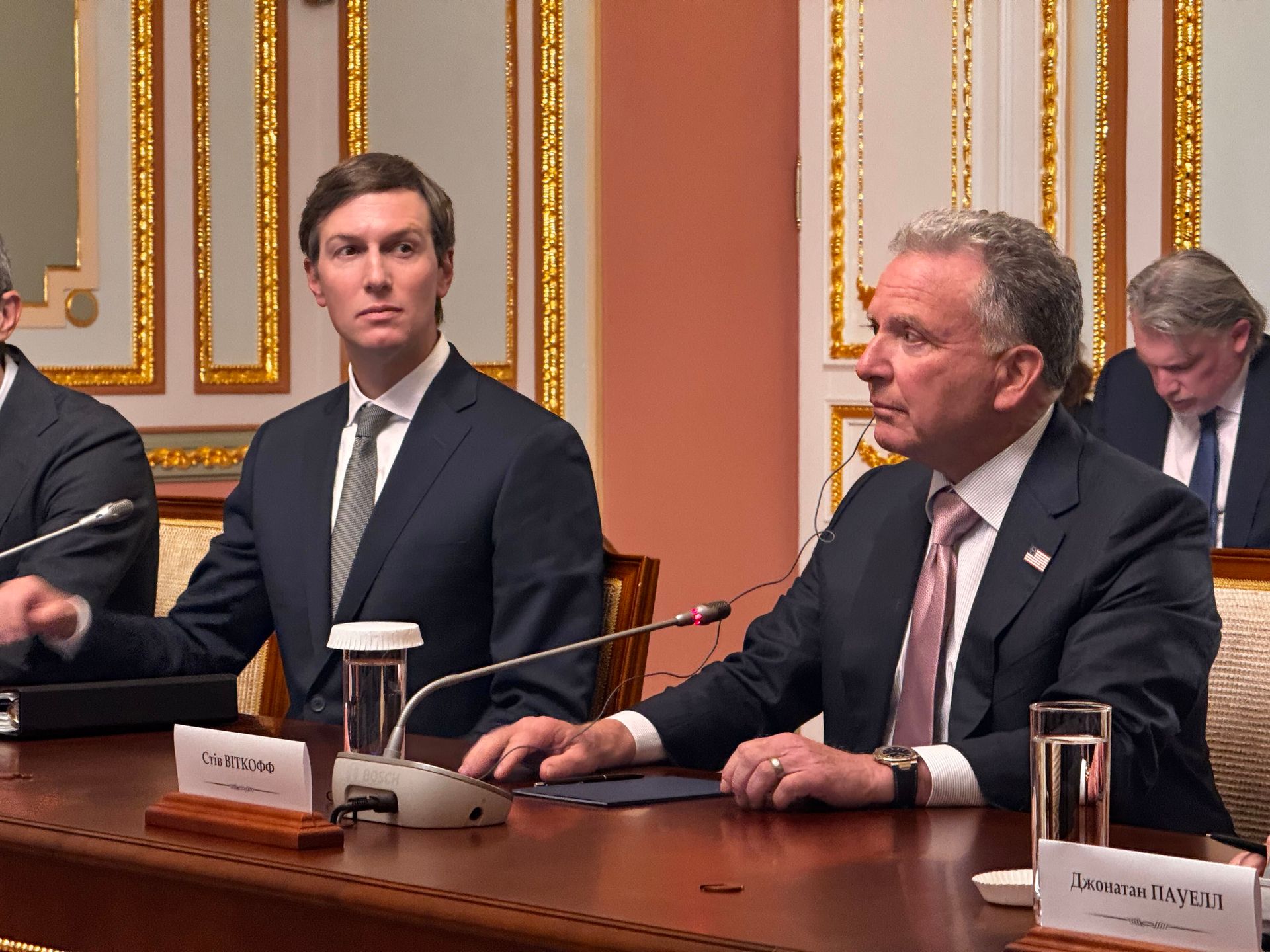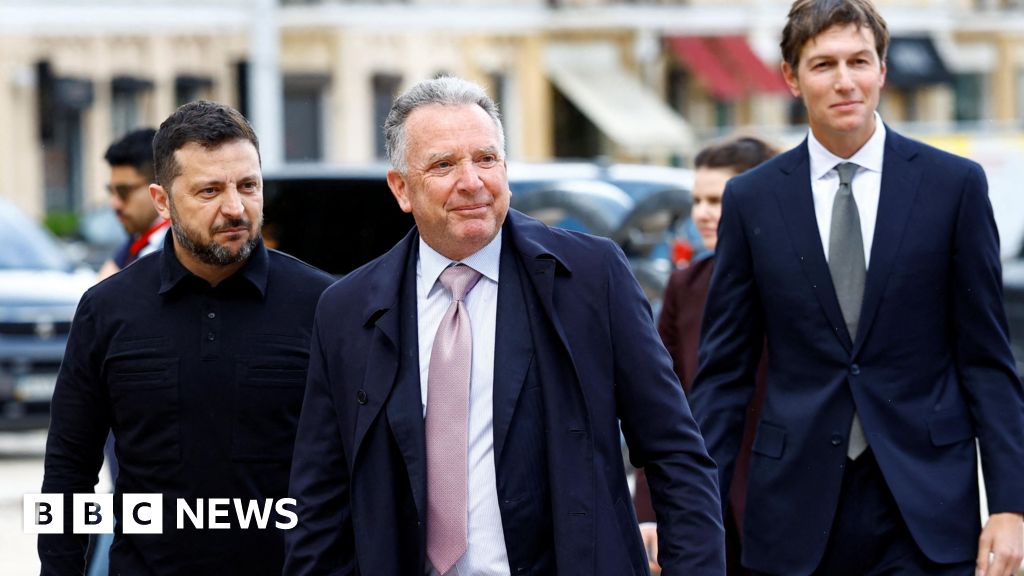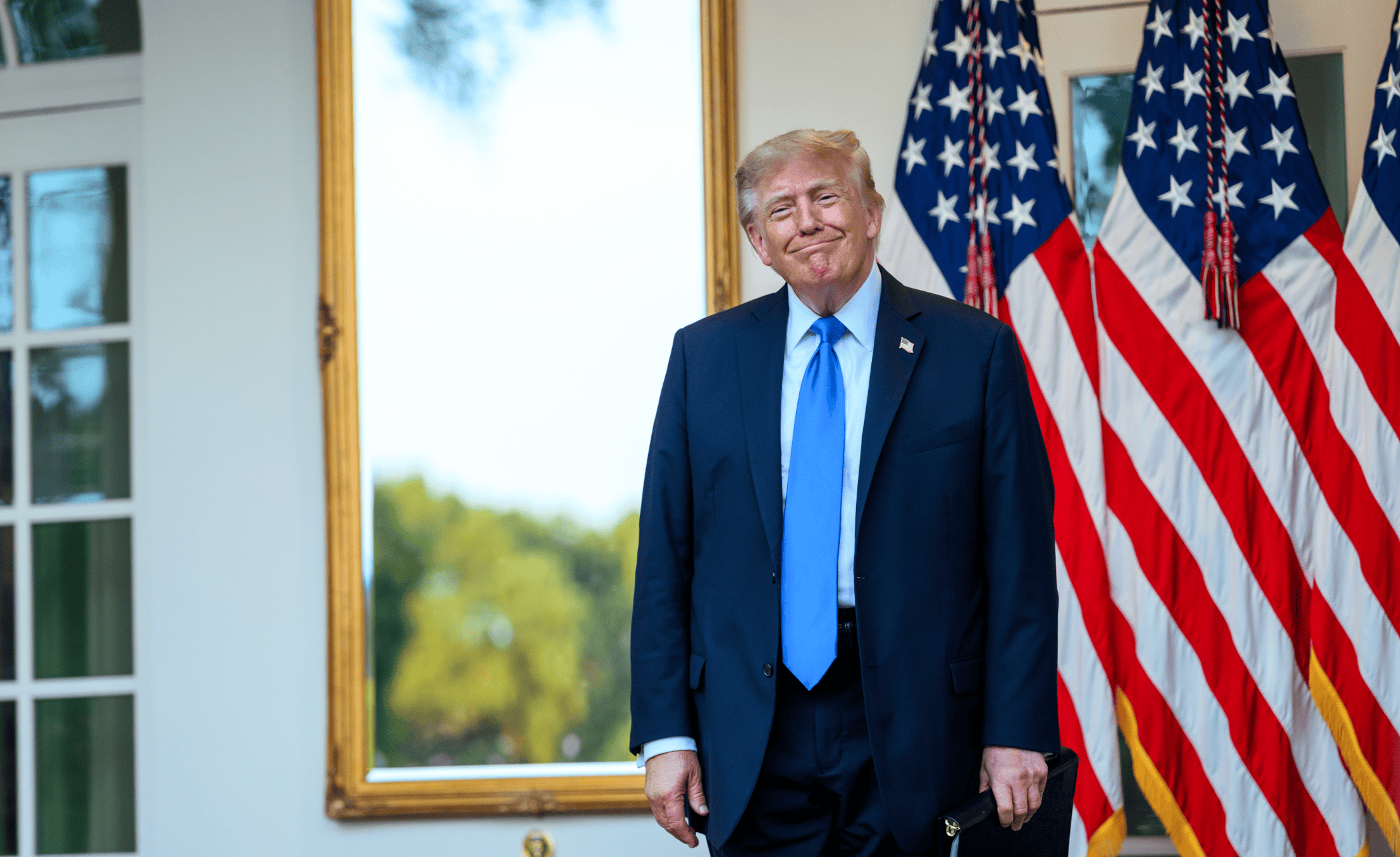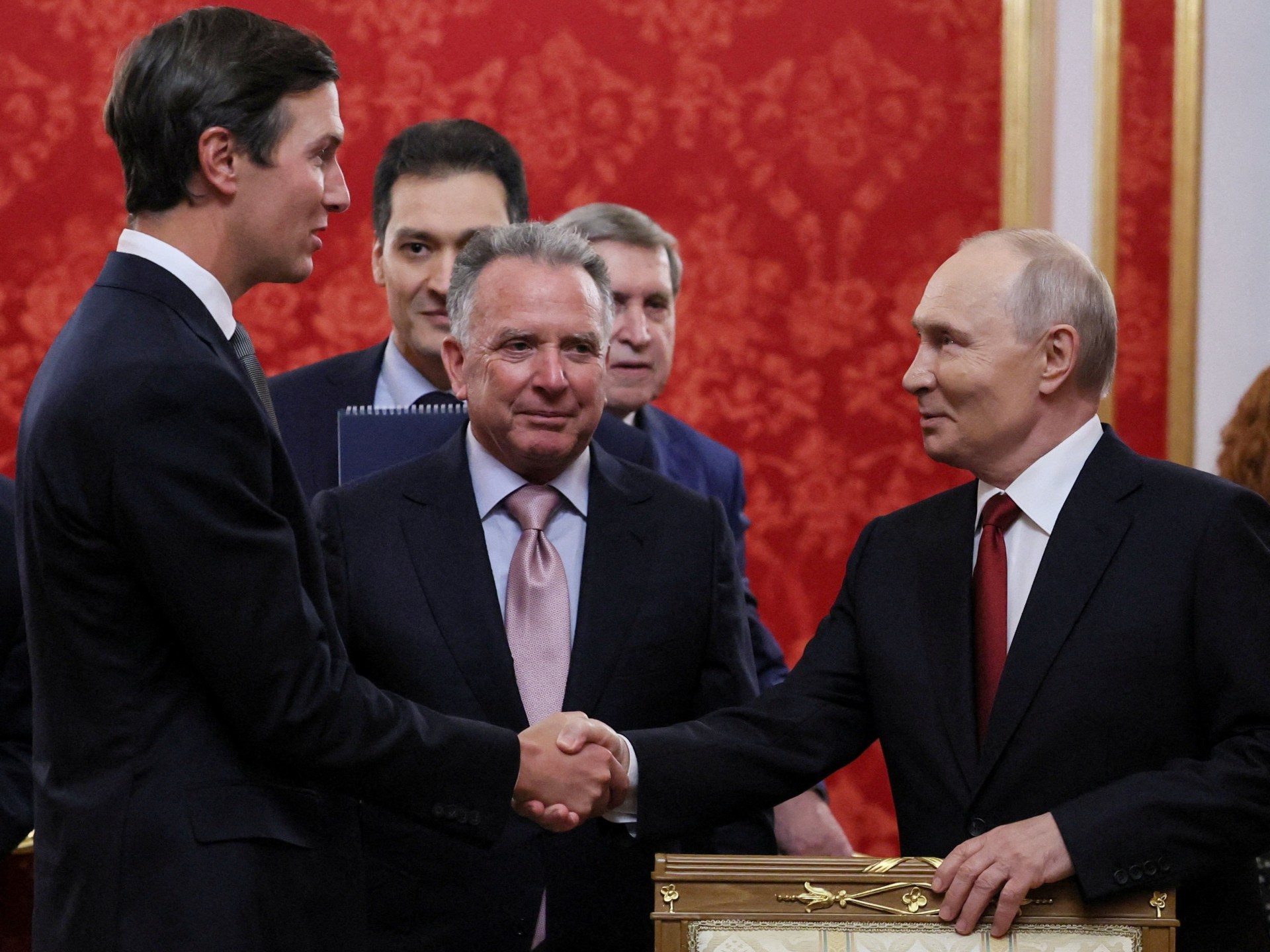
Two of Donald Trump's closest emissaries sat down with Vladimir Putin in the Kremlin on Saturday for more than three hours of talks that the Russian side described as constructive. Steve Witkoff, the US special envoy, and Jared Kushner, Trump's son-in-law, arrived in Moscow carrying what the US president called "a proposal to end the war". They are expected in Kyiv on Sunday.
A limited ceasefire for a limited visit
Both Russia and Ukraine announced a halt on attacks against each other's capitals lasting until Monday, timed to cover the envoys' travel. The arrangement held in Moscow and Kyiv. Elsewhere it did not. At least seven people were killed in Russian strikes on Ukrainian cities outside the capital, and a Ukrainian drone killed one person in Russia's Belgorod region.
Kremlin aide Yuri Ushakov said the two sides had discussed "possible avenues for a settlement" and called the meeting "substantive, very frank and constructive". No detail of the proposal itself has been made public. Trump said only last week that "we have an idea for peace".
Russia's unchanged demands
The substance of any deal remains where it has been for months. Moscow insists Ukraine must not join NATO and must hand over four Ukrainian regions: Donetsk, Luhansk, Kherson and Zaporizhzhia. Putin proclaimed the annexation of those territories in September 2022, though Russian forces do not control all of them. The United Nations did not recognise the move. Ukraine has consistently refused to cede territory.
The Trump administration has already ruled out Ukrainian membership of NATO, removing one Russian demand from the table. The territorial question is less tractable. No Ukrainian government could accept the formal transfer of land it still controls, and no Russian government has shown willingness to withdraw from territory it has claimed as its own.
The sanctions signal
One member of the US delegation was Gene Lang, a Treasury Department official who oversees American sanctions policy, including measures targeting Russia. His presence suggests that the economic restrictions imposed since 2022 were part of the discussion, either as leverage or as something Washington might adjust in exchange for Russian concessions.
The Trump administration has expanded some sanctions on Russia even as it has sought a diplomatic channel. The mixed message is deliberate: pressure alongside engagement. Whether Russia sees the sanctions as negotiable or simply as a cost of doing business is another matter. Moscow has lived under Western financial restrictions for more than four years and has adapted its economy accordingly, redirecting trade toward China, India and the Gulf states.
Ukrainian wariness
In Kyiv, the reception will be polite but guarded. Witkoff and Kushner have not previously visited the Ukrainian capital. Their first stop was Moscow, not Kyiv, and the optics matter. Alexey Muraviev, a senior research fellow at Edith Cowan University, said Ukrainians view Witkoff and Kushner as "most susceptible to accepting Russia's narrative".
The informal tone of the Moscow meeting will not have helped. Witkoff was recorded telling Putin that "we will have all these incredible stories and memories, and yours will be right at the top of it all". Putin told his guests the situation "is, of course, not an easy one" and thanked Trump for his wishes. It read more like a social call than a confrontation between adversaries.
European anxieties
For European governments, the latest American initiative raises two worries. The first is that a deal struck over their heads could concede territory and neutrality in exchange for a ceasefire that freezes the front line on Russian terms. The second is that Trump's attention is divided. The war with Iran has strained transatlantic relations and drawn US diplomatic resources away from Europe. Trump has accused European allies of not helping to reopen the Strait of Hormuz and has repeated his complaint that NATO's European members do not spend enough on defence.
European NATO members have increased spending and offered security guarantees to Ukraine after any agreement with Russia. Those guarantees are meant to replace the alliance membership Washington has ruled out. Whether they would prove credible without a permanent US military presence in Ukraine is an open question.
Suspicion of Russian sabotage has also sharpened. Recent drone incidents at Germany's Leipzig airport and at a drone factory in Poland have raised concerns that Moscow is extending its reach into European territory, though no proof has been published.
Domestic pressure on Trump
The diplomatic push comes at an awkward moment for the US president. The Iran war is deadlocked and deeply unpopular at home. Midterm elections in November could cost Republicans their congressional majority. A foreign policy success in Ukraine, even a partial one, would help. Trump promised during his 2024 campaign to end the war within 24 hours. That deadline has been revised repeatedly.
He met Putin in Alaska in August and failed to reach agreement. CIA director John Ratcliffe visited Moscow last month for talks with Russian intelligence officials. The US also invited Russian finance minister Anton Siluanov to a recent G20 meeting, a move that drew protests from several European countries whose representatives refused to appear in a group photograph with him.
People mentioned
-
Gene Lang
Organisations
Kremlin · North Atlantic Treaty Organization · White House