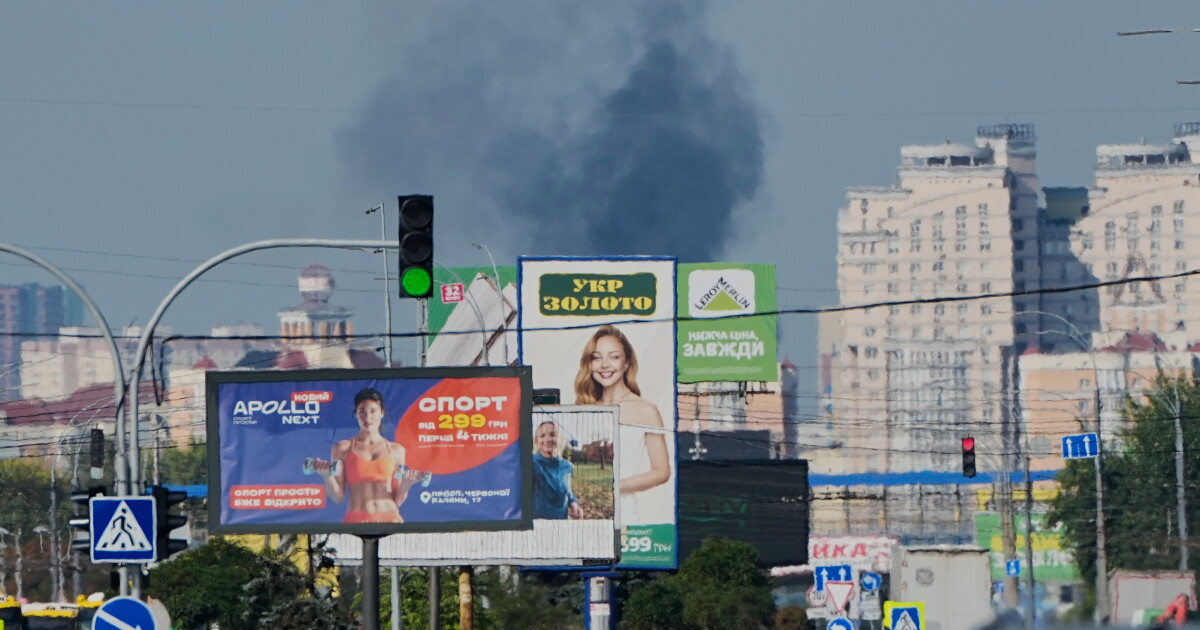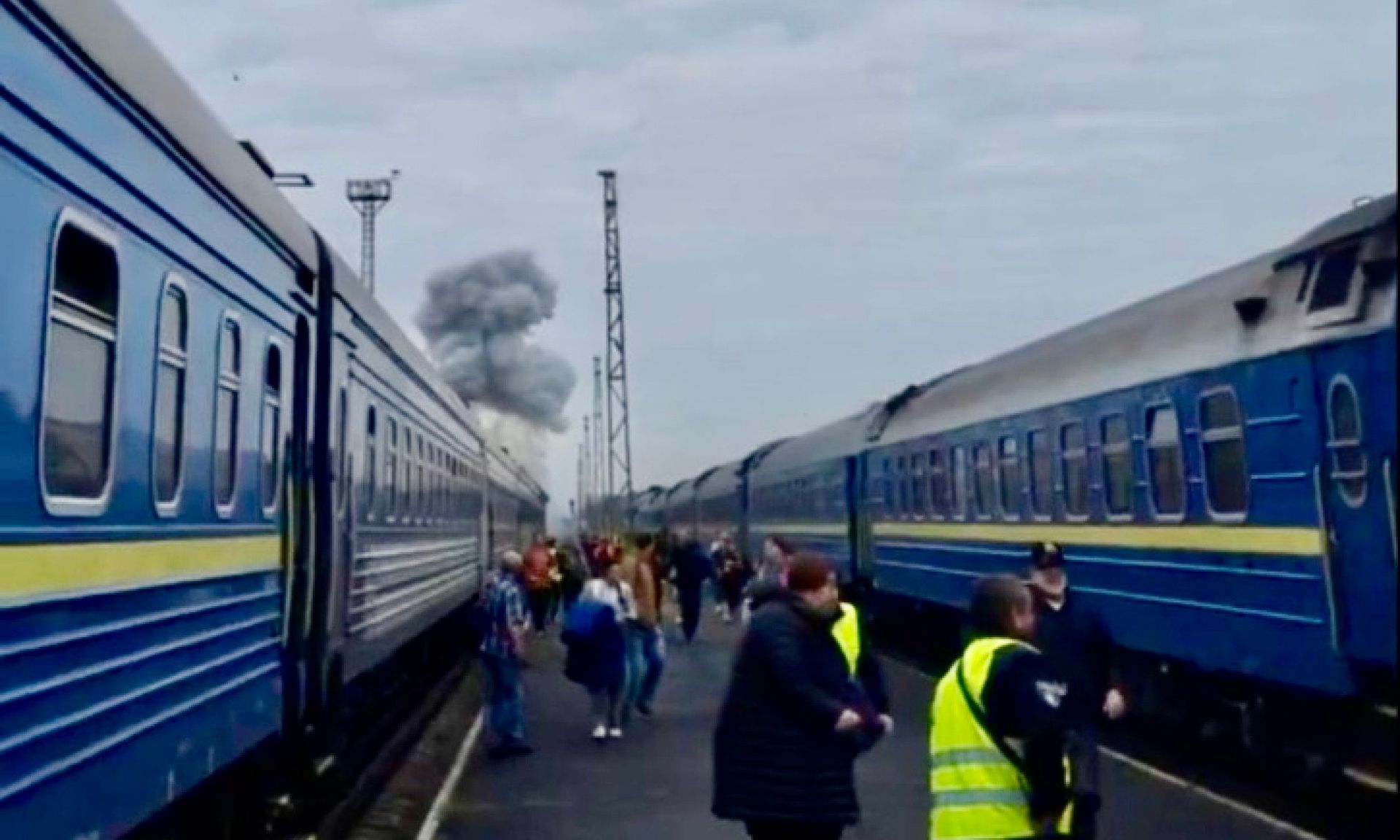
Russian forces have intensified attacks on civilian targets in Kramatorsk, the largest city still under Ukrainian control in Donetsk oblast, using drones, bombs and strikes directed at residential areas and humanitarian vehicles. The Kyiv Post reported on 12 September 2026 that the escalation represents a deliberate shift beyond traditional military objectives, with non-combatant infrastructure now in the crosshairs.
The attacks on emergency response and humanitarian convoy vehicles carry particular weight under international law. Such vehicles are protected under the Geneva Conventions, and their deliberate targeting would constitute a war crime. The pattern observed in Kramatorsk suggests a calculated effort to degrade the civil infrastructure that sustains urban populations under fire, making it harder for civilians to remain and for aid organisations to operate.
Why Kramatorsk matters
Kramatorsk has served as the de facto administrative centre for Ukrainian-held territory in Donetsk oblast since 2014, when separatist forces took control of the oblast's namesake capital. Before Russia's full-scale invasion in 2022, the city had a population exceeding 150,000. It remains the last major urban stronghold Ukraine holds in the oblast. Losing it would strip Kyiv of its primary command and logistics hub in the region and provide Russian forces with a staging point for operations further west.
The city sits at a junction of rail and road routes connecting the Donbas to central Ukraine. Control of Kramatorsk has historically meant control of supply lines running north towards Sloviansk and west towards the Dnipro river crossings. Its strategic value extends beyond symbolism, which is precisely why the current escalation demands attention.
Targeting humanitarian infrastructure
The shift towards striking humanitarian vehicles represents a notable change in Russian tactics in the sector. Previous waves of bombardment in the Donbas have devastated residential districts, but the deliberate focus on emergency response and aid convoy vehicles adds a specific dimension: it attacks the mechanisms by which civilians survive under bombardment. Ambulances, fire engines and aid trucks are not incidental casualties of urban combat. They are the infrastructure that makes continued civilian presence in a war zone possible.
This approach mirrors tactics documented in other contested cities during the conflict, most notably Mariupol in 2022, where humanitarian corridors were repeatedly disrupted and aid deliveries obstructed. The difference is that Kramatorsk remains a functioning city, albeit one under sustained pressure. Systematically degrading its emergency services accelerates the process of making it uninhabitable.
Prediction markets signal further advances
Prediction market data tracked by Vera now reflects heightened expectations of further Russian territorial advances. Contracts tied to potential Russian entry into Sloviansk, roughly 15 kilometres north-west of Kramatorsk, have shifted in response to the current escalation. These markets aggregate information from open-source intelligence, satellite imagery analysis and military assessments, offering a real-time signal of perceived probabilities that traditional analysis, often delayed by classification or institutional caution, cannot match.
The markets are not infallible. They reflect sentiment and available information rather than confirmed military plans. But the direction of movement matters. When pricing on a Russian advance into Sloviansk tightens, it indicates that informed observers consider the probability of such a move materially higher than they did weeks earlier.
The Sloviansk-Druzkhivka corridor
Sloviansk and Kramatorsk form a twin-city complex that has been central to control of northern Donetsk since 2014. Sloviansk was briefly held by Russian-backed separatists in the early months of that year's conflict before being retaken by Ukrainian forces. Its capture would isolate Kramatorsk from western supply routes and complete Russia's consolidation of the oblast's urban corridor.
Druzkhivka, positioned between Kramatorsk and Sloviansk, functions as a potential stepping stone. Military observers have noted that control of Druzkhivka would allow Russian forces to manoeuvre between the two larger cities without exposing flanks to Ukrainian counterattack. The three cities form an interconnected defensive line, and breaking it at any point weakens the whole.
European and NATO implications
The escalation in Kramatorsk arrives at a moment when European governments are debating the next phase of military support for Ukraine. NATO's formal position on Ukraine has consistently emphasised sovereignty and territorial integrity, but the alliance's member states differ on the scale and pace of arms deliveries. A Russian push to take Kramatorsk and advance on Sloviansk would force that debate into sharper focus.
For European capitals, the calculation is straightforward in principle and difficult in practice. Losing Kramatorsk would not only represent a significant territorial shift but would also shorten Russian supply lines and extend the range of artillery systems that can threaten central Ukrainian cities. The further Russian forces advance, the harder defensive operations become, and the more costly any eventual counteroffensive.
Organisations
Kyiv Post · North Atlantic Treaty Organization