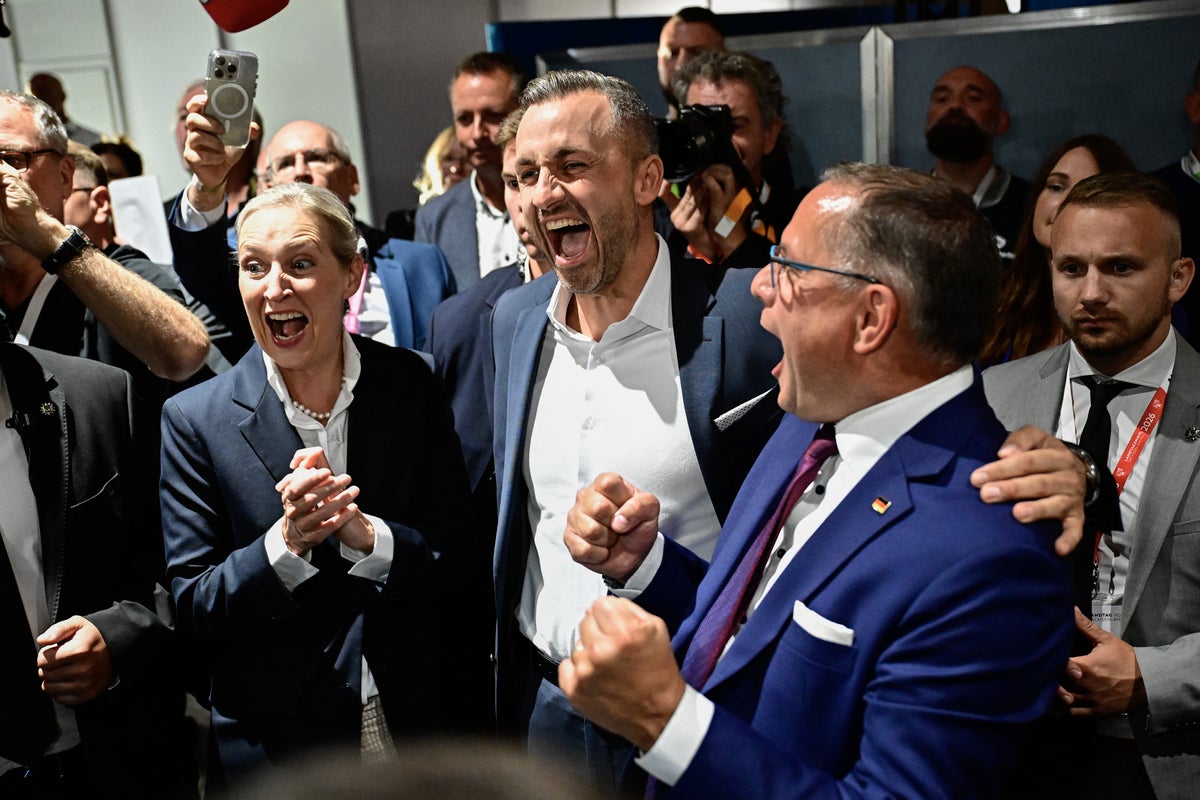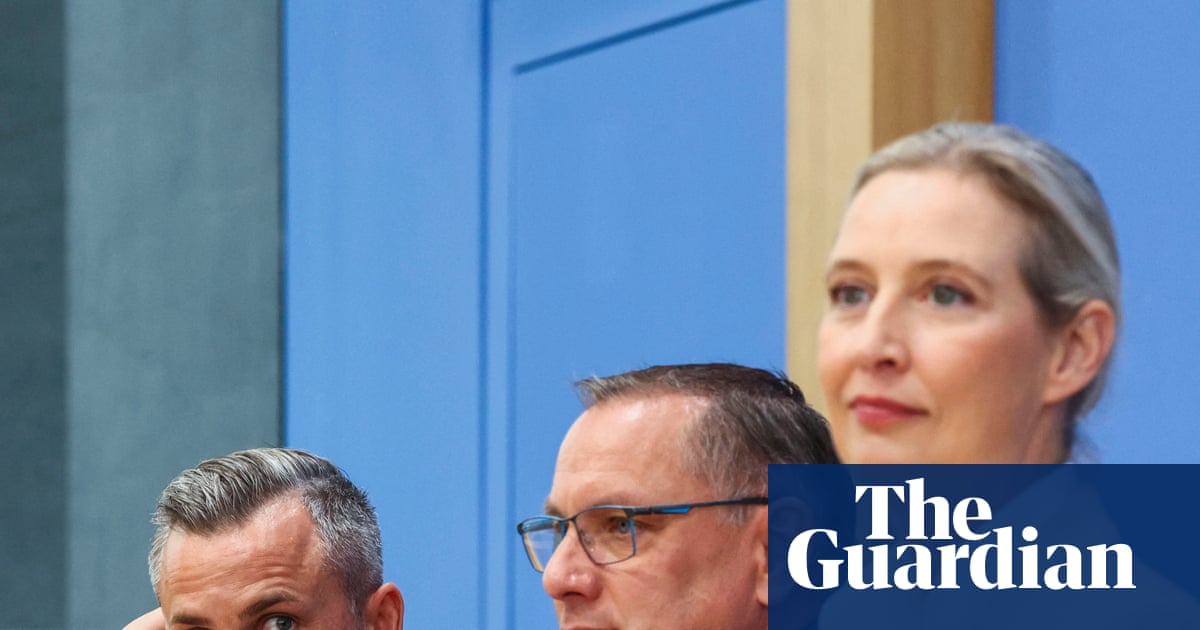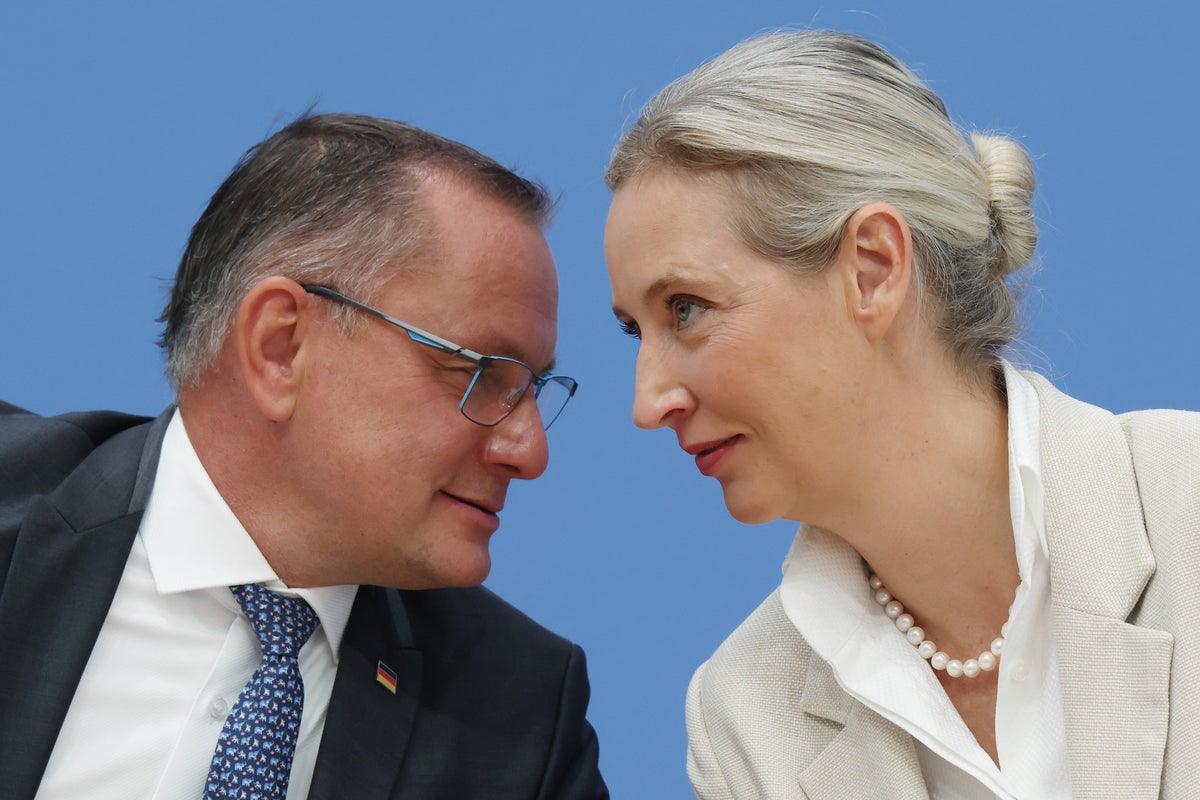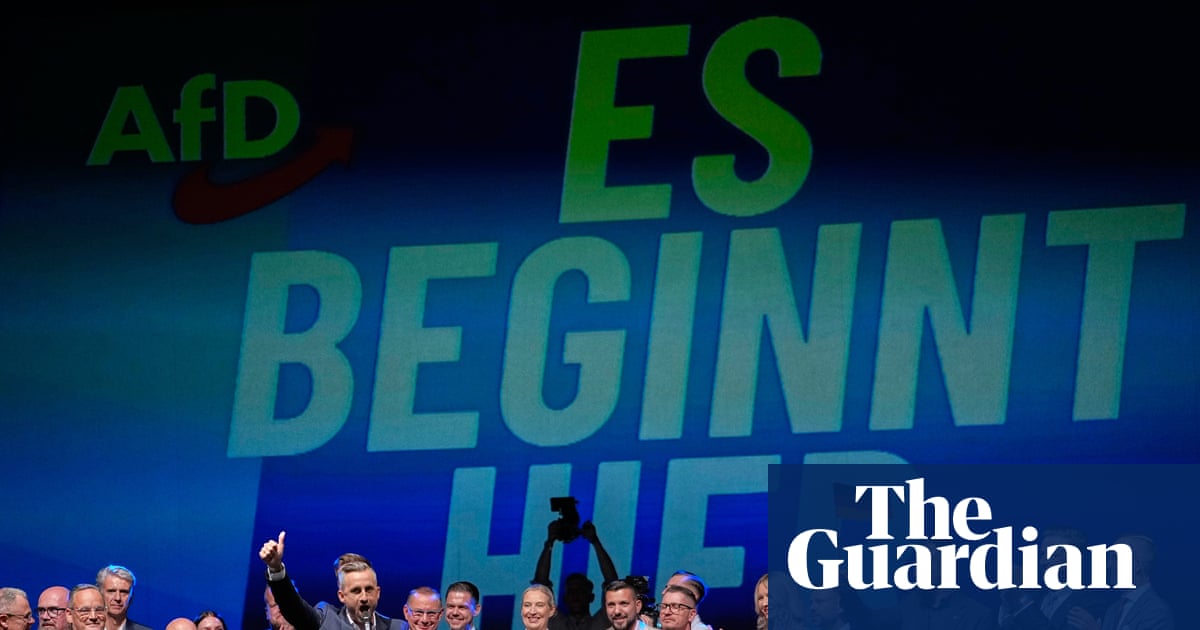
Forty-four per cent of the vote in Saxony-Anhalt. That single figure, announced in the early hours of Monday, has undone more than a decade of German political convention. The Alternative für Deutschland, a party classified as extremist by the country's own domestic intelligence service, now stands on the threshold of running a German state government for the first time since the collapse of the Third Reich.
The result was not close. The AfD fell just short of an absolute majority, but its lead over every other party was commanding. Turnout reached 77.8 per cent, a sharp jump from 60.3 per cent in 2021, suggesting the party drew in large numbers of previous non-voters rather than simply peeling support from established parties. Detailed polling analysis indicates only about one in three AfD voters align with its extremist ideology; the rest are motivated by economic grievance, resentment at how eastern Germany has been treated since reunification, and frustration with mainstream parties that appear indistinguishable from one another.
The firewall that failed
Since the AfD entered the Bundestag in 2017, Germany's mainstream parties have maintained a Brandmauer, or firewall: a commitment to refuse any cooperation with the far right, from local councils up to federal government. The premise was that excluding the AfD from power would deny it legitimacy and contain its growth. The Saxony-Anhalt result suggests the strategy has done the opposite.
Critics of the firewall argue that keeping the AfD out of office has shielded it from the scrutiny and compromise that governing demands. At the same time, the need to form coalitions that exclude the AfD has pushed mainstream parties into alliances many voters experience as a closed system. "The compromises that they have to strike have resulted in ineffective government and in turn feeds the extremes further," said Jon Henley, a Europe correspondent who has tracked the rise of far-right parties across the continent.
Friedrich Merz, elected leader of the Christian Democratic Union in 2022 on a promise to halve the AfD's vote, instead watched it double. He described himself as "deeply shocked". France's European affairs minister, Benjamin Haddad, called the result "a very grave moment for Europe".
The candidate and his constituency
The AfD's lead candidate in Saxony-Anhalt, Ulrich Siegmund, is a former perfume salesman with 800,000 followers on TikTok. When Der Spiegel put him on its front cover with the tagline "Germany's most dangerous man", he filmed himself signing copies and posted the footage online.
Siegmund has tapped into what Germans call Ostalgie, nostalgia for life in the former East Germany, and a broader resentment among poorer easterners who feel that the prosperity promised after reunification never materialised. Research published in 2023 identified a direct correlation between rent increases, particularly among lower-income households, and the likelihood of voting AfD. One of the party's strongest demographics in Saxony-Anhalt was the 35-to-44 age group: people who were children when the Berlin Wall came down.
The party has already outlined what it would do with power. Its proposed curriculum revisions were characterised by one member as "more Bismarck, less Hitler". It wants to defund anti-racism programmes and remove pride flags from public buildings. There are also indications it would reshape civil service recruitment to create what Henley described as "a more supportive environment".
An unfamiliar coalition arithmetic
Siegmund has ruled out leading a minority administration, but initial indications point toward a coalition with the Bündnis Sahra Wagenknecht, a hard-left, pro-Russian party that won 5.3 per cent of the vote. If that arrangement holds, Siegmund would become Saxony-Anhalt's first far-right governor, with authority over education, policing and public broadcasting.
Control of a state government also brings seats in the Bundesrat, Germany's upper house. The AfD would not command enough votes there to block federal legislation, but it could act as a disruptive force, slowing or amending bills that require upper-house approval.
The Kremlin connection
Merz drew an explicit link between the AfD's success and Moscow. "2,500 km in the east, the election results were being celebrated," he told a press conference on Monday. The remark reflects growing pressure within his own CDU and its coalition partner, the Social Democrats, to adopt a harder line on Russia.
In August, a drone strike hit Leipzig airport. The German government took a month before publicly attributing the attack to Moscow. When it did, foreign minister Johann Wadephul was unequivocal: "We are not at war, but we are a daily target of hybrid warfare." The AfD is broadly pro-Kremlin and sceptical of military support for Ukraine. A state government under its control would add a new dimension to Germany's internal debate over its Russia policy.
Repercussions beyond Germany
The AfD currently leads national opinion polls. More state elections are scheduled for later this month, including in Berlin, where the party is polling at 18 per cent. If its vote share rises across states, the arithmetic of forming coalitions without the AfD becomes increasingly contorted, further constraining mainstream parties' ability to govern.
Not every European far-right party welcomes the development. France's National Rally, which spent years under Marine Le Pen detoxifying its image, expelled the AfD from its European parliamentary group two years ago after revelations that the German party backed mass deportations and minimised the crimes of the Nazi SS. National Rally figures have been at pains to insist that "these guys are way too extreme for us."
The distinction may matter to Le Pen's electoral strategy. It will not alter the practical reality that the AfD now holds the balance of power in a German state, with consequences for European policy on migration, climate and Ukraine. As Henley put it: "The far right's ideas have been steadily normalised by the media and the political centre. They have completely framed the immigration debate, and everybody else is just scrambling to react to them."
People mentioned
Organisations
Alternative für Deutschland · Christian Democratic Union · Bündnis Sahra Wagenknecht · National Rally