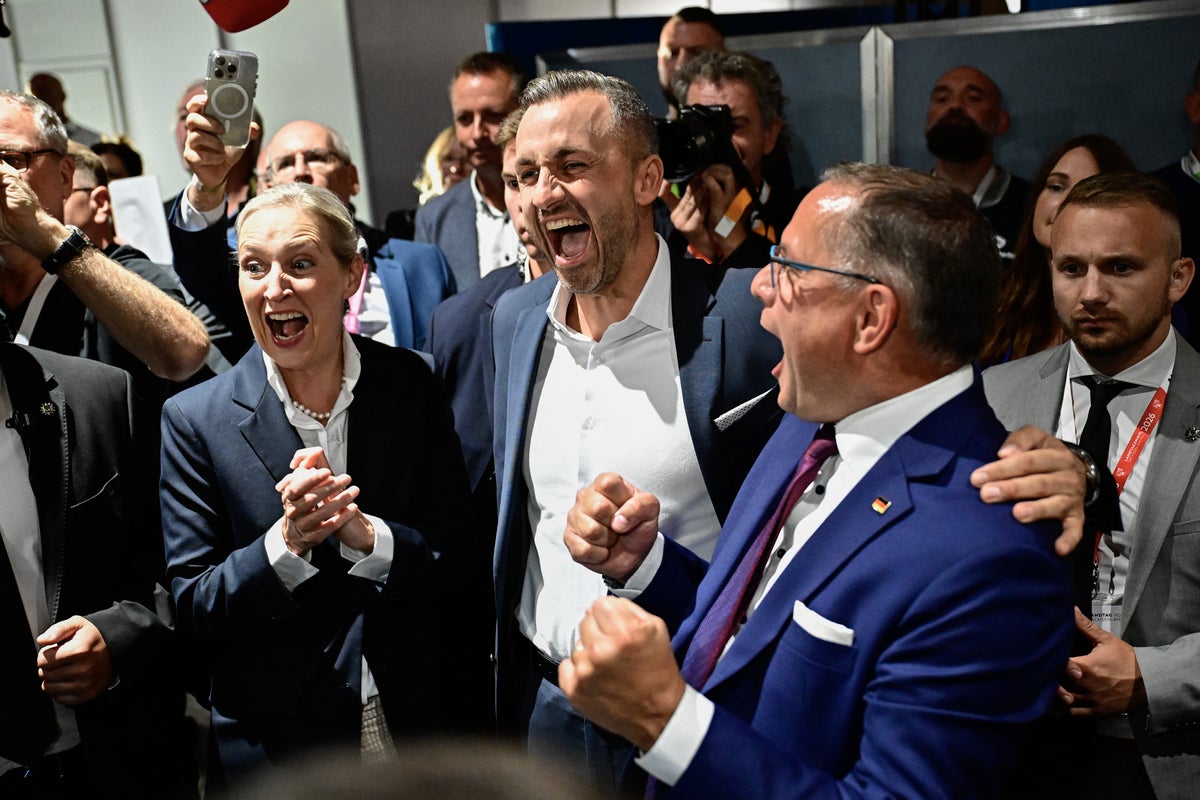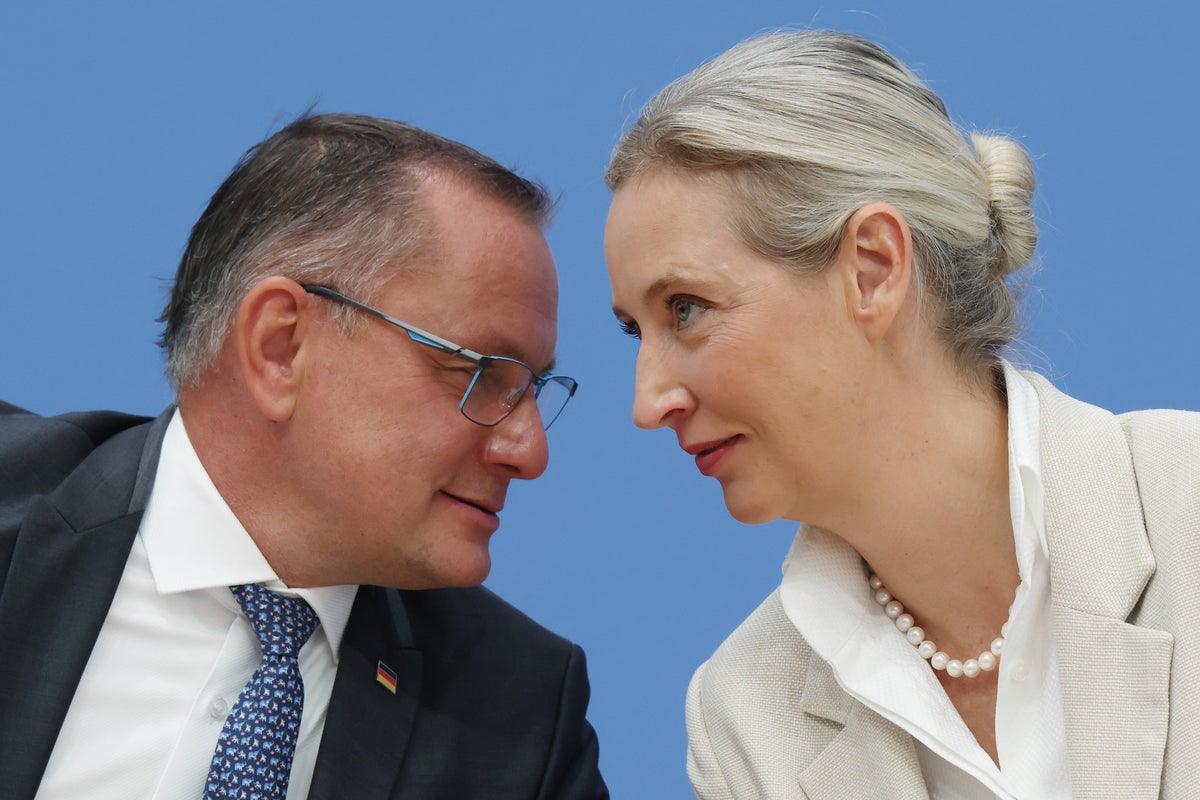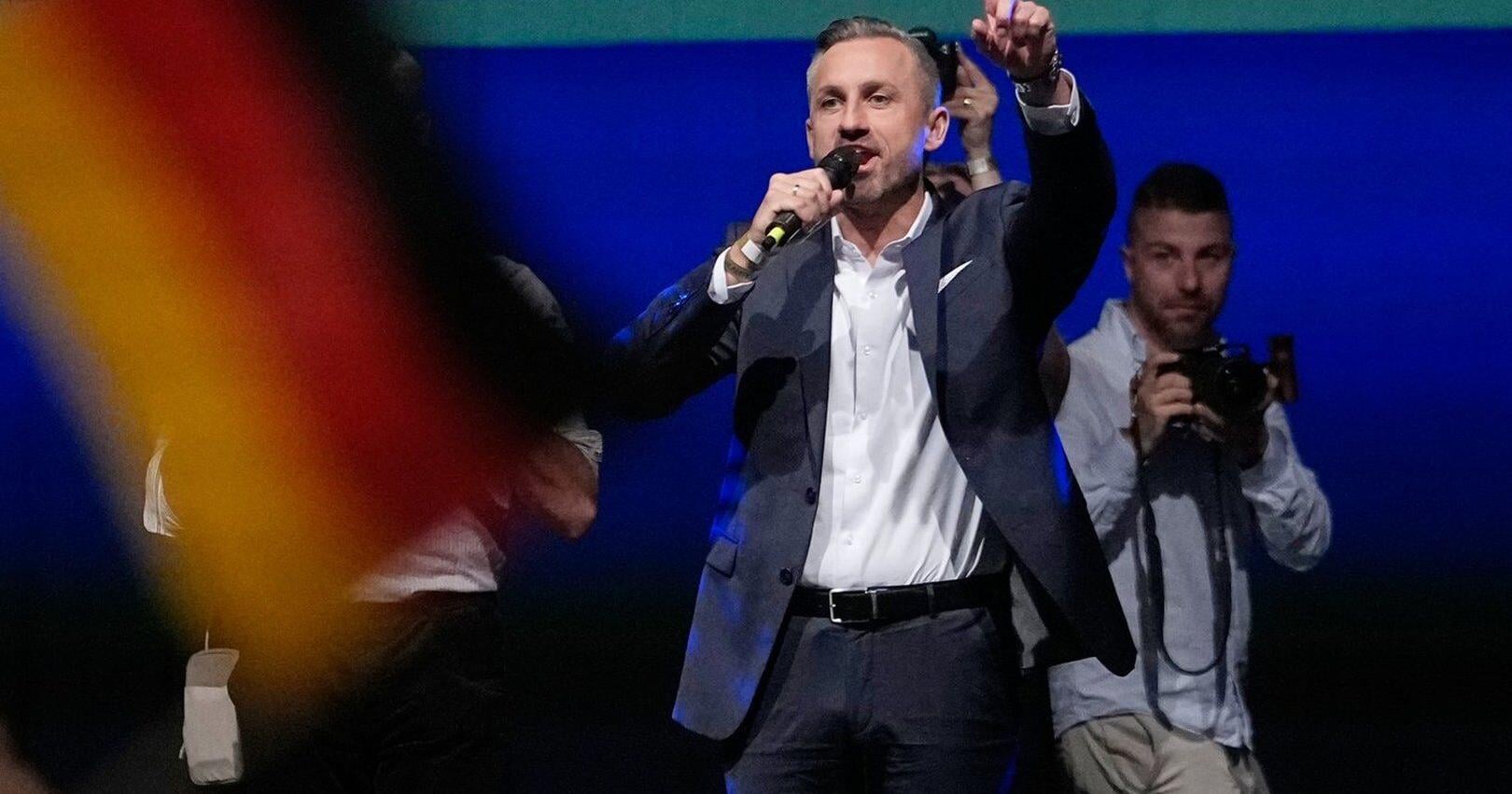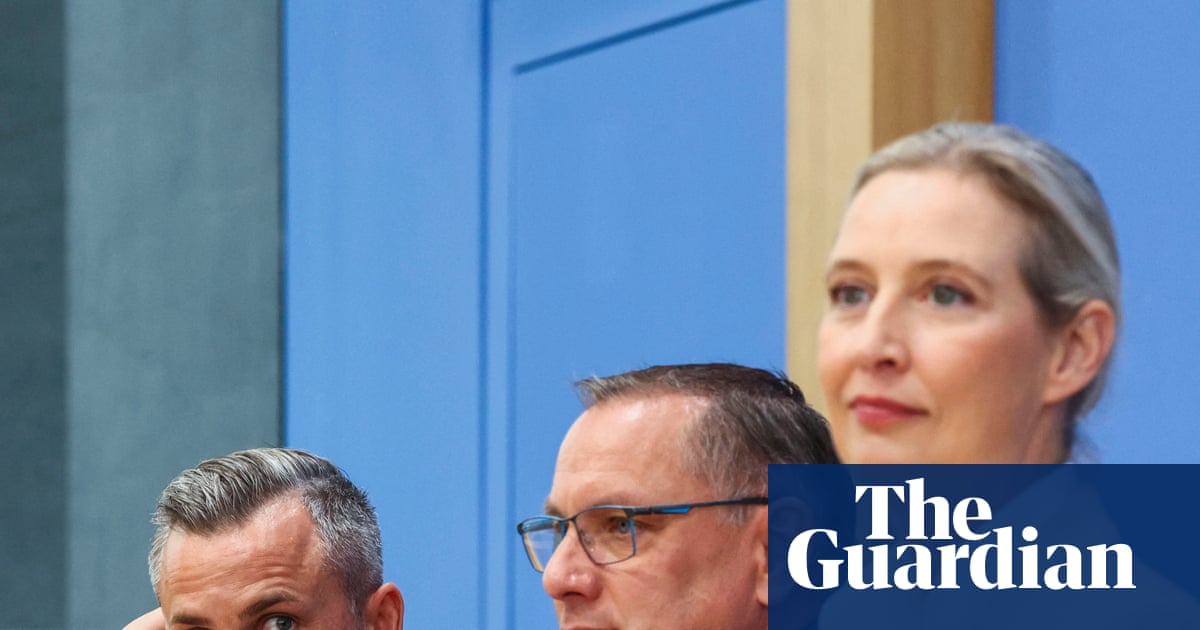
The Alternative für Deutschland has achieved its strongest result yet at state level, taking 43.8 percent of the vote in Saxony-Anhalt on Sunday and finishing three seats shy of an outright majority in the 83-member Landtag. The party's 39 seats represent more than double the support it attracted in the same eastern German state five years ago, when the region of 2.1 million people west of Berlin last went to the polls. Friedrich Merz's Christian Democratic Union collapsed to 17.2 percent, shedding roughly half its previous vote, while the Social Democrats, Greens and Left party each clustered around nine percent with eight seats apiece.
A result without precedent in post-war Germany
No far-right party has come this close to governing a German state since the Federal Republic's foundation. The AfD's surge reflects a structural realignment in the former East, where the party has cemented itself as the dominant force by absorbing protest votes that once went to the Left party and by capitalising on dissatisfaction with federal migration and energy policies. The CDU's halving of its vote share is the more striking figure: a party that governed Saxony-Anhalt for decades has been reduced to a distant second place, raising questions about whether the traditional centre-right can hold its ground anywhere in the East without accommodating nationalist positions.
Mainstream Europe sounds the alarm
The reaction from European capitals was immediate and unusually blunt. Council of the EU members framed the result as a strategic threat rather than a domestic German matter. Pedro Sánchez, Spain's socialist prime minister, told a party gathering in Madrid that the extremist threat was gaining ground across Europe and the world, largely thanks to the surrender of the traditional right. France's finance minister Roland Lescure called it a very worrying signal of a populist wave spreading globally. His colleague Benjamin Haddad, the European affairs minister, went further: "To see the far right prevail in the German regional election marks a very grave moment for Europe." He added that while the anger and fears of voters must be heard, nationalism and xenophobia would never be the answer.
Poland's Donald Tusk, no stranger to battles with nationalist forces, was the most direct: only idiots or traitors could rejoice at the AfD's triumph. Italy's foreign minister Antonio Tajani, a centre-right figure in government with the far-right Lega, nonetheless described the result as terrible news because the AfD is antithetical to liberal and western values. The breadth of condemnation, spanning socialist, liberal and conservative governments, suggests a recognition that the AfD's breakthrough in a German state parliament alters the political geometry of the European Council itself.
The far-right international celebrates
While mainstream leaders warned, the nationalist right celebrated across borders. Elon Musk posted "Well done!" on X, prompting Ulrich Siegmund, the AfD's lead candidate in Saxony-Anhalt, to thank the US tech billionaire and invite "strong and constructive cooperation", adding that Germany would once again be a place worth investing in. Donald Trump shared a screenshot of the projected result on Truth Social without comment. Kirill Dmitriev, Russia's presidential envoy, praised a historic win for the pragmatic AfD, a party that advocates ending aid to Ukraine and revoking refugee status for Ukrainians. Viktor Orbán, recently defeated in Hungary's own elections, declared it a huge night for Germany and Europe and warned: buckle up, this is just the beginning.
Congratulations also came from Santiago Abascal of Spain's Vox, André Ventura of Portugal's Chega, Matteo Salvini of Italy's Lega, Geert Wilders of the Dutch PVV, and Rupert Lowe of the UK's Restore Britain. Salvini, serving in government alongside Tajani, taunted the left: fear, terror, danger, no, it's called democracy. The coordination of messaging across these parties, many of which sit in the same European parliamentary groupings, underscores how the AfD's result functions as a morale boost for a transnational movement that has struggled to convert polling leads into governing power in several major member states.
The National Rally keeps its distance
Not every far-right party joined the chorus. France's National Rally, which expelled the AfD from their shared European parliamentary group two years ago, reiterated that it finds the German party's rhetoric and policies too extreme. The rupture followed comments by AfD figure Maximilian Krah downplaying SS crimes and revelations that the AfD backed mass deportations of immigrants. Jordan Bardella, the RN president, confirmed on Saturday that his party had no plans to resume an alliance. Marine Le Pen, comfortably ahead in polls for next year's French presidential election, cannot afford association with a party that German intelligence monitors as a suspected extremist organisation. Yet Bardella acknowledged that electoral pressure from the AfD was already shifting Berlin's policies, pointing to the federal government's reintroduction of border controls.
What the numbers mean for coalition arithmetic
With 39 seats, the AfD cannot govern alone. The remaining 44 seats are split among four parties that have all ruled out cooperation with the far right. A CDU-SPD-Green coalition would command a majority but would require the conservatives to govern with two parties to their left, a configuration that has proven unstable elsewhere in Germany. A CDU-SPD two-party coalition falls two seats short. The Left party's eight seats make it a potential kingmaker, but its inclusion would deepen the CDU's ideological discomfort. The most likely outcome is a minority CDU-led government dependent on case-by-case support, leaving the AfD as the largest opposition force with full parliamentary rights, including committee chairmanships and investigative powers.
Why the CDU's collapse matters beyond Saxony-Anhalt
Merz's party lost half its voters in a state it once treated as a stronghold. The bleed is not merely to the AfD; some CDU voters stayed home, others switched to the smaller Free Voters or the Bündnis Sahra Wagenknecht, which fell just below the five percent threshold. The CDU's dilemma is national: any attempt to win back AfD voters by adopting harder migration rhetoric risks alienating its western and urban base, while maintaining a centrist profile cedes the opposition space entirely to the far right. The party's leadership has so far rejected formal cooperation with the AfD at every level, but local councillors in several eastern districts have already broken that taboo in practice.
The election was conducted under the oversight of the Federal Statistical Office of Germany, which will publish the final certified results in the coming weeks. The AfD's performance will be studied closely by parties across the continent as they prepare for a cycle of national elections in 2027 and 2028.
People mentioned
Organisations
Alternative für Deutschland · Christian Democratic Union · Social Democratic Party of Germany · National Rally · European Parliament