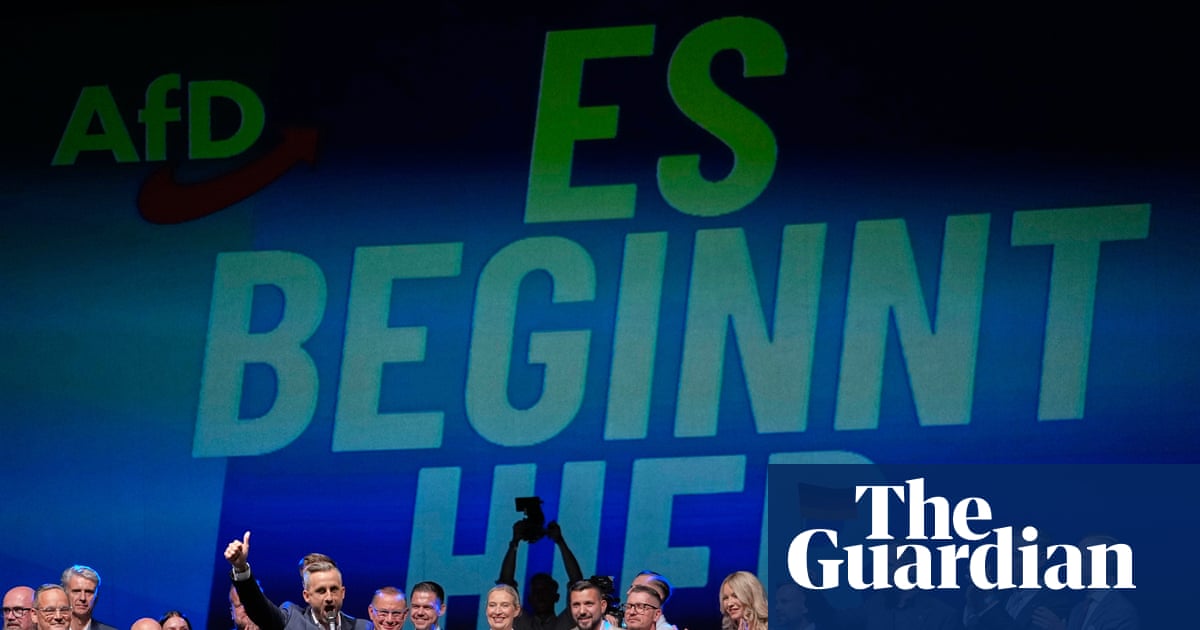
The Alternative für Deutschland has recorded the strongest result any party has achieved in a German state election in recent memory, taking 43.8% of the vote in Saxony-Anhalt. But the party fell three seats short of the 42 needed for an outright majority in the 83-seat state parliament, and now faces a harder task: finding someone willing to govern alongside it.
No far-right party has controlled a German state since the Second World War. Governing Saxony-Anhalt, with its 2.1 million inhabitants, would hand the AfD authority over policing and local education. Whether that happens now depends on whether the wall of refusal from other parties holds.
The arithmetic of a minority government
Preliminary results give the AfD 39 seats. Every other party in the legislature has ruled out a formal coalition. The most plausible path to power runs through the Bündnis Sahra Wagenknecht, or BSW, a left-wing populist party projected to win five seats. The BSW shares the AfD's hard line on migration and supports resuming imports of Russian gas. A formal coalition between the two would still fall short of a majority, but the BSW could offer tacit support, allowing the AfD to form a minority government that survives on issue-by-issue votes.
Beatrix von Storch, the AfD's deputy parliamentary leader, said the party was already talking to individuals within the CDU group, claiming some were "very, very unhappy with their own party". She argued that refusing to work with the AfD meant refusing to accept the democratic will. "You cannot say I do not accept the vote of the people," she told the BBC.
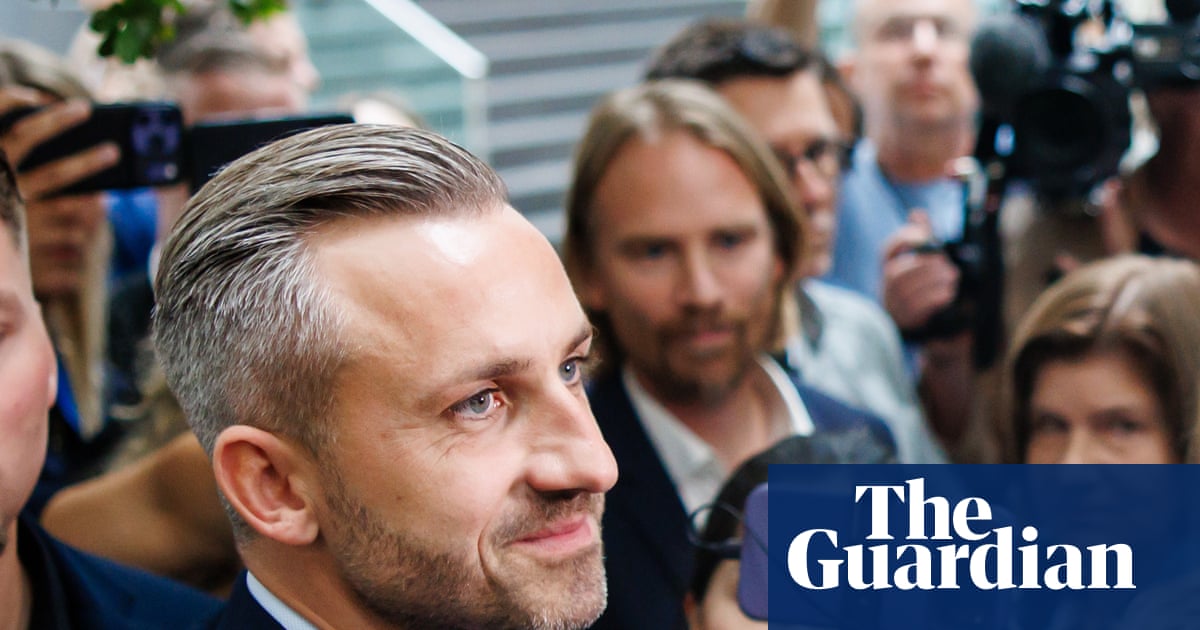
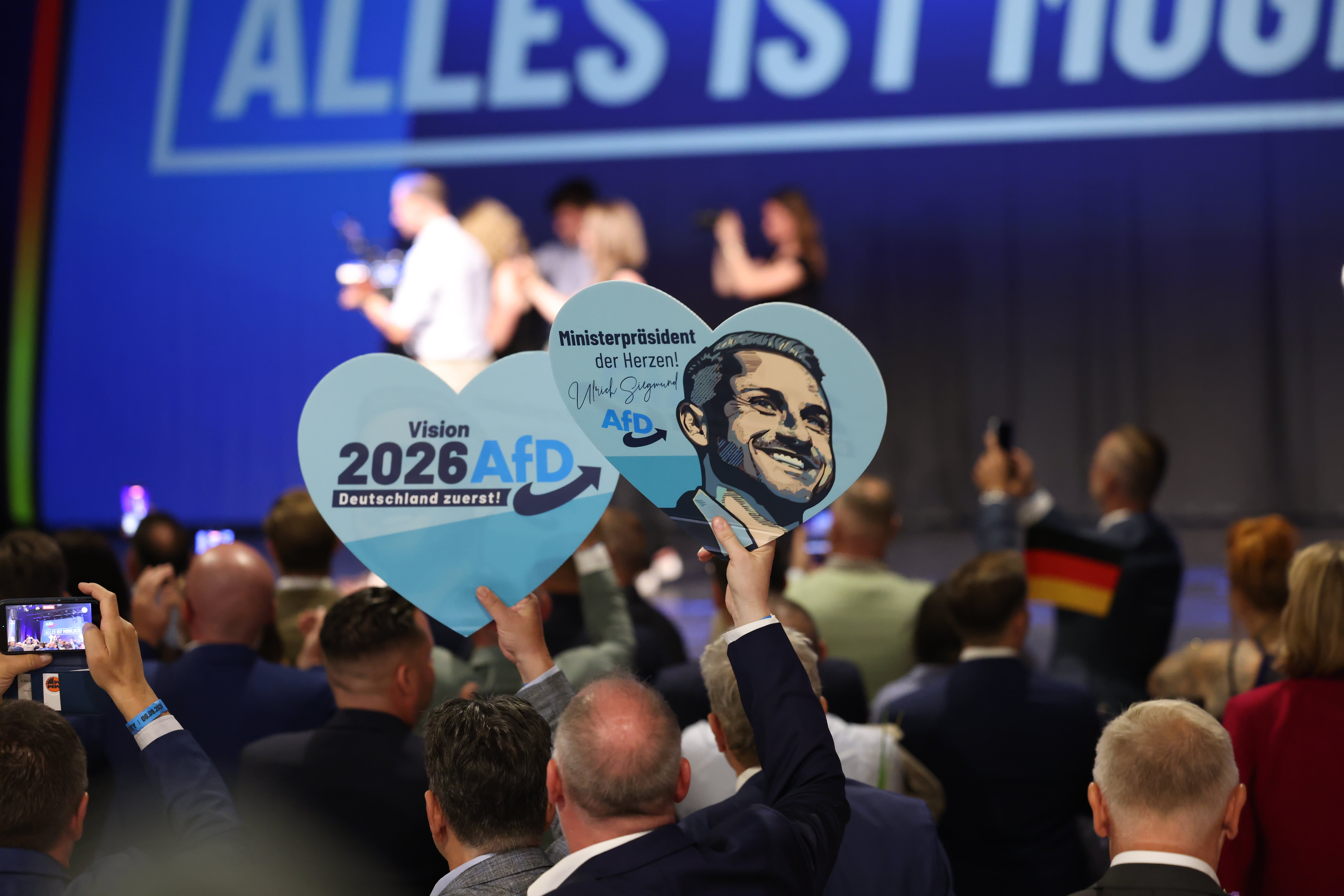
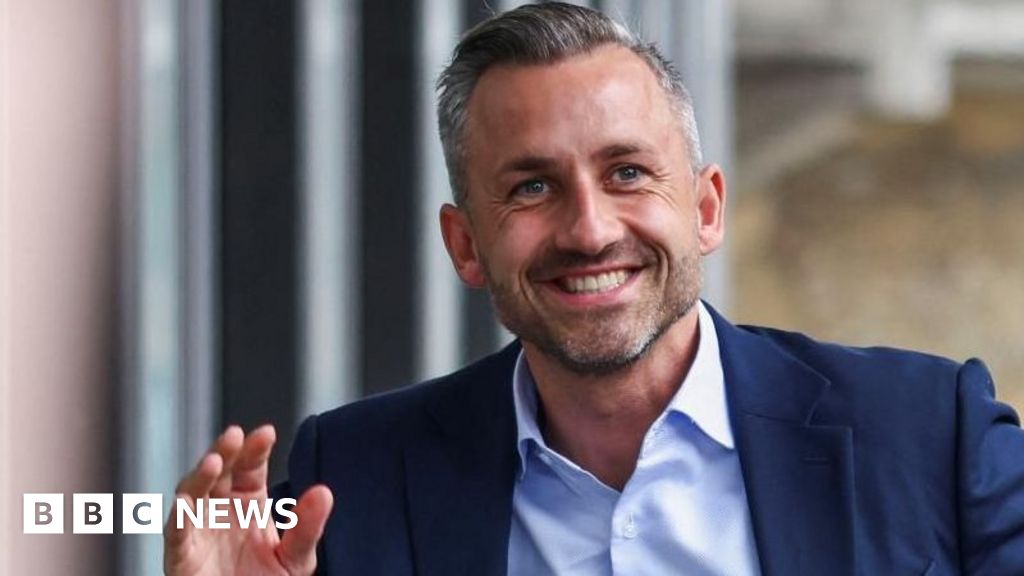
Ulrich Siegmund, the AfD's leader in Saxony-Anhalt, said discussions began on Sunday night and could take days or weeks. "We reach out to everybody first, we will have consultations and then we'll see whether there are individual parliamentary groups or MPs who would be willing to help us," he told a press conference.
The outgoing state premier, Sven Schulze of the CDU, conceded that the mandate to govern "now lies with the AfD". Whether that mandate translates into actual governing power depends on whether any other legislators are prepared to break with the consensus that has excluded the party since its founding. Von Storch warned that if parties refused, "then we might end up in severe chaos and maybe we have a new election".
What the AfD intends to do in office
The AfD's programme for Saxony-Anhalt is explicit. The party plans to segregate child refugees into separate school classes and establish a task force to detain and deport migrants who no longer have the legal right to remain in Germany. These proposals are deeply controversial within the country, and the state's domestic intelligence service has classified the Saxony-Anhalt AfD as "right-wing extremist". Siegmund, 35, rejects that designation.
At national level, the AfD's platform includes a call for "remigration", a term widely understood to mean mass deportations of migrants, though the party says it refers only to removing criminals and those in the country illegally. The distinction between what the AfD says and what its opponents believe it means has been a running argument in German politics for years. In Saxony-Anhalt, the party would have the chance to turn rhetoric into administrative action.
A crisis for Merz and the centre-right
If the result was a triumph for the AfD, it was a near-catastrophe for the Christian Democratic Union. The CDU's vote share nearly halved to 17.2%. Chancellor Friedrich Merz, who took office promising to win back voters who had drifted to the AfD, described the result as "seismic, not just in the country but also in my own political party, and I take that very seriously". He said a return to "business as usual" was impossible, that the country needed "profound reforms" and that the CDU needed to "reach people at an emotional level".
The admission from a chancellor barely into his term that his own party faces an existential challenge from the right is striking. Von Storch was blunt about what she saw happening: conservative voters were turning to the AfD because they were not being listened to, and established centre-right parties across Europe faced the same fate. "The conservative parties will disappear from the landscape as it happened in Italy, as it's about to happen in the UK, as it might also happen in France," she said.
Endorsements from Moscow and Washington
The result drew immediate attention beyond Germany's borders. Donald Trump posted a screenshot of the projected results on his Truth Social platform. Kirill Dmitriev, a Russian presidential envoy, amplified Trump's post and called it a "historic win for the pragmatic AfD", having previously described the party as "the party of hope and reason, co-operation truth and hope for Germany". Last year, US Vice-President JD Vance endorsed the AfD ahead of Germany's federal election, a move widely criticised in Germany as political interference.
Poland's prime minister, Donald Tusk, offered a sharply different assessment: "In Poland only idiots and traitors can rejoice at the triumph of the AfD." The endorsements from Moscow and Washington will not help the AfD's efforts to present itself as a mainstream democratic choice within Germany, even if they cheer its supporters.
The eastern pattern and the national question
The AfD leads national opinion polls ahead of Merz's conservatives and the Social Democrats, but its strength is concentrated in the eastern states. It won the 2024 state election in neighbouring Thuringia but likewise fell short of a governing majority there. Federal statistics from Destatis consistently show eastern states trailing western ones in income and employment, a gap that has persisted since reunification and continues to shape political preferences.
Siegmund told supporters the result was not confined to one small state: "This isn't just about Saxony-Anhalt. It's a signal for the whole of Germany, a self-confident signal." The next test will be whether the AfD can convert a dominant vote share into functional government, or whether the isolation imposed by every other party forces a new election.
People mentioned
-
Beatrix von Storch
Organisations
Alternative für Deutschland · Christian Democratic Union · Bündnis Sahra Wagenknecht