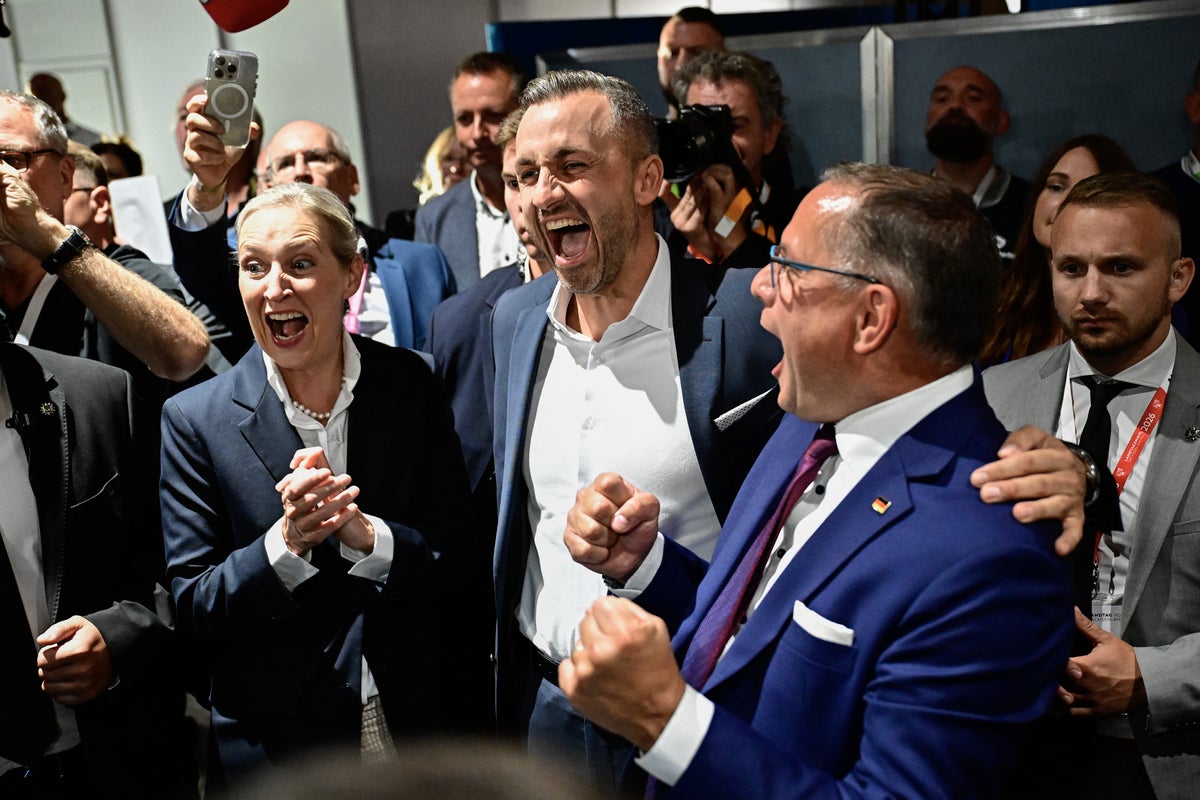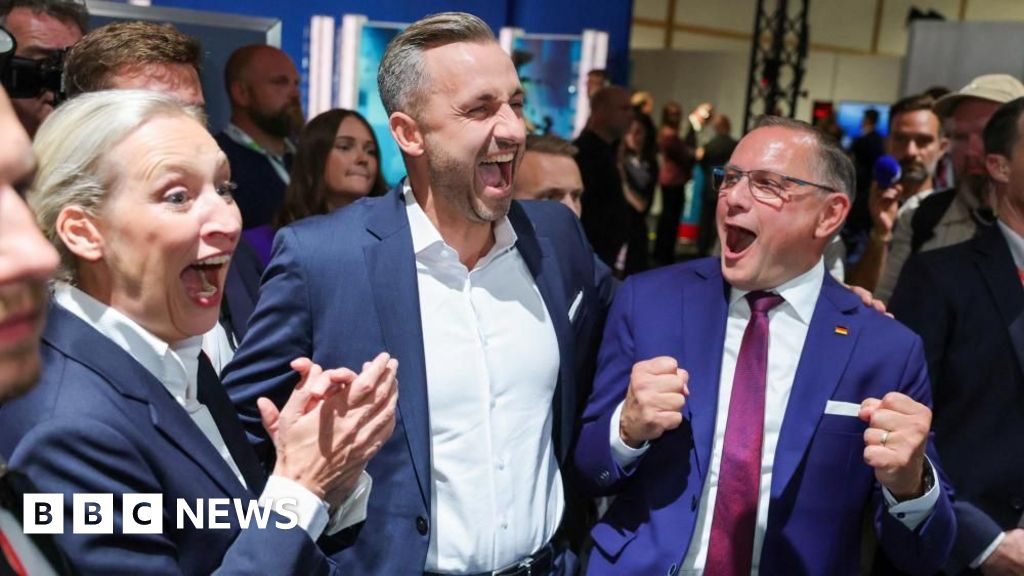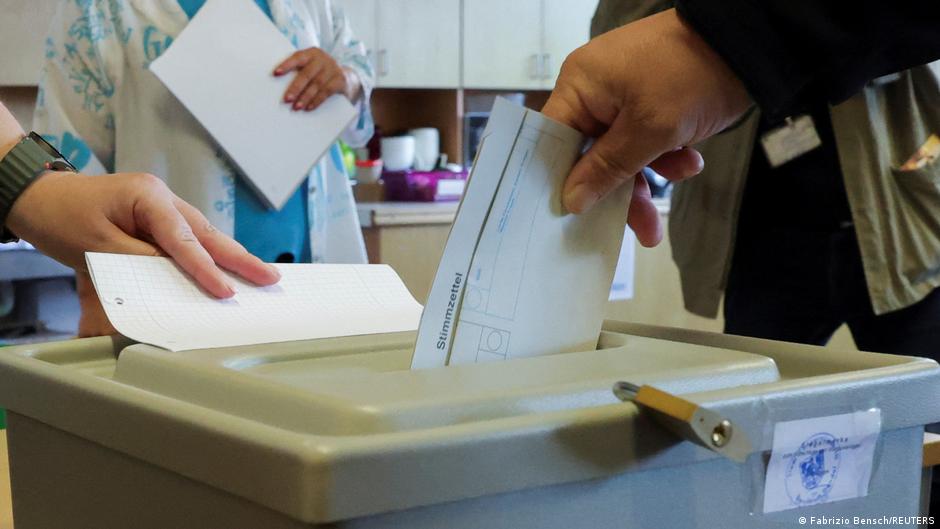
Polling stations opened at 8 a.m. on Sunday in Saxony-Anhalt, where 1.7 million voters are choosing a new state parliament in Magdeburg. The far-right Alternative for Germany (AfD) enters the vote polling above 40%, roughly 17 points clear of the Christian Democratic Union (CDU) that has governed the eastern state since 2002. If the AfD crosses the 50% mark it could form a single-party government, the first far-right administration in a German state since the Second World War.
Turnout surges in eastern state
By midday turnout stood at 34%, compared with 22.4% at the same point in the 2021 election, according to the state returning officer. That represents a 50% increase in early participation. Final turnout five years ago finished at 60.3% including postal votes. DW correspondent Jens Thurau, reporting from Magdeburg, said the surge reflected the extraordinary attention the election has attracted, 500 journalists from the US, Canada, Taiwan and China are accredited. The high mobilisation makes it harder to predict which parties benefit; historically smaller parties gain from late-deciding voters, but the AfD's core support is also highly motivated.
The firewall and coalition arithmetic
Germany's political mainstream maintains a firewall against cooperation with the AfD, which the Saxony-Anhalt domestic intelligence agency classifies as a confirmed right-wing extremist organisation. No other party will enter a coalition with it. That means the AfD needs an absolute majority to govern alone. The arithmetic hinges on the 5% threshold for parliamentary entry. The SPD, Greens, FDP and the Sahra Wagenknecht Alliance (BSW) are all polling near that line. If all four fail to clear it, their votes are redistributed and the AfD could win a majority of seats with roughly 45% of the vote, the '45% plus X' target set by lead candidate Ulrich Siegmund.
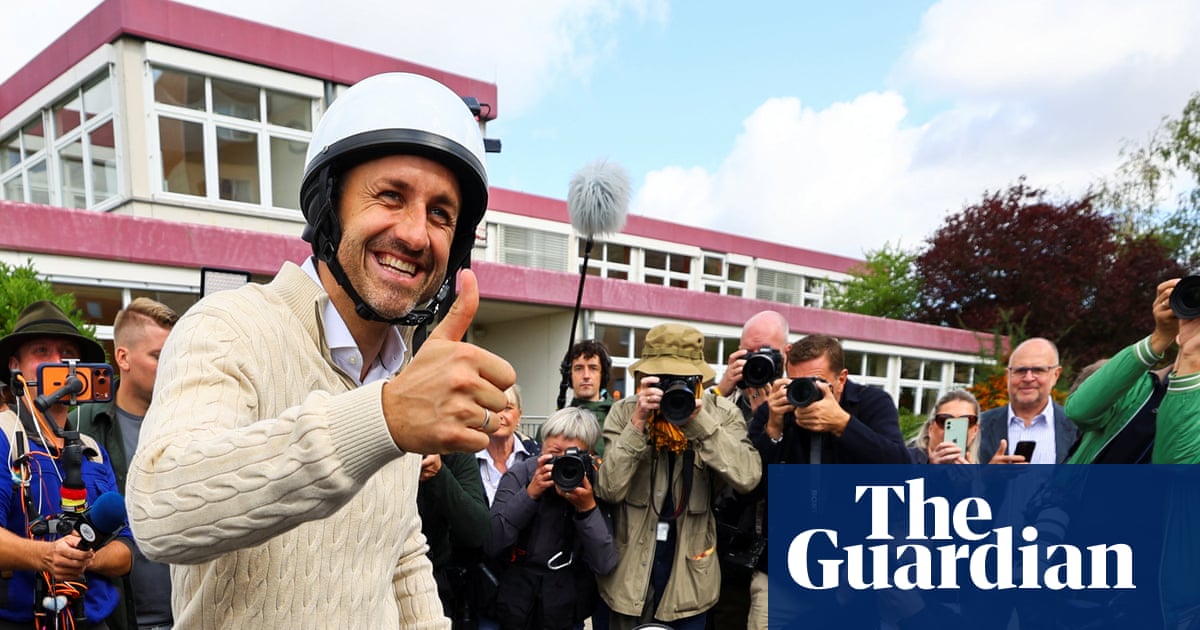
If more parties enter the Landtag, coalition-building becomes far more complex. Sven Schulze, the CDU Ministerpräsident, would likely need three partners, possibly SPD, Greens and FDP, to cobble together a majority. He has repeated the mantra 'It's far from decided' throughout the campaign. After casting his ballot in Magdeburg he told reporters: 'Now we'll wait and see.'
Migration dominates despite low foreign population
Migration has been the dominant campaign theme even though foreign nationals accounted for only 9% of Saxony-Anhalt's population at the end of 2025, roughly half the share in North Rhine-Westphalia. The state also has a relatively low proportion of foreign nationals among potential welfare recipients. Net migration has been positive for both German and non-German citizens for the past six years, and the population has grown since 2016. The AfD's '100-day immediate action plan' promises to 'deport from minute one' foreign nationals whose presence is tolerated on humanitarian grounds but who lack a legal right to stay, cut funding for pro-democracy NGOs, require refugees to work and prioritise 'love for the German homeland over social diversity'.
What a far-right state government would mean
An AfD-led government would control state police, education policy and cultural funding in a territory of 2.1 million people. It could direct the state's votes in the Bundesrat, Germany's upper house, potentially blocking federal legislation. The symbolism would be profound: the first far-right state premier since 1945, in a state that was part of the GDR. The AfD's state branch is already under surveillance by the domestic intelligence agency; a government led by it would test the constitutional order in ways Germany has not faced since reunification.
Berlin watches for national signal
Chancellor Friedrich Merz's CDU is already under pressure after poor showings in other eastern states. A heavy defeat for his party in Saxony-Anhalt would intensify questions about the CDU's strategy towards the AfD, whether to harden the firewall or attempt to win back voters with tougher rhetoric on migration. The federal government, a coalition of SPD, Greens and FDP, is equally invested: a breakthrough for the AfD would embolden the party ahead of the next Bundestag election, due by autumn 2027. DW political correspondent Matthew Moore said he had 'not experienced a more polarising election since Brexit or Trump vs. Hillary Clinton in 2016. That is because the stakes are so high.'
Results expected overnight
Polls close at 6 p.m. (1600 GMT). ARD and ZDF will publish their first projections immediately, based on exit polls by Infratest dimap and Forschungsgruppe Wahlen respectively. A preliminary official result is expected in the early hours of Monday. Postal votes, which accounted for a significant share in 2021, will be incorporated through the night. The new Landtag will then elect the Ministerpräsident, a process that could take weeks if coalition talks are required.
People mentioned
-
Jens Thurau
-
Matthew Moore
Organisations
Alternative for Germany · Christian Democratic Union · Social Democratic Party of Germany · Alliance 90/The Greens · Free Democratic Party · The Left