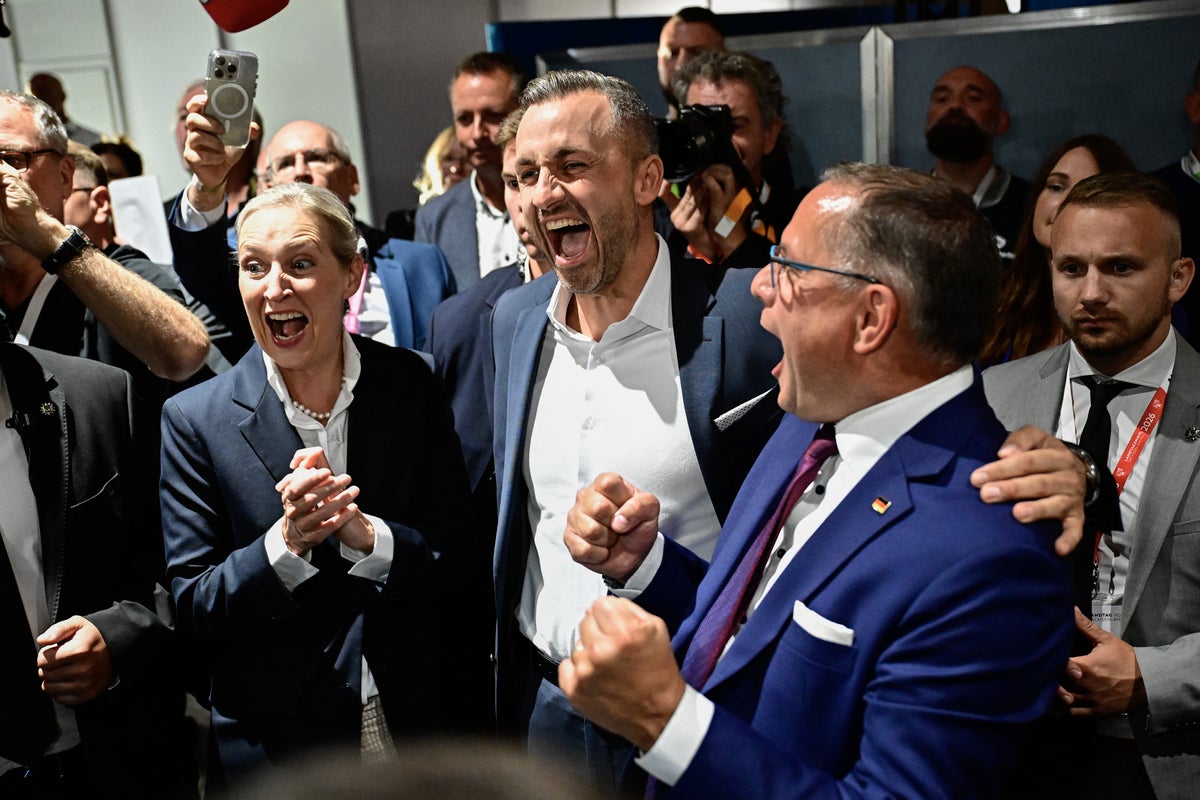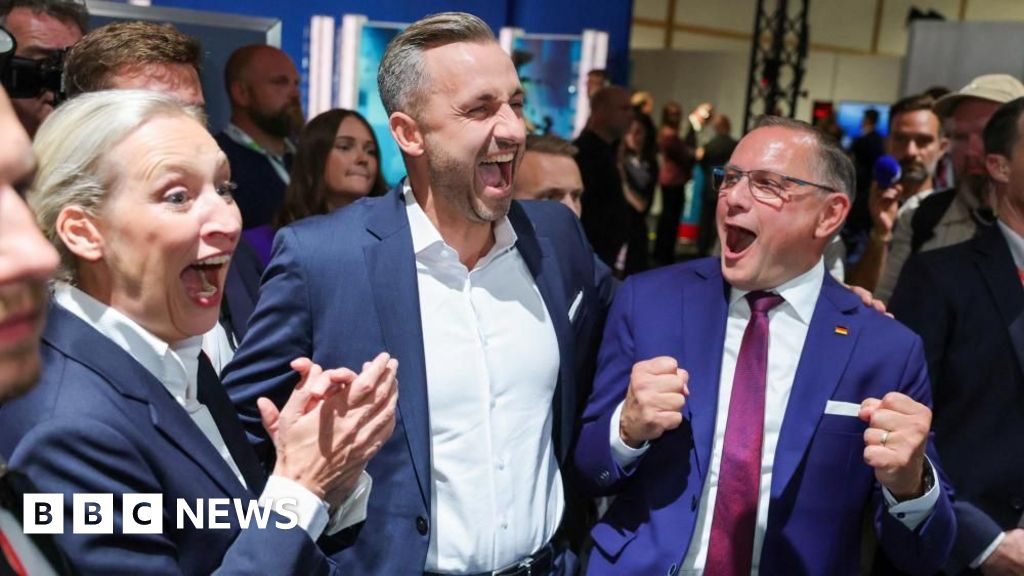
The Alternative für Deutschland took 44.4 per cent of the vote in Saxony-Anhalt, according to exit polls published on 6 September, more than doubling its 2021 result of 23.7 per cent and delivering the strongest performance by a far-right party in a German state election since the second world war. Whether that translates into actual power remains an open question.
Turnout reached a record 76.5 per cent among the state's 1.7 million eligible voters. High turnout had been expected to dilute the AfD's support. Instead, the party appears to have mobilised both its committed base and previous non-voters, exceeding final opinion polls that had put it at 40 to 41 per cent.
A result that reshapes the map
The scale of the AfD's lead is striking. The Christian Democrats (CDU) of Chancellor Friedrich Merz trailed on roughly 18.4 per cent, followed by Die Linke on 9.3 per cent, the Greens on 8.7 per cent and the Social Democrats (SPD) on 8.4 per cent. The BSW, a populist offshoot of Die Linke founded by Sahra Wagenknecht, cleared the 5 per cent threshold against expectations and has previously signalled willingness to cooperate with the AfD on energy price reform.
The CDU has governed Saxony-Anhalt since 2002, typically in coalition with smaller parties. That era of comfortable conservative dominance has ended. Franziska Hoppermann, the CDU's general secretary, called the result "bitter" and a "defeat overall", adding it was also a defeat for everyone who had borne responsibility in the state over the past 35 years, a reference to the entire post-communist period.
The firewall holds, for now
Germany's mainstream parties have long maintained a Brandmauer, or firewall, against any form of cooperation with the AfD. That position has not shifted. The CDU, SPD, Greens and Die Linke have all ruled out coalitions or confidence-and-supply arrangements with a party that the Federal Office for the Protection of the Constitution classifies as rightwing extremist in Saxony-Anhalt. The AfD has said it would reform that intelligence agency, calling it biased.
The AfD itself has ruled out entering a coalition, insisting it will govern only with an absolute majority. As counting continued, it remained unclear whether the party would reach 50 per cent. If it falls short, the state faces a governing vacuum: no combination of mainstream parties reaches a majority without the AfD or the BSW, and the arithmetic is extremely tight.
Alice Weidel, the AfD's co-leader, declared that the result gave her party a "clear government mandate" and said it would "talk to all the parties" about forming a government. Those talks face an immediate obstacle: the other parties have said they will not participate.
Merz under pressure after eastern collapse
The Saxony-Anhalt election was always going to test Friedrich Merz, whose national CDU-SPD coalition has struggled to deliver on promises to revive the economy or halt the AfD's rise. The result makes that failure unmistakable. In one recent poll, only 9 per cent of voters in the state expressed satisfaction with Merz's politics. Siegmund pointedly called the chancellor "a very good campaigner for the AfD".
Irregular immigration has fallen since Merz took office, but not enough to appease voters for whom the issue remains central. The AfD has overtaken the CDU in national polls and now looks towards the next federal elections in 2029 or 2033. Hoppermann ruled out any discussion of Merz's future, but analysts expect the question to intensify.
Siegmund's cultural programme
Ulrich Siegmund, the AfD's lead candidate, campaigned on a platform that mixed cultural nostalgia with hardline immigration policy. He has promised an immediate "remigration and deportation offensive", a ban on rainbow flags in schools, and a halt to new windfarm construction. He wants to change the state slogan from "Think Modern" to "Think German" and reintroduce the singing of the national anthem in schools.
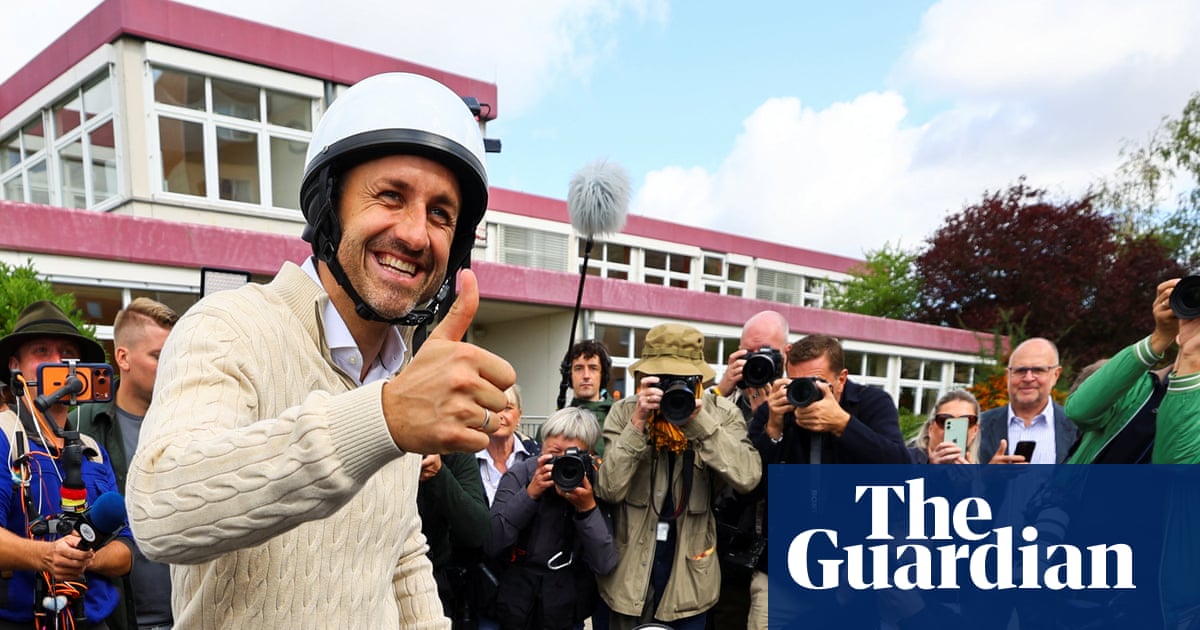
During the campaign, Siegmund rode an East German-era moped in AfD colours, tapping into what Germans call Ostalgie, a nostalgia for aspects of life in the former German Democratic Republic. He repeatedly highlighted what he described as foreigner-related crime, even as the overall crime rate in Saxony-Anhalt has fallen significantly. The party's platform also calls for ending German support for Ukraine and stripping Ukrainians of refugee status.
Economic and security warnings
The German Economic Institute has warned that the AfD's immigration policies would be "calamitous" for Saxony-Anhalt, a state with an ageing and shrinking population that depends heavily on foreign workers. Federal statistics show eastern German states face some of the country's most acute demographic pressures, making the debate over immigration policy a matter of economic survival as much as ideology.
Critics have also raised concerns that an AfD-led state government, given the party's Kremlin-friendly stance, could leak sensitive information to Russia. The AfD has dismissed those claims.
Before the vote, Bishop Gerhard Feige of Magdeburg warned churchgoers against forces that "want to sow discord, stoke mistrust and fear". Drawing parallels with the past, he observed: "Not everyone who votes or is elected democratically is a democrat." A message projected on to Magdeburg Cathedral on Saturday evening read: "We do not abandon what we love. True love of the homeland is not the AfD." Thousands of opponents gathered in Magdeburg for what organisers called a "festival of democracy".
People mentioned
-
Franziska Hoppermann
Organisations
Alternative für Deutschland · Christian Democratic Union · BSW (Sahra Wagenknecht Alliance) · German Economic Institute · Federal Office for the Protection of the Constitution